If your last lipid panel came back with a low HDL number, you’re probably searching for how to increase HDL cholesterol and wondering what that actually means for your heart. I get this question almost every week at NFH Clinic, usually from someone who has just left their doctor’s office holding a printout full of numbers they don’t fully understand.
I’m McLee Tembo, founder of NFH Clinic and an online health consultant who has spent years helping people bring their cholesterol, blood sugar, and overall metabolic health back into balance. In this guide, I’ll walk you through how HDL cholesterol works, why it matters less in isolation than most articles suggest, and the specific food, lifestyle, and supplement strategies that actually move the needle. No fluff, and no promises I can’t back up.
Quick answer: the most effective ways to support a healthier HDL level are regular aerobic exercise, losing excess weight if you’re carrying it, quitting smoking, replacing saturated fat with unsaturated fat, and eating more fiber, fish, and whole foods. But HDL isn’t something to chase on its own. Your overall cardiovascular risk, especially LDL, non-HDL cholesterol, and triglycerides, matters more than this single number.
Overview
HDL, or high-density lipoprotein, is the cholesterol your body uses to help clear excess cholesterol from your bloodstream. A low HDL result is common and, on its own, is rarely an emergency, but it’s worth addressing because it’s linked to higher cardiovascular risk over time. This guide covers what counts as a healthy HDL level, the lifestyle and dietary changes with the strongest evidence behind them, food-specific and Indian-diet strategies, what supplements can and can’t do, and how HDL fits into your broader lipid picture alongside LDL and triglycerides. The short version: HDL responds best to consistent exercise, a better fat and fiber intake, weight management, and not smoking, and it’s most useful when read alongside the rest of your cholesterol panel rather than in isolation.
Quick Facts
| What it is | The “good” cholesterol that helps clear excess cholesterol from the bloodstream |
| Healthy range | Above 40 mg/dL (1.0 mmol/L) men; above 50 mg/dL (1.3 mmol/L) women |
| Best-supported lever | Regular aerobic exercise |
| Best foods | Olive oil, fatty fish, nuts, avocado |
| Realistic timeframe for change | Weeks to a few months of consistent habits, not days |
| Is it a stand-alone treatment target? | No, most doctors focus on your overall lipid profile, not HDL alone |
| Best-evidenced supplement | Prescription niacin, but only under medical supervision |
Key Takeaways
- HDL helps carry excess cholesterol away from your bloodstream, but a high HDL number doesn’t cancel out high LDL.
- Most doctors don’t treat HDL as a stand-alone target; it’s interpreted alongside LDL, non-HDL cholesterol, and triglycerides.
- Regular aerobic exercise, quitting smoking, losing excess weight, swapping saturated fat for unsaturated fat, and consistent sleep are the changes with the strongest evidence.
- No single food contains “HDL cholesterol” you can eat to raise your blood level directly, but foods like olive oil, fatty fish, nuts, and avocado support a healthier overall lipid pattern.
- How well your HDL functions may matter as much as the raw number, which is part of why doctors also look at non-HDL cholesterol and, increasingly, ApoB.
- Supplements aren’t a shortcut. Prescription niacin can raise HDL but carries real risks, and fish oil is better evidenced for triglycerides than HDL specifically.
- Meaningful change usually takes weeks to months of consistent habits, not days.
In this Guide:
- What Is HDL Cholesterol?
- Should You Even Try to Raise HDL?
- Why Doctors Are Rethinking the HDL Number
- HDL Cholesterol Normal Range
- Why Is My HDL Low?
- How to Increase HDL Cholesterol Naturally
- How to Increase HDL Cholesterol With Food
- How to Increase HDL Cholesterol With Indian Food
- How to Increase HDL Cholesterol Quickly
- Supplements to Increase HDL Cholesterol
- How to Decrease LDL Cholesterol at the Same Time
- What If My HDL Is Low But My LDL Is Normal?
- Can HDL Be Too High, and How Do You Lower HDL Cholesterol?
- How to Increase HDL Cholesterol: What the NHS Recommends
- When Should You Talk to a Doctor About Low HDL?
- How to Improve Your HDL Cholesterol Level: Putting It Together
- Frequently Asked Questions
- Bottom Line
- Sources
What Is HDL Cholesterol?
Cholesterol travels through your bloodstream in packages called lipoproteins. There are two you’ll hear about most often:
- LDL cholesterol (low-density lipoprotein), often called “bad” cholesterol, because it can deposit itself into your artery walls and contribute to plaque over time.
- HDL cholesterol (high-density lipoprotein), the “good” cholesterol, because it helps carry cholesterol away from the bloodstream and back toward the liver, where much of it gets processed and removed.
A simple way to picture it: LDL is a bit like a delivery truck dropping cholesterol off near your artery walls, and HDL works more like part of the pickup and recycling system, though it’s worth being clear that a high HDL number doesn’t cancel out or “erase” the damage from high LDL. They’re two separate parts of your risk picture, not opposing forces that balance each other out.
How Is HDL Cholesterol in Blood Measured?
HDL cholesterol in blood is measured through a lipid panel, a routine blood test that also reports LDL, total cholesterol, and triglycerides. This is why the goal isn’t really to “increase HDL cholesterol in blood” as an isolated exercise, it’s to shift your everyday habits enough that your next lipid panel reflects a healthier overall pattern, not just one number moving in isolation.
Should You Even Try to Raise HDL?
This is the part most articles skip, and I think it deserves to come before the list of foods and habits.
Large clinical trials testing medications designed specifically to raise HDL haven’t shown the reduction in heart attacks and strokes researchers expected. Mayo Clinic notes that for most people, raising HDL by itself isn’t a treatment goal, and when LDL is high and HDL is low, the priority is usually lowering LDL first, alongside managing blood pressure, blood sugar, and other risk factors.
So the honest answer is this: yes, it’s worth improving the habits linked to healthy HDL, but the goal isn’t to force one number higher. The goal is a healthier overall cardiovascular profile, and the habits that support HDL tend to improve LDL and triglycerides at the same time, which is where the real benefit lies.
Why Doctors Are Rethinking the HDL Number
Here’s something that’s changing in cholesterol care but hasn’t fully filtered down into most consumer advice yet. Newer research suggests that how well your HDL functions, meaning how effectively it actually removes cholesterol from your artery walls, may matter more than the raw HDL number on your lab report. Two people can have identical HDL levels and different degrees of heart protection, depending on how well their HDL particles are working. This is part of why medications that raise HDL numerically haven’t reliably lowered heart attack risk, they raised the quantity without necessarily improving the quality.
This doesn’t change what you should do day to day, exercise, better fats, less smoking, and good sleep all still support both the number and the function. But it’s part of why doctors increasingly look beyond HDL alone and pay closer attention to non-HDL cholesterol and, in some cases, apolipoprotein B (ApoB), which reflects the total number of potentially artery-damaging particles in your blood more directly than LDL or HDL do individually. If your doctor mentions ApoB or non-HDL cholesterol, that’s not a different problem, it’s a more complete way of reading the same picture.
HDL Cholesterol Normal Range
Doctors measure HDL in milligrams per deciliter (mg/dL) in the US, or millimoles per liter (mmol/L) in the UK and much of Europe. Here’s how it generally breaks down:
| Category | Men | Women |
|---|---|---|
| Low (higher risk) | Below 40 mg/dL (1.0 mmol/L) | Below 50 mg/dL (1.3 mmol/L) |
| Generally healthy | 40 mg/dL and up (1.0 mmol/L+) | 50 mg/dL and up (1.3 mmol/L+) |
| Often linked to lower risk | 60 mg/dL or higher (1.6 mmol/L+) | 60 mg/dL or higher (1.6 mmol/L+) |
Important: a higher HDL number isn’t an automatic guarantee of protection. Some clinicians also look at your total cholesterol to HDL ratio as a general indicator, with lower generally considered better, though this is one data point among several rather than a fixed goal to hit.
What Does Low HDL Mean?
A low HDL cholesterol meaning, in plain terms, is that your blood has less of the “good” cholesterol that helps manage excess cholesterol in circulation. On its own, it’s a risk marker rather than a diagnosis, and it becomes more significant when it’s combined with high LDL, high triglycerides, or other cardiovascular risk factors.
Why Is My HDL Low?
Several factors are commonly linked to lower HDL:
- Physical inactivity
- Excess body weight, particularly around the abdomen
- Smoking or vaping
- A diet high in refined carbohydrates and trans fats
- Insulin resistance or type 2 diabetes
- Metabolic syndrome
- Certain inherited lipid disorders, such as familial combined hyperlipidemia
- Hormonal changes, including the drop in estrogen after menopause, which is often linked to lower HDL in women
- Some medications can affect HDL levels
If your HDL dropped after starting or changing a medication, don’t stop taking it on your own. Talk to your doctor about whether the medication, an underlying condition, or something else explains the change.
How to Increase HDL Cholesterol Naturally
Let’s get into what actually works, starting with the changes that have the strongest evidence behind them.
1. Exercise Regularly
Regular aerobic exercise is one of the most reliable lifestyle changes for supporting HDL and overall cardiovascular fitness. Moderate to vigorous activity, brisk walking, cycling, swimming, or jogging, has consistently been linked to healthier HDL levels.
- Aim for at least 150 minutes of moderate-intensity activity a week, or 75 minutes of vigorous activity.
- If you’re just starting out, three 20-minute sessions a week is a reasonable entry point. Build from there.
- Add strength training at least twice a week to support weight management and metabolic health.
Consistency matters more than intensity. A daily 30-minute walk sustained over months will likely do more for your lipid profile than an occasional hard workout.
2. Lose Excess Weight, If You’re Carrying It
If you have excess weight, particularly around the midsection, losing even 5 to 10 percent of your body weight can meaningfully improve your overall lipid profile, HDL included. Focus on a sustainable calorie deficit built around whole foods, since crash dieting can disrupt lipid levels rather than improve them.
3. Quit Smoking
Smoking lowers HDL and damages the lining of blood vessels, making it easier for LDL to embed itself in artery walls. Quitting is one of the most impactful things you can do for cardiovascular health generally, and improvements in HDL are one part of that broader benefit. If you vape, know that nicotine is still a factor worth addressing, though it’s best not to overstate the exact size of that effect since the research here is still developing.
4. Replace Saturated and Trans Fats With Unsaturated Fats
Swapping saturated and trans fats for monounsaturated and polyunsaturated fats is one of the most well-supported dietary changes for improving your overall cholesterol profile.
- Cut back on: fried foods, packaged baked goods, margarine, and fatty cuts of red meat.
- Add more: olive oil, avocado, nuts, seeds, and fatty fish.
- Eliminate trans fats entirely where you can. Check labels for “partially hydrogenated oil.”
5. Eat More Fiber-Rich, Minimally Processed Food
A diet built around vegetables, fruit, legumes, and whole grains supports a healthier LDL-to-HDL balance, even when it doesn’t dramatically raise the HDL number on its own. This is the pattern with the strongest overall evidence, closely resembling a Mediterranean-style diet.
6. Be Cautious With Alcohol
You’ll sometimes read that moderate alcohol, particularly red wine, is linked to slightly higher HDL. That’s true in some observational studies, but it isn’t a reason to start drinking. Alcohol can also raise triglycerides and carries its own health risks, including for weight, blood pressure, and heart rhythm. If you already drink, keep it within recommended limits and check with your doctor if you have any liver or cardiovascular concerns. If you don’t drink, there’s no reason to start because of your HDL level.
7. Protect Your Sleep and Manage Stress
This one gets left out of most cholesterol advice, but the evidence is worth knowing. Research has found a U-shaped relationship between sleep and HDL: people who consistently sleep less than 6 hours or more than 7 tend to have lower HDL than people who sleep in the 6 to 7 hour range. Poor sleep also raises cortisol, which can push cholesterol levels in the wrong direction generally. Aiming for consistent, decent-quality sleep and finding a workable way to manage ongoing stress, even something as simple as a daily walk or a few minutes of quiet, is a legitimate part of the picture, not just a wellness footnote.
How to Increase HDL Cholesterol With Food
Diet is where most people want to start, and it’s the lever you control several times a day, every day. One thing worth saying clearly: there’s no food that contains “HDL cholesterol” you can eat to directly raise your blood HDL. Instead, certain foods and dietary patterns can influence how your body manages cholesterol overall.
Food With High HDL Cholesterol Benefits
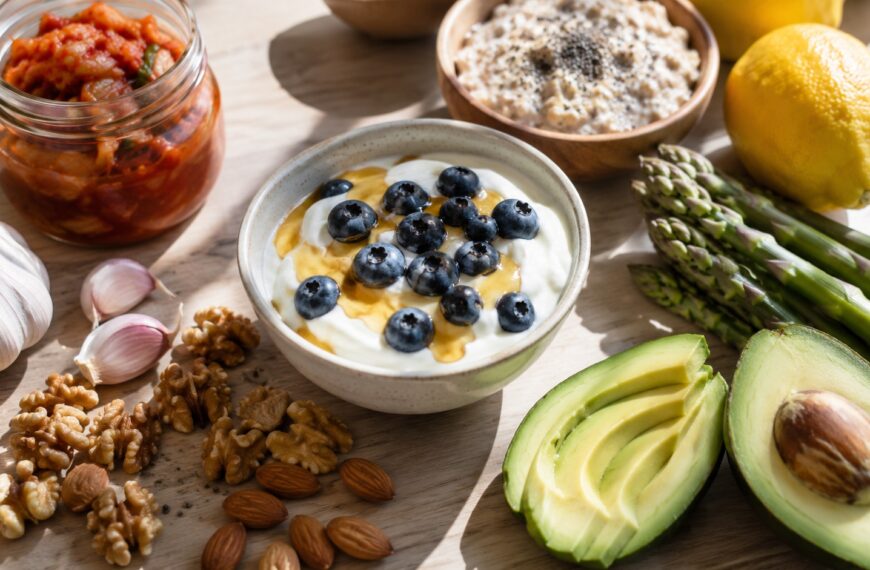
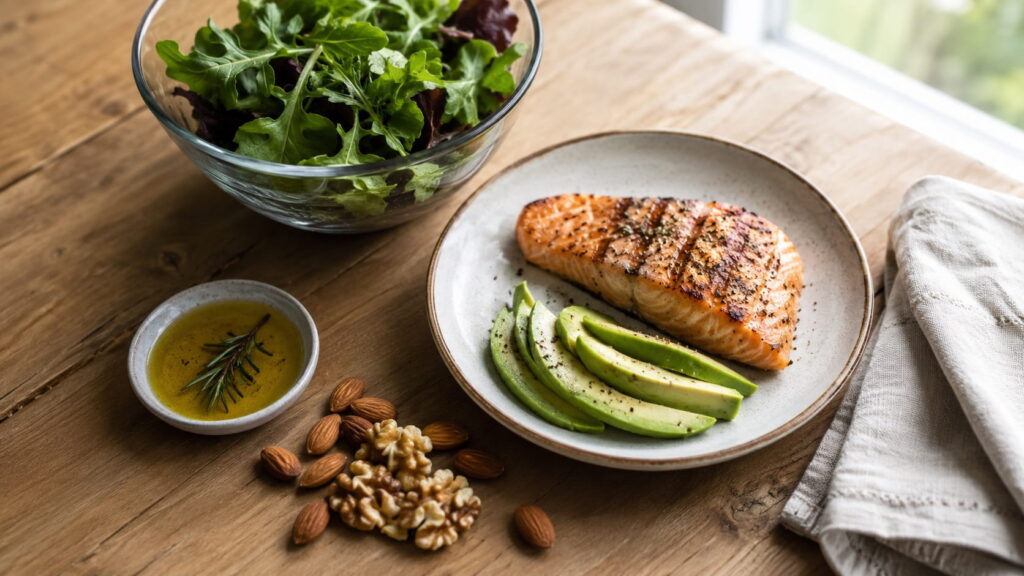
- Extra virgin olive oil: rich in monounsaturated fat and polyphenols, and one of the more consistently supported foods for a healthier lipid profile. Use it in place of butter where you can.
- Fatty fish: salmon, mackerel, sardines, and tuna provide omega-3 fatty acids, which are most strongly linked to lower triglycerides, with some modest benefit for HDL too. Aim for two to three servings a week.
- Nuts: almonds, walnuts, and pistachios offer healthy fats, fiber, and plant sterols. A small handful most days is plenty, since they’re calorie-dense.
- Avocados: rich in monounsaturated fat and soluble fiber, avocados have shown benefit in clinical studies when they replace saturated fat in the diet.
- Flaxseeds and chia seeds: add omega-3s and fiber. A tablespoon of ground flaxseed over oatmeal or yogurt is an easy way in.
Foods That Mainly Help by Lowering LDL
These matter just as much for your overall profile, even when their direct effect on HDL is modest:
- Oats and barley, rich in beta-glucan fiber
- Legumes: beans, lentils, and chickpeas
- Psyllium husk
- Vegetables and fruit, for fiber and antioxidants generally
A Note on Eggs
You’ll often see eggs recommended specifically to raise HDL. The picture is more individual than that: eggs are nutritious for most people, but they aren’t something you need to add specifically to change your HDL number. If you have high LDL or other cardiovascular risk factors, it’s worth discussing your overall dietary pattern, eggs included, with your doctor.
How to Increase HDL Cholesterol With Indian Food
You don’t need to abandon traditional cooking to eat in a heart-healthy way. Indian cuisine already has plenty of useful tools, once you know which ones to lean on.
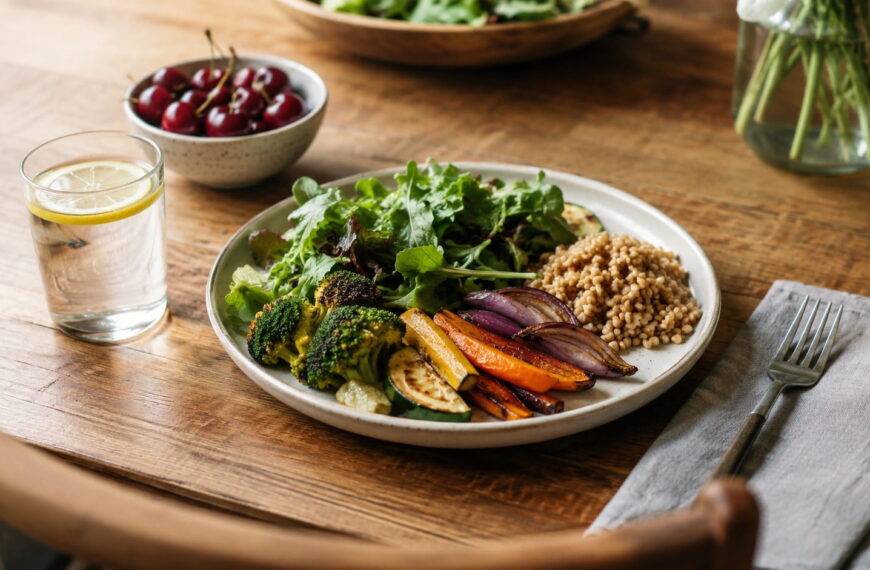
- Whole grains and millets: swap refined wheat and white rice for ragi, bajra, jowar, or brown rice. These bring more fiber and a lower glycemic load.
- Dals and legumes: moong, masoor, chana, and rajma are staples that deliver fiber and plant protein.
- Healthier oils, used in moderation: mustard oil, groundnut oil, and cold-pressed olive oil offer a better fatty acid balance than repeated deep frying in refined vegetable oil.
- Nuts and seeds: almonds, walnuts, and flaxseeds fit naturally into Indian snacking and can be added to parathas, chutneys, or eaten on their own.
- Spices: turmeric, garlic, fenugreek (methi), and ginger are already central to Indian cooking, and they’re a good way to add flavor without leaning on extra salt, butter, or ghee. It’s worth being modest about claims here though; spices support a healthier overall pattern more than they act as a direct “cholesterol treatment.”
- Vegetables: spinach, fenugreek leaves, okra, and gourds add fiber and antioxidants with very little saturated fat.
A Simple Indian Cholesterol-Friendly Day
Breakfast: vegetable oats or upma, with a spoon of ground flaxseed and a piece of fruit.
Lunch: two small whole-grain rotis, dal, mixed vegetables, and a side salad.
Snack: a small handful of walnuts or almonds.
Dinner: grilled or baked fish with vegetables and a small portion of brown rice, or for a vegetarian option, rajma or chana with vegetables and roti.
The main things to watch are fried snacks, ghee-heavy gravies, and excess refined carbohydrates like white rice and sweets, since these tend to raise LDL and work against a healthier HDL-to-LDL balance. You don’t need to eliminate them, just keep them occasional rather than a daily default.
How to Increase HDL Cholesterol Quickly
I want to be straightforward here, because a lot of articles overpromise on this point. There is no safe way to raise HDL overnight, and cholesterol levels reflect weeks and months of habits, not a single meal or workout.
Can You Increase HDL in One Month?
Possibly, but usually only modestly. Exercise, quitting smoking, improving your diet, and losing excess weight can begin shifting your lipid profile within weeks. Harvard Health’s advice on raising HDL points to the same core levers, more exercise, losing weight, and quitting smoking, as the most dependable options, while cautioning that even prescription attempts to raise HDL haven’t reliably lowered cardiovascular risk. There’s no way to predict a specific percentage increase within 30 days, and results vary quite a bit depending on your starting point.
If you’re retesting after a month of changes, it’s more useful to go in expecting gradual, steady movement across your whole lipid panel rather than a dramatic jump in HDL specifically. The people who see the best long-term results are the ones who treat this as a lasting shift, not a sprint before a blood test.
Supplements to Increase HDL Cholesterol
This is a section where it’s worth separating what raises the HDL number from what’s actually a good idea. Not every supplement that moves HDL is one I’d recommend.
- Niacin (vitamin B3) can raise HDL significantly at prescription-level doses, sometimes by 20 to 30 percent. But this isn’t something to self-dose. Clinical trials haven’t shown that niacin-driven HDL increases translate into fewer heart attacks or strokes, and high-dose niacin carries real risks, including liver strain and skin flushing. Only use it under medical supervision.
- Omega-3 fish oil is better thought of as a triglyceride-lowering supplement than a reliable way to raise HDL specifically. It has reasonable evidence for that purpose, and speaking with your doctor is worthwhile if you’re on blood thinners.
- Psyllium husk and plant sterols are primarily LDL-lowering tools. They’re low-risk and worth considering as part of your overall diet, but they’re not really “HDL boosters” in the way they’re sometimes marketed.
- Garlic extract has shown modest effects on total cholesterol and LDL in some studies, with less consistent evidence for HDL. It’s a low-risk addition, not a primary strategy.
The bigger point: a supplement to increase HDL cholesterol should support your diet and exercise habits, not replace them. Always check with your doctor before starting anything new, especially if you’re already on cholesterol medication, since interactions are more common than people expect.
How to Decrease LDL Cholesterol at the Same Time
Since HDL is only meaningful alongside the rest of your lipid profile, it’s worth tackling LDL directly too. The soluble-fiber foods already mentioned above, oats, legumes, and psyllium husk, are your biggest diet-side lever here, since fiber binds cholesterol in the digestive tract before it can be absorbed. Beyond that:
- Aim for roughly 25 to 35 grams of fiber a day if you can, spread across meals rather than in one sitting.
- Reduce saturated fat from red meat, full-fat dairy, and fried food.
- Eliminate trans fats, and get in the habit of checking labels for “partially hydrogenated oil.”
- Stay active and work toward a healthy weight.
- If lifestyle changes aren’t enough on their own, your doctor may recommend a statin or another cholesterol-lowering medication, particularly if you have existing cardiovascular risk factors.
What If My HDL Is Low But My LDL Is Normal?
Don’t panic, and don’t reach for a supplement as a first step. In this scenario, the focus is usually the same set of habits covered above: regular activity, a heart-healthy diet, a healthy weight, and avoiding tobacco, rather than a specific intervention aimed at the HDL number alone. Your doctor may also want to check your triglycerides and blood sugar, since both can influence how your HDL and LDL results should be read together.
Can HDL Be Too High, and How Do You Lower HDL Cholesterol?
Yes, occasionally. Very high HDL, often cited as above roughly 90 to 100 mg/dL (2.3 to 2.5 mmol/L), isn’t automatically protective. Some research has linked unusually high HDL to a higher cardiovascular risk in certain people, possibly related to how the HDL particles function rather than the number itself. If your HDL is unusually high, particularly if it changed unexpectedly, it’s worth asking your clinician whether further interpretation or testing is needed. As for how to lower HDL cholesterol, there’s no dietary strategy specifically designed to do that, and lowering it usually isn’t the goal, understanding the underlying cause is.
How to Increase HDL Cholesterol: What the NHS Recommends
If you’re in the UK, the guidance lines up closely with everything above. According to the NHS’s own cholesterol levels guidance, a healthy HDL level is above 1.0 mmol/L for men and above 1.2 mmol/L for women, and your GP uses this alongside your total and non-HDL cholesterol, plus factors like age and blood pressure, to estimate your overall cardiovascular risk. The NHS’s broader advice for supporting healthier cholesterol focuses on eating a healthier diet, staying active for at least 150 minutes a week, stopping smoking, keeping alcohol within recommended limits, and maintaining a healthy weight.
When Should You Talk to a Doctor About Low HDL?
It’s worth bringing this up with your doctor, especially if:
- Your HDL is low and your LDL is also high
- Your triglycerides are elevated
- You have diabetes or prediabetes
- You have high blood pressure
- You smoke or use nicotine products
- You have a family history of early heart disease
- You’ve previously had a heart attack, stroke, or other cardiovascular event
- Your cholesterol looks abnormal at a younger age than expected
How to Improve Your HDL Cholesterol Level: Putting It Together
You don’t need to overhaul everything on day one. Trying to change your exercise, diet, sleep, and drinking habits all at once tends to burn out fast. Pick two or three changes from this guide that feel doable this month, exercise and cutting trans fats is a common, realistic starting combination, and build from there once they’re routine.
A few practical things worth tracking as you go:
- Your full lipid panel, not just HDL. LDL, non-HDL cholesterol, and triglycerides tell a more complete story.
- Waist circumference, which often improves before body weight shows a big change, and it’s a decent proxy for the abdominal fat most closely linked to lipid problems.
- How you’re sleeping, roughly, since it’s easy to overlook as a factor.
On testing: if you’re on medication, your doctor will usually recheck your lipids around two to three months after a change, per standard clinical practice. If you’re making lifestyle changes only, ask your doctor what a reasonable follow-up interval looks like for your specific risk level, there’s no single rule that fits everyone.
Frequently Asked Questions
What is a normal HDL cholesterol range?
Generally, above 40 mg/dL (1.0 mmol/L) for men and above 50 mg/dL (1.3 mmol/L) for women is considered healthy, though HDL is always interpreted alongside your other cholesterol numbers rather than on its own.
Can I increase HDL cholesterol in one month?
Somewhat, in many cases. Exercise, dietary changes, and quitting smoking can begin shifting your lipid profile within weeks, though there’s no way to guarantee a specific increase in that timeframe.
What foods increase HDL cholesterol?
Olive oil, fatty fish, nuts, and avocados have the most consistent evidence, particularly when they replace saturated fat in your diet. No single food raises HDL dramatically on its own.
Do supplements really raise HDL cholesterol?
Prescription-strength niacin can raise HDL substantially but isn’t recommended outside medical supervision, since it hasn’t been shown to lower cardiovascular risk and carries side effects. Fish oil, psyllium, and plant sterols are more reliably linked to other lipid benefits, like lower triglycerides or LDL, than to HDL specifically.
Is low HDL cholesterol dangerous?
Low HDL is associated with a higher cardiovascular risk, but it’s best understood alongside your LDL, triglycerides, and other risk factors rather than as a standalone concern.
Does exercise really increase HDL?
Yes, regular moderate to vigorous aerobic activity is one of the more consistently supported ways to support healthier HDL levels, alongside broader cardiovascular benefits.
Does sleep affect HDL cholesterol?
Yes. Research shows a U-shaped pattern where both short sleep (under 6 hours) and long sleep (over 7 hours) are linked to lower HDL compared with sleeping 6 to 7 hours a night, likely tied to how poor sleep affects cortisol and insulin sensitivity.
Bottom Line
Raising HDL cholesterol isn’t really about chasing one number on a lab report. It’s about building habits, consistent movement, better fats, more fiber, less smoking and processed food, that improve your whole cardiovascular profile at the same time. The changes linked to healthier HDL are, in almost every case, the same changes that support lower LDL and triglycerides and better long-term heart health.
If you’d like personalized guidance based on your own lipid panel and health history, that’s exactly the kind of support we offer at NFH Clinic. Reach out through newfasthealth.com, and let’s build a plan that fits your life, not a generic checklist.
Sources
- Mayo Clinic: HDL Cholesterol, How to Boost Your Good Cholesterol
- Harvard Health: How Can I Raise My HDL Cholesterol?
- NHS: High Cholesterol, Cholesterol Levels
- PMC: Association Between Self-Reported Sleep Duration and Serum Lipid Profile
This article reflects current publicly available medical guidance at the time of writing and will be reviewed periodically as guidelines evolve.
Related Articles: