Are you experiencing extremely high triglycerides symptoms and you want to know how to lower triglycerides naturally? Okay, in this article you will learn about the top 25 foods to lower triglycerides.
Triglycerides are a type of fat present in the blood. But in the case of excess triglycerides, it gets stored in different body parts such as the belly, hip, and arms. Normal levels of triglycerides are less than 150 mg/dl.
Increased levels of triglycerides are linked to heart diseases, especially in patients who have high levels of bad cholesterol (Low-Density Lipoproteins or LDL) and low levels of good cholesterol (High-Density Lipoproteins or HDL). Include healthy foods to reduce triglycerides.
Also Read: How to Lower Triglycerides
The preferred amount of different fats and substances in our daily diet:
- Omega-6 fatty acids account for 5% to 10% of your daily caloric intake.
- Saturated fats should make up no more than 5% or 6% of your daily calorie intake. 2,000 calories a day.
- Trans fats should not be more than 1 percent of daily calories intake.
25 Foods to Lower Triglycerides
Here are the top 25 foods list to know how to reduce triglycerides.
1. Oats
Oats are rich in fibre. Fibre-rich food items take more time to digest, thus preventing a spike of blood sugar levels and causing less release of triglycerides, and forming an important part of the triglyceride diet.
2. Cauliflower
Cauliflower is rich in fibre and contains less carbs. Hence can be added to the diet liberally.
3. Blueberries
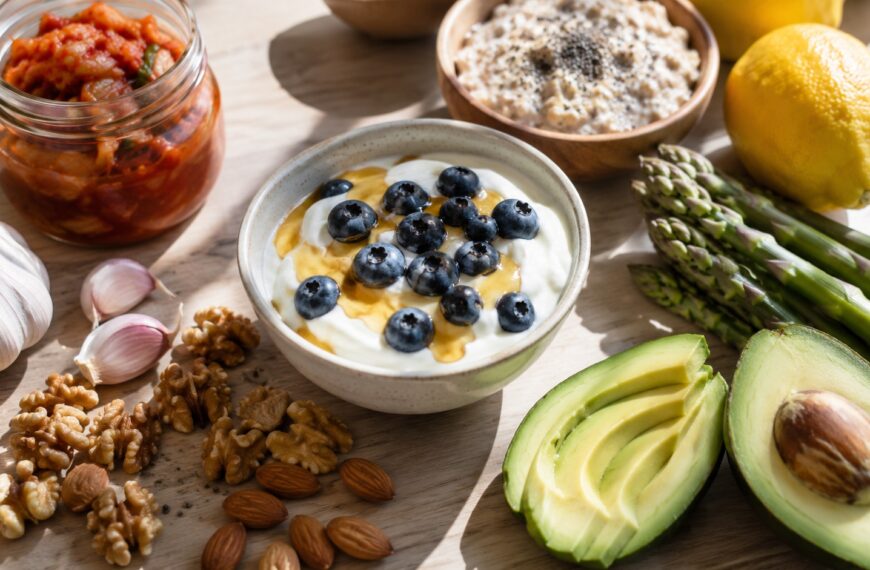
Blueberries contain less sugar, and more fibre and are full of antioxidants. You can use it as a topping for oatmeal, yoghurt, or make a smoothie.
4. Spinach
Spinach is a good source of vitamins and is also counted among the foods to reduce triglycerides. You can add it to stews, salads, and egg omelette preparation.
5. Bananas
Bananas can be a great substitute to satisfy your sugar cravings, and it also contains potassium – an important mineral. Eating bananas can also give you relief from gastric problem. It does not make gas in the stomach quickly.
6. Strawberries
Many people like strawberries because of its taste, but do you know that it has nutritional value and can even lower triglycerides?
7. Broccoli
Broccoli is yet another green vegetable that can lower triglyceride levels. You can have it by simply roasting it or adding it to soups.
8. Cabbage
It is included under cruciferous vegetables that reduce triglycerides and is rich in vitamin K. You can saute it with a few spices and enjoy the delicious and nutritious food.
9. Salmon
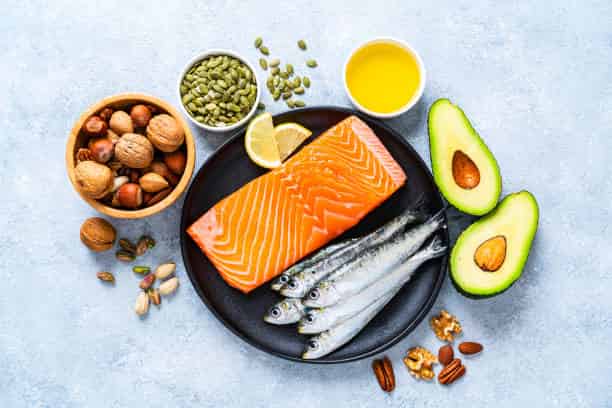
Salmon is fish rich in omega-3 fats. It helps manage triglycerides and is an excellent source of good protein.
10. Sardines
You might not like the taste of this fish, but you can spice it up with your favourite condiments. It is a good source of omega-3 fatty acids, calcium and protein.
11. Olive oil
Olive oil is a good source of healthy fat and antioxidants. You can add it to your salads or use it while cooking your veggies.
12. Beans and Legumes
Beans and legumes are great sources of protein and fibre. There are various options available for legumes so you won’t get bored having them regularly.
13. Avocado
Avocado is a good source of good fat and fibre. Both fibre and good fat help regularise blood sugar levels and triglycerides levels.
14. Brown rice
A high carbohydrate diet can increase triglyceride levels, but brown rice helps decrease triglyceride levels. The American Heart Association recommends adding brown rice to your diet to control triglycerides.
15. Citrus fruits
Citrus fruits contain flavonoids and soluble fibres that increase the good cholesterol (HDL) and decrease triglycerides and bad cholesterol (LDL)
16. Nuts
Nuts contain monounsaturated fats, fibre and omega-three fatty acids that manage triglyceride levels.
17. Green beans
Green beans, also known as string beans, contain less sodium and more fibres that keep your heart healthy and control your triglyceride levels. You can blanch it or sauté it with some spices.
18. Low-fat dairy products
Low-fat dairy products such as milk and yoghurt help in managing triglycerides.
19. Quinoa
Quinoa is a gluten-free grain with high nutritional value and decreased triglyceride levels.
20. Barley
Barley is a grain that reduces bad cholesterol and triglycerides. It is rich in fibre, manganese, molybdenum, and selenium as a whole grain.
21. Arugula
Arugula is a vegetable that is low in carbohydrates, fat and calories. It is a good source of fibre and vitamin A and decreases triglycerides by blocking fat deposition in the liver and preventing the transportation of fat in the bloodstream.
22. Kale
You can include Kale in stews, soups, or sauté it with spices.
23. Brussels sprouts
Brussels sprouts are versatile vegetables that you can roast with a little olive oil or boil.
24. Raspberries
The juicy raspberries are high in antioxidants and low in fat; thus can be included in your triglyceride diet.
25. Grass-fed beef
Grass-fed beef contains omega-fatty acids and lowers triglyceride levels.
This article above expounds all you need to know about the top 25 foods to lower triglycerides.
FAQs About 25 Foods to Lower Triglycerides
Here are some FAQs about “25 Foods to Lower Triglycerides”:
1. What are triglycerides?
- Answer: Triglycerides are a type of fat (lipid) found in your blood. High levels can increase the risk of heart disease, stroke, and other cardiovascular issues.
2. Why is it important to lower triglycerides?
- Answer: Lowering triglycerides can reduce the risk of heart disease, stroke, and other cardiovascular problems. High levels are often associated with obesity, type 2 diabetes, and metabolic syndrome.
3. Which foods are best for lowering triglycerides?
- Answer: Foods rich in omega-3 fatty acids, fiber, and healthy fats are excellent for lowering triglycerides. Examples include fatty fish, nuts, seeds, whole grains, fruits, and vegetables.
4. Can fatty fish help lower triglycerides?
- Answer: Yes, fatty fish like salmon, mackerel, and sardines are high in omega-3 fatty acids, which are known to lower triglyceride levels.
5. Are nuts and seeds effective in lowering triglycerides?
- Answer: Yes, nuts like almonds and walnuts, and seeds like chia and flaxseeds, are rich in healthy fats and fiber, which can help lower triglyceride levels.
6. How do fruits and vegetables help lower triglycerides?
- Answer: Fruits and vegetables are high in fiber, antioxidants, and essential nutrients, which can help lower triglycerides by improving overall heart health and reducing inflammation.
7. Should I avoid certain foods to lower triglycerides?
- Answer: Yes, avoiding sugary foods, refined carbs, and trans fats is essential, as these can increase triglyceride levels.
8. Is it necessary to eat whole grains to lower triglycerides?
- Answer: Whole grains like oats, barley, and brown rice are high in fiber, which can help reduce triglycerides by slowing down the absorption of fats and sugars in the body.
9. Can olive oil help reduce triglycerides?
- Answer: Yes, olive oil is a source of healthy monounsaturated fats, which can help lower triglyceride levels when used in place of unhealthy fats like butter or trans fats.
10. Is it important to maintain a balanced diet to manage triglycerides?
- Answer: Absolutely. A balanced diet that includes a variety of nutrient-rich foods, along with regular exercise, is key to managing triglyceride levels effectively.
11. Can drinking water lower triglycerides?
- Answer: Staying hydrated by drinking water helps maintain overall health and can support the body’s ability to metabolize fats, indirectly helping to manage triglyceride levels.
12. Are there specific cooking methods that help lower triglycerides?
- Answer: Yes, cooking methods like grilling, steaming, baking, and broiling are healthier options that help reduce fat intake, contributing to lower triglyceride levels.
13. Can I still eat dairy products if I want to lower my triglycerides?
- Answer: Yes, but choose low-fat or fat-free dairy options, as full-fat dairy products can be high in saturated fats, which may raise triglyceride levels.
14. Is there a connection between alcohol and triglycerides?
- Answer: Yes, alcohol can significantly increase triglyceride levels, so it’s advisable to limit or avoid alcohol consumption to manage triglycerides.
15. How often should I eat these foods to see a reduction in triglycerides?
- Answer: Incorporating these foods into your daily diet consistently is crucial for effectively lowering and maintaining healthy triglyceride levels.
16. Do lifestyle changes complement the effect of these foods on triglycerides?
- Answer: Absolutely. Regular physical activity, maintaining a healthy weight, and managing stress levels all complement the dietary changes in lowering triglycerides.
17. How long does it take to see results in triglyceride levels after changing my diet?
- Answer: Results can vary, but you may start to see improvements in triglyceride levels within a few weeks to a few months of consistent dietary changes.
18. Can supplements help lower triglycerides?
- Answer: Omega-3 supplements, niacin, and fiber supplements may help lower triglycerides, but it’s best to consult with a healthcare provider before starting any supplementation.
19. Is it necessary to consult a doctor before changing my diet to lower triglycerides?
- Answer: Yes, it’s always a good idea to consult a healthcare provider before making significant dietary changes, especially if you have existing health conditions.
20. Can weight loss lower triglycerides?
- Answer: Yes, losing even a small amount of weight (5-10% of your body weight) can help lower triglyceride levels significantly.
21. Does exercise affect triglycerides?
- Answer: Regular physical activity can lower triglyceride levels and improve overall heart health. Aim for at least 30 minutes of moderate exercise most days of the week.
22. Are there any foods that can raise triglycerides that I should avoid?
- Answer: Yes, avoid foods high in sugar, refined carbs, trans fats, and excessive alcohol, as they can raise triglyceride levels.
23. Is it possible to lower triglycerides without medication?
- Answer: Yes, many people can lower their triglyceride levels through dietary changes, regular exercise, and other lifestyle modifications without the need for medication.
24. What role do soluble fibers play in lowering triglycerides?
- Answer: Soluble fibers found in foods like oats, beans, and apples help lower triglycerides by binding to fats in the digestive system, preventing their absorption.
25. Can green tea help lower triglycerides?
- Answer: Green tea is rich in antioxidants, particularly catechins, which may help lower triglyceride levels and improve heart health.
These FAQs should provide a comprehensive understanding of how to manage and lower triglyceride levels through diet and lifestyle changes.
Share:
Related Articles: