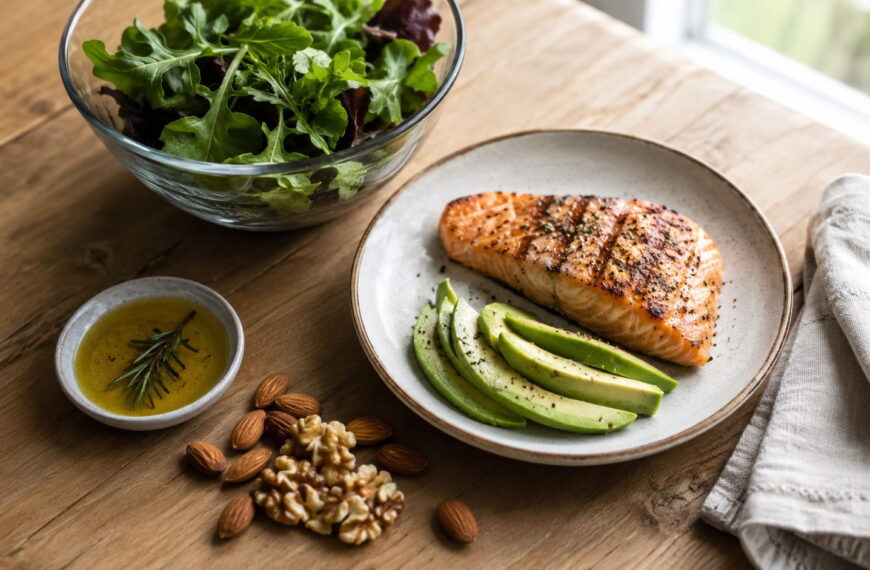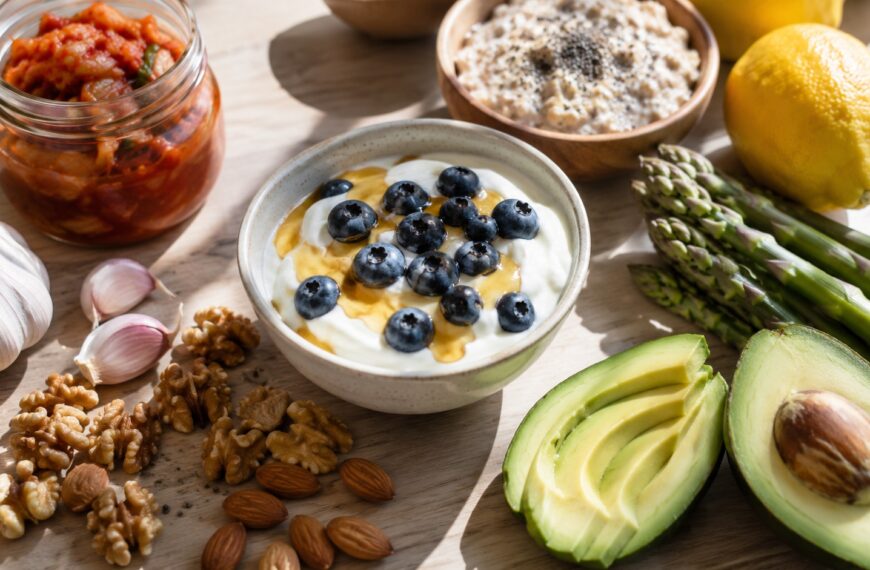
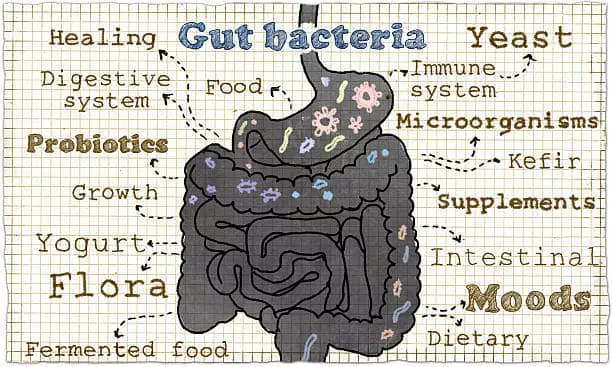
Your digestive system is home to trillions of microorganisms collectively known as the gut microbiome. These bacteria are not just passive residents — they influence digestion, immunity, metabolism, mood, inflammation, and even skin health.
When beneficial bacteria decline and harmful microbes overgrow, symptoms may appear: bloating, irregular bowel habits, fatigue, frequent infections, food sensitivities, and more. The good news? Many daily lifestyle choices can help restore balance naturally.
This guide explains how to increase good gut bacteria safely and effectively, what the science says, and how patients typically benefit.
Why Gut Bacteria Matter
A healthy gut microbiome helps:
- Break down fiber and produce short-chain fatty acids (SCFAs)
- Support immune defenses
- Regulate inflammation
- Aid vitamin synthesis (B vitamins, vitamin K)
- Protect the gut lining
- Communicate with the brain (gut-brain axis)
Imbalances (dysbiosis) have been associated with conditions such as IBS, IBD, metabolic disorders, allergies, mood disturbances, and autoimmune diseases.
10 Natural Ways to Increase Good Gut Bacteria
1. Stay Physically Active
Regular movement promotes microbial diversity, a key marker of gut resilience.
What research suggests:
Moderate exercise is linked to increased populations of beneficial bacteria and improved SCFA production.
Practical goal:
Aim for 150–300 minutes per week of moderate activity:
- Brisk walking
- Cycling
- Swimming
- Dancing
- Strength training
Patient example:
A 42-year-old patient with chronic constipation improved bowel regularity after adding 30-minute walks five times per week.
2. Manage Chronic Stress
Stress hormones alter gut motility, permeability, and bacterial balance.
Common stress-related gut symptoms:
- Stomach discomfort
- Bloating
- Diarrhea or constipation
- Appetite changes
Helpful strategies:
- Deep breathing
- Meditation
- Yoga
- Journaling
- Nature exposure
Clinical observation:
Patients who address stress often report reduced IBS flare-ups.
3. Prioritize Quality Sleep
Poor sleep disrupts circadian rhythms that regulate digestion and microbiota.
Recommended sleep duration:
7–9 hours for most adults.
Improve sleep quality by:
- Keeping a consistent bedtime
- Reducing late caffeine
- Limiting screen exposure at night
- Creating a dark, cool bedroom
Evidence insight:
Sleep deprivation is associated with increased inflammation and microbiome disruption.
4. Reduce Excess Sugar and Ultra-Processed Foods
High sugar intake can promote growth of less favorable bacteria and yeast.
Watch for hidden sugars in:
- Sweetened beverages
- Flavored yogurts
- Sauces and condiments
- Packaged snacks
Better swaps:
- Whole fruits
- Unsweetened foods
- Water or herbal teas
5. Eat Polyphenol-Rich Foods
Polyphenols are plant compounds that act as prebiotic-like fuel for beneficial microbes.
Good sources include:
- Berries
- Green and black tea
- Dark chocolate (high cocoa)
- Beans
- Nuts
- Olive oil
- Colorful vegetables
What studies show:
Polyphenols may support Bifidobacterium and Lactobacillus species.
6. Increase Dietary Fiber (Especially Prebiotic Fiber)
Fiber is the primary fuel for beneficial gut bacteria.
Key benefits of fiber fermentation:
- Production of SCFAs (butyrate, acetate, propionate)
- Support for gut lining integrity
- Improved insulin sensitivity
- Reduced inflammation
- Legumes (lentils, beans)
- Chia seeds
- Flaxseeds
- Oats
- Bananas
- Psyllium husk
- Vegetables
Important tip:
Increase fiber gradually to reduce gas and bloating.
Patient example:
A patient with IBS-C tolerated fiber better after slow introduction over 3 weeks.
7. Add Fermented Foods
Fermented foods introduce beneficial live microorganisms.
Examples:
- Yogurt (unsweetened)
- Kefir
- Sauerkraut
- Kimchi
- Miso
- Tempeh
Evidence note:
Regular fermented food intake is associated with improved microbial diversity and reduced inflammatory markers.
8. Consider a Clinically Validated Probiotic
Not all probiotics are equal.
What to look for:
- Specific strains with evidence
- Appropriate CFU count (often 1–50 billion depending on need)
- Quality testing / third-party verification
Important clarification:
More CFUs ≠ better results. Strain specificity matters.
Consultation advised:
Patients with IBS, SIBO, immune disorders, or chronic illness should seek guidance before starting probiotics.
9. Eat More Plant Diversity
Microbiome diversity reflects diet diversity.
Aim for:
30+ different plant foods per week if possible.
Includes:
- Vegetables
- Fruits
- Legumes
- Whole grains
- Nuts & seeds
- Herbs & spices
Why cruciferous vegetables help:
- Broccoli
- Cabbage
- Cauliflower
Contain glucosinolates that beneficial bacteria metabolize into protective compounds.
10. Vary Your Diet Regularly
Eating the same foods limits microbial exposure.
Simple strategies:
- Rotate vegetables weekly
- Try new grains (millet, quinoa)
- Include seasonal produce
Frequently Asked Questions
How do I know if my gut bacteria are imbalanced?
Possible signs:
- Persistent bloating
- Gas
- Constipation or diarrhea
- Food intolerances
- Fatigue
- Recurrent infections
Important: Symptoms are not diagnostic. Clinical evaluation may be needed.
Can I “kill bad bacteria” naturally?
The goal is balance, not eradication.
Extreme attempts to kill bacteria (unnecessary antibiotics, harsh cleanses) may worsen dysbiosis.
Better approach:
- Nourish beneficial microbes
- Reduce triggers (ultra-processed foods, excess sugar)
- Address underlying causes
Does fasting improve gut health?
Some studies suggest intermittent fasting may influence microbiome composition and metabolic markers.
However:
- Not suitable for everyone
- Evidence is still evolving
- Should be individualized
What does gut inflammation feel like?
May include:
- Abdominal pain
- Diarrhea
- Fatigue
- Blood in stool
- Weight loss
Seek medical care immediately if these symptoms occur.
Do herbs help gut bacteria?
Some herbs show potential supportive roles, but they are not replacements for medical treatment.
Examples often discussed:
- Aloe vera
- Licorice (deglycyrrhizinated/DGL)
- Marshmallow root
Safety note: Herbs may interact with medications.
What are the best foods for gut health?
Prebiotic foods (feed bacteria):
- Onions
- Garlic
- Leeks
- Bananas
- Oats
- Legumes
Probiotic foods (contain bacteria):
- Yogurt
- Kefir
- Fermented vegetables
Patient-Centered Outcomes We Often See
At NFH Clinic, patients who adopt gut-supportive habits commonly report:
- Improved digestion
- Better bowel regularity
- Reduced bloating
- Increased energy
- Fewer IBS flare-ups
- Enhanced overall wellbeing
Results vary depending on underlying conditions, consistency, and individual biology.
Key Clinical Considerations
Seek professional guidance if you have:
- Persistent digestive symptoms
- IBS / IBD
- Suspected SIBO
- Autoimmune disease
- Recent antibiotic use
- Unexplained weight loss
Gut health strategies should be personalized.
Bottom Line
Increasing good gut bacteria naturally involves consistent lifestyle patterns:
- Eat fiber-rich, diverse plant foods
- Include fermented foods
- Exercise regularly
- Sleep well
- Manage stress
- Use probiotics thoughtfully
Small, sustainable changes produce the best long-term outcomes.
Need Personalized Gut Health Support?
NFH Clinic offers individualized assessments and evidence-based digestive health plans.
Contact us to schedule a consultation.
Related Articles: