If your stomach has felt “off” lately, bloated after meals, tired for no clear reason, or just not quite right, you’re not imagining it. At NFH Clinic, gut health is one of the top concerns patients bring to us. It makes sense, since your gut isn’t just about digestion. It’s connected to your immune system, your energy levels, and even your mood.
The good news is you don’t need an expensive cleanse or a cabinet full of supplements to improve gut health and digestion naturally. In most cases, it comes down to a handful of daily habits you can start at home today. Below, I’ll walk you through how to improve gut health naturally, from what to eat to how to increase good bacteria in your gut, plus how the approach shifts slightly for women and for men.
Quick answer: The most well-supported ways to support gut health naturally are eating a varied, fiber-rich diet, including fermented foods if you tolerate them, staying hydrated, exercising regularly, sleeping enough, managing stress, and limiting heavily processed foods and excess alcohol. There’s no single food or supplement that fixes gut health on its own.
Quick Facts: Gut Health at a Glance
| Recommended daily fiber | 22–34 g for most adults |
| Gut microbiome | Trillions of bacteria, yeasts, and viruses in your digestive tract |
| Best fermented foods | Yogurt, kefir, kimchi, sauerkraut (unsweetened) |
| Top prebiotic foods | Garlic, onions, oats, bananas, asparagus |
| Foods to limit | Ultra-processed snacks, excess alcohol, fried foods, added sugar |
| Time to notice symptom changes | Days to a few weeks, varies by person |
| Time for deeper microbiome shifts | Weeks to months, no fixed timeline |
| When to see a doctor | Blood in stool, unexplained weight loss, persistent severe symptoms |
Key Takeaways
- Gut health depends more on consistent daily habits than any single “superfood” or supplement.
- Fiber, from a variety of sources, is the single most well-supported dietary lever for gut health.
- Fermented and prebiotic foods support your microbiome, but they work best alongside fiber, not instead of it.
- Not every symptom (bloating, fatigue, skin issues) means your gut is unhealthy. Persistent or severe symptoms need medical evaluation, not just diet changes.
- Sleep, stress management, and movement matter as much as food for gut health.
- Detoxes and cleanses aren’t necessary. Your liver, kidneys, and gut already do this job.
- There’s no universal timeline for “healing” your gut. Some symptoms ease within weeks; deeper changes take longer.
In this article:
- What Is Gut Health, and How Is It Different From Digestion?
- 10 Signs of an Unhealthy Gut (and What They Might Mean)
- How to Improve Gut Health and Digestion Naturally: The Core Habits
- Can Medications Affect Gut Health?
- What to Eat to Improve Gut Health: Top 10 Foods
- The 7 Worst Foods for Gut Health
- What If Healthy Foods Make You Bloated?
- Supplements to Improve Gut Health
- How to Improve Gut Health Naturally for Women
- How to Improve Gut Health Naturally for Men
- Eating Well: A 7-Day Meal Plan for a Healthy Gut
- How to Restore Gut Health After Antibiotics
- How to Clean Your Gut Naturally
- Gut Health Mistakes Worth Avoiding
- How Long Does It Take to Improve Gut Health?
- Signs Your Gut Health Habits Are Working
- When to See a Doctor
- Frequently Asked Questions
- Bottom Line: How to Heal Your Gut Naturally
What Is Gut Health, and How Is It Different From Digestion?
Your digestive tract is home to trillions of microorganisms, collectively known as your gut microbiome. This includes bacteria, yeasts, and viruses that help break down food, support your immune system, and interact with the rest of your body.
Digestion refers specifically to breaking food down and absorbing nutrients. Gut health is the broader picture: how well your digestive tract functions, how balanced your microbiome is, and how your gut communicates with the rest of your body. The two overlap a lot, but they’re not identical. Improving digestion (through chewing, hydration, and movement) is one part of supporting overall gut health.
10 Signs of an Unhealthy Gut (and What They Might Mean)
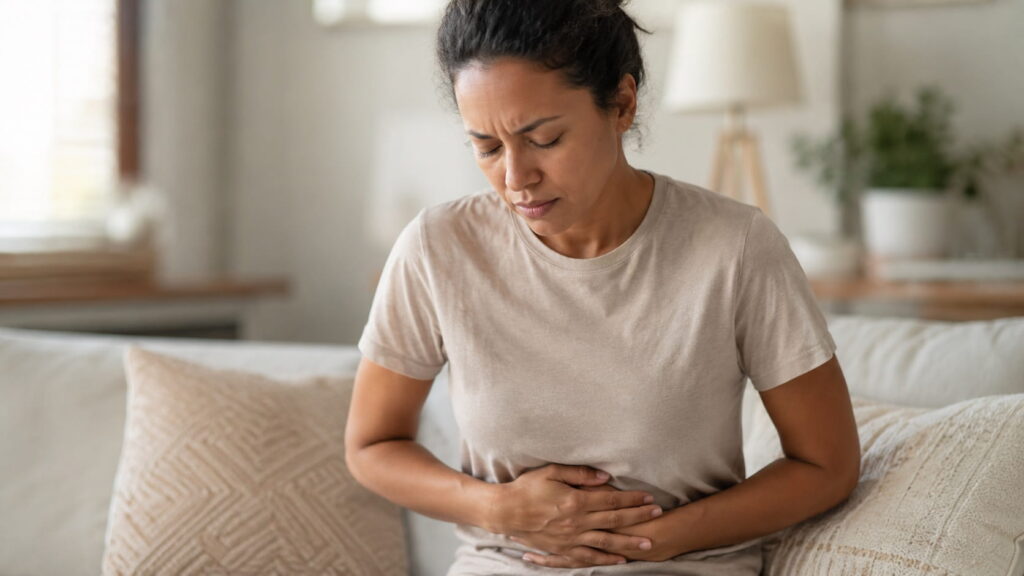
It helps to know what an imbalanced gut can look like. Here are common symptoms people report:
- Bloating and excess gas after meals
- Irregular bowel movements, whether that’s constipation or diarrhea
- Ongoing fatigue
- New food sensitivities or intolerances
- Frequent sugar cravings
- Skin issues like acne, eczema, or rosacea
- Trouble concentrating or brain fog
- Mood changes, including anxiety or low mood
- Frequent heartburn or acid reflux
- Unexplained weight changes
A word of caution here: these symptoms don’t diagnose an unhealthy gut or microbiome imbalance on their own. They have many possible causes, some digestive and some not, including thyroid issues, anemia, medications, and stress. If any of these are persistent or bothering you, it’s worth getting checked out rather than guessing.
How to Improve Gut Health and Digestion Naturally: The Core Habits
Feed Your Gut: How to Increase Good Bacteria Naturally
Eat a wide variety of whole foods
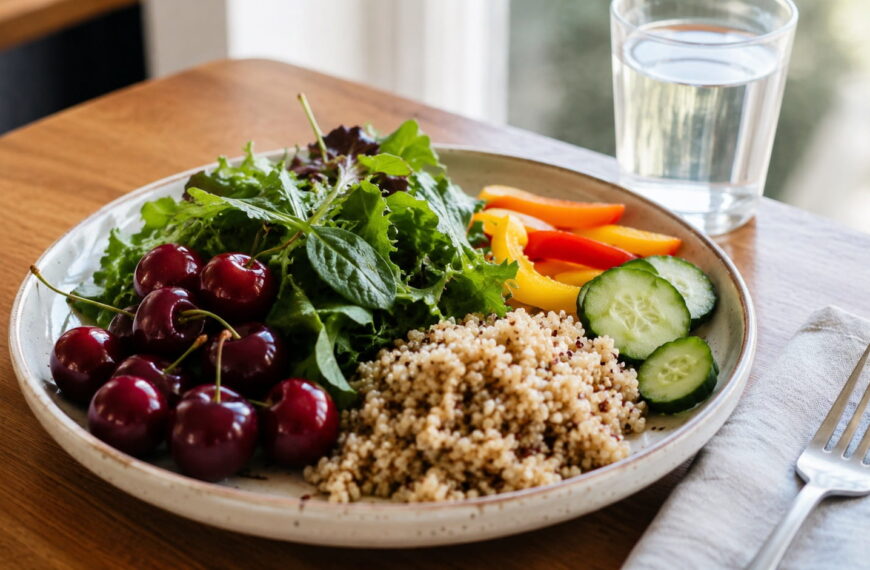
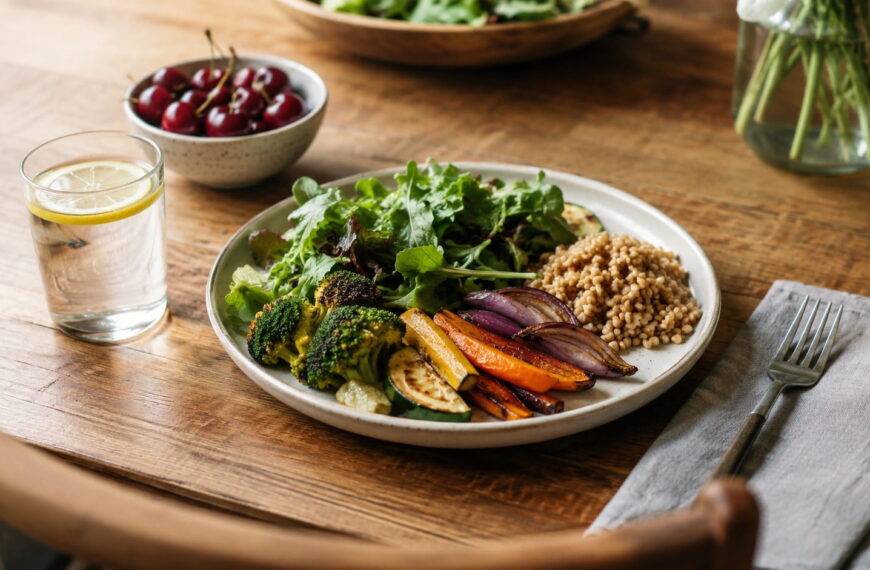
Different bacteria in your gut feed on different nutrients, so a varied diet tends to support a more diverse microbiome. Rotate through fruits, vegetables, whole grains, legumes, nuts, and seeds rather than eating the same handful of foods every week.
Get enough fiber, and pay attention to type
Most adults fall short of the recommended 22 to 34 grams of fiber a day. But it’s not just about quantity. Soluble fiber (found in oats, beans, chia, flax, and fruit) dissolves in water and tends to be gentler on sensitive digestive systems. Insoluble fiber (found in whole grains and vegetable skins) adds bulk and helps keep things moving. If you’re prone to bloating or IBS-type symptoms, soluble fiber is often better tolerated, so increase it gradually rather than all at once.
Include prebiotic foods
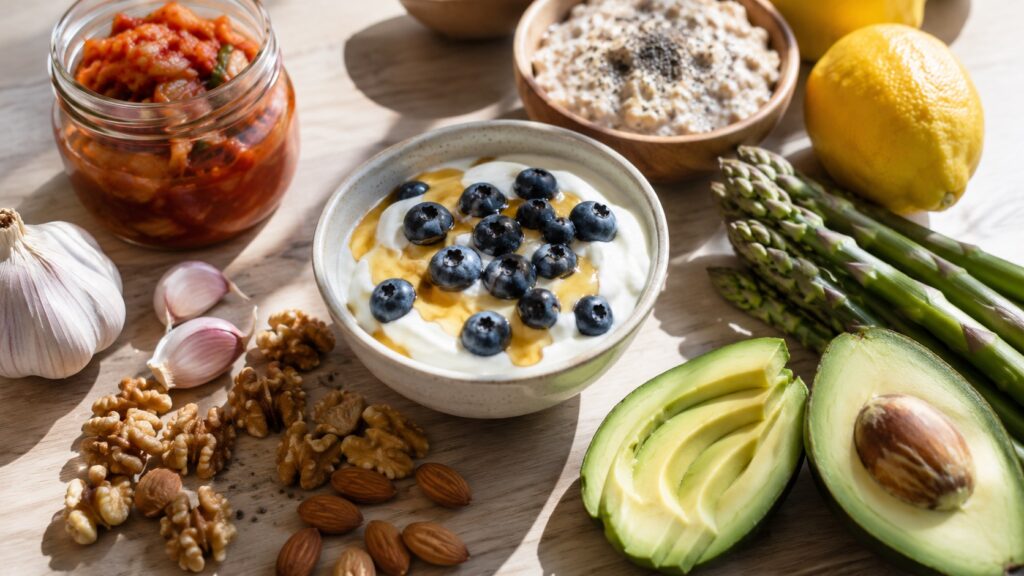
Prebiotics are the specific fibers that feed beneficial bacteria. Onions, garlic, asparagus, oats, bananas, and chicory root are good natural sources.
Don’t forget resistant starch
This is a type of starch that resists digestion in the small intestine and gets fermented by bacteria in the colon instead, which is genuinely good for them. You’ll find it in cooked-and-cooled potatoes, cooled rice, green bananas, oats, and legumes. Cooling these foods after cooking actually increases the resistant starch content, which is a simple, practical trick worth knowing.
Eat fermented foods if you tolerate them
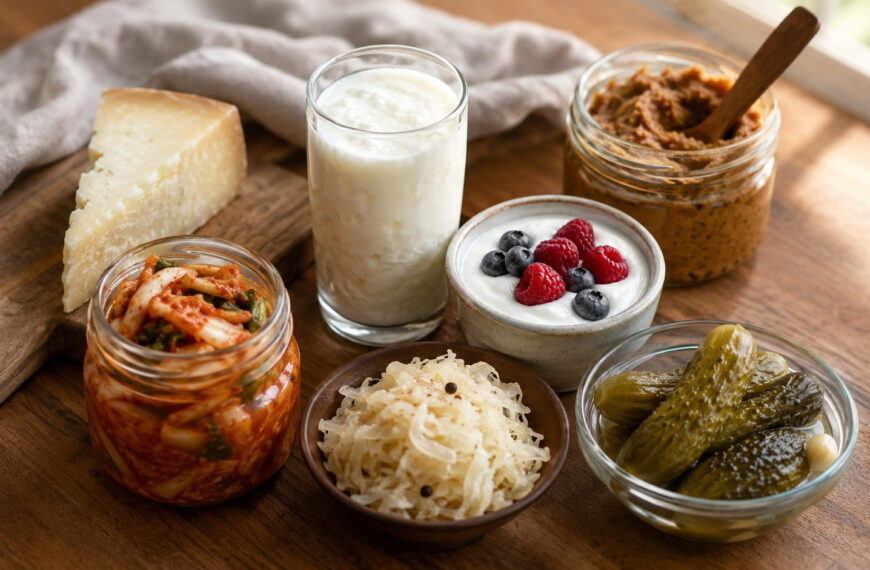
Yogurt, kefir, kimchi, and sauerkraut may contain live microorganisms. It’s worth knowing that not every fermented food automatically counts as a “probiotic” in the clinical sense, since that term technically refers to specific strains shown to provide a health benefit.
Fermentation also produces postbiotics, byproducts left behind after bacteria break down food, which early research suggests may support gut balance even without live organisms being present. Still, unsweetened fermented foods are a reasonable, low-risk addition for most people.
Ginger is also worth keeping in the rotation, since it’s traditionally used to ease bloating and support digestion, though it can cause mild reflux in some people if eaten in large amounts.
Add polyphenol-rich foods
Blueberries, green tea, dark chocolate (70% cocoa or higher), red grapes, and almonds are rich in plant compounds that your gut bacteria can break down, and they also support your gut lining.
Include healthy fats
Avocado, nuts, seeds, olive oil, and fatty fish support nutrient absorption. Very large, high-fat meals can worsen symptoms for some people, so portion matters more than avoidance.
How to Improve Digestion Naturally at Home
Eat slowly and chew thoroughly. Digestion starts in your mouth. Eating slowly gives your body time to register fullness and reduces the chance of swallowing air, which contributes to bloating.
Stay hydrated. Water helps move fiber through your digestive tract and supports the mucus layer that protects your gut lining. Dehydration is a quiet but common cause of constipation. As a general guide, that’s roughly 11 cups (about 2.7 liters) of total fluid a day for women and 15 cups (about 3.7 liters) for men, counting water, other drinks, and water-rich foods, though your own needs will shift with activity level, climate, and body size.
Move your body regularly. Exercise is linked to a more diverse gut microbiome, independent of diet. Even 30 minutes of moderate movement most days, walking counts, makes a difference.
Don’t ignore constipation. Persistent constipation changes the makeup of your gut bacteria over time. If dietary changes alone aren’t helping after a couple of weeks, it’s worth discussing with a healthcare provider rather than pushing through it.
Protect Your Gut Microbiome
Limit ultra-processed foods and excess alcohol. Neither needs to be eliminated completely, but cutting back gradually tends to show results within a few weeks.
Use antibiotics only when needed, and never stop a prescribed course early. Unnecessary antibiotic use can affect your gut bacteria for months. That said, if a doctor prescribes antibiotics, take the full course as directed. Don’t skip or stop doses out of concern for your microbiome, since an incomplete course carries its own risks.
Don’t smoke. Smoking is linked to several digestive conditions and is worth addressing as part of any gut health plan.
Support Your Gut-Brain Connection
Manage stress. Your gut and brain communicate constantly through what’s called the gut-brain axis, and chronic stress measurably affects gut bacteria. Ten minutes of daily breathing exercises, a short walk, or journaling can help.
Prioritize consistent sleep. Aim for seven to nine hours a night with a fairly regular sleep and wake schedule. Poor sleep is linked to the same kind of microbial imbalance that chronic stress causes.
Can Medications Affect Gut Health?
Antibiotics aren’t the only medications that can affect your digestive system. Opioids, metformin, NSAIDs (like ibuprofen), and acid-reducing medications can all influence bowel movements, gut motility, or stomach acid. This doesn’t mean you should stop taking a prescribed medication. If you suspect a medication is contributing to your symptoms, bring it up with the clinician who prescribed it rather than adjusting the dose yourself.
What to Eat to Improve Gut Health: Top 10 Foods
- Yogurt or kefir with live cultures
- Oats
- Beans and lentils
- Berries
- Leafy greens
- Nuts and seeds
- Garlic and onions
- Whole grains like quinoa and brown rice
- Fermented vegetables such as kimchi or sauerkraut
- Cooked mushrooms
No single food fixes gut health on its own. Variety over time matters more than eating one “superfood” every day.
The 7 Worst Foods for Gut Health
Rather than a list of foods to fear, think of this as eating patterns that tend to work against gut health when they make up a large share of your diet:
- Ultra-processed foods eaten frequently, since they’re typically low in fiber
- Processed meats, when eaten in excess
- Excess alcohol, which can damage the gut lining over time
- Very high added-sugar intake
- Large amounts of heavily fried food
- Refined grains replacing fiber-rich whole grains
- Foods that personally trigger your symptoms, even if they’re considered “healthy” in general
That last point matters more than people realize. A food doesn’t have to be objectively unhealthy to cause you problems. If something consistently bothers you, that’s worth paying attention to over any general list.
What If Healthy Foods Make You Bloated?
This trips a lot of people up. You start eating more beans, onions, garlic, and broccoli because you’ve read they’re good for gut health, and suddenly you’re more bloated than before.
This is often related to FODMAPs, a group of fermentable carbohydrates found in many otherwise healthy foods. Some people, particularly those with IBS, don’t tolerate them well in large amounts. This doesn’t mean those foods are bad for you. It means your gut may be more sensitive to certain fibers than someone else’s.
If this sounds familiar:
- Increase fiber gradually rather than all at once
- Drink enough fluids alongside it
- Try cooked vegetables instead of large raw portions
- Lean toward soluble fiber sources like oats
- Keep a simple food and symptom diary to spot patterns
- If bloating persists despite these adjustments, talk to a healthcare provider about IBS or food intolerance testing rather than continuing to guess
A short-term, structured low-FODMAP approach can help identify specific triggers, but it’s meant to be temporary: restrict, reintroduce systematically, and return to as broad a diet as you can tolerate. It’s not meant to become a permanent restrictive diet.
Supplements to Improve Gut Health
Food-based sources of fiber, prebiotics, and probiotics are generally the better starting point. But supplements can help in specific situations.
| Supplement | May help with | Worth knowing |
|---|---|---|
| Psyllium husk | Constipation, stool regularity | Well-supported fiber source |
| Probiotics | Certain digestive conditions | Benefits are strain-specific, not just about CFU count |
| Prebiotic fiber | Feeding beneficial bacteria | Increase gradually to avoid bloating |
| Magnesium | Constipation, for some people | Not appropriate for everyone; check with a provider |
| Digestive enzymes | Specific deficiencies | Not routinely needed for otherwise healthy digestion |
One important point: don’t choose a probiotic just because the label says “50 billion CFU.” A higher count doesn’t automatically mean a better product. What matters more is whether the specific strain has evidence behind it for the symptom you’re trying to address, which is a conversation worth having with a pharmacist or doctor rather than guessing from packaging.
How to Improve Gut Health Naturally for Women
There’s no separate “female gut diet.” The fundamentals, fiber, dietary variety, hydration, movement, and sleep, apply to everyone. That said, a few life stages are worth factoring in:
- Menstruation: Iron-rich foods paired with vitamin C can help offset losses, especially with heavier periods
- Pregnancy: Fiber and hydration needs increase, and constipation is common; talk to your provider before adding any new supplement
- Menopause: Calcium and vitamin D needs go up, and changes in hormones can affect bowel regularity for some women
How to Improve Gut Health Naturally for Men
Again, the basics don’t change by gender. A few things worth emphasizing:
- Fiber intake, since average intake tends to fall short of recommendations
- Alcohol moderation, given typically higher average consumption
- Reducing processed meat and increasing vegetables
- Regular exercise and consistent sleep, particularly for shift workers or high-stress jobs
Eating Well: A 7-Day Meal Plan for a Healthy Gut
Here’s a practical week you can adapt. Portions and specific foods can flex based on what’s available to you.
| Day | Breakfast | Lunch | Dinner | Snack |
|---|---|---|---|---|
| Monday | Oats with berries and chia seeds | Bean and vegetable bowl | Grilled fish, greens, brown rice | Plain yogurt |
| Tuesday | Yogurt with oats and fruit | Lentil soup, whole-grain bread | Chicken, sweet potato, steamed greens | Apple and a handful of nuts |
| Wednesday | Eggs, whole-grain toast, avocado | Chickpea salad with olive oil | Fish, roasted vegetables, quinoa | Kefir |
| Thursday | Overnight oats with flaxseed | Leftover bean bowl or grain salad | Stir-fried vegetables, tofu or chicken, brown rice | Berries |
| Friday | Smoothie with banana, spinach, yogurt | Whole-grain wrap with vegetables and hummus | Lentil curry with vegetables | Handful of almonds |
| Saturday | Greek yogurt with fruit and seeds | Grain bowl with mixed vegetables and beans | Grilled fish or plant protein, sauerkraut on the side, sweet potato | Dark chocolate square |
| Sunday | Oats or eggs, whatever’s easiest | Big vegetable and legume salad | Simple soup with vegetables and beans | Fresh fruit |
You don’t need expensive or imported ingredients to eat this way. Beans, lentils, oats, seasonal vegetables and fruit, plain yogurt, and whole grains cover most of what your gut bacteria need, and they’re budget-friendly staples in most households.
How to Restore Gut Health After Antibiotics
If you’ve recently finished antibiotics, a few things can support recovery:
- Continue eating fiber-rich and fermented foods, increasing gradually if your gut feels sensitive
- Ask your doctor or pharmacist whether a specific probiotic strain is appropriate during or after your course, since evidence for reducing antibiotic-related digestive upset is strain-specific rather than true of probiotics as a whole category
- Stay consistent with sleep and hydration
- Give it time. There’s no fixed timeline for microbial recovery, and it varies from person to person
How to Clean Your Gut Naturally
Your digestive system doesn’t need a detox tea, juice cleanse, or “gut reset” program to function properly. Your liver, kidneys, and digestive tract already handle this on an ongoing basis through normal bowel movements.
What actually supports your gut, without gimmicks:
- More prebiotic and fermented foods
- Cutting back on ultra-processed foods for a week or two
- Drinking enough water
- Giving your digestive system a break between meals instead of grazing constantly
Skip laxative detox teas, prolonged juice cleanses, colon cleansing products, and extreme fasting protocols. They’re not necessary, and some can do more harm than good.
Gut Health Mistakes Worth Avoiding
- Increasing fiber too fast. Go gradually and drink enough water alongside it.
- Buying a random high-CFU probiotic. Strain-specific evidence matters more than the number on the label.
- Cutting out gluten without a reason. Unless you have celiac disease or a diagnosed sensitivity, this isn’t necessary and can limit useful fiber sources.
- Doing a detox or cleanse. Your body already does this.
- Assuming every symptom means an “unhealthy gut.” Persistent symptoms deserve a proper evaluation, not just dietary guesswork.
- Eliminating a “healthy” food that happens to trigger you, without figuring out why first.
- Expecting overnight results. Meaningful change takes weeks, not days.
You also don’t need perfection. You don’t have to eat 30 different plants a day, include fermented food at every meal, or avoid all sugar. Consistent, moderate habits do more than an all-or-nothing approach.
How Long Does It Take to Improve Gut Health?
There’s no single timeline that applies to everyone. Some digestive symptoms, like bloating or irregularity, can improve within days or a couple of weeks after a helpful change. Deeper shifts in your microbiome composition and long-term dietary patterns tend to take longer, and the exact timeline depends on your starting point, any underlying conditions, medications, and how consistent you are.
Signs Your Gut Health Habits Are Working
Look for practical, measurable signs rather than vague feelings:
- More regular, comfortable bowel movements
- Less bloating after meals
- Fewer symptoms triggered by specific foods
- Better tolerance of a wider range of foods over time
- More stable energy through the day
When to See a Doctor
Most day-to-day digestive discomfort responds well to the habits above. But some symptoms need medical attention rather than dietary adjustments. See a doctor if you experience:
- Blood in your stool or black, tarry stools
- Unexplained weight loss
- Persistent vomiting
- Severe or worsening abdominal pain
- Difficulty swallowing
- Diarrhea or constipation that doesn’t improve after a couple of weeks of reasonable changes
- Fever along with significant abdominal symptoms
- Unexplained fatigue or signs of anemia
- New, persistent changes in bowel habits, particularly if you’re over 50
These symptoms can have simple explanations, but they can also point to something that needs proper evaluation, so don’t wait too long to get checked.
Frequently Asked Questions
Is gut health the same as digestion?
Not exactly. Digestion is the process of breaking down food and absorbing nutrients, while gut health is the broader picture that includes your microbiome balance and how your gut interacts with the rest of your body.
What is leaky gut?
“Leaky gut” refers to increased intestinal permeability, where the lining of your gut becomes less effective as a barrier and may allow substances to pass through more easily than they should. It isn’t currently recognized as a standalone medical diagnosis, but it’s a term researchers use when studying how gut barrier function relates to digestive and inflammatory conditions. If you’ve been told you have “leaky gut” or suspect it, it’s worth discussing with a doctor rather than self-treating, since the underlying cause can vary.
What foods increase good bacteria naturally?
Fiber-rich foods, prebiotic foods like garlic and onions, resistant starch sources like cooled rice and green bananas, and fermented foods like yogurt and kimchi are the main categories to focus on. See the “Feed your microbiome” section above for the full breakdown.
Are postbiotics the same as probiotics?
No. Probiotics are live microorganisms, while postbiotics are the beneficial byproducts left behind after bacteria ferment food, such as short-chain fatty acids. You don’t need to buy a separate postbiotic supplement. Eating fermented foods regularly naturally provides some exposure to them.
Can gut health affect my skin?
There’s a recognized connection between gut inflammation and skin conditions like acne, eczema, and rosacea, often called the gut-skin axis. That said, skin issues have many possible causes, so improving your diet is a reasonable first step, but persistent skin problems are still worth evaluating with a dermatologist.
Can gut health affect my weight?
It can play a role. An imbalanced microbiome may affect how your body regulates blood sugar, stores fat, and signals fullness. That said, gut health is one piece of a much bigger picture that includes overall diet, activity, sleep, and genetics, so it isn’t a standalone explanation for weight changes.
Is apple cider vinegar good for gut health?
The evidence for apple cider vinegar directly improving gut health is limited, despite its popularity in wellness content. It isn’t harmful in small, diluted amounts for most people, but it isn’t a substitute for the fiber, fermented food, and lifestyle habits that have stronger evidence behind them.
Do I need a probiotic supplement?
Not necessarily. Food sources are usually the better starting point. See the “Supplements to Improve Gut Health” section above for how to think about probiotic strains and CFU counts.
Bottom Line: How to Heal Your Gut Naturally
“Healing your gut” is a popular way to describe this whole process, and while it isn’t a single defined medical treatment, it’s a fair way to think about what you’re doing here: supporting your body’s own ability to digest well, regulate inflammation, and keep your microbiome in balance.
In practice, that comes down to a handful of consistent habits: eating a varied, fiber-rich diet, including fermented foods if you tolerate them, staying hydrated, moving regularly, sleeping enough, and managing stress. None of this requires perfection or expensive products.
If you’ve tried the basics and you’re still dealing with persistent bloating, fatigue, or digestive discomfort, it’s worth having a proper conversation with a healthcare provider rather than continuing to guess. At NFH Clinic, we help patients get to the root of ongoing gut issues instead of just managing symptoms. Reach out to newfasthealth.com to talk through a plan that fits your situation.
Related Articles: