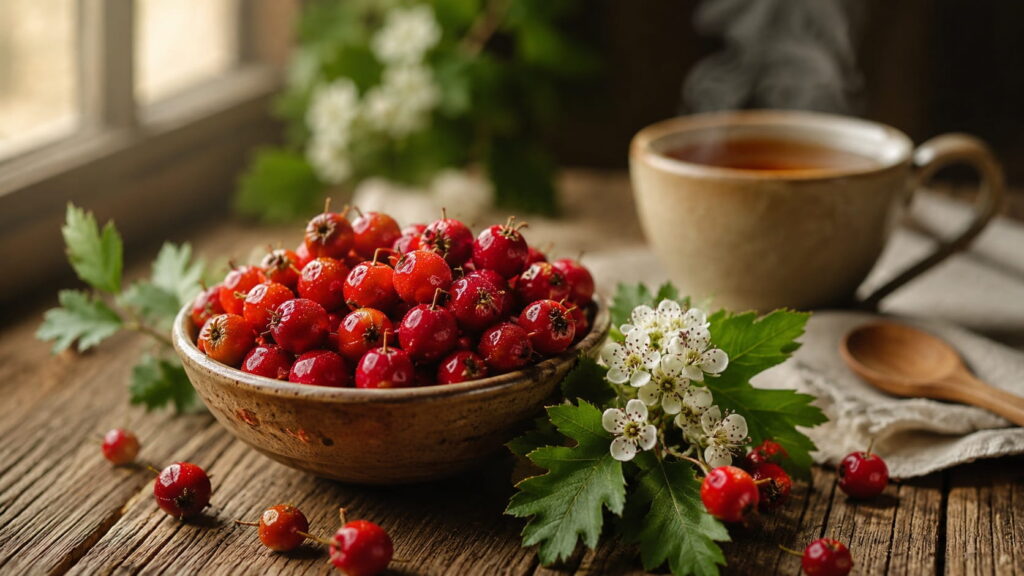
Every week, men walk into my clinic asking about the same three things: their heart, their energy and their performance in the bedroom. More often than not, one small red berry keeps coming up in the conversation, hawthorn.
I am McLee Tembo, health consultant and founder of NFH Clinic. Over the years I have watched hawthorn berry go from a forgotten hedge fruit to one of the most talked about natural remedies for men’s health. It is not a miracle cure, and I will not sell it to you as one. But when you understand what it actually does inside your body, you will see why so many men, and researchers, keep coming back to it.
In this guide, I will walk you through the real hawthorn berry benefits for men, how much to take, which form works best and what to watch out for. No fluff, just what you need to make an informed decision.
Quick Facts: Hawthorn Berry
| Plant family | Crataegus (rose family) |
| Also known as | Shan zha, maythorn, thornapple |
| Parts used | Berry, leaf, flower |
| Main benefit areas | Heart function, blood pressure, circulation, cholesterol, stress |
| Common forms | Tea, dried berries, capsules, tinctures, standardized extract |
| Typical extract dose | 250 to 900 mg per day, depending on goal |
| Time to notice effects | Days for relaxation, weeks to months for heart and blood pressure benefits |
| Main caution | Interacts with heart and blood pressure medication |
Key Takeaways
- Hawthorn supports heart function, circulation and, in some studies, mild blood pressure reduction, with the more consistent evidence coming from standardized leaf and flower extract rather than the raw berry.
- Effects tend to build gradually rather than appear quickly. Many trials ran for several weeks to a few months before showing measurable change.
- It is not a proven treatment for erectile dysfunction, though better circulation can plausibly support sexual performance indirectly.
- Hawthorn can interact with heart medication, blood pressure drugs and blood thinners, so check with a doctor first if you take any of these.
- Tea and dried berries work well for general wellness. Standardized extract capsules are more commonly used in the studies behind blood pressure or heart focused claims.
In This Article
- What Is Hawthorn Berry?
- How Hawthorn Berry Works Inside the Body
- Top Hawthorn Berry Benefits for Men
- What Research Currently Shows
- A Note on Other Hawthorn Research
- How Long Does Hawthorn Berry Take to Work?
- Hawthorn Berry vs. Hawthorn Leaf: What's the Difference?
- How to Use Hawthorn Berry
- What to Look for in a Hawthorn Berry Supplement
- Hawthorn Berry Extract Benefits and Side Effects
- Getting Better Results: Pairing Hawthorn Berry With a Men's Health Routine
- A Quick Note on Hawthorn Berry Benefits for Women
- Benefits vs. Risks at a Glance
- Frequently Asked Questions
- Final Thoughts from NFH Clinic
What Is Hawthorn Berry?
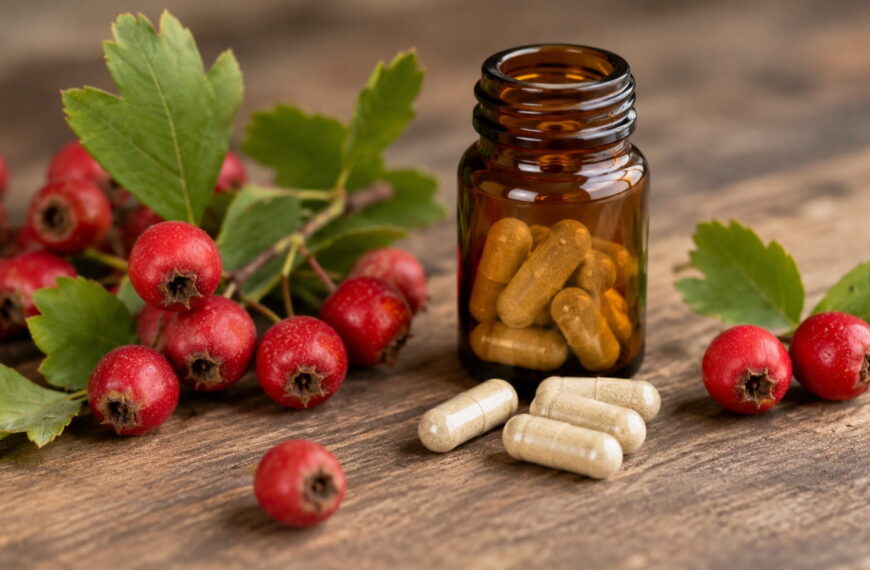
Hawthorn is a small, tart fruit that grows on thorny shrubs and trees belonging to the Crataegus family. You will find it growing wild across Europe, North America and parts of Asia. In China, it is called shan zha and has been used in traditional medicine since as far back as the 7th century, mostly for the heart and the gut.
The berries themselves are only part of the story. Herbalists also use the leaves and flowers, and in most clinical research, it is actually the leaf and flower extract, not the raw berry, that gets tested. That distinction matters, and I will explain why a little later.
How Hawthorn Berry Works Inside the Body
You do not need a biology degree to understand this. Hawthorn is rich in plant compounds called flavonoids and antioxidants. In simple terms, these compounds do two main things.
First, they help relax and widen your blood vessels. This means blood moves more freely, your heart does not have to pump as hard, and organs like your brain, heart and, yes, erectile tissue get better blood flow. Second, they mop up free radicals, unstable molecules that damage cells over time and contribute to aging, inflammation and heart disease.
That combination, better blood flow plus lower cellular damage, is the foundation for almost every benefit on this list. Everything else builds on those two mechanisms.
Top Hawthorn Berry Benefits for Men
1. Supports Heart Health and Circulation
Hawthorn’s biggest reputation is built around the heart, and for good reason. The berry contains flavonoids and procyanidins, plant compounds that help widen blood vessels and let blood move more freely through your system. Better circulation means your heart does not have to work as hard to push blood to your muscles, brain and other organs.
Some research on people with mild chronic heart failure found that hawthorn extract improved exercise tolerance. It also eased breathlessness and fatigue over time. That said, hawthorn is a supportive tool, not a substitute for prescribed heart medication. If you have a diagnosed heart condition, treat this as something to discuss with your doctor, not something to self-manage.
2. Helps Support Healthy Blood Pressure
High blood pressure creeps up on a lot of men after their late thirties, often without any obvious symptoms. Hawthorn is one of the more studied natural options here. By relaxing the blood vessel walls, it can take some of the pressure off your arteries.
How much hawthorn berry to lower blood pressure? Most clinical trials that showed a benefit used standardized extract doses of around 300 to 900 mg per day. This was typically split into two or three doses and taken consistently for several weeks to months. Results tend to build gradually rather than overnight, and the effect is usually mild to moderate, not dramatic. It works best alongside diet changes, exercise and less sodium, not instead of them.
Worth knowing: across the wider body of hawthorn research, study doses have ranged as broadly as 160 mg to 1,800 mg per day, depending on the extract strength, the condition studied and how long the trial ran. The 300 to 900 mg range simply reflects what most blood pressure focused studies actually used, not a hard ceiling on what researchers have tested.
Always confirm the right dose for you with a healthcare provider, especially if you are already on blood pressure medication. And never stop or reduce a prescribed blood pressure medication just because your home readings improve. Talk to your doctor first.
3. May Support Healthy Cholesterol Levels
Hawthorn contains pectin and flavonoid compounds that appear to influence how your body handles LDL, or “bad,” cholesterol. Some research suggests it may help lower total cholesterol and reduce the oxidation of LDL particles, a process linked to plaque buildup in the arteries. For men managing borderline cholesterol numbers, this makes hawthorn a reasonable addition to a broader heart-healthy routine, not a replacement for statins or dietary changes.
4. Supports Blood Flow Tied to Sexual Performance
This is usually the question men actually came here to ask. Erections depend almost entirely on healthy blood flow. When circulation improves, blood can move into the erectile tissue more efficiently, which is where hawthorn’s vasodilating effect becomes relevant.
I want to be straight with you here: there is no strong clinical trial proving hawthorn treats erectile dysfunction directly. What we do know is that circulatory health and sexual performance are closely linked, so a berry that supports one may indirectly support the other. Think of it as backing up your engine, not a quick fix. If ED is a persistent issue, that deserves a proper medical conversation rather than a supplement alone.
One safety point is worth flagging here specifically, since it matters more for this topic than anywhere else in the article. If you take a PDE5 inhibitor for erectile dysfunction, such as sildenafil or tadalafil, check with your doctor before combining it with hawthorn. Both relax blood vessels, and the interaction table further down explains why stacking them needs medical input.
5. May Increase Energy and Exercise Endurance
Does hawthorn berry increase energy? Indirectly, yes. Since it improves how efficiently oxygen and blood move through your body, many men report steadier stamina during workouts. Some also notice less of that midday energy crash. Animal studies back this up by showing improved oxygen use in muscle tissue, though large human trials are still limited. If you train regularly, better circulation alone can translate into a smoother, less fatigued feeling during cardio sessions.
6. Eases Stress and Supports Better Sleep
Long before it was studied for the heart, hawthorn was used as a calming herb. Its antioxidant compounds appear to have a mild soothing effect on the nervous system, which is why a warm cup of hawthorn tea before bed remains a popular ritual. It will not replace prescribed anxiety treatment, but as part of a wind down routine, it can genuinely take the edge off a stressful day.
7. Rich in Antioxidants That Fight Cellular Damage
Hawthorn berries are loaded with polyphenols, plant compounds that neutralize free radicals before they damage your cells. For men exposed to pollution, poor sleep, stress or a less than perfect diet, this antioxidant load helps protect against the kind of long-term cellular wear linked to heart disease, type 2 diabetes and premature aging.
What Research Currently Shows
To keep expectations realistic, here is a general picture of how the evidence breaks down by benefit. These are broad patterns, not fixed grades. Evidence quality varies a lot depending on which preparation was studied, how large the trial was, and how long it ran, so treat this as a starting point for a conversation with your doctor, not a final verdict.
More consistent evidence: support for mild to moderate chronic heart failure symptoms, seen across several clinical trials, mostly using standardized leaf and flower extract.
Moderate, mixed evidence: blood pressure support and cholesterol management. Multiple human studies point in a positive direction, but results vary by trial, dose and how hawthorn was combined with other treatment.
Limited, mostly indirect evidence: erectile performance and energy levels. The circulation mechanism is plausible, but neither has been directly tested in large human trials, so any benefit here is inferred rather than proven.
It is also worth noting that most of the more consistent research used standardized leaf and flower extract, not the raw fruit. If a clinical result matters to you, the extract form is where the evidence actually lives.
A Note on Other Hawthorn Research
A couple of other research areas come up when you dig into hawthorn, worth a brief mention so you have the full picture, though neither is a reason to take hawthorn on its own.
Some review articles have looked at hawthorn’s potential role in blood sugar regulation, drawing mostly on animal studies. Findings point to possible effects on insulin response, though this has not been established in human trials and is not something to rely on for managing diabetes. If you are diabetic and considering hawthorn, this is worth raising with your doctor, particularly since it may affect how other medications are dosed.
Hawthorn has also shown antimicrobial activity against certain bacteria in laboratory testing. Researchers see this as a potential avenue for future research rather than something with a direct, practical use for you as a supplement today.
How Long Does Hawthorn Berry Take to Work?
This is one of the most common questions I get, and most articles skip it entirely. The timelines below reflect the general duration of the studies behind each benefit, not a guarantee of when you personally will notice something. Individual response varies.
| Goal | Typical Study Duration |
|---|---|
| Relaxation from tea | Often noticeable within days, though this is more anecdotal than studied |
| Circulation | Around 2 to 6 weeks in smaller studies |
| Blood pressure | Roughly 4 to 12 weeks in most trials |
| Cholesterol | Around 8 to 12 weeks in most trials |
| Heart failure support | Studied over several months to years, under medical supervision |
Hawthorn tends to work gradually rather than quickly. If you stop after a week because you do not feel a dramatic difference, you likely stopped before the studied timeframe had even elapsed.
Hawthorn Berry vs. Hawthorn Leaf: What’s the Difference?
Here is something most articles skip. When you buy a hawthorn supplement, check the label closely. Some products use only the berry, others use the leaf and flower, and some blend all three.
Hawthorn leaf benefits are actually where most of the strong clinical evidence comes from, particularly for heart failure and circulation. The leaves and flowers tend to carry a higher concentration of the flavonoids responsible for hawthorn’s cardiovascular effects. The berry itself is milder, richer in fiber and vitamin C, and gentler for everyday use like tea or snacking.
Here is a general way to match the form to your goal, based on which preparation most studies actually used.
| Form | Best For | Research Base |
|---|---|---|
| Tea | Relaxation, mild daily habit | Mostly traditional use, limited formal study |
| Whole or dried berry | General wellness, antioxidants | Limited direct human research |
| Leaf and flower extract | Heart support | More clinical trials than other forms |
| Standardized capsule extract | Blood pressure, consistent dosing | More clinical trials than other forms |
| Tincture | Fast absorption, adjustable dosing | Limited direct human research |
If your main goal is heart or blood pressure support, look for an extract that includes leaf and flower. If you simply want a pleasant, antioxidant rich addition to your diet, the dried berry works fine.
How to Use Hawthorn Berry
There is no single “correct” way to take hawthorn. It depends on your goal and how much structure you want in your dosing.
Fresh and Dried Hawthorn Berries
Fresh berries are tart and slightly mealy, best cooked into jams or syrups. Dried hawthorn berries are chewy, more concentrated in flavor, and easier to store or steep into tea. The flesh is what you want to eat, the seeds are not meant to be consumed. Like several other fruit pits, hawthorn seeds contain a compound called amygdalin, which can release small amounts of cyanide-related compounds if the seeds are crushed or chewed and eaten in quantity. Swallowing an occasional whole seed by accident is not typically a concern, since intact seeds are not well absorbed, but deliberately chewing or eating a handful of seeds is not advisable. Store dried berries in a sealed container away from light and they will keep for up to a year.
Hawthorn Berry Tea
Simply steep dried berries, or a mix of berries, leaves and flowers, in hot water for ten to fifteen minutes. Hawthorn berry tea benefits include a mild calming effect and a gentle boost to circulation, making it a good evening habit.
Capsules, Tablets and Tinctures
Standardized extract capsules, usually 250 to 500 mg per dose, are the most consistent way to get a measured amount, which matters if you are tracking blood pressure or heart symptoms. Tinctures are liquid drops that absorb quickly and let you adjust your dose in small increments, though the taste is notably bitter.
Whichever form you choose, consistency matters more than the delivery method.
What to Look for in a Hawthorn Berry Supplement
Not all bottles on the shelf are equal. When you are shopping, keep an eye out for:
- A standardized extract that lists its flavonoid content on the label, so you know you are getting a consistent, measured dose rather than a vague plant powder
- Leaf and flower content, not just berry, if your goal is heart or blood pressure support
- Third-party testing or a certification seal from an independent body such as USP or NSF
- A clean ingredient list without unnecessary fillers or artificial additives
- Manufacturing under GMP, or Good Manufacturing Practice, standards
Because the FDA does not review supplements for effectiveness before they hit shelves, this kind of label reading matters more than people realize.
Hawthorn Berry Extract Benefits and Side Effects
Standardized extract is the form used in most of the research behind hawthorn’s reputation, so it tends to deliver the most predictable results for heart and blood pressure support. That predictability comes with a tradeoff worth knowing about.
Hawthorn berry extract side effects are generally mild but worth watching for:
- Nausea or an upset stomach
- Headache or dizziness
- Sweating or a racing heartbeat
- Mild skin rash
- Drowsiness or fatigue
- Nosebleeds
- Insomnia or agitation, usually at higher doses
These effects are usually more common at higher doses or when hawthorn is combined with certain medications. If any of these show up, scale back your dose or stop and speak with a doctor.
Hawthorn is generally studied for short-term use, most trials run a few weeks to a couple of years under supervision, and it is not recommended for children. If you want to stay on it long term, periodic check-ins with your doctor are a reasonable precaution rather than something to skip.
Does Hawthorn Berry Thin Blood?
Not in the same way as prescription blood thinners like warfarin, but it does affect circulation and blood vessel tone. Some evidence suggests a mild interaction risk with anticoagulant and antiplatelet medication. If you are already on blood thinners or heart medication, talk to your healthcare provider before adding hawthorn.
Medications That May Interact With Hawthorn
Not all of these interactions carry the same weight of evidence. Digoxin has the most documented history of concern, including case reports, so it deserves the most caution. Most of the others are considered possible based on how the drugs work rather than large-scale trial data, which is exactly why “talk to your doctor” is the practical answer in every row.
| Medication Type | What’s Known |
|---|---|
| Digoxin | The best-documented interaction, hawthorn may amplify its effect |
| PDE5 inhibitors (sildenafil, tadalafil) | Both relax blood vessels, theoretical risk of compounding blood pressure drops |
| Beta blockers | Theoretical risk of compounding heart rate or blood pressure lowering |
| Calcium channel blockers | Theoretical risk of compounding blood pressure lowering |
| ACE inhibitors and ARBs | Theoretical risk of a similar compounding effect |
| Nitrates | Theoretical risk of an excessive blood pressure drop |
| Blood thinners | Limited evidence of a mild additive effect on bleeding risk |
Who Should Avoid Hawthorn or Use It Only With Medical Guidance
- Anyone with existing low blood pressure
- Anyone scheduled for upcoming surgery, since it may affect blood pressure and clotting
- Pregnant or breastfeeding women, due to a lack of safety research
- Anyone with severe or unstable heart disease
- Anyone taking nitrates, PDE5 inhibitors, digoxin, beta blockers or blood thinners
- Anyone with significant kidney or liver conditions
Getting Better Results: Pairing Hawthorn Berry With a Men’s Health Routine
Hawthorn works best as one piece of a bigger routine, not a standalone fix. For men specifically, I recommend pairing it with:
- Regular walking or light cardio to reinforce circulation gains
- Resistance training two to three times a week for overall cardiovascular and metabolic health
- A Mediterranean style diet, rich in vegetables, olive oil, fish and whole grains
- Reduced sodium intake if blood pressure is a concern
- Garlic, beetroot and other nitric oxide supporting foods, which work through a similar blood vessel relaxing pathway
- Stress reduction habits like consistent sleep and downtime away from screens
- Cutting back on smoking, which directly undermines the circulation benefits hawthorn is trying to support
None of this needs to be perfect. Small, consistent changes alongside hawthorn tend to produce far better results than hawthorn taken in isolation.
A Quick Note on Hawthorn Berry Benefits for Women
While this guide focuses on men, it is worth mentioning that hawthorn berry benefits for women follow a similar pattern: heart support, healthy blood pressure and a calming effect on stress and sleep. Women exploring hawthorn for menopause related heart changes or mild anxiety often see comparable results. As always, individual response varies, and medical guidance is wise, especially during pregnancy or breastfeeding, when hawthorn has not been well studied.
Benefits vs. Risks at a Glance
| Benefit | Risk or Limitation |
|---|---|
| Supports circulation and heart function | Not a substitute for prescribed heart medication |
| May support healthy blood pressure over weeks | Effect is usually mild to moderate, not dramatic |
| May support healthy cholesterol levels | Not a replacement for statins or diet changes |
| Rich in antioxidants | Antioxidant benefit is general, not condition-specific |
| Traditionally used for stress and sleep | Not a substitute for prescribed anxiety treatment |
| May indirectly support sexual performance via circulation | Not a proven ED treatment, caution with PDE5 inhibitors |
| Generally well tolerated short term | Interacts with several heart and blood pressure medications |
Frequently Asked Questions
Can you eat hawthorn berries?
Yes. The flesh is edible raw, dried or cooked into jams and syrups. Avoid eating the seeds in large amounts.
Are hawthorn berries edible for everyone?
Most healthy adults can eat them without issue. People on heart medication or blood thinners should check with a doctor first, since hawthorn can amplify certain drug effects.
How much hawthorn berry should I take daily?
For general wellness, 1 to 2 cups of hawthorn tea or 250 to 500 mg of standardized extract once or twice daily is a common starting point. If blood pressure is your specific goal, see the dosage guidance earlier in this article, since that range runs higher and is best confirmed with your doctor.
Can you take hawthorn berry every day?
Yes, hawthorn is generally taken daily for ongoing support, since its effects build gradually over weeks. Trials lasting anywhere from several weeks to about two years have not raised major safety concerns under supervision, though it is worth checking in with a doctor periodically, especially if you are on other medication.
Does hawthorn berry really increase energy?
It does not act like caffeine. Instead, it supports steadier circulation, which many men experience as more consistent stamina rather than a sudden burst of energy.
What is the difference between hawthorn berry and hawthorn leaf supplements?
Leaf and flower extracts carry the highest concentration of the flavonoids studied for heart health. Berry products are milder and better suited to everyday use like tea or snacking.
Can diabetics take hawthorn?
Some research suggests hawthorn may have a mild effect on blood sugar in addition to its cardiovascular effects. If you have diabetes, this makes a conversation with your doctor even more important before starting, since dosing of other medications may need monitoring.
Final Thoughts from NFH Clinic
Hawthorn berry will not replace a healthy lifestyle, and it will not undo years of poor sleep, stress or a diet heavy in processed food overnight. What it can do, when used consistently and sensibly, is give your circulation, heart and stress response a gentle, natural nudge in the right direction.
At NFH Clinic, I encourage men to see hawthorn the way I see most natural remedies: a supportive piece of a bigger picture that includes movement, sleep, real food and, where needed, proper medical care. If you are on any heart or blood pressure medication, please loop in your doctor before starting hawthorn. It has a longer research history than many herbal supplements, but that history still comes with real gaps, so treat it as a support, not a substitute for medical treatment.
Related Articles: