I’ve lost count of how many patients walk into NFH Clinic holding a bottle of hawthorn extract they bought online, convinced it’s a “natural fix” for their blood pressure or a weak heart. And look, I get the appeal. Hawthorn has a genuinely interesting history, it’s been used in European and Chinese herbal medicine for centuries, and there’s decent research behind it for mild heart failure symptoms.
But here’s what most of the blog posts you’ll find on Google won’t tell you plainly: hawthorn is not a harmless tea-time herb once you’re on heart medication. It interacts with some of the most commonly prescribed cardiac drugs, and in at least one documented case, an extract of the plant contributed to a fatal outcome. That doesn’t mean you should panic, it means you should know exactly what you’re dealing with before you start.
That’s what this guide is for. I’m going to walk you through the side effects, who should stay away from it entirely, how it interacts with medications, and how to use it sensibly if your doctor gives you the green light.
Quick Facts: Hawthorn Berry
| Scientific name | Crataegus species |
| Common uses | Heart health, circulation, blood pressure support |
| Common side effects | Dizziness, nausea, headache, palpitations |
| Best taken | With food, in 2–3 divided doses |
| Avoid if | Pregnant, breastfeeding, or taking heart medication without medical advice |
| Evidence level | Moderate for some cardiovascular uses |
In this article:
- What Is Hawthorn Berry, Exactly?
- Hawthorn Benefits and Side Effects at a Glance
- The Most Common Hawthorn Berry Side Effects
- When Do Hawthorn Side Effects Begin?
- Can You Take Too Much Hawthorn Berry?
- Signs You Should Stop Taking Hawthorn Immediately
- Who Should Not Take Hawthorn Berry
- Hawthorn Berry Drug Interactions
- Is Hawthorn Berry Dangerous? What the Research Actually Says
- Best Time to Take Hawthorn Berry
- How Much Hawthorn Berry Per Day Is Safe?
- Choosing a Hawthorn Berry Supplement
- Hawthorn Berry Benefits for Women
- Natural Alternatives Worth Discussing With Your Doctor
- Frequently Asked Questions
- The Bottom Line
What Is Hawthorn Berry, Exactly?
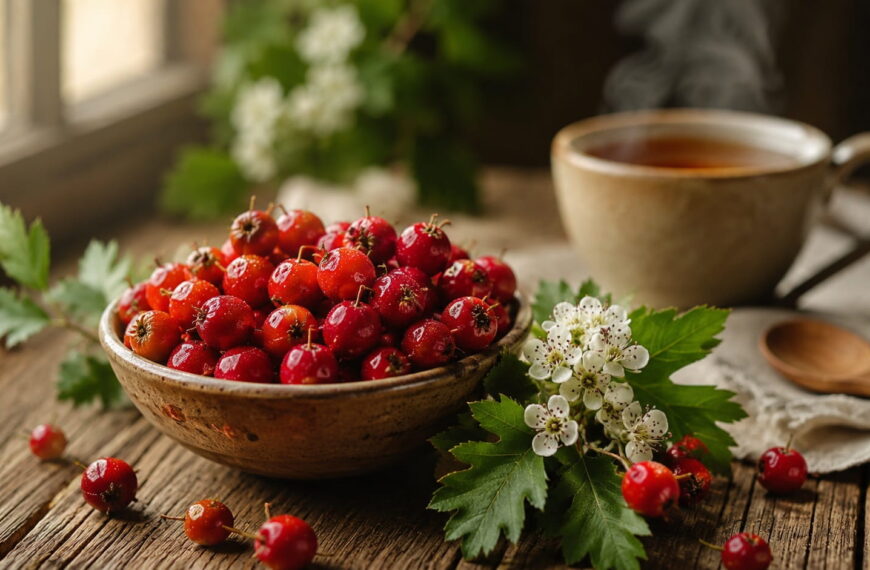
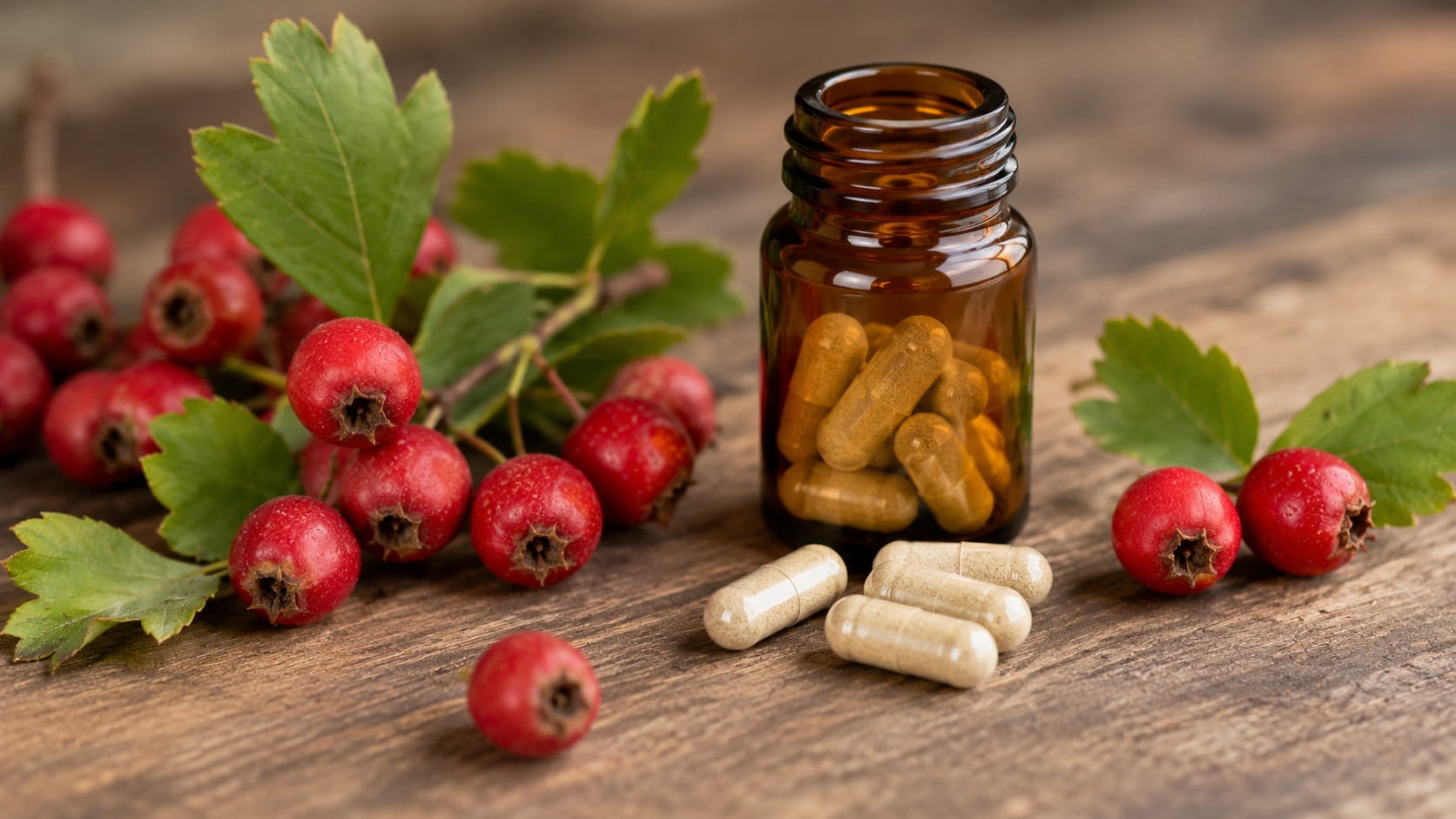
Hawthorn (genus Crataegus) is a thorny shrub from the rose family that produces small red berries. The berries, leaves, and flowers all get used in supplements, and they’re rich in flavonoids and oligomeric procyanidins, plant compounds with antioxidant properties that researchers believe support heart function and blood flow.
You’ll find it sold as capsules, standardized extracts, teas, and tinctures, usually marketed for:
- Mild to moderate heart failure symptoms
- Angina (chest pain) support
- Blood pressure regulation
- General cardiovascular and circulatory health
The catch is that “traditional use” and “clinically proven” aren’t the same thing, and hawthorn sits somewhere in between, promising in early research, but not a substitute for prescribed cardiac care.
Hawthorn Benefits and Side Effects at a Glance
Since this article is focused on side effects, here’s a quick honest snapshot of both sides before we go deeper:
Benefits of Hawthorn Berry:
| Claimed Benefit | Strength of Evidence |
|---|---|
| Mild-to-moderate heart failure support | Moderate (multiple clinical trials) |
| Improved circulation | Moderate |
| Blood pressure support | Moderate |
| Antioxidant activity | Strong in lab studies |
| Weight loss | Little to no human evidence |
| Anxiety relief | Limited, mostly traditional use |
Side Effects of Hawthorn Berry:
| Common Side Effect | How Often It Shows Up |
|---|---|
| Dizziness | Common |
| Digestive upset | Common |
| Headache | Common |
| Palpitations | Occasional |
| Low blood pressure | Occasional, more likely with BP meds |
| Skin rash, insomnia, agitation | Uncommon |
The short version: hawthorn’s benefits are real but modest, and its side effects are usually mild but worth watching for — especially if you’re on other medication.
The Most Common Hawthorn Berry Side Effects
Most people who take hawthorn short-term tolerate it well. In the largest review of clinical trials (a 2008 Cochrane analysis covering over 800 patients), adverse events were actually reported slightly less often in the hawthorn group than in the placebo group. That’s reassuring, but “well tolerated” doesn’t mean “no side effects,” and a small percentage of users do run into problems.
1. Dizziness and Vertigo
This is the side effect I hear about most often. It tends to show up when hawthorn lowers blood pressure a bit more than expected, especially if you stand up quickly or you’re already on blood pressure medication.
2. Digestive Upset
Nausea, stomach cramping, diarrhea, and general stomach discomfort are common, particularly when someone jumps straight into a full dose instead of starting low.
3. Heart Palpitations and Rapid Heartbeat
Ironically, the herb marketed for heart health can occasionally cause palpitations or a faster heartbeat in some users. If you already have a diagnosed arrhythmia — including atrial fibrillation — this is worth flagging to your cardiologist before you start.
It helps to know the difference between what people describe here, since these terms get used loosely:
- Palpitations — a sensation of your heart pounding, fluttering, or “skipping,” which may or may not reflect an actual rhythm change
- Rapid heartbeat (tachycardia) — your heart rate is measurably faster than normal, even at rest
- Irregular heartbeat (arrhythmia) — the rhythm itself is off, not just the speed
Occasional palpitations after starting hawthorn are usually not an emergency, but a persistent rapid or irregular heartbeat — especially with chest pain, shortness of breath, or fainting — needs prompt medical attention, not a wait-and-see approach.
4. Low Blood Pressure (Hypotension)
Hawthorn’s blood-pressure-lowering effect is real, and it tends to become more noticeable around week 8–12 of continuous use — right when it’s built up enough to stack with any BP medication you’re already taking. Watch for lightheadedness on standing, fatigue, or a “foggy” feeling.
5. Other Reported Effects
Headache, fatigue, sweating, insomnia, agitation, mild skin rash, and — less commonly — nosebleeds have all been reported.
Most of these fade once your body adjusts or you stop taking it. None of them should be ignored if they’re persistent, though.
When Do Hawthorn Side Effects Begin?
This is something patients ask me almost every time: is it going to hit right away, or build up slowly? Both, depending on the effect.
- Digestive upset and headache tend to show up early — often within the first dose or first few days, especially if you started at a full dose instead of easing in.
- Dizziness and low blood pressure are more likely to appear or worsen after a dose increase, or gradually over the first several weeks as hawthorn builds up in your system.
- Palpitations can happen at any point, but are worth noting especially if they appear after adding another medication or supplement alongside hawthorn.
If a side effect shows up in the first few days, dropping back to a lower dose for a week usually resolves it. If something new shows up weeks in, think about what else changed — a new medication, a dose increase, dehydration, or illness — before assuming it’s “just the hawthorn.”
Can You Take Too Much Hawthorn Berry?
Yes, and it’s worth taking seriously. Hawthorn isn’t the kind of supplement where “extra” just gets flushed out harmlessly. Watch for:
- Severe or worsening dizziness
- Fainting or near-fainting
- Very low blood pressure
- Irregular or unusually slow heartbeat
- Persistent vomiting
These are signs to seek medical attention or contact poison control rather than waiting it out — particularly if you’ve taken more than the labeled dose or combined hawthorn with other blood-pressure-lowering substances.
Signs You Should Stop Taking Hawthorn Immediately
Most side effects are mild enough to manage by adjusting the dose. These aren’t. If you experience any of the following, stop taking hawthorn and seek medical attention right away:
- Chest pain
- Fainting or near-fainting
- Severe or sudden dizziness
- A new irregular heartbeat
- Swelling of the lips, face, or throat
- Difficulty breathing
The last two point toward a possible allergic reaction rather than a typical side effect, and they need emergency care, not a wait-and-see approach.
Who Should Not Take Hawthorn Berry
This is the section I wish more websites led with, because it matters more than the dosage chart.
Avoid hawthorn if you:
- Are pregnant or breastfeeding — there isn’t enough safety data, and it may stimulate uterine contractions
- Take heart medications such as digoxin, beta-blockers, or other cardiac drugs
- Take blood thinners like warfarin, aspirin, or clopidogrel
- Already have low blood pressure or fainting spells
- Are allergic to Rosaceae family plants (apples, cherries, almonds, plums)
- Have an upcoming surgery — stop at least two weeks beforehand due to bleeding risk
Two more worth flagging:
- If you manage diabetes — some evidence suggests hawthorn may modestly lower blood glucose, which means it could compound the effect of diabetes medication. Worth a conversation with your doctor rather than assuming it’s neutral.
- If you drink alcohol regularly — combining alcohol with hawthorn can increase dizziness and amplify the blood-pressure-lowering effect. It’s not a dangerous combination for most people, but it’s not a “no effect” one either.
If any of these apply to you, don’t self-prescribe hawthorn based on a blog post — including this one. Talk to your doctor first.
Hawthorn Berry Drug Interactions
Hawthorn has documented interactions with more than 50 medications, most notably in the cardiovascular category. Here’s a quick reference:
| Medication Type | What Can Happen |
|---|---|
| Digoxin & other heart medications | May alter drug levels and affect heart rhythm |
| Beta-blockers / ACE inhibitors / ARBs | Can compound blood-pressure-lowering effects, causing hypotension |
| Blood thinners (warfarin, aspirin) | Increased bleeding risk |
| Other herbs (ginkgo, garlic, ginseng) | May amplify effects on blood pressure or bleeding tendency |
| Sedatives | May increase drowsiness |
One important note: hawthorn is meant to work alongside prescribed cardiac treatment, never in place of it. Never stop or reduce a heart medication because you’ve added hawthorn — that decision belongs to your prescribing physician, not a supplement label.
Is Hawthorn Berry Dangerous? What the Research Actually Says
Here’s where I’ll be direct with you: for most healthy adults using a standardized extract short-term, hawthorn has one of the cleaner safety profiles among herbal heart supplements. Serious harm is rare.
That said, rare isn’t zero. There’s a documented case report of a fatal arrhythmia following ingestion of concentrated hawthorn root extract — importantly, this involved an intentional overdose of a concentrated root preparation, not the standardized berry extract found in typical over-the-counter supplements. It’s a real event worth knowing about, but it shouldn’t be read as “ordinary hawthorn capsules commonly carry this risk” — that’s not what the case shows. Separately, some studies have noted hawthorn worsening heart failure symptoms in specific patients, usually where interactions with existing medication were suspected. The National Center for Complementary and Integrative Health (NCCIH) is also clear that long-term safety data beyond 16 weeks simply doesn’t exist yet.
So the honest summary is: low risk for most people using a standard, labeled berry supplement responsibly; meaningful risk for anyone on cardiac medication, with underlying heart disease, or using concentrated/unregulated extracts; and genuinely unknown risk for long-term daily use.
It’s also worth knowing that plenty of people compare notes on forums and Reddit threads about how hawthorn made them feel — everything from “noticeably calmer” to “made me lightheaded.” Those accounts are useful for getting a feel of what’s normal, but they’re anecdotal, not clinical evidence, and they shouldn’t override what your own body and your doctor are telling you.
Best Time to Take Hawthorn Berry
If your doctor has cleared you to try it, timing can make a real difference in how well you tolerate it:
- Split the dose — taking hawthorn 2–3 times a day (rather than one large dose) tends to reduce dizziness and stomach upset.
- With food — this cuts down on nausea for most people.
- Avoid right before bed if you notice it gives you more energy or mild agitation; morning and early afternoon dosing works better for some.
- Be consistent — hawthorn builds up gradually, so effects (and side effects) often shift around the 6–8 week mark, not immediately.
How Much Hawthorn Berry Per Day Is Safe?
Clinical studies have used doses ranging widely, from around 160 mg up to 1,800 mg per day of standardized extract, typically split into two or three doses. There’s no single “correct” number — it depends on the extract’s concentration and what it’s being used for.
| Form | Typical Studied Daily Amount |
|---|---|
| Standardized extract | 160–1,800 mg/day, split into 2–3 doses |
| Tea | Varies widely by preparation — no standardized dose |
| Tincture | Follow product-specific directions |
My practical advice for anyone starting out: begin at the lowest labeled dose for at least a week, watch how your body responds, and only increase gradually and with your doctor’s input. Don’t assume “more is better” — this is a plant compound that affects heart rhythm and blood pressure, not a vitamin.
Most research supports safe use for up to 16 weeks. Beyond that, you’re in territory without solid long-term safety data.
Choosing a Hawthorn Berry Supplement
Not all hawthorn products are built the same, and the form you pick affects both potency and side-effect risk.
- Standardized extract (capsules or tablets) — the most consistent option, usually standardized to a percentage of flavonoids or oligomeric procyanidins (OPCs). This is what most clinical trials actually used, so it’s the form with the most evidence behind it.
- Tea — pleasant and traditional, but potency varies a lot batch to batch. Fine for general wellness use, not something to rely on for a specific therapeutic dose.
- Tincture — fast-acting and easy to dose in small increments, though alcohol-based tinctures aren’t ideal if you’re also avoiding alcohol for the reasons above.
- Root extract — this is the concentrated form linked to the serious case report mentioned earlier. It’s far more potent than berry or leaf preparations and isn’t something to use without medical guidance.
A few practical buying tips: look for third-party testing (USP, NSF, or ConsumerLab verification), check that the label states a standardized percentage rather than just “hawthorn berry powder,” and be wary of products that stack hawthorn with several other cardiovascular herbs — it makes side effects harder to trace back to a single ingredient.
Hawthorn Berry Benefits for Women
A few things come up often when women ask me about hawthorn specifically:
- Menstrual and circulatory support — some traditional use points to hawthorn easing cramping and supporting blood flow, though clinical evidence here is thin.
- Antioxidant support — the flavonoids in hawthorn may help with general oxidative stress, which is a factor in cardiovascular aging.
- Pregnancy caution — I’ll repeat this because it’s important: hawthorn is not considered safe during pregnancy or breastfeeding due to insufficient data and its potential effect on uterine muscle.
Does Hawthorn Berry Help With Weight Loss?
If weight management is part of what brought you here, I’ll save you some time: no, not directly. Here’s what the evidence actually shows —
- Fat burning — no solid human evidence that hawthorn increases fat metabolism.
- Appetite suppression — not a documented effect; hawthorn isn’t formulated or studied as an appetite suppressant.
- Exercise capacity — this is the one place there’s a plausible (though indirect) link. Better circulation and cardiac efficiency could, in theory, make physical activity feel easier for some people, which might support a weight-loss effort indirectly.
- Animal studies — a handful of rodent studies have shown metabolic changes at doses far higher than what’s used in human supplements; this doesn’t translate reliably to people.
So if a product markets hawthorn as a “fat-burning” ingredient, treat that claim skeptically — it’s not what the research supports.
Natural Alternatives Worth Discussing With Your Doctor
If hawthorn isn’t right for you — because of medication conflicts, pregnancy, or simply personal preference — there are other evidence-backed options worth a conversation with your provider:
- CoQ10 — supports cellular energy production in heart tissue
- Omega-3 fatty acids — from fish oil or flaxseed, well studied for cardiovascular support
- Garlic extract — modest evidence for blood pressure support
- Lifestyle changes — regular movement, a heart-conscious diet, stress management, and quitting smoking still outperform most supplements for long-term heart health
Frequently Asked Questions
Can I take hawthorn berry every day?
Short-term daily use (up to around 16 weeks) is generally considered safe for healthy adults following label dosing. Long-term daily use hasn’t been well studied, so check in with your doctor if you plan to continue past that window.
Does hawthorn berry cause palpitations?
It can, in a minority of users — somewhat counterintuitively for a “heart-healthy” herb. If you notice a racing or irregular heartbeat after starting hawthorn, stop and speak with your doctor.
Can hawthorn berry cure heart disease?
No. It may support mild heart failure symptoms or circulation as an adjunct, but it is not a treatment or cure for heart disease and shouldn’t replace prescribed care.
How long until I notice effects?
Some people report changes in circulation or energy within 2–4 weeks, but hawthorn’s full effect tends to build gradually over 6–12 weeks.
Is hawthorn berry safe for children?
It’s not recommended for children without direct medical supervision — safety data in that age group is limited.
Can I combine hawthorn with other heart supplements?
Only under medical guidance. Combining hawthorn with other blood-pressure or blood-thinning herbs (like ginkgo or garlic) can amplify effects in ways that are hard to predict on your own.
Can hawthorn berry lower blood pressure too much?
Yes, particularly if you’re already on blood pressure medication. This is one of the more common reasons people are advised to stop or reduce their dose — watch for lightheadedness, especially when standing up quickly.
Can I drink coffee while taking hawthorn?
There’s no well-documented dangerous interaction, but both caffeine and hawthorn can affect heart rate, so if you’re sensitive to either, you may notice more palpitations when combining them.
Can hawthorn berry affect sleep?
It can, in either direction — some people find it calming, while others report mild insomnia or restlessness, especially with doses taken later in the day.
What happens if I miss a dose?
Nothing serious. Just take your next dose as scheduled — there’s no need to double up.
Is hawthorn berry safe for older adults?
Often yes, but older adults are more likely to be on multiple medications (especially for blood pressure or heart rhythm), which raises the odds of an interaction. This is a population where checking with a doctor first matters more, not less.
Is hawthorn berry safe if I have atrial fibrillation?
Not something to decide on your own. Afib already involves rhythm irregularities, and hawthorn’s effect on heart rate and rhythm means this needs a cardiologist’s input before starting.
Can hawthorn berry interact with sildenafil (Viagra) or similar medications?
Both can lower blood pressure, so combining them may increase the risk of a more significant blood pressure drop. Flag this combination with your doctor rather than assuming it’s fine.
The Bottom Line
Hawthorn berry isn’t a miracle heart remedy, and it isn’t a dangerous herb to avoid outright either — it’s somewhere in the middle, which is exactly why it deserves more caution than a five-star Amazon review gives it credit for. The side effects are usually mild — dizziness, an upset stomach, the occasional headache — but the drug interactions with heart medications are the real thing to take seriously.
If you’re managing a heart condition, on blood thinners, pregnant, or simply unsure whether hawthorn fits into your health picture, that’s exactly the kind of decision worth bringing to a professional rather than a search engine. At NFH Clinic, this is the conversation we have with patients every week — matching what’s genuinely helpful to your specific health history, not what’s trending in a supplement aisle.
References
- National Center for Complementary and Integrative Health (NCCIH) — Hawthorn
- LiverTox Database, National Institutes of Health — Hawthorn
- Pittler MH, et al. Cochrane Database of Systematic Reviews (2008) — Hawthorn extract for treating chronic heart failure
- Clinical and Experimental Emergency Medicine (2022) — Case report, fatal arrhythmia following hawthorn root extract ingestion
Related Articles: