
If you have been dealing with unexplained fatigue, joint pain, bloating, or skin flare-ups, inflammation could be the common thread. I am McLee Tembo, Health Consultant and Founder of NFH Clinic, and inflammation is one of the topics my clients ask me about most. It sits quietly behind conditions like heart disease, diabetes, arthritis, and even certain cancers, yet most people never learn how to manage it until symptoms show up.
The good news is that inflammation responds well to the right changes. In this guide, I will walk you through how to reduce inflammation in the body: what it actually is, how to spot it, how to bring it down naturally and fast, what to eat and drink, which supplements and medicines may help, and what to realistically expect along the way.
Quick answer: You reduce inflammation in the body by combining a healthy overall diet, regular movement, good sleep, stress management, and hydration, while limiting ultra-processed food, added sugar, and alcohol. How quickly it improves depends on the cause and severity, and persistent symptoms are worth discussing with a doctor.
Overview
Inflammation is your body’s natural defence system, but when it stays switched on for months or years, it quietly wears down tissue and raises your risk of serious disease. This guide covers the full picture: what causes chronic inflammation, how to recognise it, how doctors test for it, and the diet, lifestyle, supplement, and medical options you can use to reduce chronic inflammation in the body. Whether you want practical relief for a flare-up or a long-term plan to manage chronic inflammation, you will find a clear, balanced path below.
Quick Facts
| What it is | A prolonged immune response that stays active long after a threat has passed |
| Common causes | Poor diet, excess body fat, chronic stress, poor sleep, gut imbalance, smoking, alcohol |
| Common symptoms | Fatigue, brain fog, joint stiffness, digestive issues, skin flare-ups, slow healing |
| May help quickly | Hydration, cutting sugar and alcohol, sleep, rest for acute flare-ups |
| Key tests | hs-CRP, ESR, CBC, ferritin, autoimmune markers, HbA1c |
| Best-supported foods | Fatty fish, vegetables, fruit, whole grains, legumes, nuts, olive oil |
| Foods to limit | Ultra-processed foods high in added sugar, refined carbs, and saturated or trans fats |
| Supplements with some evidence | Omega-3, curcumin, vitamin D (if deficient), probiotics |
| Timeline | Varies by cause; no single fixed recovery clock |
| See a doctor if | Symptoms persist beyond a few weeks despite diet and lifestyle changes |
Key Takeaways
- Chronic inflammation is often silent, so watch for a cluster of symptoms rather than one obvious sign.
- Diet is the single biggest lever, and an overall eating pattern matters more than any one “superfood.”
- There is no single fixed timeline for reducing inflammation. It depends on the cause, severity, and consistency of change.
- Sleep, stress, movement, and hydration all influence inflammation as much as food does.
- Supplements and medicine can help, but they work best alongside diet and lifestyle changes, not instead of them.
- Blood tests like CRP and ESR can show whether inflammation may be elevated, but they cannot identify the cause on their own.
- Whether chronic inflammation can be reversed depends on the cause: lifestyle-driven inflammation tends to respond well, while autoimmune-driven inflammation usually needs medical management too.
In this article:
- What Is Inflammation?
- Signs You May Have Chronic Inflammation
- Finding the Cause of Chronic Inflammation
- How Doctors Diagnose Chronic Inflammation
- Is There One Best Anti-Inflammatory Diet?
- How to Reduce Inflammation in the Body Naturally: Foods That May Help
- Foods to Limit When Trying to Reduce Inflammation
- Foods People Think Help But Don't (Much)
- What Can I Drink to Reduce Inflammation?
- How to Reduce Inflammation in the Body Fast (and What "Overnight" Really Means)
- A Sample Anti-Inflammatory Day of Eating
- The 7-Day Anti-Inflammatory Reset
- How to Reduce Gut Inflammation Quickly
- Lifestyle Changes to Lower Inflammation in the Body
- Other Factors That Can Affect Inflammation
- Inflammation and Aging: What Is "Inflammaging"?
- Common Mistakes That Keep Inflammation High
- Supplements to Reduce Inflammation in the Body
- Medicine to Reduce Inflammation in the Body
- Can Chronic Inflammation Be Reversed?
- How Long Does It Take to Reduce Inflammation in the Body?
- When to See a Doctor
- Final Thoughts
- Sources
- Frequently Asked Questions
What Is Inflammation?
Inflammation is your immune system’s response to injury, infection, or irritation. When you cut your finger or catch a cold, your body sends white blood cells and chemical messengers to the area to fight off the threat and start healing. That is acute inflammation, and it is a good thing.
Chronic inflammation is different. Instead of switching off once the danger has passed, your immune system stays partially activated for months or years. Over time, this low-grade, ongoing inflammation wears down healthy tissue and raises your risk of heart disease, type 2 diabetes, autoimmune disorders, and some cancers.
Acute inflammation shows up as redness, heat, swelling, and pain, and it usually settles within days.
Chronic inflammation is quieter. It often shows up as persistent fatigue, joint stiffness, digestive issues, skin problems, or brain fog that will not go away.
Why Inflammation Happens
The process follows a simple pattern, whether it is acute or chronic:
- Your immune system detects a threat, such as a germ, an injury, or an irritant.
- White blood cells release chemical messengers called cytokines.
- Blood flow increases to the area, which causes swelling, heat, and redness.
- Repair processes begin once the threat is under control.
- In a healthy response, inflammation switches off once healing is done.
- In chronic inflammation, that switch-off never fully happens, and the low-level activity continues in the background.
Understanding this cycle matters, because it explains why chronic inflammation feels so different from a sprained ankle. The fire never fully goes out, so the smoke keeps affecting the rest of the house.
Signs You May Have Chronic Inflammation
Chronic inflammation rarely announces itself the way an infected cut does. Instead, it builds quietly. Watch for a combination of these symptoms of chronic inflammation, especially if several show up together and persist for weeks:
- Ongoing fatigue that sleep does not fix
- Brain fog or trouble concentrating
- Unexplained joint or muscle aches
- Frequent colds or infections
- Slow wound healing
- Digestive issues, such as bloating, constipation, or diarrhea
- Skin problems, including rashes, acne, or eczema flare-ups
- Low mood or irritability
- Joint stiffness, particularly in the morning
- Unexplained weight gain
- Insulin resistance or difficulty managing blood sugar
None of these symptoms proves inflammation on its own, and many have other possible causes. But if several apply to you and persist, it is worth getting checked rather than guessing.
Finding the Cause of Chronic Inflammation
Before you try to fix inflammation, it helps to know what is driving it. In my practice, the most common triggers I see are:
- A poor diet, heavy in ultra-processed food, added sugar, and refined carbs
- Excess body fat, since fat tissue itself produces inflammatory chemicals
- Chronic stress, which keeps cortisol and inflammatory markers elevated
- Poor sleep, which disrupts the body’s natural repair cycle
- Gut imbalances, where an unhealthy mix of gut bacteria can influence immune activity
- Smoking and heavy alcohol use
- Undiagnosed conditions, such as autoimmune disease or hidden infections
How Doctors Diagnose Chronic Inflammation
If lifestyle changes do not move the needle after a few weeks, a doctor can run blood work to see what is really going on. Blood tests such as hs-CRP and ESR can show whether inflammation may be elevated, but they are nonspecific markers and cannot identify the cause on their own. Your doctor may order further tests based on your symptoms, history, and examination, which can include:
- hs-CRP (high-sensitivity C-reactive protein), a general marker of inflammation
- ESR (erythrocyte sedimentation rate), another general inflammation marker
- Complete blood count (CBC), to check white blood cell activity
- Ferritin, which can rise with inflammation
- Autoimmune markers, such as ANA, if an autoimmune condition is suspected
- Fasting blood glucose and HbA1c, since insulin resistance and inflammation are closely linked
- Lipid profile, to assess cardiovascular risk
- Thyroid panel, since thyroid dysfunction can mimic or worsen inflammatory symptoms
- Stool testing, when digestive symptoms point toward gut inflammation
This list is a starting point for the conversation with your doctor, not a checklist to run through on your own.
Is There One Best Anti-Inflammatory Diet?
There isn’t one official “anti-inflammatory diet.” Mediterranean and DASH-style eating patterns are among the best studied, mainly because they emphasise vegetables, fruit, whole grains, legumes, nuts, healthy fats, and minimally processed food rather than any single ingredient. If you take one thing from this article, let it be this: the overall pattern of what you eat matters far more than any individual “superfood.”
How to Reduce Inflammation in the Body Naturally: Foods That May Help
Diet is the single biggest lever you can pull. What you eat every day either supports a healthy inflammatory response or works against it, so consistency matters more than any single food.
Best-supported choices:
- Fatty fish (salmon, mackerel, sardines)
- Vegetables, especially leafy greens
- Fruit, particularly berries
- Whole grains, such as oats and quinoa
- Legumes and beans
- Nuts and seeds, such as walnuts and flaxseed
- Extra virgin olive oil
Additional choices that may help:
- Green tea
- Coffee, in moderation and without added sugar
- Spices such as turmeric and ginger
- Dark chocolate, in moderation
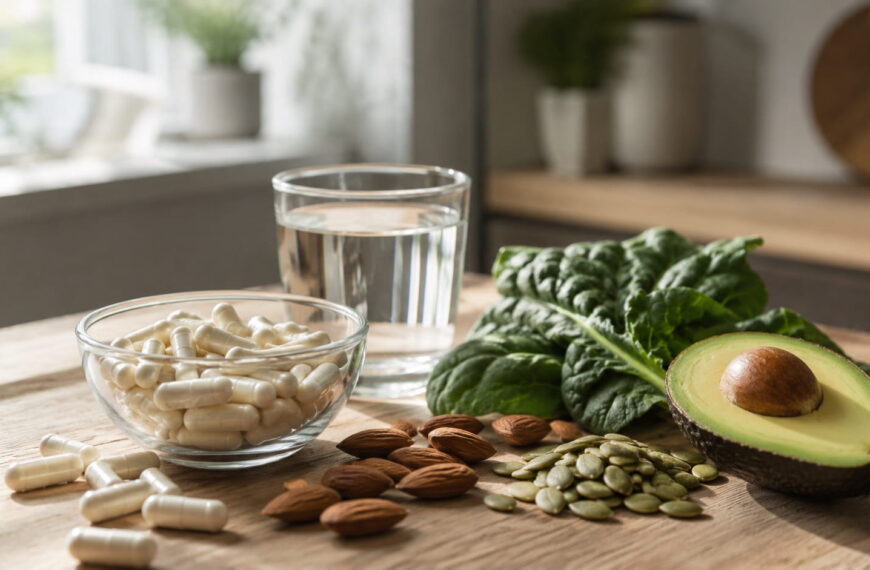
Turmeric contains curcumin, a compound studied for its potential anti-inflammatory effects. Curcumin supplements are far more concentrated than the amount found in food, and they can interact with certain medicines, so they are not appropriate for everyone. See the supplements section below for more detail.
Why fatty fish and olive oil come up so often: much of it comes down to the balance between omega-3 and omega-6 fats. Omega-3s, found in fatty fish, walnuts, and flaxseed, support a balanced immune response. Omega-6s, found in excess in many refined vegetable and seed oils, tend to work in the opposite direction when consumed in very high amounts, which is common in diets built around fried and ultra-processed food. You do not need to eliminate omega-6 fats, since your body needs some, but shifting the balance toward more omega-3s and less refined seed oil is one of the more consistent findings in nutrition research on inflammation.
Foods to Limit When Trying to Reduce Inflammation
Rather than labelling individual foods as “inflammatory,” it helps to distinguish between minimally processed food and ultra-processed food that is high in added sugar, sodium, saturated fat, and refined carbohydrates. In general, try to limit:
- Refined carbohydrates like white bread and pastries
- Sugary drinks, including soda and sweetened juices
- Fried foods and foods cooked in reused oil
- Processed and red meats, particularly in large amounts
- Ultra-processed snacks and packaged baked goods high in trans fats
Foods People Think Help But Don’t (Much)
A few trendy items get more credit than the evidence supports:
- Apple cider vinegar: popular for inflammation, but there is no strong evidence it lowers inflammatory markers
- Detox teas: marketed heavily, with little to no research behind the anti-inflammatory claims
- Alkaline water: no solid evidence it changes inflammation levels in the body
- Lemon water: hydrating and a good source of vitamin C, but not an anti-inflammatory powerhouse on its own
- Celery juice: trendy, but the evidence for reducing inflammation is limited at best
You do not need to chase a “magic” ingredient. Treat these as items to be aware of rather than reasons for guilt if you enjoy them occasionally, since the bigger issue is when they replace foods and habits with genuine evidence behind them, not that they appear in your routine at all.
What Can I Drink to Reduce Inflammation?
Hydration is often overlooked, yet dehydration itself puts stress on the body. These drinks can fit well into an anti-inflammatory diet, ordered by practicality rather than a strict scientific ranking:
- Water: your simplest and most reliable everyday choice.
- Unsweetened green tea: rich in polyphenols and catechins that have been studied for their role in inflammation.
- Ginger tea: brings gingerol into your routine in an easy, soothing form.
- Hibiscus tea: contains antioxidants linked to lower blood pressure and reduced oxidative stress.
- Coffee, without excess sugar: contains polyphenols that may offer a modest benefit.
- Kefir, if tolerated: a fermented drink that supports gut bacteria balance, which is connected to immune activity.
On the flip side, alcohol and sugary drinks work against you, so swapping even one soda a day for water or green tea adds up over weeks.
How to Reduce Inflammation in the Body Fast (and What “Overnight” Really Means)
Quick answer: Hydration, cutting sugar and alcohol, rest, and an anti-inflammatory meal can ease an acute flare-up within a day or two. Chronic, long-standing inflammation does not resolve overnight.
People often search for how to reduce inflammation in the body overnight, and I want to be honest with you here: chronic inflammation that has built up over months will not disappear in a single night. Acute inflammation, such as a swollen ankle or a flare after a heavy meal, can genuinely start improving within hours once the trigger is addressed. Chronic, low-grade inflammation cannot, because it took months or years to build and needs sustained change to come down. Still, these steps give your body a real head start:
- Hydrate normally through the day, particularly if you have not been drinking enough. Adequate hydration supports normal circulation and bodily function.
- Rest and, where appropriate, apply ice to a swollen or painful area for 15 to 20 minutes to reduce local swelling.
- Cut sugar and alcohol for the next 24 hours. Both are linked with short-term spikes in inflammatory markers.
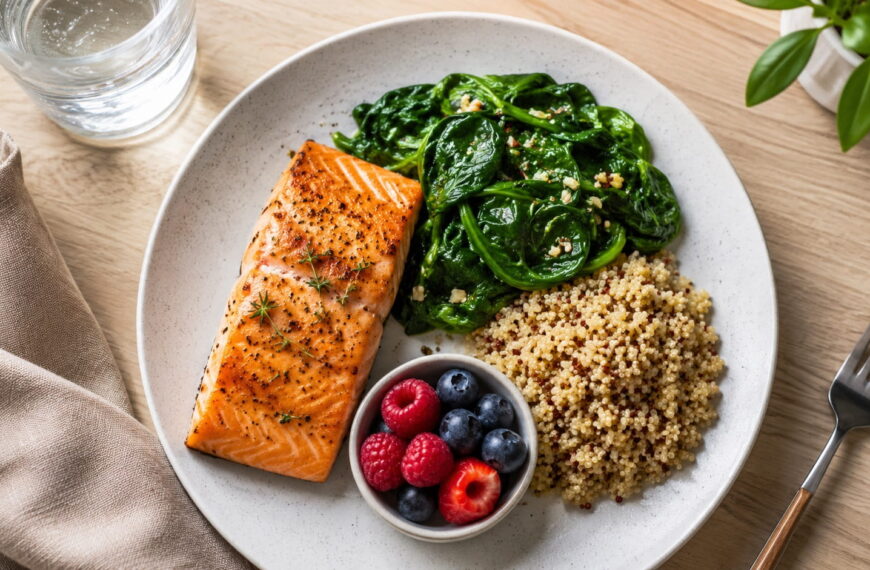
- Eat a meal built around vegetables, healthy fats, and protein, such as leafy greens, fatty fish, or a legume-based dish.
- Prioritise sleep that night. Poor sleep is linked with higher inflammatory markers the next day.
- Go for a short walk. Light movement supports circulation.
A Sample Anti-Inflammatory Day of Eating
If you are not sure where to start, here is a simple, practical template:
Breakfast: Greek yoghurt with mixed berries and a spoon of chia seeds
Lunch: Grilled salmon over a large salad with olive oil and lemon dressing
Dinner: Beans, roasted vegetables, and quinoa, seasoned with turmeric and garlic
Snack: A small handful of walnuts with an apple
Drinks: Water throughout the day, with a cup of green tea in the morning
You do not need to follow this exactly. Use it as a starting template and swap in foods you enjoy from the best-supported list above.
The 7-Day Anti-Inflammatory Reset
A short, structured start often works better than trying to change everything at once. Try this over one week:
- Day 1: Focus on hydration. Replace sugary drinks with water.
- Day 2: Add a 30-minute walk.
- Day 3: Aim for a full 8 hours of sleep.
- Day 4: Eat vegetables at every meal.
- Day 5: Cut sugary drinks and alcohol completely for the day.
- Day 6: Practice 10 minutes of deep breathing or another stress-reduction technique.
- Day 7: Reflect on how your energy, digestion, and mood have felt, and decide which habits to keep.
After a week, you may notice changes in energy, digestion, or sleep, but results vary from person to person. The real benefit comes from turning whichever habits work for you into a long-term routine rather than a one-off week.
How to Reduce Gut Inflammation Quickly
Your gut and immune system are closely connected. The digestive tract contains a large proportion of the body’s immune tissue, and the gut microbiome can influence immune activity throughout the body. To support gut health:
- Add probiotic foods, such as yoghurt, kefir, sauerkraut, and kimchi, which may help support a healthy balance of gut bacteria
- Increase fibre gradually through vegetables, oats, and legumes, since fibre feeds beneficial gut bacteria
- Cut back on ultra-processed foods and artificial sweeteners, which may disturb gut bacteria balance
- Identify trigger foods. Dairy, gluten, or high-FODMAP foods bother some people more than others, so keeping a simple food diary can reveal patterns
- Manage stress, since the gut and brain communicate constantly, and stress hormones can influence gut function
Many people notice less bloating and more regular digestion within one to two weeks of these changes, though full gut healing can take longer and depends on the underlying cause.
Lifestyle Changes to Lower Inflammation in the Body
Move Your Body Daily
Regular exercise is linked with lower inflammatory markers in the blood. Aim for at least 150 minutes of moderate-intensity activity each week, such as brisk walking, cycling, or swimming, plus muscle-strengthening activity on at least two days a week.
Manage Stress on Purpose
Chronic stress keeps cortisol elevated, and elevated cortisol is linked with higher inflammation. Simple daily practices, such as deep breathing, short meditation sessions, or time outdoors, can make a difference over a few weeks.
Protect Your Sleep
Poor sleep is linked with higher inflammatory markers. Aim for seven to nine hours a night, and try to keep a consistent sleep and wake time, even on weekends.
Cut Back on Smoking and Alcohol
Both smoking and heavy drinking are well documented drivers of chronic inflammation. Reducing or quitting either one is one of the highest-impact changes you can make.
Get to a Healthy Weight
Excess body fat, particularly around the abdomen, produces its own inflammatory chemicals. Gradual, sustainable weight loss through diet and activity can lower inflammation over time.
Look After Your Oral Health
Gum inflammation is another source of inflammation in the body. Brush twice daily with fluoride toothpaste, clean between your teeth daily, and see a dental professional regularly, especially if your gums bleed, swell, or remain painful.
Other Factors That Can Affect Inflammation
A few additional factors are worth being aware of, even though they get less attention than diet:
- Air pollution and environmental exposures, which can contribute to oxidative stress
- Excessive UV exposure, so sun protection is a reasonable part of a broader anti-inflammatory routine
- Chronic or untreated infections, which can keep the immune system activated
- Untreated inflammatory or autoimmune conditions, which need medical management rather than diet and lifestyle alone
- Age, since inflammation naturally tends to rise over the years, a process covered in more detail below
Inflammation and Aging: What Is “Inflammaging”?
Researchers use the term inflammaging to describe the chronic, low-grade inflammation that tends to build up as we get older, even without an infection or injury to explain it. Harvard Health has described it as a significant driver of age-related disease, and it is now considered one of the biological hallmarks of aging.
The encouraging part is that inflammaging is not simply something that happens to you. The same habits covered throughout this guide, an overall healthy diet, regular movement, good sleep, and not smoking, are consistently linked with slower increases in age-related inflammation. In other words, managing chronic inflammation earlier in life is also, in part, a way of supporting healthy aging later on.
Common Mistakes That Keep Inflammation High
Even motivated people fall into these traps:
- Eating well Monday to Friday, then undoing it over the weekend
- Sleeping five or six hours and expecting supplements to make up the difference
- Taking anti-inflammatory supplements while still eating a diet full of ultra-processed food
- Skipping exercise because diet feels like “enough”
- Drinking alcohol every weekend without accounting for its inflammatory effect
- Expecting chronic inflammation to resolve in a few days, then giving up when it doesn’t
Progress here is rarely about one dramatic change. It is about removing these small leaks so your other efforts actually add up.
Supplements to Reduce Inflammation in the Body
Food should always come first. The evidence for supplements varies by condition, dosage, formulation, and individual health status, so treat the table below as a general guide rather than a personal recommendation.
| Supplement | What the evidence suggests | Important caution |
|---|---|---|
| Omega-3s | May help with some inflammatory conditions | Can interact with blood-thinning medicines at higher doses |
| Curcumin | Some studies suggest reductions in inflammatory markers or symptoms | Products vary in concentration and may interact with medicines |
| Vitamin D | Most relevant when someone is actually deficient | Don’t assume more is always better |
| Probiotics | Effects depend heavily on the strain and the condition being addressed | Not all probiotics work the same way |
| Magnesium | An important nutrient, though evidence for treating systemic inflammation specifically is less established | Excess supplementation can cause side effects |
| Zinc | Important for immune function | Excess doses can be harmful and should be avoided without medical guidance |
Speak with a doctor or a qualified health consultant before starting any new supplement, particularly if you take other medication, since interactions and correct dosing matter.
Medicine to Reduce Inflammation in the Body
For inflammation that needs faster or more targeted relief, your doctor may consider one of the following. This is general information, not a prescribing guide, and any decision about medicine should be made with a healthcare professional.
| Medicine | What it is commonly used for |
|---|---|
| Ibuprofen | Short-term pain and inflammation |
| Naproxen | Short-term pain and inflammatory conditions such as arthritis |
| Corticosteroids | Certain more severe inflammatory or autoimmune conditions |
| Disease-modifying medicines | Specific autoimmune or inflammatory diseases, prescribed and monitored by a specialist |
Aspirin has specific cardiovascular and pain-relief uses, but it should not be started simply to treat chronic inflammation unless a healthcare professional recommends it.
These medicines can be effective, but most treat symptoms rather than the underlying cause. That is why I always encourage combining any prescribed treatment with the diet and lifestyle changes above, under your doctor’s guidance.
Can Chronic Inflammation Be Reversed?
This is one of the most common questions I get, and the honest answer depends on the cause:
- Often yes, if the inflammation is driven mainly by lifestyle factors, such as diet, inactivity, poor sleep, or stress. These tend to respond well to consistent change.
- Often, with effort, if the inflammation is linked to excess weight. Sustainable weight loss is associated with lower inflammatory markers in many people.
- Not fully through lifestyle alone, if the inflammation comes from certain autoimmune diseases. In these cases, medication and long-term management are usually needed, though lifestyle changes still help reduce symptoms and flare frequency.
Knowing which category applies to you is exactly why testing and a proper diagnosis matter before assuming lifestyle changes alone will resolve everything.
How Long Does It Take to Reduce Inflammation in the Body?
There is no single timeline for reducing inflammation. How quickly it changes depends on the cause, severity, any underlying condition, and which changes you make and how consistently.
| Time | What may happen |
|---|---|
| Hours to days | Acute swelling or discomfort may begin improving once the underlying trigger is addressed |
| 1 to 4 weeks | Some people notice improvements in digestion, energy, or general wellbeing |
| Several weeks to months | Lifestyle changes may produce measurable changes in some inflammatory markers |
| Months or longer | Chronic inflammation linked to excess weight, autoimmune disease, or another ongoing condition may need longer-term treatment |
The key is consistency rather than speed. Small, daily choices compound over time, and it is common to notice changes in energy or digestion well before changes show up on a blood test.
When to See a Doctor
If you experience persistent pain, swelling, fatigue, or digestive symptoms that do not improve with diet and lifestyle changes, do not just push through it. A blood test can show whether inflammation may be elevated, and your doctor can check for underlying causes like autoimmune disease, thyroid issues, or infection. Catching the root cause early makes treatment far more effective.
Final Thoughts
Chronic inflammation builds up slowly, and it comes down the same way: through daily, sustainable choices rather than quick fixes. Focus on an overall healthy pattern: eat well, stay hydrated, move your body, sleep well, manage stress, look after your oral health, and get medical support when you need it. Do this consistently, and your body will thank you for it.
If you would like a personalised plan to help manage inflammation, based on your diet, symptoms, and lifestyle, reach out to our team at NFH Clinic. We are here to help you build a plan that actually fits your life.
Sources
This article draws on guidance from the following organisations. Individual claims reflect general positions from these sources rather than direct quotations.
- MD Anderson Cancer Center, on healthy habits for reducing chronic inflammation
- Cleveland Clinic, on anti-inflammatory diet patterns
- Johns Hopkins Medicine, on anti-inflammatory eating patterns
- Harvard Health Publishing, on lifestyle habits that help manage inflammation
- Harvard Health Publishing, on inflammaging and aging
- Centers for Disease Control and Prevention (CDC), on physical activity guidelines
- National Institutes of Health, Office of Dietary Supplements, on omega-3 fatty acids and supplement safety
Frequently Asked Questions
What is chronic inflammation?
Chronic inflammation is a long-term, low-grade immune response that persists for months or years, often without obvious symptoms, and it raises the risk of conditions like heart disease, diabetes, and arthritis.
What are the symptoms of chronic inflammation?
Common signs include ongoing fatigue, brain fog, joint stiffness, digestive issues, skin flare-ups, slow wound healing, and unexplained weight gain. Several symptoms appearing together and lasting for weeks is worth a medical check.
Can you have chronic inflammation without knowing it?
Yes. Chronic inflammation can occur without obvious symptoms, and symptoms such as fatigue, joint pain, or digestive problems can have many causes. Persistent or unexplained symptoms should be evaluated by a healthcare professional rather than assumed to be caused by inflammation.
How can I reduce inflammation in the body naturally?
Focus on an overall healthy eating pattern rich in vegetables, fatty fish, and whole grains, stay hydrated, exercise regularly, sleep well, manage stress, and limit alcohol, added sugar, and ultra-processed food.
What can one do to eliminate inflammation from the body completely?
Inflammation cannot be eliminated entirely, since your body needs it to heal and fight infection. The goal is to bring chronic, excess inflammation down to a healthy baseline through diet, lifestyle, and, where needed, medical treatment.
How do I lower inflammation in the body quickly?
Hydration, cutting sugar and alcohol, an anti-inflammatory meal, rest, and good sleep can ease acute flare-ups within a day or two, though chronic inflammation takes longer to resolve.
Can inflammation go away on its own overnight?
Acute inflammation from a minor injury can start improving within a day or two. Chronic inflammation built up over months does not resolve overnight and needs weeks to months of consistent change.
What foods reduce inflammation the most?
Fatty fish, vegetables, fruit, whole grains, legumes, nuts, and olive oil are the best-supported choices, largely because they form the basis of Mediterranean and DASH-style eating patterns.
Are there medicines for inflammation?
Yes. NSAIDs, corticosteroids, and disease-modifying medicines can all play a role, but they should be used under medical guidance, especially for long-term or chronic conditions.
How long does it take to see results?
There is no fixed timeline. Some people notice improvements in energy or digestion within a few weeks, while changes linked to chronic conditions or excess weight can take several months of sustained effort.
Can chronic inflammation be reversed?
Often, yes, especially when it is driven by diet, weight, stress, or inactivity. Autoimmune-related inflammation usually needs medical management alongside lifestyle changes.
What is inflammaging?
Inflammaging is the chronic, low-grade inflammation that tends to build up with age, even without an infection or injury. It is linked with a higher risk of age-related conditions, but healthy diet, movement, sleep, and not smoking are associated with a slower rise in this type of inflammation over time.
Related Articles: