The fastest safe way to ease a fever at home is to rest, drink enough fluids, avoid overdressing, and use an appropriate fever reducer like acetaminophen or ibuprofen if you’re uncomfortable. There’s no guaranteed way to cure a fever immediately or make it disappear within 24 hours, since the fever usually won’t fully go away until whatever’s causing it does.
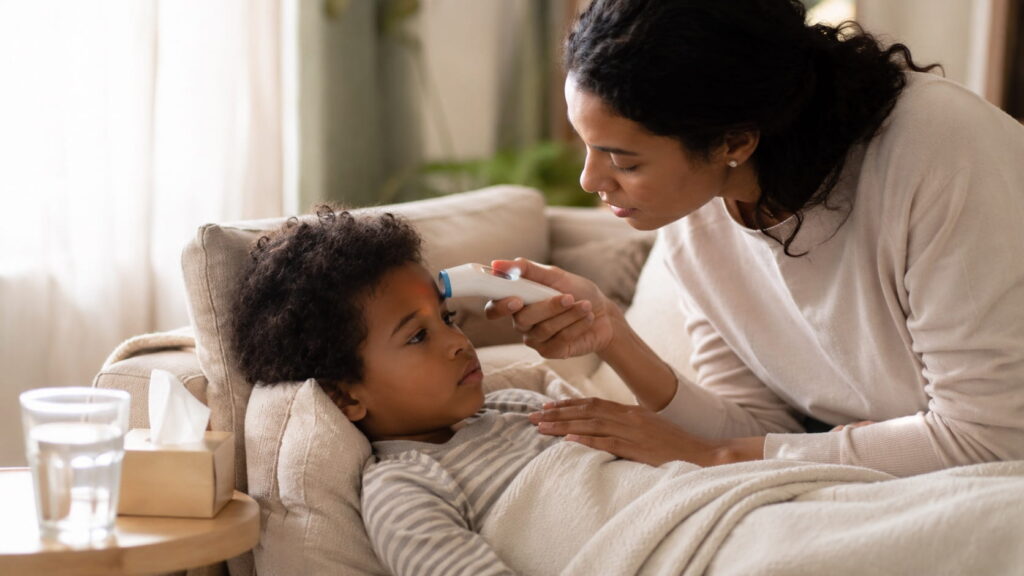
If you’re reading this with a thermometer in one hand and a cup of tea going cold in the other, welcome. You’re probably here because someone in your house feels warm, achy, and miserable, and you want to know how to break a fever fast, at home, without guesswork.
I’m McLee Tembo, a health consultant at NFH Clinic, and fever questions land in our inbox almost every day. Parents want to know how to reduce their child’s fever naturally, especially at night when everyone just wants some sleep. Adults want to know how to break a fever fast enough to get back to a normal day. Let’s walk through what genuinely helps in adults and children, what to skip, and when it’s time to call a doctor instead of Googling it at 2am.
💬 This article is for general information only and isn’t a substitute for professional medical advice, diagnosis, or treatment. Always consult a qualified healthcare provider about your own symptoms or your child’s, especially for infants, high fevers, or any of the warning signs listed below.
Overview
A fever is your body’s natural response to infection or illness, not a condition on its own. Most fevers are mild, temporary, and manageable at home with rest, fluids, and light clothing, with medication like acetaminophen or ibuprofen used if you’re uncomfortable. This guide covers how to take an accurate temperature, what causes a fever, how to reduce one safely in both adults and children, how long a fever typically lasts, and the specific signs that mean it’s time to see a doctor rather than wait it out.
Quick Facts
| Fever threshold (adults) | 100.4°F (38°C) or higher |
| Fastest relief | Rest, fluids, light clothing, fever reducer if needed |
| Medicine kicks in | Usually within 1–2 hours |
| Typical duration | Many uncomplicated viral fevers improve within a few days, though it depends on the cause |
| See a doctor (adults) | 103°F (39.4°C)+, lasts over 3 days, or comes with warning signs |
| See a doctor (infants) | Any fever in a baby under 3 months |
| Avoid in children and teens | Aspirin, linked to Reye’s syndrome |
| Avoid | Ice baths, cold showers, rubbing alcohol, extra medication doses |
In this Guide:
- Can You Actually "Break" a Fever?
- What Temperature Counts as a Fever?
- Why Fever Happens in the First Place
- What Causes a Fever?
- How to Break a Fever Fast at Home (Adults)
- Best Medicine for Fever in Adults
- How to Break a Fever Fast in a Child
- How to Reduce a Child's Fever Naturally at Night
- Can You Get Rid of a Fever in 24 Hours?
- Fever vs. Heatstroke: Know the Difference
- If You Live In or Have Recently Traveled to a Malaria-Risk Area
- What Not to Do When Breaking a Fever
- When to See a Doctor
- Frequently Asked Questions
- Key Takeaways
- Bottom Line
Can You Actually “Break” a Fever?
This is worth answering honestly, because it changes how you should approach the whole thing.
You can lower your temperature and feel more comfortable, but you usually can’t make the illness behind it disappear right away. Fever reducers work on the symptom, not the cause. That’s why the fever often creeps back up once the medicine wears off: the infection or inflammation causing it is still there, doing its thing in the background.
So the real goal isn’t to force the number back to 98.6°F as fast as possible. It’s to stay comfortable, hydrated, and rested while your body does the actual work of fighting off whatever’s making you sick.
What Temperature Counts as a Fever?
Normal body temperature isn’t a fixed number. It typically sits somewhere between 97°F and 99°F (36.1–37.2°C) and shifts a little depending on the time of day, your age, and how active you’ve been. What counts as a fever also depends on where you measure it, since different sites read differently:
| Measurement site | Fever threshold |
|---|---|
| Oral (mouth) | 100.4°F (38°C) or higher |
| Rectal, ear, or temporal artery (forehead) | 100.4°F (38°C) or higher |
| Armpit (axillary) | 99°F (37.2°C) or higher |
As a rough guide for how a fever tends to progress in adults:
| Temperature | What it generally means |
|---|---|
| Below fever threshold | Not classified as a fever |
| 100.4–102°F (38–38.9°C) | A fever, often manageable at home if you otherwise feel okay |
| 102.2–103.8°F (39–39.9°C) | Higher fever, worth monitoring closely |
| 104°F (40°C) or above | Very high temperature; seek medical advice, particularly if it doesn’t come down or symptoms are severe |
Treat these as a general guide rather than strict cutoffs. How you feel, your age, and any other symptoms matter just as much as the number itself.
Quick Fahrenheit-Celsius reference, since not everyone thinks in the same scale:
| °F | °C |
|---|---|
| 104 | 40.0 |
| 103 | 39.4 |
| 102 | 38.9 |
| 101 | 38.3 |
| 100.4 | 38.0 |
| 99 | 37.2 |
| 98.6 | 37.0 |
How to take a temperature correctly
A digital thermometer is the most reliable option at home. Glass mercury thermometers should be avoided entirely because of the risk of mercury exposure if they break.
- Oral: Place the tip under the tongue and close the mouth until the thermometer beeps. Not suitable for infants or young children who can’t hold it in place.
- Rectal: The most accurate method for infants and babies. Lubricate the tip, insert gently about half an inch, and hold both the child and thermometer still until it beeps.
- Temporal artery (forehead): A gentle sweep across the forehead with an infrared thermometer. Fast and non-invasive, though slightly less precise than oral or rectal.
- Armpit (axillary): Place the tip directly against the skin, not clothing, and hold in place until it beeps. This is the least accurate method, but useful for a quick check.
- Ear (tympanic): Insert gently as far as the device instructions specify. Accuracy can be affected by earwax or improper placement.
If you need both oral and rectal measurements, use two separate thermometers and label them clearly. Never use the same device for both. Ask your child’s doctor which method they’d recommend for your family.
Why Fever Happens in the First Place
When your body detects an infection, immune signals tell the hypothalamus, the part of your brain that manages temperature, to raise its internal set point. Your body then works to reach that higher target: you shiver to generate heat, and blood vessels narrow to hold heat in. That’s also why you can feel cold and shivery even while your temperature is climbing. Your body hasn’t caught up to its new, higher setting yet.
Once the immune response settles down, that set point drops back toward normal, and you start sweating and feeling warm as your body releases the extra heat.
What Causes a Fever?
Fever is a symptom, not a condition by itself, and it can come from more than just the common cold. The most frequent causes include:
- Viral infections, like the flu, colds, or COVID-19
- Bacterial infections, like strep throat or urinary tract infections
- Inflammatory conditions, like rheumatoid arthritis
- Reactions to vaccines or certain medications
- Heat-related illness, from prolonged heat exposure or exertion
- Parasitic infections, including malaria in regions where it’s present
Knowing the likely cause matters because treating the fever itself doesn’t treat what’s behind it. If the cause needs specific treatment, such as antibiotics for a bacterial infection, the fever will likely persist until that treatment takes effect.
How to Break a Fever Fast at Home (Adults)
1. Drink enough fluids
Fever burns through fluids faster than usual, through sweating and quicker breathing. Water is usually enough for a mild fever. If you’re sweating heavily, vomiting, or having trouble keeping fluids down, an oral rehydration solution can help replace both water and electrolytes more effectively than water alone. If you’re dehydrated, it’s sensible to go easy on alcohol and heavy caffeine intake, though a normal cup of coffee or tea isn’t going to undo your efforts.
2. Rest
Your immune system does its best work when you’re not asking your body to do much else. Lying down, napping when you can, and skipping strenuous activity gives your body time to recover and makes it easier to manage fatigue and aches along the way.
3. Dress and sleep light
Piling on blankets because you feel chilled is a natural instinct, but too many layers trap heat and can push your temperature higher. Light, breathable clothing and a single sheet or thin blanket work better, and you can adjust as the chills pass.
4. Cool down gently, only if you’re hot
A cool, damp cloth on the forehead or neck can bring real relief, and a lukewarm bath or shower works too. Skip ice packs and cold water altogether. Here’s the important part: if you’re shivering or feel chilled, don’t try to cool yourself down. Cooling measures only make sense once you’re actually feeling hot and flushed. Trying to cool a shivering body just makes you more uncomfortable and can push your temperature up further.
5. Eat if you can, but don’t force it
You don’t need to eat a full meal to fight off a fever. If you have an appetite, light and easy-to-digest foods like soup, toast, or fruit are a good choice. If you don’t, that’s fine too, as long as you’re keeping up with fluids.
6. Use a fever reducer if you’re uncomfortable
This is usually the fastest way to feel noticeably better. Here’s how to choose one safely.
Best Medicine for Fever in Adults
When it comes to choosing a fever reducer for adults, acetaminophen (Tylenol) and ibuprofen (Advil, Motrin) are the two most commonly used options, and both lower fever while easing the aches and headache that tend to come with it.
| Medicine | Reduces fever? | Worth knowing |
|---|---|---|
| Acetaminophen | Yes | Be cautious with liver disease or heavy alcohol use, and check you’re not doubling up with a cold/flu combo product that already contains it |
| Ibuprofen | Yes | Take with food; use caution with kidney problems, stomach ulcers, or if you’re significantly dehydrated |
| Aspirin | Can reduce fever | Not appropriate for children or teenagers because of Reye’s syndrome risk; adults should check with a doctor or pharmacist about bleeding risk and other interactions before use |
Which Fever Reducer Should You Take: Acetaminophen or Ibuprofen?
There isn’t a universal winner. Acetaminophen may be an option when NSAIDs like ibuprofen aren’t suitable, such as with certain stomach conditions, while ibuprofen may be more useful when inflammation and body aches are prominent. Your medical history and any other medications you take can affect which is appropriate, so check with a pharmacist or doctor if you’re unsure.
How Long Does Fever Medicine Take to Work?
Most fever reducers start easing your temperature and discomfort within one to two hours. Your temperature might not drop all the way to normal, and that’s expected, not a sign the medicine failed.
Can You Alternate Acetaminophen and Ibuprofen?
Don’t do this routinely on your own. Alternating between the two is sometimes used under a doctor’s specific guidance, but doing it without direction raises the risk of dosing mistakes. Stick to one, follow the label, and don’t take extra doses just because the fever hasn’t fully gone.
How to Break a Fever Fast in a Child
Fevers in kids tend to feel scarier than they usually are, mostly because children can’t always tell you how they feel. Age is the single biggest factor in how you should respond.
Under 3 months old: any rectal temperature of 100.4°F (38°C) or higher needs same-day medical evaluation, even if your baby seems otherwise fine. This isn’t a “wait and see” situation.
3 to 6 months old: contact your child’s doctor if their rectal temperature is above 102°F (38.9°C), or if it’s lower but they seem unusually irritable, sluggish, or uncomfortable.
7 to 24 months old: contact your child’s doctor if their temperature is above 102°F (38.9°C) and lasts more than a day without other symptoms. If they also have a runny nose, cough, diarrhea, or other symptoms alongside the fever, it’s fine to call sooner rather than waiting a full day.
6 months and older, in general: focus on comfort. Offer fluids, dress them lightly, and use an age- and weight-appropriate dose of acetaminophen or ibuprofen if they’re uncomfortable. Ibuprofen is generally an option from 6 months onward, but always check the dosing chart on the package, since children’s doses are based on weight, not age alone.
At any age: contact your child’s doctor if the fever lasts more than three days, or sooner if your child seems unusually listless, confused, has poor eye contact, is irritable, vomits repeatedly, or has a severe headache or stomachache.
A few extra points that matter for children specifically:
- Offer fluids often, in small amounts. Popsicles, diluted juice, and oral rehydration solutions all count. For babies under 6 months, stick with breast milk or formula rather than substituting water.
- Never use rubbing alcohol on a child’s skin to cool them down. It can be absorbed through the skin and cause serious harm.
- Never give aspirin to a child or teenager.
- Don’t give an infant any pain reliever or fever medicine without talking to a doctor first, even if you have children’s acetaminophen or ibuprofen at home. Dosing for the youngest babies isn’t something to guess at.
- You generally don’t need to wake a sleeping child just to check their temperature or give medicine (more on this below).
How to Reduce a Child’s Fever Naturally at Night
Nighttime fevers are their own challenge, since everyone needs rest, but a warm, restless child doesn’t sleep well. A few things genuinely help:
- Keep the room comfortably cool and well ventilated, without making your child cold enough to shiver. There’s no need for a specific number on the thermostat, just comfortable and breathable.
- Dress them in light cotton pajamas rather than fleece or heavy fabric.
- Offer a small drink before bed, and keep water or an electrolyte drink nearby in case they wake up thirsty.
- If chills hit before the fever peaks, one light blanket is fine, but pull it back once they start sweating.
- Trust your judgment on checking in overnight. If they seem stable and are sleeping well, you don’t need to wake them repeatedly. If something feels off, check more often.
If your child’s fever spikes suddenly, comes with a rash, or they’re unusually hard to wake, don’t wait until morning. Call your pediatrician’s after-hours line or head to urgent care.
Can You Get Rid of a Fever in 24 Hours?
Sometimes, but there’s no method that guarantees it. How long a fever lasts depends mostly on what’s causing it, not on how aggressively you treat it. Fever reducers can bring your temperature down temporarily and make you more comfortable, but they don’t clear the underlying infection any faster.
Many uncomplicated viral fevers improve within a few days, though the exact duration depends on what’s causing it, some infections run their course faster than others. If a fever in an adult lasts more than three days, keeps worsening, or doesn’t respond at all to appropriate medication, that’s the point to get it checked rather than waiting it out further.
There’s also no safe way to cure a fever immediately, since fever is a symptom, not a condition on its own. The quickest path to feeling better depends entirely on what’s behind it.
Fever vs. Heatstroke: Know the Difference
A fever from infection and dangerous overheating aren’t the same thing, and they shouldn’t be managed the same way.
A fever happens because your body’s internal thermostat has been reset higher by your immune system. Heatstroke happens when your body absorbs or generates more heat than it can get rid of, often from heavy exertion or extreme environmental heat, and it can push your temperature to 104°F (40°C) or higher along with confusion, fainting, or seizures.
Heatstroke is a medical emergency. It needs rapid cooling and urgent care, not the gradual home approach used for a typical fever. If someone has been in intense heat or exercising hard and shows confusion or collapse alongside a very high temperature, call for emergency help immediately.
If You Live In or Have Recently Traveled to a Malaria-Risk Area
This is worth calling out specifically, since it’s easy to miss if you’re used to Western health advice. Don’t automatically assume a fever is just a cold or flu if you live in or have recently traveled through a malaria-risk region. Malaria can cause fever and can become serious, so prompt testing and medical evaluation are important when it’s a realistic possibility.
If malaria could be the cause, get tested and evaluated rather than relying on rest and fever reducers alone. A healthcare professional can arrange the appropriate testing and treatment quickly.
What Not to Do When Breaking a Fever
A few common habits work against you rather than for you:
- Avoid bundling up in heavy blankets to “sweat it out.” This traps heat and can push a fever higher rather than helping it break.
- Don’t stack medications or take extra doses. More medicine won’t clear the fever faster, and it raises your risk of side effects.
- Don’t rely on unproven folk remedies like onion socks, garlic paste, or forced sweating through exercise, instead of the basics that actually work.
- Don’t medicate a fever away just to get to work, school, or daycare. Whether you’re still contagious depends on what’s causing the fever, and masking symptoms with medication doesn’t change that.
- Don’t dismiss warning signs just because the fever itself feels manageable.
When to See a Doctor
Most fevers are manageable at home, but certain signs mean it’s time for medical attention rather than waiting it out.
For adults, get medical care if:
- Temperature reaches 103°F (39.4°C) or higher
- The fever lasts more than three days
- It doesn’t improve with appropriate medication
- You have a severe headache, stiff neck, or sensitivity to light
- You’re having difficulty breathing or chest pain
- You’re vomiting persistently or showing signs of dehydration
- You feel confused or unusually drowsy
For infants and children, get medical care if:
- Your baby is under 3 months old with any fever at all
- Your baby is 3 to 6 months old with a rectal temperature above 102°F (38.9°C), or a lower fever paired with unusual irritability or sluggishness
- Your child is 7 to 24 months old with a fever above 102°F (38.9°C) lasting more than a day without other symptoms, or sooner if other symptoms are present
- The fever lasts more than three days at any age
- They seem limp, unusually hard to wake, or inconsolable
- They have a seizure, rash, or trouble breathing
- They’re refusing fluids or showing signs of dehydration, like dry lips or noticeably fewer wet diapers
If you’re ever unsure, it’s always safer to check in with a provider than to guess. NFH Clinic offers consultations if you’d rather have a professional opinion than rely on trial and error.
Frequently Asked Questions
What’s the fastest way to lower a fever?
Rest, fluids, and an appropriate dose of acetaminophen or ibuprofen work fastest together. Gentle cooling, like a lukewarm cloth, helps too, but only once you’re feeling hot rather than chilled.
How can I break a fever naturally, without medication?
Rest, fluids, light clothing, and a comfortably cool room can ease a mild fever on their own. For higher fevers or real discomfort, natural methods alone often aren’t enough, and medication becomes the more sensible choice.
Should I take acetaminophen or ibuprofen?
Both work well. Acetaminophen may be an option when NSAIDs aren’t suitable, while ibuprofen may help more with body aches and inflammation. Your medical history and other medications matter here, so check with a pharmacist if you’re unsure which fits you.
Can a fever come back after medicine wears off?
Yes, and that’s expected. Fever reducers treat the symptom, not the underlying cause, so the temperature can rise again once the medicine wears off. That’s not a sign anything has gone wrong.
Is sweating a sign the fever is breaking?
Sweating can happen when your fever’s set point starts coming back down, so it can be a reasonable sign of improvement. But it isn’t a reliable way to confirm the illness itself is resolving. Keep an eye on your temperature and how you feel overall rather than relying on sweating alone.
Should I wake a sleeping child to give them fever medicine?
If they’re sleeping comfortably and breathing normally, it’s usually fine to let them sleep and give the next dose when they wake. Comfort and rest matter more than sticking to a rigid schedule.
Is there a way to cure a fever immediately?
Not safely, no. Fever is a symptom, not a condition on its own, so there’s no shortcut that clears it instantly. The fastest realistic approach is rest, fluids, and an appropriate fever reducer, which can ease discomfort within one to two hours, while the actual cause runs its course.
Is it safe to let a mild fever run its course?
Often, yes. A mild fever is usually a sign your immune system is doing its job. As long as you’re comfortable, staying hydrated, and resting, it’s fine to let it resolve naturally while watching for any new or worsening symptoms.
What temperature is dangerous?
For adults, a temperature of 103°F (39.4°C) or higher is a reason to contact a doctor, and 104°F (40°C) or above warrants prompt medical advice, especially with other symptoms. For infants under 3 months, any fever at all is treated as urgent. Context matters too: a lower fever with severe symptoms can be more concerning than a higher one without them.
Why won’t my fever go down?
Fever reducers lower your temperature temporarily, but they don’t treat what’s causing the fever, so it can climb back up as the medicine wears off. This is expected and doesn’t necessarily mean anything is wrong. If your temperature stays high despite appropriate medication, or keeps climbing, that’s a reason to get checked rather than taking more medicine than directed.
Key Takeaways
- A fever is your immune system at work, not an emergency by itself. The goal is comfort, not forcing the number to normal.
- Rest, fluids, and light clothing are the foundation of treatment for both adults and children.
- Acetaminophen and ibuprofen both work well; the right choice depends on your health history, and neither should be doubled up or alternated without medical guidance.
- Fevers can return once medicine wears off. That’s expected, not a sign something’s wrong.
- Babies under 3 months with any fever need same-day medical care, no exceptions.
- Skip cold showers, ice baths, rubbing alcohol, and heavy blankets. All of them work against you.
- If you’re in or have recently traveled through a malaria-risk area, don’t assume it’s “just a fever.”
- Most fevers resolve within a few days. Persistent, very high, or symptom-heavy fevers need a doctor’s evaluation.
Bottom Line
Breaking a fever isn’t really about rushing the number down as fast as possible. It’s about supporting your body while it does the work it’s designed to do: staying hydrated, resting, cooling off sensibly, and using medication when it genuinely helps. Most fevers in both adults and children resolve within a few days with basic home care.
But not every fever is the same, and knowing when to move from home care to a doctor’s visit, or to consider something like malaria if you’re in a risk area, matters just as much as knowing how to bring the temperature down. If you’re ever unsure, NFH Clinic is here to help you figure out the next right step, whether that’s reassurance or a same-day consultation.
Stay comfortable, stay hydrated, and give your body the rest it’s asking for.
Related Articles: