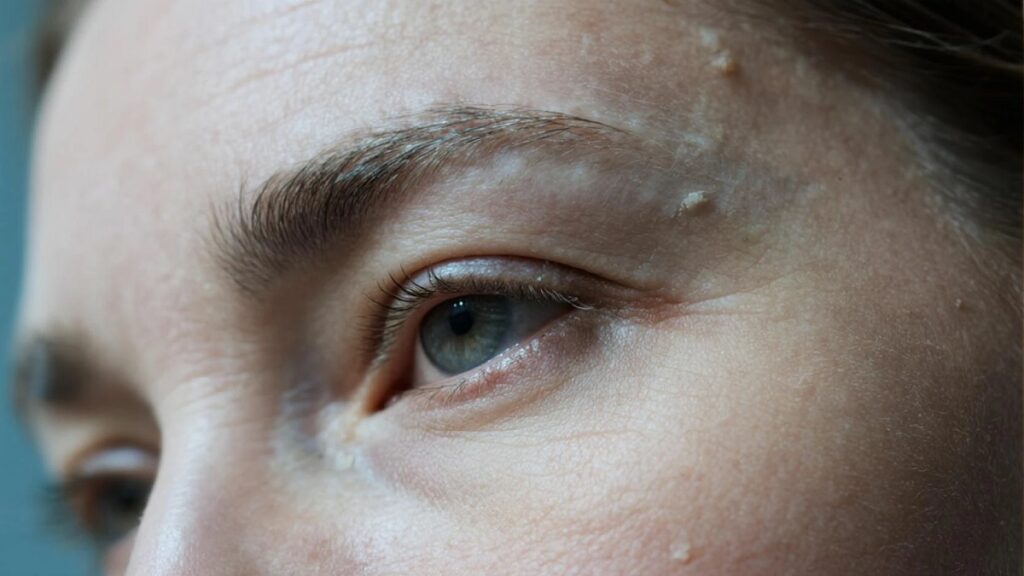
Skin health is not only cosmetic. It is a direct reflection of your internal nutritional status, immune function, and overall systemic health. In clinical practice, one of the earliest and most visible warning signs of vitamin or mineral deficiency appears on the skin.
Major medical authorities such as Mayo Clinic, Cleveland Clinic, and WebMD recognize that deficiencies in essential nutrients—including vitamins A, B-complex, C, D, E, iron, and zinc—can cause dryness, acne, dermatitis, delayed wound healing, premature aging, and other serious dermatologic symptoms.
This comprehensive medical guide explains:
- Which vitamin deficiencies affect your skin
- Early warning signs and clinical symptoms
- Real patient examples and outcomes
- Scientific evidence and mechanisms
- Diagnostic approaches
- Evidence-based treatment and prevention
Why Vitamin Deficiencies Affect the Skin
The skin is the largest organ in the human body and has one of the fastest cell turnover rates. New skin cells constantly replace old ones. This process requires adequate nutrition, oxygen, and proper immune regulation.
When essential vitamins or minerals are lacking, the skin cannot regenerate, repair damage, or maintain hydration properly.
Key biological processes affected by vitamin deficiency include:
- Collagen production
- Skin barrier protection
- Inflammation control
- Wound healing
- Immune defense against infections
- Oil (sebum) regulation
- Pigment production
Clinical Interpretation
When these processes fail, visible skin disease develops. In many patients, skin symptoms appear before laboratory abnormalities are diagnosed.
This makes skin examination an important diagnostic tool in preventive healthcare.
Vitamin A Deficiency and Skin Problems
Vitamin A is essential for skin cell growth, repair, and immune defense.
Without adequate vitamin A, the skin cannot produce healthy new cells.
Clinical Skin Symptoms
Common symptoms include:
- Dry, rough skin
- Bumpy skin (keratosis pilaris)
- Thickened skin patches
- Poor wound healing
- Increased infection risk
These symptoms occur because vitamin A regulates keratin production. Keratin is a structural protein in skin.
Without vitamin A, keratin builds up abnormally.
This leads to rough, uneven skin texture.
Clinical Case Example
Case Study: Female, Age 24 – Chronic Rough Skin
A patient presented with persistent rough skin on arms and thighs for over two years.
She had tried moisturizers without improvement.
Blood tests revealed low vitamin A levels.
After 12 weeks of dietary correction and supplementation:
- Skin texture improved significantly
- Inflammation decreased
- Skin became smoother
Clinical Outcome
This case demonstrates that some chronic skin conditions are nutritional—not cosmetic.
Evidence-Based Mechanism
Vitamin A supports:
- Epidermal cell turnover
- Sebaceous gland regulation
- Immune protection
Deficiency leads to:
- Hyperkeratosis
- Dry skin
- Increased acne risk
Vitamin B-Complex Deficiency and Skin Problems
B vitamins are essential for energy production, nerve function, and skin health.
Deficiency is extremely common worldwide.
Each B vitamin affects the skin differently.
Common Skin Symptoms
Patients may experience:
- Cracked lips (angular cheilitis)
- Redness
- Skin inflammation
- Acne
- Rash
- Oily or dry skin
- Itching
These symptoms occur because B vitamins regulate:
- Skin oil production
- Cell regeneration
- Inflammation control
Specific B Vitamin Deficiencies
Vitamin B2 (Riboflavin)
Symptoms include:
- Cracked mouth corners
- Red tongue
- Facial rash
Vitamin B3 (Niacin)
Severe deficiency causes:
- Dermatitis
- Darkened skin
- Scaling
This condition is called pellagra.
Vitamin B7 (Biotin)
Symptoms include:
- Dry skin
- Hair thinning
- Skin rash
Vitamin B12
Deficiency causes:
- Pale skin
- Hyperpigmentation
- Hair loss
Clinical Case Example
Case Study: Male, Age 32 – Persistent Facial Rash
Patient had chronic facial rash resistant to creams.
He followed a restrictive diet lacking animal products.
Lab tests confirmed Vitamin B12 deficiency.
Treatment:
- B12 supplementation
- Nutritional correction
Outcome:
- Rash resolved in 8 weeks
Vitamin C Deficiency and Skin Damage
Vitamin C is essential for collagen production.
Collagen keeps skin firm and strong.
Without vitamin C, skin weakens.
Clinical Symptoms
Symptoms include:
- Easy bruising
- Fragile skin
- Slow wound healing
- Bleeding gums
- Wrinkles
Severe deficiency causes scurvy.
Clinical Explanation
Vitamin C supports:
- Collagen synthesis
- Antioxidant protection
- Wound healing
Without it:
- Skin breaks easily
- Healing slows dramatically
Clinical Case Example
Case Study: Male, Age 55 – Slow Healing Wounds
Patient had wounds that did not heal for months.
He had poor fruit intake.
Vitamin C deficiency confirmed.
After treatment:
- Wounds healed normally
- Skin strength improved
Vitamin D Deficiency and Skin Disorders
Vitamin D deficiency affects over 1 billion people worldwide.
It plays a critical role in skin immune function.
Common Skin Symptoms
Patients may develop:
- Dry skin
- Eczema
- Psoriasis-like symptoms
- Acne
Mechanism
Vitamin D regulates:
- Skin immune response
- Inflammation
- Skin barrier function
Without it:
- Skin becomes inflamed
- Infection risk increases
Clinical Case Example
Case Study: Female, Age 40 – Chronic Eczema
Patient had eczema for years.
She worked indoors with little sunlight.
Vitamin D deficiency confirmed.
Treatment:
- Vitamin D supplementation
Outcome:
- Significant eczema improvement
Vitamin E Deficiency and Skin Aging
Vitamin E protects skin from oxidative damage.
It prevents premature aging.
Skin Symptoms
Symptoms include:
- Dry skin
- Wrinkles
- Skin damage
- Poor healing
Clinical Explanation
Vitamin E protects against:
- Sun damage
- Free radicals
Without it:
- Skin ages faster
Zinc Deficiency and Skin Disease
Zinc is critical for skin repair and immune function.
It is one of the most important nutrients for skin healing.
Skin Symptoms
Common signs:
- Acne
- Dermatitis
- Delayed wound healing
- Skin inflammation
Clinical Case Example
Case Study: Teenager with Severe Acne
Patient had severe acne resistant to treatment.
Zinc deficiency identified.
Treatment:
- Zinc supplementation
Outcome:
- Acne significantly reduced
Iron Deficiency and Skin Appearance
Iron deficiency affects oxygen delivery to tissues.
Skin cannot function properly without oxygen.
Skin Symptoms
Patients may develop:
- Pale skin
- Dark under-eye circles
- Hair loss
- Weak nails
Clinical Case Example
Case Study: Female, Age 28 – Pale Skin and Fatigue
Iron deficiency diagnosed.
Treatment:
Outcome:
- Skin color returned to normal
Slow Wound Healing: Major Warning Sign
Delayed wound healing is one of the most serious signs.
It may indicate deficiency in:
- Vitamin C
- Zinc
- Iron
- Protein
Clinical Importance
Poor healing increases risk of:
- Infection
- Chronic wounds
- Hospitalization
Premature Aging and Wrinkles
Wrinkles may result from deficiency in:
- Vitamin C
- Vitamin E
- Vitamin A
These nutrients protect collagen.
Causes of Vitamin Deficiencies
Understanding the cause is essential.
Common causes include:
Poor Diet
Most common cause worldwide.
Examples include:
- Low fruit intake
- Low vegetable intake
- Highly processed food diet
These foods lack nutrients.
Medical Conditions
Conditions affecting absorption include:
- Digestive disorders
- Chronic illness
Limited Sun Exposure
Major cause of Vitamin D deficiency.
Common in:
- Office workers
- Indoor lifestyles
Aging
Older adults absorb nutrients less efficiently.
How Doctors Diagnose Vitamin Deficiency
Diagnosis includes:
Medical History
Doctors evaluate:
- Diet
- Symptoms
Physical Examination
Skin signs provide important clues.
Blood Tests
This confirms deficiency.
Treatment and Recovery Timeline
Treatment depends on severity.
Mild Deficiency
Recovery in:
- 4 to 8 weeks
Severe Deficiency
Recovery may take:
- 3 to 6 months
Best Foods for Healthy Skin
Patients should consume:
Vitamin A
Sources:
- Carrots
- Sweet potatoes
Vitamin C
Sources:
- Oranges
- Fruits
Vitamin D
Sources:
- Sunlight
- Fish
Zinc
Sources:
- Meat
- Seeds
Iron
Sources:
- Red meat
- Spinach
Preventing Skin Problems from Deficiency
Prevention includes:
Balanced Diet
Most effective prevention method.
Medical Checkups
Early detection prevents complications.
How to Prevent Vitamin Deficiency-Related Skin Problems
Prevention focuses on maintaining optimal nutrition, absorption, and lifestyle.
This approach protects both skin health and overall health.
1. Eat a Nutrient-Dense Diet
The most effective prevention is proper nutrition.
Key foods include:
Vitamin A foods:
- Carrots
- Sweet potatoes
- Eggs
Vitamin C foods:
- Citrus fruits
- Tomatoes
- Vegetables
Vitamin D foods:
- Fatty fish
- Eggs
Iron foods:
- Lean meat
- Beans
- Leafy greens
Zinc foods:
- Meat
- Nuts
- Seeds
These nutrients support skin repair and regeneration.
2. Get Safe Sun Exposure
Sun exposure allows your body to produce vitamin D.
Recommended:
- 10–20 minutes sunlight exposure
- 3–4 times weekly
This improves:
- Skin immunity
- Skin repair
Avoid excessive sun exposure.
3. Avoid Highly Processed Diets
Highly processed foods lack essential nutrients.
These foods increase risk of:
- Acne
- Premature aging
- Skin inflammation
Replace processed foods with whole foods.
4. Treat Digestive Problems
Conditions affecting absorption include:
- Chronic gut disorders
- Malabsorption conditions
Treating these improves nutrient levels.
5. Regular Medical Checkups
Routine testing helps detect deficiency early.
Early detection prevents complications.
6. Identify High-Risk Individuals
Higher risk groups include:
- Older adults
- Vegetarians without proper planning
- People with chronic illness
- People with poor diet
These individuals benefit from monitoring.
When to See a Medical Professional
Seek care if you experience:
- Persistent rash
- Pale skin
- Slow wound healing
These may indicate serious deficiency.
Clinical Summary: Key Medical Insight
Skin symptoms often indicate internal disease.
Ignoring these signs delays treatment.
Early diagnosis leads to full recovery.
Patient Outcome Example: Full Recovery Case
Patient had:
- Dry skin
- Fatigue
Diagnosis:
- Multiple deficiencies
Treatment:
- Nutrition correction
Outcome:
- Complete recovery
Frequently Asked Questions (FAQs)
1. Which vitamin deficiency causes the most skin problems?
Several deficiencies affect the skin, but the most clinically significant include:
- Vitamin A – causes dry, rough skin
- Vitamin B-complex – causes rashes, acne, and inflammation
- Vitamin C – causes slow healing and fragile skin
- Vitamin D – linked to eczema and psoriasis
- Zinc – causes acne and delayed healing
- Iron – causes pale skin and hair loss
These nutrients are essential for skin regeneration, immune function, and collagen production.
When deficiencies are corrected, skin often improves within weeks to months.
2. Can vitamin deficiency cause acne?
Yes. Acne is strongly linked to deficiencies in:
- Zinc
- Vitamin A
- Vitamin B vitamins
- Vitamin D
These nutrients regulate oil production, inflammation, and immune defense.
Deficiency increases:
- Oil imbalance
- Bacterial growth
- Skin inflammation
Clinical studies show zinc supplementation can significantly reduce acne severity.
3. Can vitamin deficiency cause dry skin?
Yes. Dry skin is one of the most common signs.
Deficiencies linked to dry skin include:
- Vitamin A
- Vitamin D
- Vitamin E
- Vitamin C
- Omega-3 fatty acids
These nutrients maintain the skin barrier and hydration.
Without them, skin loses moisture and becomes rough.
4. How long does it take to reverse skin problems caused by vitamin deficiency?
Recovery depends on severity.
Typical timeline:
- Mild deficiency: 4–8 weeks
- Moderate deficiency: 2–3 months
- Severe deficiency: 3–6 months
Skin repair takes time because new skin cells must regenerate.
Early treatment leads to faster recovery.
5. Can iron deficiency affect your skin?
Yes. Iron deficiency reduces oxygen delivery to skin.
This causes:
- Pale skin
- Dark under-eye circles
- Hair loss
- Fatigue
Iron treatment usually improves skin color within 6–12 weeks.
6. Can vitamin deficiency cause itching?
Yes.
Common causes include deficiency in:
- Vitamin D
- Vitamin B12
- Iron
These deficiencies affect nerve function and skin barrier health.
7. Are skin symptoms sometimes the first sign of deficiency?
Yes.
In many patients, skin symptoms appear before other symptoms.
Examples:
- Pale skin before anemia diagnosis
- Dry skin before vitamin A deficiency is detected
- Slow healing before vitamin C deficiency is confirmed
This makes skin an important early warning system.
8. Should you take supplements or improve diet first?
Medical professionals usually recommend:
First line:
- Improve diet
Second line:
- Supplements if deficiency confirmed
Excess supplementation can be harmful.
Always follow clinical guidance.
9. Can vitamin deficiency cause acne?
Yes. Zinc and B vitamin deficiencies are common causes.
10. Can vitamin deficiency cause dry skin?
Yes. Vitamin A, D, and E deficiencies cause dry skin.
11. How long does recovery take?
Most patients recover within 3 months.
Final Medical Conclusion
Vitamin deficiencies are a major but often overlooked cause of skin disease.
The skin provides early warning signs.
Recognizing these signs allows early treatment.
Proper nutrition restores skin health and prevents serious complications.
Related Articles: