Pregnancy has a way of turning grocery shopping into a research project. One article tells you salmon is a superfood, the next warns you about mercury. Someone’s mother-in-law swears by liver, your doctor mentioned folate at your first appointment, and somewhere in between you’re just trying to figure out what to actually put on your plate tonight.
This guide cuts through that noise. It’s built around what the science and major medical bodies actually agree on, organized by what you need at each stage of pregnancy, and written so you can find an answer in thirty seconds or read the whole thing over your lunch break.
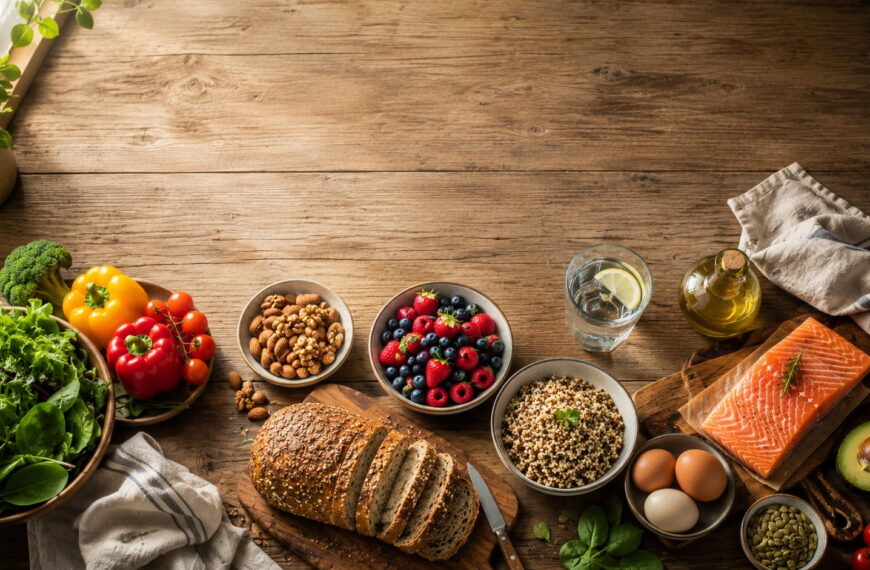
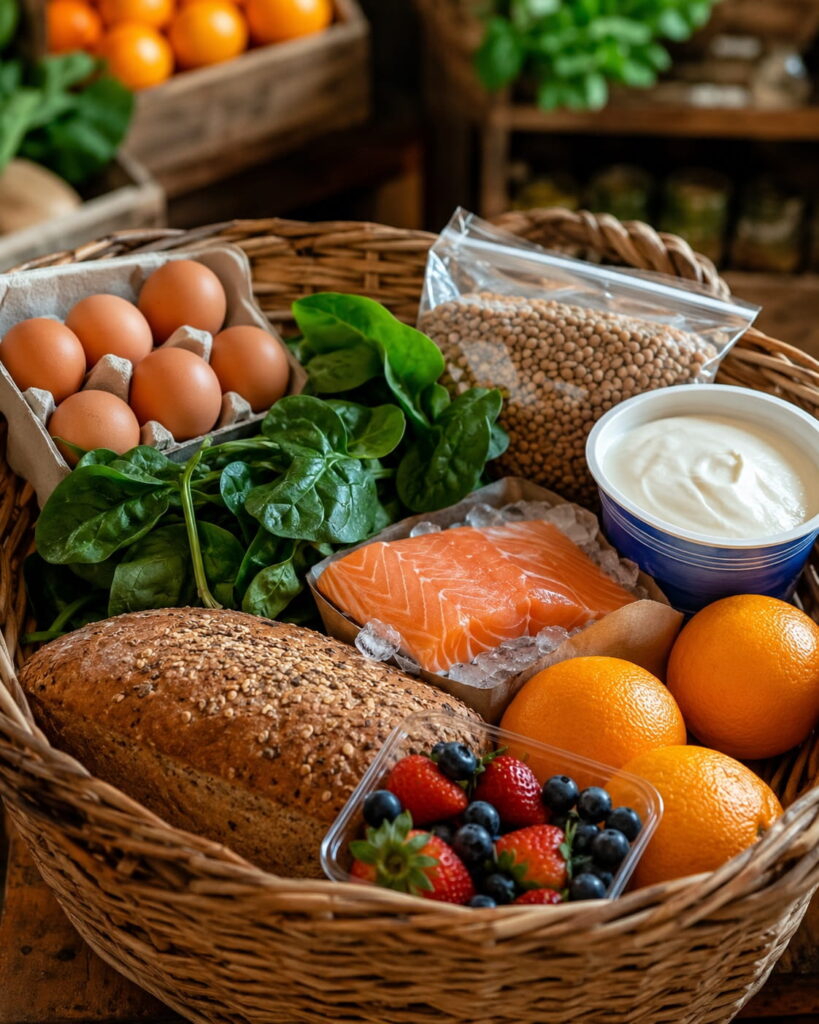
Quick Answer: The best foods to eat while pregnant include leafy greens, lentils and beans, eggs, low-mercury fatty fish like salmon, dairy or fortified plant milk, whole grains, nuts, and a variety of fruits and vegetables. Together, these provide folate, iron, choline, omega-3 DHA, calcium, vitamin D, iodine, protein, and fiber — the nutrients most closely linked to healthy fetal development.
In this article:
- Best Foods to Eat When Pregnant
- Why Nutrition Matters So Much in Pregnancy
- Daily Nutrient Requirements Table
- "Can I Eat…?" Quick Safety Table
- Best Foods to Eat While Pregnant
- Food Comparison Table
- Eating by Trimester: What to Eat During Pregnancy
- Common Pregnancy Symptoms and Foods That Help
- Hydration During Pregnancy
- Healthy Pregnancy Snacks
- 7-Day Pregnancy Meal Plan
- Foods to Avoid During Pregnancy
- Food Safety and Storage Basics
- When to Call Your Doctor
- Pregnancy Nutrition Myths vs. Facts
- Common Nutrition Mistakes to Avoid
- Budget-Friendly Pregnancy Nutrition
- Vegetarian and Vegan Pregnancy Nutrition
- Global and Cultural Food Options
- Shopping and Cooking Tips
- Frequently Asked Questions
- Key Takeaways
- Your 7-Day Action Plan: Start Today
- Conclusion
- References
Best Foods to Eat When Pregnant
There’s no single miracle “superfood.” What matters most is the pattern of eating across weeks and months, plus a daily prenatal vitamin to cover gaps that food alone often can’t close.
Build most days around:
- Leafy greens and legumes (spinach, lentils, black beans) — folate and iron
- Fatty fish low in mercury (salmon, sardines, trout) — omega-3 DHA
- Eggs — choline and complete protein
- Dairy or fortified alternatives — calcium and vitamin D
- Iodine-rich foods (dairy, seafood, iodized salt) — thyroid and brain development
- Whole grains — fiber and sustained energy
- Colorful fruits and vegetables — vitamin C, potassium, antioxidants
- Nuts and seeds — healthy fats and protein
- Water, consistently, throughout the day
💡 Did You Know? Your blood volume increases by up to 50% during pregnancy — one reason iron needs rise so sharply, even though your calorie needs barely change in the first trimester.
Why Nutrition Matters So Much in Pregnancy
During pregnancy, your body is doing something remarkable: building an entire human’s organs, skeleton, brain, and blood supply, largely from the raw materials you eat. Your baby’s needs for certain nutrients — folate, iron, iodine, choline — go up far more steeply than your total calorie needs do.
That’s the key insight most generic diet advice misses: pregnancy isn’t really about “eating for two” in terms of quantity. Most pregnant people only need a modest increase in calories — roughly none in the first trimester, about 340 extra per day in the second, and about 450 extra in the third, according to general clinical guidance from ACOG and similar bodies. What changes dramatically is the need for specific nutrients relative to those calories.
That’s why nutrient density — not just calorie count — is the organizing idea behind everything in this guide.
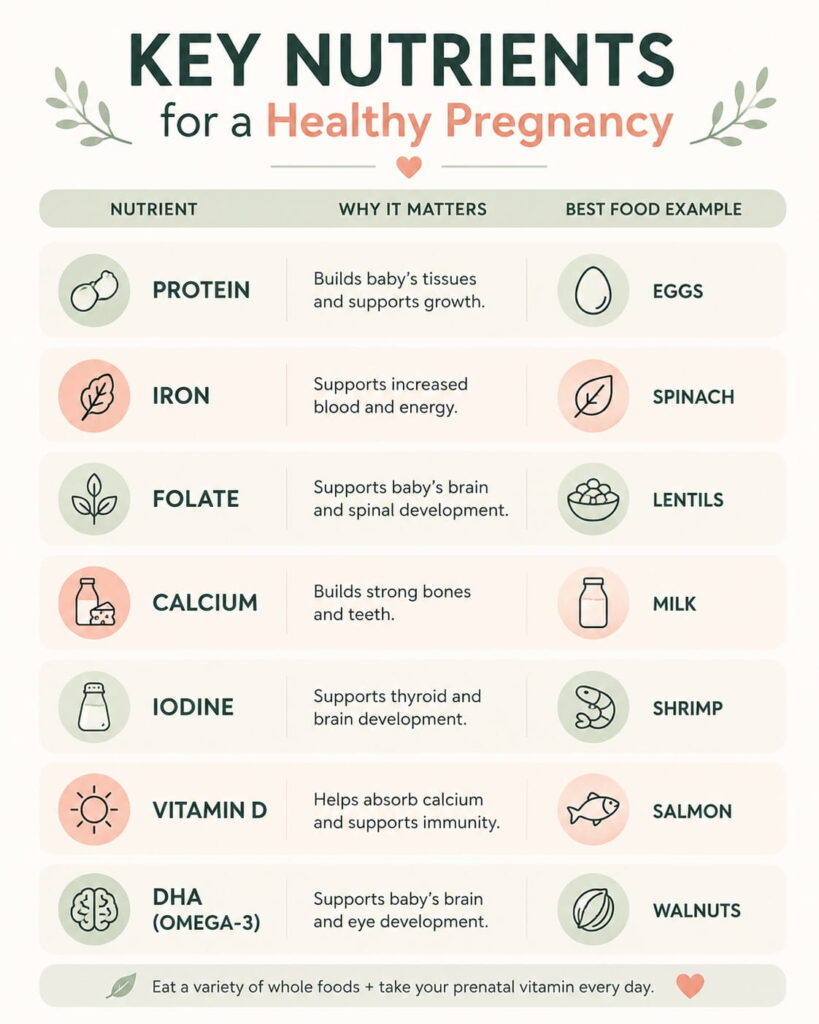
Daily Nutrient Requirements Table
This table shows commonly cited pregnancy targets alongside the best food sources for each. Exact numbers can vary slightly by country and by trimester, so treat these as general reference points rather than a personal prescription — your provider may adjust them based on your labs and history.
| Nutrient | Typical Daily Pregnancy Target | Best Food Sources | Why It Matters |
|---|---|---|---|
| Protein | ~71 g/day | Eggs, poultry, fish, beans, lentils, Greek yogurt, tofu | Builds fetal tissue, placenta, and expanding blood supply |
| Iron | ~27 mg/day | Red meat, poultry, beans, spinach, fortified cereal | Supports increased blood volume; prevents anemia |
| Folate | ~600 mcg DFE/day | Lentils, chickpeas, spinach, asparagus, fortified cereal, oranges | Supports early neural tube development |
| Choline | ~450 mg/day | Eggs (yolks), lean meat, soybeans | Supports brain development and placental function |
| Calcium | ~1,000 mg/day | Dairy, fortified plant milk, tofu, sardines with bones, leafy greens | Builds baby’s bones and teeth; protects your bone density |
| Iodine | ~220 mcg/day | Dairy, seafood, iodized salt, eggs | Drives fetal thyroid hormone and brain development |
| Vitamin D | ~600 IU/day | Fatty fish, fortified milk, egg yolks, sunlight | Works with calcium for bone development |
| Zinc | ~11 mg/day | Meat, shellfish, beans, seeds | Supports cell growth and immune function |
| Magnesium | ~350–400 mg/day | Nuts, whole grains, leafy greens | Supports muscle function; may ease leg cramps |
| DHA (Omega-3) | ~200–300 mg/day | Salmon, sardines, trout, walnuts, algae-based supplements | Supports fetal brain and eye development |
| Fiber | ~28 g/day | Whole grains, fruit, vegetables, beans, chia seeds | Eases constipation; supports steady blood sugar |
Recommended nutrient intakes vary slightly between countries and individual circumstances. The values shown above are general reference points based on guidance from organizations such as ACOG, the NIH Office of Dietary Supplements, and other national health authorities — not a personal prescription.
A daily prenatal vitamin is generally recommended to help close any gaps, particularly for folate, iron, and iodine — but it’s meant to complement food, not replace it.
🔬 Scientific Evidence: Research consistently links adequate folate intake before conception and in early pregnancy to a reduced risk of neural tube defects, while sufficient DHA, iron, iodine, and choline are associated with healthy fetal brain and nervous system development. This is part of why these particular nutrients get so much emphasis throughout this guide.
“Can I Eat…?” Quick Safety Table
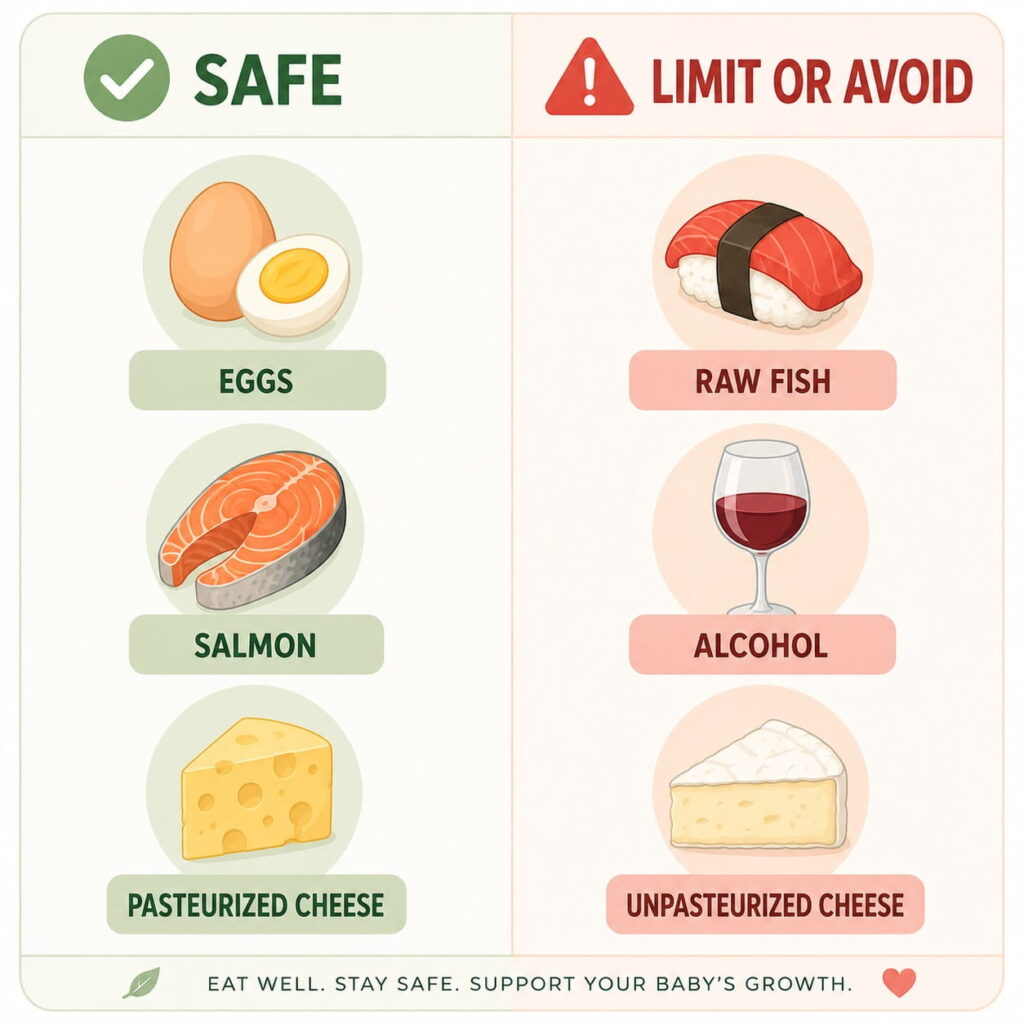
This is one of the most common questions in pregnancy nutrition. Here’s a fast reference for foods people frequently ask about — see the Foods and Drinks to Avoid or Limit section below for more detail on each category.
| Food | Safe? | Notes |
|---|---|---|
| Eggs | ✅ | Fully cooked, no runny yolk |
| Salmon | ✅ | Low-mercury; 2–3 servings/week |
| Tuna | ⚠️ | Limit to low-mercury varieties (light/skipjack); avoid bigeye |
| Sushi | ⚠️ | Cooked rolls fine; raw fish generally advised against |
| Soft cheese | ⚠️ | Safe only if pasteurized |
| Honey | ✅ | Safe for pregnant adults (infant botulism risk applies to babies under 1, not adults) |
| Pineapple | ✅ | Safe in normal food amounts |
| Papaya | ⚠️ | Ripe papaya generally fine; unripe/semi-ripe best avoided |
| Coffee | ✅ | Generally fine up to about 200 mg caffeine/day |
| Deli meat | ⚠️ | Safer if heated until steaming |
| Alcohol | ❌ | No amount considered safe |
| Herbal tea | ⚠️ | Some varieties not well studied; check with your provider |
Best Foods to Eat While Pregnant
1. Leafy Greens (Spinach, Kale, Swiss Chard)
Why it matters: One of the richest plant sources of folate, plus iron, calcium, and vitamin K. Nutritional highlights: Folate, iron, calcium, fiber, vitamin A. Recommended serving: 1–2 cups, most days. Easy meal ideas: Sautéed as a side, blended into a smoothie, folded into eggs, tossed into soup. Safety tips: Wash thoroughly, even pre-washed bagged greens, to reduce risk of toxoplasmosis and E. coli. Cautions: None significant for most people; those on blood thinners should discuss vitamin K intake with their provider.
2. Lentils, Beans, and Chickpeas
Why it matters: Among the best plant sources of folate, iron, and protein. Nutritional highlights: Folate, iron, fiber, plant protein, magnesium. Recommended serving: ½–1 cup cooked, most days. Easy meal ideas: Lentil soup, bean chili, chickpea curry, hummus, black bean tacos. Safety tips: Cook dried beans thoroughly; canned varieties are convenient and safe if rinsed to reduce sodium. Cautions: Can contribute to bloating for some — introduce gradually if you’re not used to a high-fiber diet.
3. Eggs
Why it matters: Often called a near-perfect pregnancy food — complete protein, choline, vitamin D, and B12 in one package. Nutritional highlights: Choline, protein, vitamin D, B12, selenium. Recommended serving: 1–2 eggs/day is a common target. Easy meal ideas: Omelet with vegetables, boiled eggs as a snack, egg sandwich, vegetable scramble, shakshuka. Safety tips: Cook until both yolk and white are firm — no runny yolks, homemade mayonnaise, or raw cookie dough with raw egg. Cautions: None beyond thorough cooking; egg allergy is the only reason to avoid.
4. Low-Mercury Fatty Fish (Salmon, Sardines, Trout, Anchovies)
Why it matters: Excellent source of DHA omega-3s for fetal brain and eye development. Nutritional highlights: DHA, protein, vitamin D, iodine. Recommended serving: 2–3 servings (about 8–12 oz total) per week. Easy meal ideas: Baked salmon fillet, salmon rice bowl, sardines on toast, trout with roasted vegetables, salmon salad. Safety tips: Cook to an internal temperature that eliminates parasites and bacteria; avoid raw preparations. Cautions: Stick to low-mercury species; avoid shark, swordfish, king mackerel, tilefish, and bigeye tuna.
5. Greek Yogurt and Dairy
Why it matters: High in calcium, protein, and often probiotics — a convenient way to hit two nutrient targets at once. Nutritional highlights: Calcium, protein, vitamin D (if fortified), B12. Recommended serving: 2–3 servings/day. Easy meal ideas: Yogurt with berries, smoothie base, tzatziki, cheese on whole-grain crackers. Safety tips: Choose pasteurized products only. Cautions: Avoid unpasteurized soft cheeses like some brie or queso fresco unless labeled pasteurized.
6. Berries
Why it matters: Packed with vitamin C, fiber, and antioxidants, with a lower sugar impact than many other fruits. Nutritional highlights: Vitamin C, fiber, antioxidants. Recommended serving: 1 cup/day. Easy meal ideas: Yogurt topping, smoothies, oatmeal mix-in, simple snack. Safety tips: Rinse well, especially fresh berries with textured skin. Cautions: None significant.
7. Sweet Potatoes
Why it matters: A great source of beta-carotene (converted to vitamin A) and fiber. Nutritional highlights: Beta-carotene, fiber, potassium, vitamin C. Recommended serving: 1 medium potato, several times a week. Easy meal ideas: Roasted wedges, mashed as a side, added to soups, sweet potato toast. Safety tips: Cook thoroughly to soften fiber and improve digestibility. Cautions: Avoid very high-dose vitamin A supplements alongside a diet already rich in beta-carotene sources; food-based beta-carotene itself isn’t a concern.
8. Nuts and Seeds (Almonds, Walnuts, Chia, Flax)
Why it matters: Healthy fats, plant protein, magnesium, and — in walnuts and flaxseed — plant-based omega-3s. Nutritional highlights: Healthy fats, magnesium, fiber, plant protein. Recommended serving: A small handful (about 1 oz) daily. Easy meal ideas: Trail mix, nut butter on toast, chia pudding, ground flax stirred into oatmeal. Safety tips: Choose plain, unsalted varieties when possible. Cautions: Avoid if you have a known nut allergy; no evidence supports avoiding nuts during pregnancy otherwise.
9. Whole Grains (Oats, Quinoa, Brown Rice, Whole Wheat Bread)
Why it matters: Steady energy, fiber, B vitamins, and some iron. Nutritional highlights: Fiber, B vitamins, iron, magnesium. Recommended serving: 6–8 servings/day, mixed with other carbohydrate sources. Easy meal ideas: Oatmeal with fruit, quinoa salad, brown rice bowls, whole-grain sandwiches. Safety tips: None specific; just cook thoroughly. Cautions: None significant, aside from gluten sensitivity for wheat-based grains.
10. Avocado
Why it matters: Healthy monounsaturated fat, folate, and potassium, which can help with leg cramps. Nutritional highlights: Folate, potassium, healthy fat, fiber. Recommended serving: ½–1 avocado, several times a week. Easy meal ideas: Avocado toast, mashed into guacamole, sliced into salads or grain bowls. Safety tips: None specific. Cautions: Calorie-dense, so watch portion size if managing gestational weight gain closely.
11. Citrus Fruits
Why it matters: Vitamin C supports iron absorption and immune function. Nutritional highlights: Vitamin C, fiber, folate. Recommended serving: 1–2 servings/day. Easy meal ideas: Orange slices, a squeeze of lemon over greens, grapefruit at breakfast. Safety tips: Wash the rind before cutting to avoid transferring bacteria to the flesh. Cautions: Can worsen heartburn or nausea for some — reduce if this is an issue for you.
12. Broccoli and Bell Peppers
Why it matters: Vitamin C, fiber, and folate in a low-calorie package. Nutritional highlights: Vitamin C, folate, fiber, vitamin K. Recommended serving: 1–2 cups/day, combined with other vegetables. Easy meal ideas: Roasted broccoli, stir-fried peppers, raw pepper strips with hummus. Safety tips: Wash thoroughly before eating. Cautions: None significant.
13. Lean Red Meat and Poultry
Why it matters: Highly absorbable (“heme”) iron, protein, choline, and B12. Nutritional highlights: Iron, protein, B12, zinc. Recommended serving: 2–3 servings/week of red meat; poultry more freely as a protein source. Easy meal ideas: Stir-fry, grilled chicken breast, beef and vegetable stew, ground turkey chili. Safety tips: Cook to a safe internal temperature — no pink or rare meat. Cautions: Avoid processed deli meats unless heated until steaming.
14. Fortified Cereals and Bread
Why it matters: An easy way to top up folate, iron, and B vitamins, especially useful during the first trimester when appetite can be limited. Nutritional highlights: Folate, iron, B vitamins. Recommended serving: 1 serving/day as part of breakfast or a snack. Easy meal ideas: Cereal with milk, toast with nut butter. Safety tips: Check labels for added sugar content and choose whole-grain versions where possible. Cautions: None significant.
15. Water-Rich Foods (Cucumber, Watermelon, Soups)
Why it matters: Support hydration alongside your regular water intake. Nutritional highlights: Water content, vitamin C, potassium. Recommended serving: As part of regular meals and snacks. Easy meal ideas: Cucumber salad, watermelon slices, vegetable soup. Safety tips: Wash produce well before cutting. Cautions: None significant.
Food Comparison Table
Use this table to compare foods at a glance and see which trimester each one is especially useful for.
| Food | Protein | Iron | Folate | DHA | Calcium | Best Trimester |
|---|---|---|---|---|---|---|
| Lentils | High | High | Very High | – | Low | 1st (folate) |
| Salmon | High | Moderate | Low | Very High | Moderate | 2nd–3rd (DHA, protein) |
| Eggs | High | Moderate | Low | Low | Low | All (choline, protein) |
| Greek yogurt | High | Low | Low | – | Very High | 2nd–3rd (calcium) |
| Spinach | Moderate | High | Very High | – | Moderate | 1st (folate) |
| Sweet potato | Low | Low | Moderate | – | Low | All (fiber, vitamin A) |
| Almonds | Moderate | Moderate | Low | Low (ALA) | Moderate | All (snacking) |
| Beef | High | Very High | Low | – | Low | 3rd (iron) |
| Fortified cereal | Moderate | High | High | – | Variable | 1st (low-appetite days) |
Eating by Trimester: What to Eat During Pregnancy
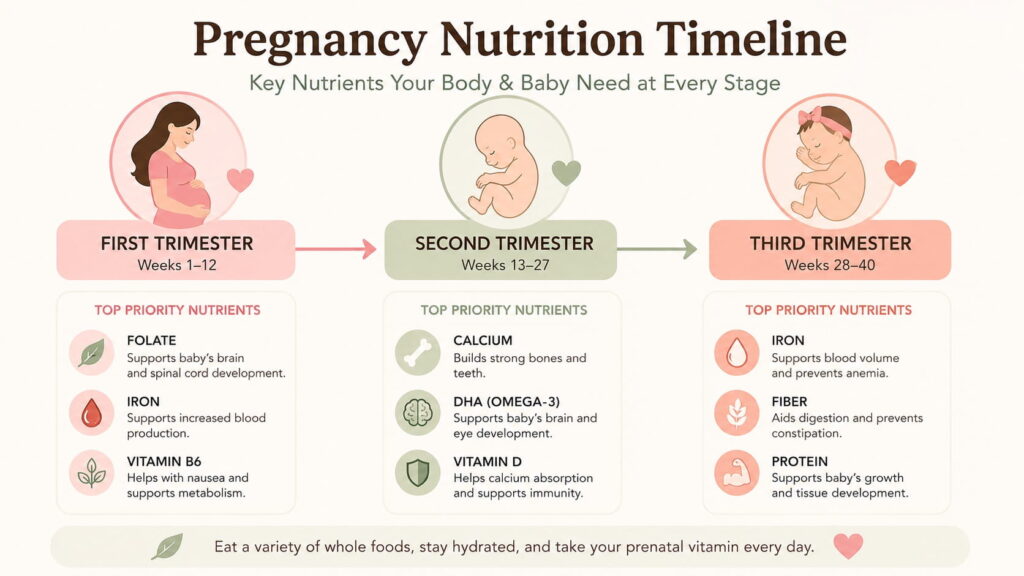
Nutrient priorities shift as pregnancy progresses. Here’s what tends to matter most at each stage.
| Trimester | Priority Nutrients | Focus Foods | Common Challenges |
|---|---|---|---|
| First (weeks 1–12) | Folate, B6, hydration | Lentils, leafy greens, fortified cereal, ginger tea, crackers | Nausea, food aversions, low appetite |
| Second (weeks 13–27) | Calcium, vitamin D, iron, DHA | Dairy, salmon, eggs, beans, fortified plant milk | Increasing hunger, heartburn beginning |
| Third (weeks 28–40) | Iron, choline, fiber, protein | Red meat, eggs, whole grains, leafy greens, beans | Heartburn, constipation, limited stomach capacity |
First Trimester Diet Tips
Nausea often makes “eating well” feel impossible in the early weeks, and that’s completely normal. Focus on getting something in rather than a perfect plate: bland carbohydrates, small frequent meals, and a prenatal vitamin (taken with food, or at night, if it triggers nausea) matter more here than variety.
Second Trimester Diet Tips
Appetite typically returns, and this is a good window to build consistent habits: a protein source at each meal, a calcium-rich food daily, and fish twice a week if you eat seafood.
Third Trimester Diet Tips
As baby takes up more room, smaller, more frequent meals tend to sit better than three large ones. Iron needs peak here, so pairing iron-rich foods with vitamin C (like spinach with a squeeze of lemon) helps absorption.
Common Pregnancy Symptoms and Foods That Help
| Symptom | Foods That May Help | Why |
|---|---|---|
| Morning sickness / nausea | Ginger tea, crackers, toast, cold foods | Bland and cold foods have less odor, which can trigger nausea less |
| Heartburn | Oatmeal, yogurt, bananas, smaller meals | Reduces stomach pressure and acidity; avoid spicy, fried, or very fatty foods close to bedtime |
| Leg cramps | Bananas, avocado, dairy, leafy greens | Potassium, calcium, and magnesium support muscle function |
| Fatigue | Iron-rich foods, whole grains, water | Supports oxygen delivery and steady blood sugar |
| Swelling | Water, potassium-rich foods, less added salt | Adequate hydration and potassium help balance fluid retention |
| Food aversions | Bland, familiar “safe foods,” fortified cereal | Prioritizing tolerance over variety is fine short-term |
| Cravings | Balanced versions of the craved food alongside a protein or fiber source | Helps stabilize blood sugar around the craving |
| Bloating | Smaller meals, gradual fiber increase, water | Eases digestive load |
| Low iron | Red meat, lentils, spinach, paired with vitamin C | Improves iron absorption |
| Low appetite | Nutrient-dense smoothies, nut butter, fortified cereal | Packs more nutrition into smaller volumes of food |
🩺 Doctor’s Tip: If a symptom is severe, sudden, or paired with other warning signs (see the “When to Call Your Doctor” section below), don’t try to manage it with food alone — call your provider.
Hydration During Pregnancy
Blood volume increases substantially during pregnancy, and amniotic fluid needs water too. Many major health organizations recommend aiming for roughly 8–12 cups (about 2–2.5 liters) of fluids a day, adjusted for climate, activity level, and body size.
Practical hydration tips:
- Keep a water bottle within reach — sipping throughout the day is easier than large amounts at once
- Herbal teas and milk count toward fluid intake, but check with your provider about specific herbal teas
- Watch urine color as a rough gauge: pale yellow generally suggests adequate hydration
- Increase intake in hot weather or after exercise
Healthy Pregnancy Snacks
Snacking well matters more in pregnancy than almost any other life stage, since blood sugar swings can worsen nausea, fatigue, and heartburn.
- Greek yogurt with berries
- Apple slices with peanut or almond butter
- A handful of mixed nuts and dried fruit
- Whole-grain crackers with cheese
- Hummus with carrot or cucumber sticks
- Hard-boiled egg with whole-grain toast
- Trail mix with pumpkin seeds
- Smoothie with spinach, banana, and milk or yogurt
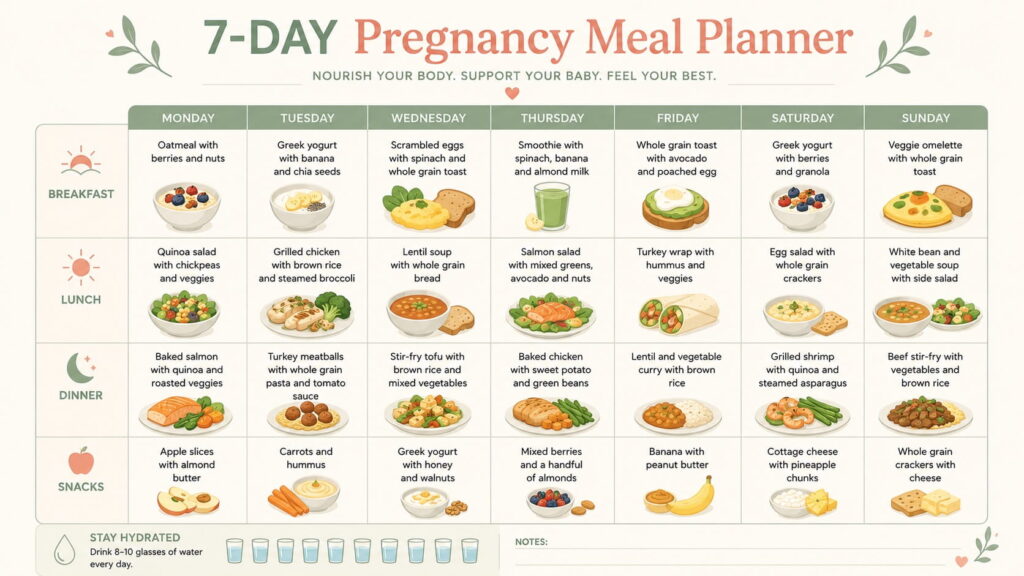
7-Day Pregnancy Meal Plan
This is one example of a balanced week, not a prescription — adjust portions and choices to your appetite, culture, budget, and any medical guidance you’ve been given.
| Day | Breakfast | Lunch | Dinner | Snacks |
|---|---|---|---|---|
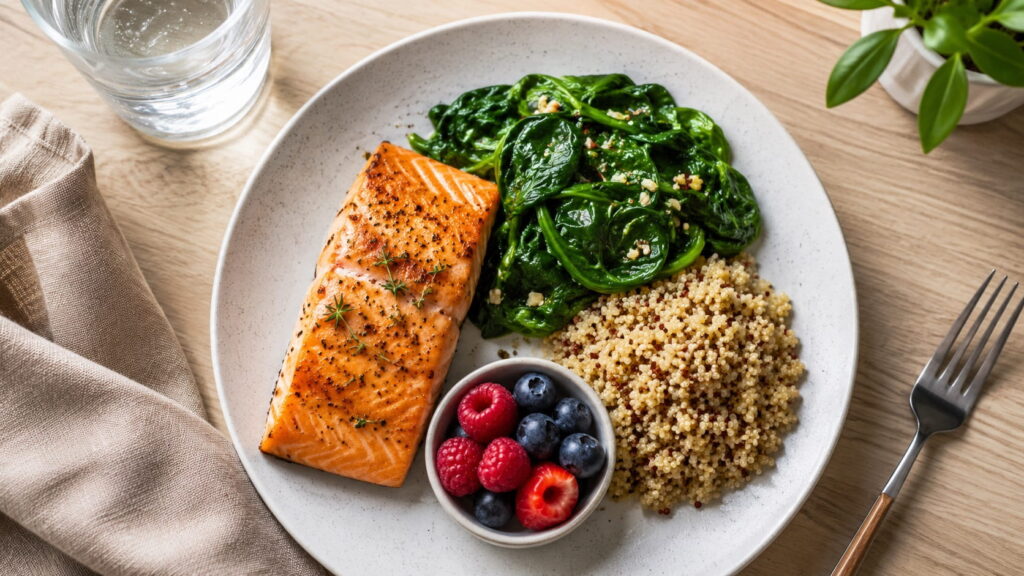
| Monday | Scrambled eggs, whole-grain toast, orange slices | Lentil soup, whole-grain roll, side salad | Baked salmon, quinoa, steamed broccoli | Greek yogurt with berries; almonds |
| Tuesday | Oatmeal with walnuts and banana | Chickpea salad wrap, side of fruit | Chicken stir-fry with mixed vegetables and brown rice | Hummus with carrot sticks |
| Wednesday | Greek yogurt parfait with granola and berries | Black bean tacos with avocado | Beef and vegetable stew, whole-grain bread | Apple with peanut butter |
| Thursday | Whole-grain toast with avocado and egg | Quinoa and roasted vegetable bowl | Baked trout, sweet potato, sautéed spinach | Trail mix; cheese and crackers |
| Friday | Fortified cereal with milk and citrus | Turkey and vegetable soup | Lentil curry with brown rice | Smoothie with spinach and banana |
| Saturday | Veggie omelet with whole-grain toast | Grilled chicken salad with olive oil dressing | Baked salmon tacos with cabbage slaw | Yogurt with nuts |
| Sunday | Smoothie bowl with berries, oats, and yogurt | Bean chili with cornbread | Roast chicken, roasted root vegetables, leafy greens | Hard-boiled egg; fruit |
Every pregnancy is different. Food allergies, gestational diabetes, carrying multiples (twins or more), digestive disorders, cultural eating patterns, and personal preferences may all call for modifications to the plan above. Your healthcare provider or a registered dietitian can help tailor an approach to your specific needs.
Foods to Avoid During Pregnancy
Some foods carry a higher risk of bacteria, parasites, or contaminants that are more dangerous during pregnancy because your immune system is naturally somewhat suppressed and because certain toxins can cross the placenta.
| Category | Avoid or Limit | Why |
|---|---|---|
| Raw or undercooked animal products | Sushi with raw fish, rare meat, raw eggs, unpasteurized dairy | Risk of listeria, salmonella, toxoplasmosis |
| High-mercury fish | Shark, swordfish, king mackerel, tilefish, bigeye tuna | Mercury can affect fetal nervous system development |
| Deli meats and unheated hot dogs | Cold cuts, pâté | Listeria risk unless heated until steaming |
| Unpasteurized soft cheeses | Some brie, feta, queso fresco (unless labeled pasteurized) | Listeria risk |
| Alcohol | All types, all amounts | No safe amount established; linked to fetal alcohol spectrum disorders |
| Excess caffeine | More than about 200 mg/day (roughly one 12-oz coffee) | Higher intake linked to increased miscarriage and low birth weight risk in some studies |
| Raw sprouts | Alfalfa, bean sprouts | Bacteria can hide in seed crevices, resistant to washing |
| Unwashed produce | Any fruit/vegetable eaten raw | Risk of toxoplasmosis, E. coli |
A quick gut check: if a food is raw, unpasteurized, or high-mercury, treat it as an occasional-at-most food rather than a regular one during pregnancy.
Food Safety and Storage Basics
Beyond avoiding specific foods, general food safety habits matter more during pregnancy than usual.
Preparing and cooking:
- Cook meat, poultry, and eggs thoroughly — use a food thermometer where possible
- Wash produce under running water, even if you plan to peel it
- Separate raw and cooked foods to avoid cross-contamination
- Reheat deli meats and hot dogs until steaming before eating
Storing food safely:
- Refrigerate leftovers promptly, ideally within about two hours
- Do not thaw food at room temperature — thaw in the refrigerator, in cold water, or in the microwave instead
- Keep raw meat, poultry, and fish separate from ready-to-eat foods in the fridge, ideally on a lower shelf so juices can’t drip onto other food
- Check dates and storage instructions, especially for pre-cut fruit and refrigerated dips
- Wash reusable grocery bags regularly, particularly ones used to carry raw meat or produce
When to Call Your Doctor
Most nutrition-related symptoms in pregnancy are manageable at home, but some warrant a call to your healthcare provider promptly. Contact your provider if you experience:
- Unable to keep fluids down for 24 hours or more
- Severe or persistent vomiting (possible sign of hyperemesis gravidarum)
- Rapid or unexplained weight loss
- Signs of dehydration: dark urine, dizziness, very dry mouth
- Reduced or absent fetal movement (once you’re far enough along to feel regular movement)
- Suspected food poisoning: fever, severe vomiting/diarrhea after eating
- Signs of an allergic reaction after eating a new food
- Severe abdominal pain alongside any digestive symptom
This isn’t a complete list of every reason to call — when in doubt, it’s always reasonable to check in with your provider rather than wait it out.
Pregnancy Nutrition Myths vs. Facts
Myth: “You’re eating for two, so you need to double your food.” Fact: Extra calorie needs are modest — none in the first trimester, and a few hundred extra per day later on, not double.
Myth: “Spicy food will induce labor or harm the baby.” Fact: Spicy food is generally safe; it may cause heartburn but doesn’t affect the baby or trigger labor.
Myth: “You can’t eat any fish while pregnant.” Fact: Low-mercury fish like salmon and sardines are recommended, not avoided — it’s specific high-mercury fish that should be limited.
Myth: “Cravings mean your body needs that specific nutrient.” Fact: Cravings are influenced by hormones, culture, and psychology, and don’t reliably map to nutritional needs.
Myth: “All cheese is off-limits.” Fact: Most hard and pasteurized cheeses are fine; it’s specific unpasteurized soft cheeses that carry more risk.
Myth: “Herbal tea is always a safe, natural choice.” Fact: Some herbal teas aren’t well studied in pregnancy or are advised against in certain amounts; it’s worth checking with your provider rather than assuming “herbal” means “safe.”
Myth: “Pineapple and papaya cause miscarriage.” Fact: Ripe pineapple and ripe papaya are generally considered safe in normal food amounts; concerns mostly trace back to unripe papaya and concentrated bromelain supplements, not the whole fruit eaten as food.
Myth: “Honey is dangerous during pregnancy.” Fact: Honey is generally safe for pregnant adults — the infant botulism risk associated with honey applies to babies under one year old, not to pregnant adults.
Common Nutrition Mistakes to Avoid
- Skipping breakfast, which can worsen nausea and blood sugar swings
- Relying too heavily on caffeine to manage fatigue instead of addressing iron and sleep
- Drinking sugary beverages in place of water, adding calories without nutrients
- Eating too few vegetables, especially once nausea passes and appetite returns
- Forgetting hydration on busy days
- Relying only on supplements and assuming they replace the need for whole foods
- Avoiding entire food groups unnecessarily out of overly cautious internet advice not backed by your provider
Budget-Friendly Pregnancy Nutrition
Nutrient-dense doesn’t have to mean expensive.
- Beans and lentils are among the cheapest sources of protein, iron, and folate available
- Frozen fruits and vegetables retain most of their nutrients and cost less than fresh, with far less waste
- Eggs remain one of the most affordable complete-protein foods
- Canned fish (like sardines or canned salmon) offers omega-3s at a fraction of the cost of fresh fillets
- Oats and brown rice are inexpensive, filling, and nutrient-dense
- Buy in-season produce, which is typically cheaper and fresher
- Fortified cereals can be a low-cost way to add folate and iron, especially during first-trimester food aversions
Vegetarian and Vegan Pregnancy Nutrition
A well-planned vegetarian or vegan diet can absolutely meet pregnancy nutrient needs, but a few nutrients need extra attention.
| Nutrient | Plant-Based Sources | Notes |
|---|---|---|
| Iron | Lentils, beans, tofu, fortified cereal, pumpkin seeds | Pair with vitamin C for better absorption |
| B12 | Fortified plant milk, nutritional yeast, fortified cereal | Not found reliably in plant foods without fortification; supplementation is often recommended for vegans |
| DHA (Omega-3) | Algae-based supplements, walnuts, flaxseed, chia | Algae-based DHA supplements are the most direct plant-based source |
| Calcium | Fortified plant milk, tofu set with calcium, tahini, leafy greens | Check labels, as fortification levels vary |
| Iodine | Iodized salt, fortified plant milk | Can be harder to get without dairy or seafood; worth discussing with your provider |
| Protein | Lentils, tofu, tempeh, beans, quinoa, seitan | Varying protein sources across the day covers amino acid needs |
Working with a registered dietitian is particularly useful for vegan pregnancies, simply to make sure B12 and DHA are reliably covered.
Global and Cultural Food Options
Good pregnancy nutrition doesn’t require a Western grocery list. Many traditional staples eaten around the world map onto the same nutrient targets:
- Beans and pulses (kidney beans, cowpeas) — folate, iron, protein
- Cassava and yams — energy-dense carbohydrate staples; pair with a protein and vegetable source for balance
- Maize meal and sorghum — fiber and steady energy, especially when fortified
- Millet — fiber, magnesium, and B vitamins
- Pumpkin leaves and other leafy greens — folate, iron, vitamin A, similar to spinach or kale
- Okra — fiber and folate
- Sardines and other small, whole fish — calcium (from soft bones), DHA, and iodine, often more affordable than large fish fillets
- Sweet potatoes — beta-carotene and fiber, a staple across many cuisines
The underlying nutrient targets in this guide stay the same wherever you live — only the specific foods that fill them will look different, and that’s completely fine.
Shopping and Cooking Tips
At the store:
- Shop the perimeter first — produce, dairy, meat/fish — before heading into packaged-goods aisles
- Check labels for “pasteurized” on dairy and juice
- Buy pre-washed greens when nausea makes extra kitchen steps feel impossible
- Stock a few shelf-stable proteins (canned beans, canned fish, nut butter) for low-energy days
In the kitchen:
- Batch-cook grains and beans at the start of the week to make assembling meals faster
- Keep a food thermometer on hand for meat, poultry, and eggs
- Freeze portions of soups or stews for days when cooking feels impossible
- Keep bland snacks (crackers, toast) accessible at all times during first-trimester nausea
Easy ways to cook key pregnancy foods:
Eggs: omelet, boiled, egg sandwich, vegetable scramble Salmon: baked, in a salad, in a rice bowl Lentils: soup, curry, stew
Frequently Asked Questions
What are the best foods to eat in the first trimester?
Whatever you can tolerate, prioritizing folate-rich options when possible: fortified cereal, lentils, leafy greens, and citrus fruit. Bland carbohydrates are a reasonable stand-in during heavy nausea.
How much water should I drink while pregnant?
Roughly 8–12 cups (about 2–2.5 liters) a day is a common target, adjusted for activity level and climate.
Can I eat sushi while pregnant?
Cooked sushi rolls are generally fine. Raw fish sushi carries a higher risk of parasites and bacteria and is typically advised against.
Is coffee safe during pregnancy?
Moderate caffeine — generally under about 200 mg per day, roughly one 12-oz cup of coffee — is considered acceptable by most guidance, though it’s worth confirming with your provider.
What foods help with pregnancy fatigue?
Iron-rich foods (red meat, lentils, spinach) paired with vitamin C, along with steady blood sugar from balanced meals and snacks, can help.
Do I need a prenatal vitamin if I eat well?
Most healthcare providers recommend one regardless of diet quality, since folate and iron needs are hard to meet through food alone, especially early in pregnancy.
What foods should I avoid in the third trimester specifically?
The same general list applies throughout pregnancy (raw fish, unpasteurized dairy, high-mercury fish, alcohol) — there isn’t a separate avoid-list unique to the third trimester.
Can I follow a vegetarian or vegan diet safely during pregnancy?
Yes, with attention to B12, iron, DHA, and iodine, ideally with guidance from a registered dietitian.
Which fruit is best during pregnancy?
There isn’t one “best” fruit — berries, citrus, and bananas each offer different benefits (antioxidants, vitamin C, and potassium, respectively). Variety matters more than any single choice.
Is pineapple safe during pregnancy?
Yes, ripe pineapple eaten as a normal food portion is considered safe; concerns about miscarriage are based on concentrated bromelain supplements, not the fruit itself.
Is papaya safe during pregnancy?
Ripe papaya is generally considered safe. Unripe or semi-ripe papaya contains more latex and is typically the one advised against.
Can pregnant women eat honey?
Yes — honey is safe for pregnant adults. The infant botulism risk linked to honey applies specifically to babies under one year old.
Is cheese safe during pregnancy?
Most pasteurized hard and soft cheeses are safe. Unpasteurized soft cheeses carry a higher listeria risk and are best avoided unless labeled pasteurized.
Can I drink green tea while pregnant?
Moderate amounts are generally considered acceptable, but green tea contains caffeine and can affect folate absorption in high amounts — check total caffeine intake and ask your provider about quantity.
What should I eat before bed during pregnancy?
A small snack combining protein and complex carbs — like yogurt with a few nuts, or whole-grain toast with nut butter — can help stabilize overnight blood sugar and reduce morning nausea.
Which foods help baby’s brain development?
DHA-rich foods (salmon, sardines, walnuts) and choline-rich foods (eggs) are most closely linked to fetal brain and eye development.
What foods help increase iron levels?
Red meat, poultry, lentils, beans, and spinach, ideally paired with a vitamin C source like citrus or bell peppers to boost absorption.
Which foods reduce morning sickness?
Ginger, dry crackers, toast, and bland, cold foods tend to be best tolerated; strong smells from hot or spicy food often make nausea worse.
Is it safe to eat spicy food during pregnancy?
Yes, in general — spicy food doesn’t harm the baby, though it may worsen heartburn for some people.
Can I eat deli meat if I heat it up first?
Yes — heating deli meat until steaming kills the bacteria of concern (listeria), making it a safer choice than eating it cold.
Key Takeaways
- Pregnancy nutrition is about nutrient density, not eating twice as much
- Folate, iron, calcium, vitamin D, iodine, DHA, choline, protein, and fiber are the nutrients to prioritize
- Needs shift by trimester: folate early, then calcium/DHA, then iron/fiber later
- A handful of food groups — leafy greens, legumes, eggs, low-mercury fish, dairy, whole grains, fruit, and nuts — cover most of what’s needed
- Avoid raw or unpasteurized foods, high-mercury fish, and alcohol
- A daily prenatal vitamin fills gaps that food alone may not cover
- Small, frequent meals help with both nausea and later-pregnancy stomach capacity
- Global and budget-friendly staples (beans, sardines, leafy greens, whole grains) meet the same nutrient targets as pricier “superfoods”
Your 7-Day Action Plan: Start Today
Rather than trying to overhaul your whole diet at once, start with these small, achievable steps:
✔ Eat at least one leafy green vegetable today ✔ Include one iron-rich food at a meal ✔ Drink enough water throughout the day ✔ Take your prenatal vitamin ✔ Eat two servings of low-mercury fish this week ✔ Keep a bland snack on hand in case of nausea ✔ Schedule or confirm your next prenatal visit
Conclusion
There’s no perfect pregnancy diet, and there doesn’t need to be one. What actually moves the needle is consistency: getting folate and iron in during the early weeks, building in calcium and DHA as the second trimester rolls in, and keeping iron and fiber steady toward the end. Some days that will look like a beautifully balanced plate, and other days it will look like crackers and ginger tea — both are part of a normal, healthy pregnancy. Lean on the food groups in this guide, keep taking your prenatal vitamin, and loop in your healthcare provider whenever something about your diet, symptoms, or cravings doesn’t add up.
References
This article draws on general guidance consistent with publicly available patient resources from the following organizations. For the most current, personalized recommendations, consult these sources directly or speak with your healthcare provider:
- American College of Obstetricians and Gynecologists (ACOG) — patient FAQ on healthy eating during pregnancy
- NHS (UK National Health Service) — guidance on having a healthy diet in pregnancy
- World Health Organization (WHO) — maternal nutrition guidance
- Centers for Disease Control and Prevention (CDC) — nutrition during pregnancy guidance
- NIH Office of Dietary Supplements — fact sheets on folate, iron, choline, and iodine
- American Pregnancy Association — pregnancy nutrition resources
Related Articles: