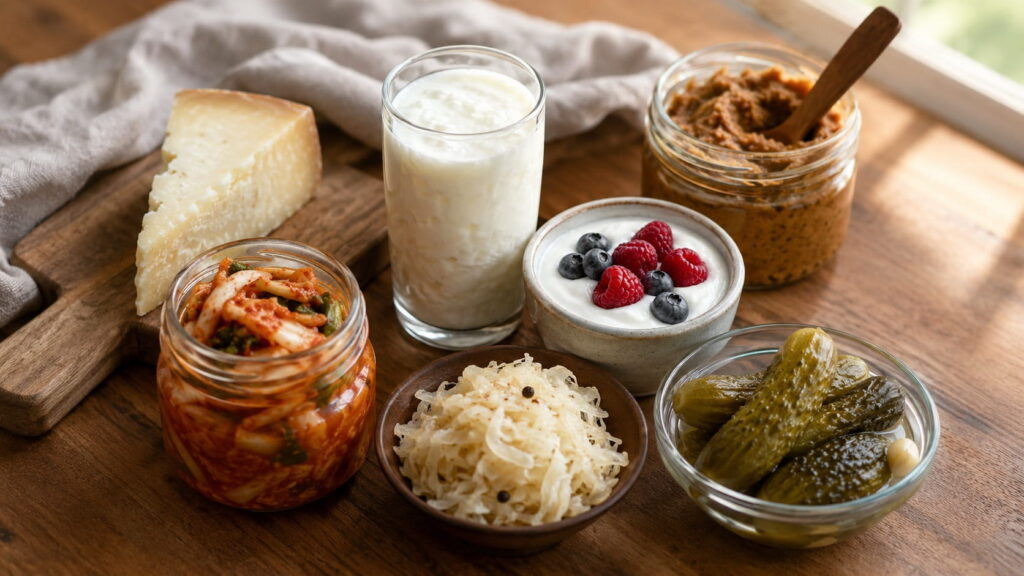
If you’ve been dealing with bloating, sluggish digestion, or a gut that just feels “off,” you’ve probably come across fermented foods for gut health as a fix. And honestly, as a health consultant, it’s one of the few trends I actually recommend without hesitation, when it’s done right.
Fermented foods aren’t new. Cultures around the world have relied on them for thousands of years, long before anyone knew the word “probiotic.” What’s changed is that science has finally started catching up, with a growing body of research pointing to a real link between these foods and a healthier gut microbiome, better digestion, and a well-functioning immune system.
In this guide, I’ll walk you through what a fermented food actually is, the full list of the best ones for gut health, how much you should eat, who should be cautious, and how to bring them into your daily meals without overwhelming your system.
Quick Facts: Fermented Foods for Gut Health
| Commonly used sources | Kefir, live yogurt, unpasteurized sauerkraut and kimchi, miso, tempeh, low-sugar kombucha, natto |
| Daily amount to start with | 1 to 2 small servings a day, increasing gradually |
| What to look for on labels | “Live and active cultures,” “unpasteurized,” “naturally fermented,” refrigerated (not shelf-stable) |
| Who should be cautious | People with histamine intolerance, SIBO, weakened immunity, IBD, or a relevant food allergy, plus anyone pregnant or taking an MAOI medication (always confirm with a doctor for your specific situation) |
| When people typically notice changes | Reports vary, but many people who add fermented foods consistently notice digestive changes within a few weeks; there’s no fixed timeline backed by research |
| Fermented vs. probiotic | Not the same thing; a food can be fermented without containing live cultures by the time you eat it |
Key Takeaways
- Fermented foods support gut health mainly through live cultures, enzymes, and other beneficial compounds, but only if those cultures survive processing.
- Not every fermented food contains live cultures. Pasteurized, baked, or shelf-stable versions often don’t.
- Kefir and unpasteurized sauerkraut are among the few fermented foods with actual human trial evidence for gut health, though that reflects where research has focused so far, not proof that other options don’t help.
- Start small (1-2 servings a day) and rotate different foods rather than eating large amounts of one at once.
- People with histamine intolerance, SIBO, IBD, or immune conditions should check with a doctor before adding fermented foods regularly, and pregnant women or anyone on an MAOI medication should get specific guidance too.
- Pairing fermented foods with fiber (prebiotics) helps the beneficial bacteria actually thrive in your gut.
In this article:
- What Is a Fermented Food?
- Benefits of Fermented Foods for Gut Health
- The Complete List of Fermented Foods for Gut Health
- Top 10 Fermented Foods for Gut Health
- Who Should Be Cautious With Fermented Foods
- How Much Fermented Food Should You Eat?
- How to Choose Healthy Fermented Foods
- Easy Fermented Foods for Gut Health Recipes
- Fermented Foods for Gut Health in the UK
- Frequently Asked Questions
- Final Thoughts
What Is a Fermented Food?
A fermented food is any food or drink made through a natural process called fermentation, where bacteria, yeast, or other microorganisms break down sugars and starches in the food. This process creates lactic acid, alcohol, or acetic acid, depending on the food, and it often leaves behind live, beneficial bacteria along with enzymes, organic acids, and B vitamins.
Think of fermentation as a kind of pre-digestion. The microorganisms do part of the work for you, breaking food down into simpler compounds that are easier for your body to absorb. That’s why fermented foods often feel gentler on the stomach than their unfermented versions.
Fermented, live-culture, and probiotic aren’t quite the same thing, even though people use them interchangeably. According to the International Scientific Association for Probiotics and Prebiotics (ISAPP), “fermented” describes how a food was made, “live culture” means the microorganisms are still active when you eat it (which cooking, pasteurizing, or baking can wipe out), and “probiotic,” technically speaking, refers to a specific, well-studied strain proven to deliver a health benefit in a defined amount.
Sourdough bread and pasteurized yogurt are both fermented, for instance, but neither one reliably delivers live cultures by the time it reaches your plate. It’s a small distinction, but it’s the difference between a food that supports your gut and one that just started out that way.
Unlike a probiotic supplement, fermented foods with live cultures don’t just deliver bacteria. They come packaged with enzymes, vitamins, and other compounds that work together in a way a pill can’t fully replicate. Neither option is automatically “better,” food and supplements just do different jobs, and which one makes sense depends on your gut, your goals, and what your doctor recommends.
Benefits of Fermented Foods for Gut Health
So what’s actually happening inside your body when you eat these foods regularly? A few things:
- They can add beneficial bacteria to your gut, at least the ones you eat with live cultures still intact, which may help crowd out less helpful microbes.
- They tend to increase microbial diversity. A 2021 Stanford Medicine study, published in the journal Cell, put 36 healthy adults on either a fermented-food-rich diet or a high-fiber diet for 10 weeks. The fermented-food group saw increased gut microbiome diversity and lower levels of several inflammatory markers. It’s one of the more rigorous pieces of human evidence we have on this topic, but it’s still one study with a modest sample size, so its results are promising rather than the final word.
- They support digestion. Enzymes produced during fermentation help break food down, which many people find eases bloating and irregularity, though how much varies from person to person.
- They may help calm inflammation, in line with what that Stanford study and a handful of smaller studies suggest, though researchers are still working out exactly why and by how much.
- They’re connected to a healthier immune system. A large share of your immune tissue sits in your gut lining, so a more balanced microbiome is generally considered supportive of immune function, even if “eat kimchi, never get sick” is more than the evidence can promise.
- They may support mood and energy, via the gut-brain axis, an area of research that’s promising but still developing.
The Complete List of Fermented Foods for Gut Health
Here’s a full breakdown, organized by category, so you know exactly what to look for at the grocery store. Fermentation is used across thousands of traditional foods worldwide, so no list is ever truly exhaustive, but this covers the ones worth knowing for gut health.
Dairy-Based Fermented Foods
- Kefir
- Plain yogurt (unsweetened, live cultures)
- Aged cheeses like gouda, cheddar, and parmesan
- Buttermilk
- Skyr and quark
- Crème fraîche
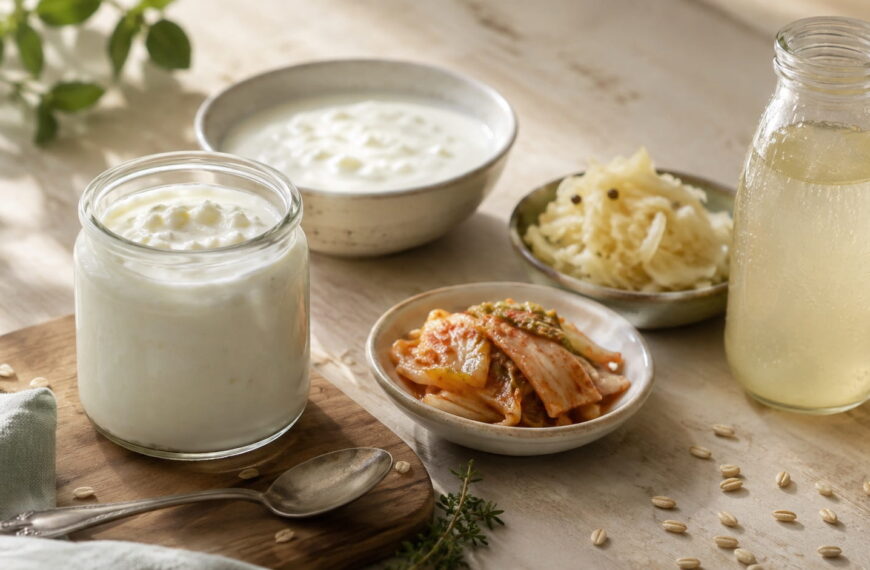
Is cottage cheese a fermented food? Yes, technically. Cottage cheese is made using a bacterial culture, which classifies it as fermented. That said, most commercial cottage cheese is pasteurized after culturing, so it usually contains fewer live cultures than kefir or yogurt. If gut health is your main goal, treat cottage cheese as a good protein source rather than your main live-culture pick.
Fermented Vegetables
- Kimchi
- Sauerkraut
- Naturally fermented pickles (brined in salt water, not vinegar)
- Fermented carrots, beets, and radishes
- Brine-cured olives
- Gundruk (fermented leafy greens, common in Nepal)
Fermented vegetables are a particularly practical choice for gut health because they combine live bacteria with fiber, and that fiber gives the bacteria something to feed on once they reach your colon. Kimchi and sauerkraut also happen to be two of the few fermented vegetables with actual human research behind them, which isn’t true across the board for this category.
Soy and Plant-Based Options
- Miso
- Tempeh
- Natto
- Doenjang and gochujang (Korean fermented soybean and chili pastes)
- Kombucha (choose options with less than 5g of sugar per serving)
- Water kefir
Grain-Based Ferments
- Sourdough bread
- Kvass
- Idli and dosa batter
- Injera (Ethiopian fermented flatbread)
- Traditional rye bread
Fermented Condiments and Extras
- Fermented soy sauce (naturally brewed, not chemically processed)
- Apple cider vinegar with “the mother”
- Fermented hot sauces
- Black garlic
These last two categories offer some digestive benefit, but they generally contain fewer live cultures than the core list above, so think of them as helpful extras rather than your main source.
Fermented Foods People Rarely Think of as Fermented
A few everyday foods go through fermentation but don’t get filed under the “fermented food” label, so they’re worth a mention even though they’re not major probiotic sources:
- Coffee and cacao both undergo a fermentation step during processing, before roasting, though this happens well before the product reaches your kitchen and doesn’t leave live cultures behind.
- Cured meats like salami and some sausages are fermented, but they’re generally best kept as an occasional food rather than a gut health strategy, partly due to sodium and processing.
- Wine and beer are fermented, but the alcohol content and, in many cases, filtration means they don’t offer the same live-culture benefits as food-based ferments.
Top 10 Fermented Foods for Gut Health
There’s no single scientific ranking of “best” fermented foods, since research quality, sugar and sodium content, and how well each food tends to hold onto live cultures all vary. But weighing those factors together, here’s how I’d rank the best fermented foods for your digestive system and everyday gut health:
- Kefir: among the most studied fermented foods, with a strong track record for live-culture diversity
- Plain yogurt with live cultures: widely researched and easy to find
- Sauerkraut (unpasteurized): one of the fermented vegetables with actual clinical research behind it, provided it’s not heat-treated
- Kimchi: promising evidence, though fewer human trials than kefir or sauerkraut
- Miso: traditional and well-tolerated, best when added after cooking
- Tempeh: fermented, though some live cultures are lost once it’s cooked
- Kombucha (low sugar): growing research interest, but watch the sugar content closely
- Natto: studied for digestive and cardiovascular benefits, though the taste and texture aren’t for everyone
- Naturally fermented pickles: solid choice, but only the brined kind, not vinegar-pickled
- Aged, unpasteurized cheese: fermented, though live-culture content varies a lot by cheese and brand
Kefir and unpasteurized sauerkraut tend to top most comparisons partly because they carry a wide range of bacterial strains per serving, and partly because they’re among the few fermented foods with actual randomized controlled trials behind them for gut-related outcomes.
A 2019 review in the journal Nutrients that looked specifically at fermented foods and gastrointestinal health found human trial evidence for kefir, sauerkraut, natto, and sourdough, while noting that evidence for many other fermented foods is still limited. That doesn’t mean the others don’t help, just that the research hasn’t caught up yet.
If you browse gut health communities on Reddit, kefir and sauerkraut also come up constantly as the two foods people say made the most noticeable difference to their digestion, which lines up reasonably well with where the evidence currently sits.
Who Should Be Cautious With Fermented Foods
This part rarely gets mentioned, but it matters. Fermented foods aren’t automatically risk-free for everyone, and “who should not eat fermented foods” isn’t really a yes-or-no question so much as a “check with your doctor first” one.
You should talk to a healthcare provider before adding them regularly if you:
- Have a compromised immune system, since live bacteria can occasionally pose a risk for people who are immunocompromised
- Are dealing with histamine intolerance, as fermented and aged foods are naturally high in histamines and can trigger headaches, flushing, or hives
- Take an MAOI medication (a type of antidepressant, sometimes used for Parkinson’s disease). This is worth flagging clearly: fermented foods are high in tyramine, and combining tyramine with an MAOI can cause a dangerous spike in blood pressure. If you’re on an MAOI, follow your prescriber’s dietary guidance closely rather than relying on general advice like this.
- Are pregnant, since guidance varies by food. Pasteurized, store-bought yogurt, kefir, miso, and tempeh are generally considered fine in normal amounts, but unpasteurized or homemade ferments and kombucha carry more caution, partly due to contamination risk and kombucha’s trace alcohol content. Check with your midwife or doctor for guidance specific to your pregnancy.
- Have SIBO (small intestinal bacterial overgrowth), where some people find that more bacteria worsens symptoms, though this varies quite a bit from person to person and isn’t true for everyone with SIBO
- Are on a low-sodium diet, since fermented vegetables like kimchi and sauerkraut tend to be salt-heavy
- Have IBD or another gastrointestinal condition, particularly during an active flare, since tolerance to fermented foods can shift depending on where things stand with your condition
- Have a known allergy or intolerance to the base food itself, such as dairy or soy, since fermentation doesn’t remove those allergens
If any of this sounds like you, it doesn’t mean fermented foods are off-limits for good. It usually means starting slower, choosing lower-histamine options like well-cooked miso, and working with a healthcare provider to figure out what your body actually tolerates. Worth noting too: some gut-focused eating plans, including ones used for IBD, still include foods like kefir, yogurt, and fermented vegetables in small amounts, so this isn’t a case of one-size-fits-all avoidance.
How Much Fermented Food Should You Eat?
There’s no single, universally agreed-upon amount that works for everyone; a lot depends on your current diet, tolerance, and what fermented foods you’re eating. That said, jumping straight to several servings a day is generally more than most people’s guts can handle right away, and it’s a fast track to bloating if you’re not used to it.
A more realistic approach:
- Start with 1 to 2 small servings a day
- Rotate between different fermented foods instead of relying on just one
- Increase gradually as your tolerance improves
- Give your gut a few weeks to adjust before judging results
Consistency beats quantity every time. A tablespoon of sauerkraut daily for a month will do more for your gut than a huge serving once and never again.
How to Choose Healthy Fermented Foods
Check the label for live cultures. Look for phrases like “live and active cultures” or “unpasteurized.” Pasteurization involves heat, and heat kills the very bacteria you’re trying to eat.
Buy refrigerated, not shelf-stable. Shelf-stable pickles and sauerkraut are usually preserved in vinegar rather than through natural fermentation, so they generally contain few, if any, live cultures by the time they reach your plate.
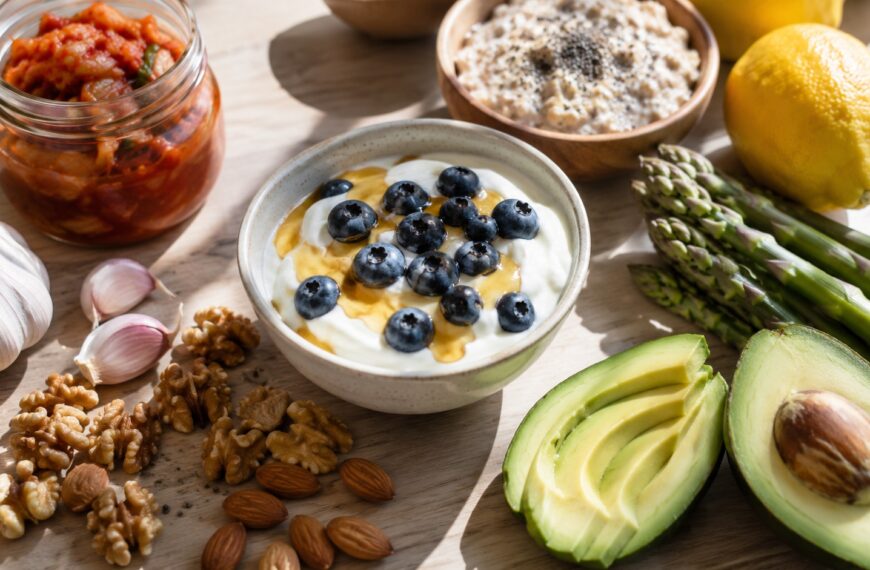
Pair with prebiotic fiber. Beneficial bacteria need fiber to survive and multiply in your gut. Pairing fermented foods with fruits, vegetables, oats, or legumes gives them something to feed on. Yogurt with berries or kimchi alongside a vegetable stir-fry are easy combinations.
Watch your sodium and sugar. Some fermented vegetables are quite salty, and some kombucha brands sneak in more sugar than a soft drink. Read the label before you buy.
Store them properly once opened. Live-culture products stay most potent when kept cold and eaten within the timeframe on the label, usually a few weeks for sauerkraut or kimchi and about a week for opened kefir or kombucha. The longer an opened jar sits, the more the live culture count and flavor can drift, so buying smaller amounts more often tends to work better than stocking up.
Easy Fermented Foods for Gut Health Recipes
You don’t need to be a fermentation expert to work these into your week. A few simple ones to start with:
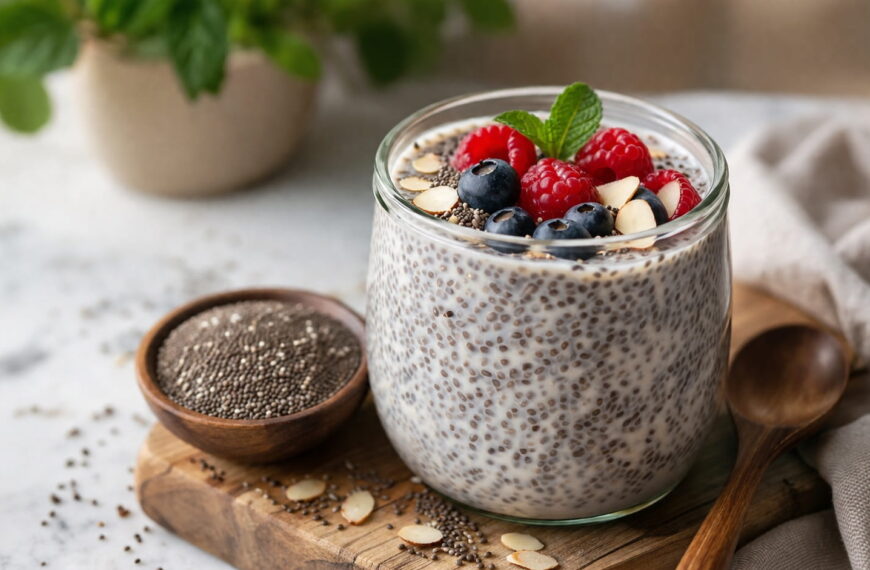
Gut-friendly kefir bowl Pour 1 cup of plain kefir into a bowl. Top with a handful of berries, a tablespoon of chia seeds, and a small drizzle of honey. Let it sit for five minutes so the chia seeds soften slightly, then eat. Quick, easy on the stomach, and a good way to start the day.
Kimchi rice bowl Serve a scoop of warm rice with a quarter cup of kimchi, half an avocado, and a soft-boiled egg on top. Add a splash of sesame oil if you like. Keep the kimchi off the hot rice until the last minute, since heat gradually breaks down its live cultures.
Miso vegetable soup Simmer vegetable or dashi stock with sliced mushrooms, spring onion, and cubed tofu until the vegetables are tender. Take the pot off the heat, then stir in a tablespoon of miso paste per bowl. Adding miso after cooking, rather than boiling it, helps preserve more of its live cultures.
Sourdough and pickle plate Toast a slice of genuine sourdough, top with mashed avocado, a pinch of salt, and chili flakes, and serve alongside a few naturally fermented pickles on the side. A simple, satisfying lunch.
Tempeh stir-fry Cube 200g of tempeh and pan-fry until golden. Toss with mixed vegetables and a tablespoon of naturally brewed soy sauce. Serve over rice or noodles for an easy dinner.
Fermented Foods for Gut Health in the UK
If you’re shopping in the UK, most of the core fermented foods are easy to find. Larger supermarkets now regularly stock:
- Kefir, usually in the chilled dairy or “free from” aisle
- Live natural yogurt
- Sauerkraut and kimchi, typically in the chilled section rather than the pickle aisle
- Miso paste and tempeh, more common in the world foods or health food aisles
- Kombucha, though brands and sugar content vary a lot, so check the label
Health food shops and farmers markets tend to be a more reliable source for genuinely unpasteurized, raw, live-culture products, since some supermarket own-brand ferments are pasteurized for a longer shelf life. When shopping in the UK, look for the same label language as anywhere else: “live cultures,” “naturally fermented,” or “unpasteurised,” and check the fridge rather than the ambient shelf. A refrigerated product isn’t automatically a guarantee of live cultures, but it’s a much better sign than one sitting at room temperature.
Frequently Asked Questions
What is a fermented food, in simple terms?
It’s a food transformed by natural bacteria or yeast. Depending on how it’s processed afterward, it may still contain live cultures along with enzymes and nutrients that support digestion.
What are the benefits of fermented foods?
Foods with live cultures may support gut bacteria diversity, ease bloating and irregularity, support immune function, improve nutrient absorption, and help lower inflammation, though the strength of the evidence varies by food.
Are fermented foods better than probiotic supplements?
It depends on your goals. Fermented foods offer live cultures alongside enzymes, vitamins, and fiber, while supplements offer specific, measured strains. Neither is universally better, and your doctor or dietitian can help you decide which fits your situation.
Can fermented foods cause bloating?
They can, especially if you increase your intake too quickly. Starting small and building up gradually usually helps.
Do fermented foods help with constipation?
Many people find they support more regular digestion, likely by supporting a healthier balance of gut bacteria, though individual results vary and the research is still developing.
Can children or elderly people eat fermented foods?
Generally yes, in small, age-appropriate amounts, unless a healthcare provider advises otherwise.
Is cottage cheese a fermented food?
Yes, it’s made using a bacterial culture. Just keep in mind that most commercial cottage cheese is pasteurized afterward, so it’s a better bet for protein than for a big dose of live cultures.
Who should not eat fermented foods?
There’s no blanket “no,” but extra caution is worth it if you have histamine intolerance, SIBO, IBD, a weakened immune system, or a relevant food allergy, or if you’re pregnant or taking an MAOI medication. In most of these cases, it’s less about avoiding fermented foods entirely and more about choosing carefully and checking with a doctor first.
Final Thoughts
Fermented foods remain one of the simplest, most natural ways to support your gut, and the research backing them keeps getting stronger. The real key isn’t eating as much as possible. It’s choosing genuinely live-culture foods, rotating your options, pairing them with fiber, and giving your gut time to adjust.
Start small, stay consistent, and let your digestion guide the pace. Combined with a fiber-rich, balanced diet, fermented foods are a genuinely worthwhile piece of the puzzle for how your gut, and the rest of your body, feels day to day.
Related Articles: