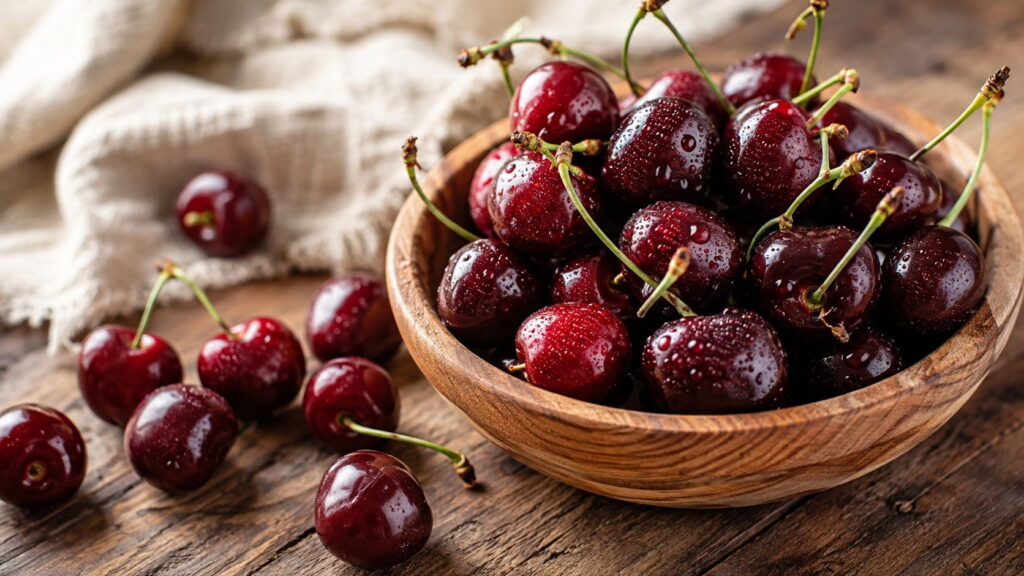
Cherries are one of those fruits that taste like a treat but work like medicine. They are small, sweet or tart, and packed with plant compounds that support your heart, your sleep, your skin, and your muscles after a hard workout.
At NFH Clinic, we get asked about the health benefits of cherries more than almost any other fruit topic, especially during summer when they are in season and easy to find fresh. So we put together this complete guide covering the nutrition facts, the vitamins, the science-backed benefits, and the side effects you should know before eating them daily.
As I tell my clients: “Cherries are one of the most practical functional fruits you can add to a plate. They deliver real antioxidant and anti-inflammatory value in a form people actually enjoy eating, and that matters more than any supplement.”
Quick Answer: Cherries are rich in antioxidants called anthocyanins, along with vitamin C, potassium, and fiber. Research suggests they may support heart health, ease inflammation, improve sleep, speed up muscle recovery, and lower the frequency of gout flare-ups. Dark, tart cherries carry more melatonin than sweet cherries, which is why they’re the preferred choice in sleep-related research.
Quick Facts
| Calories (1 cup, fresh) | 97 |
| Standout nutrients | Vitamin C, potassium, fiber, anthocyanins |
| Best form for sleep/recovery | Unsweetened tart (dark) cherry juice |
| Best form for everyday snacking | Fresh or frozen sweet cherries |
| Peak season | Late spring through early summer |
| Recommended daily serving | 1 cup fresh, or ½ cup tart cherry juice |
Let’s break down exactly why this small red fruit deserves a regular place in your diet.
Key Takeaways
- Cherries are rich in anthocyanins, the antioxidant compounds behind their deep red color and much of their anti-inflammatory effect.
- Dark, tart cherries contain more melatonin than sweet cherries, making them the more studied option for sleep and exercise recovery.
- Regular intake is linked to fewer gout flare-ups, better sleep quality, less post-exercise soreness, and support for heart health.
- A cup of fresh cherries or half a cup of unsweetened tart cherry juice daily is a reasonable, evidence-based serving for most healthy adults.
- People with diabetes, kidney disease, IBS, or a cherry allergy should pay closer attention to portion size and check with a healthcare provider.
In this article:
- Nutritional Value of Cherries
- Fresh, Frozen, Dried, or Juice: Which Cherry Form Is Best?
- Vitamins and Antioxidants in Cherries
- Sweet Cherries vs. Dark, Tart Cherries: What's the Difference?
- 10 Health Benefits of Cherries
- Health Benefits of Cherries for Men
- Health Benefits of Cherries for Women
- Who Should Eat Cherries?
- How Many Cherries Should You Eat?
- Cherry Benefits and Side Effects: Who Should Limit Intake?
- How Do Cherries Compare to Apricots?
- What the Research Actually Shows About Cherries
- Frequently Asked Questions
- Final Thoughts on the Health Benefits of Cherries
Nutritional Value of Cherries
Before we get into the benefits, it helps to see what you are actually eating. Here is the nutritional information for fresh, pitted sweet cherries, shown both per cup and per 100 grams so you can compare against any serving size. Figures below are drawn from USDA FoodData Central, the federal government’s public nutrition database.
| Nutrient | Per 1 Cup (154g) | Per 100g |
|---|---|---|
| Calories | 97 | 63 |
| Carbohydrates | 25 g | 16 g |
| Fiber | 3 g | 2.1 g |
| Sugar | 20 g | 12.8 g |
| Protein | 1.6 g | 1.1 g |
| Fat | 0.3 g | 0.2 g |
| Vitamin C | 10 mg (11% DV) | 7 mg |
| Potassium | 306 mg (6% DV) | 222 mg |
| Vitamin A | 3% DV | 2% DV |
| Vitamin K | 3% DV | 2% DV |
Tart cherries carry a similar profile but with less sugar and a noticeably higher concentration of melatonin, which is why they show up so often in sleep research. Either way, cherries are naturally low in sodium and fat, so a serving fits comfortably into most eating patterns, including diabetic-friendly and heart-healthy diets.
Fresh, Frozen, Dried, or Juice: Which Cherry Form Is Best?
How you eat your cherries changes what you get out of them. Here’s a quick breakdown:
| Form | Best For | Notes |
|---|---|---|
| Fresh | Everyday nutrition and snacking | Best fiber-to-sugar ratio |
| Frozen | Year-round antioxidant intake | Nutrients hold up well; great for smoothies |
| Unsweetened tart juice | Sleep and exercise recovery | Most clinical studies use this form |
| Dried | Convenience and portability | Much higher sugar per serving; watch portion size |
Fresh cherries are typically available from late spring through early summer, while frozen cherries stay just as nutritious year-round and are often the more practical choice outside of peak season. For a full breakdown of how to store cherries and the best ways to add them to meals, see our guide to storing and eating cherries.
Vitamins and Antioxidants in Cherries
So, are cherries high in antioxidants? Yes, and this is really the foundation of everything else on this list.
Cherries owe their deep red color to anthocyanins, natural plant pigments that help neutralize free radicals, the unstable molecules that contribute to inflammation, aging, and chronic disease over time. Alongside anthocyanins, cherries contain:
- Vitamin C, which supports immune function and skin repair
- Vitamin A and beta-carotene, which support eye and skin health
- Quercetin, a flavonoid linked to reduced inflammation
- Melatonin, especially concentrated in dark, tart varieties
- Potassium, which supports healthy blood pressure and muscle function
Most of the clinical research on cherries specifically uses Montmorency tart cherries, since this variety naturally contains higher concentrations of anthocyanins and melatonin than the sweet cherries most people find at the grocery store. That’s worth knowing if you’ve ever wondered why studies and store shelves don’t quite match up.
Sweet Cherries vs. Dark, Tart Cherries: What’s the Difference?
Sweet cherries (like Bing or Rainier) are the kind you snack on by the handful. They are lower in acidity, higher in natural sugar, and still rich in antioxidants and fiber.
Dark, tart cherries (like Montmorency) are more sour and usually consumed as juice, powder, or extract rather than eaten whole. Dark cherry benefits center on sleep, exercise recovery, and gout relief, since tart varieties carry more melatonin and anti-inflammatory compounds per serving.
If your goal is general nutrition, sweet cherries do the job well. If you’re targeting sleep quality or post-workout soreness specifically, dark tart cherry juice or extract tends to perform better in studies.
10 Health Benefits of Cherries
Here is the full list of cherry health benefits backed by current research.
1. Cherries Are Rich in Antioxidants That Protect Your Cells
The anthocyanins and polyphenols in cherries help neutralize free radicals before they damage healthy cells. This protection supports long-term health and may lower the risk of chronic conditions tied to oxidative stress, cardiovascular disease included.
2. Cherries Offer Natural Anti-Inflammatory Support
Chronic, low-grade inflammation sits behind conditions like arthritis, metabolic syndrome, and heart disease. Dark, tart cherries in particular have been studied for their ability to lower inflammatory markers in the blood after regular intake.
“Food cannot cure an inflammatory disease on its own,” I often remind my clients, “but cherries can absolutely be part of an eating pattern that helps manage symptoms alongside proper medical care.”
3. Cherries Support Heart Health
Cherries help your cardiovascular system in a few ways. Potassium supports healthy blood pressure, anthocyanins may improve blood vessel function, and antioxidants help protect cholesterol particles from oxidizing, a key step in arterial plaque buildup. Pair cherries with other heart-supportive foods like leafy greens, oats, and fatty fish for the best results.
4. Cherries Are a Natural Aid for Better Sleep
Cherries are one of the few whole foods that naturally contain melatonin, the hormone that governs your sleep-wake cycle. A systematic review of tart cherry and sleep research found consistent links between regular intake and improved sleep duration and quality, especially in people dealing with mild, everyday sleep disruption. It won’t replace treatment for a diagnosed sleep disorder, but as a food-based habit, it’s a gentle place to start.
5. Cherries Help Muscle Recovery After Exercise
If you train regularly, tart cherry juice is worth knowing about. Studies on runners and endurance athletes show that cherries, taken in the days before and after intense exercise, can reduce muscle soreness and help strength recover faster. The antioxidant and anti-inflammatory effect together appear to drive this benefit.
6. Cherries May Ease Gout and Arthritis Symptoms
This is one of the better-researched benefits on this list. In studies of people with gout, those who ate cherries regularly reported meaningfully fewer flare-ups than those who didn’t, and the effect was even stronger when cherries were combined with standard gout medication. The mechanism comes down to uric acid: cherries appear to help lower uric acid levels, the compound responsible for gout’s painful joint inflammation.
7. Cherries Support Blood Sugar and Weight Management
Cherries are naturally sweet, but they sit at a moderate glycemic load, so they don’t spike blood sugar the way processed sweets do. The fiber slows digestion, keeps you fuller for longer, and supports better portion control over time. That makes a bowl of cherries a smarter snack swap than most packaged desserts, even for people managing blood sugar closely.
8. Health Benefits of Cherries for Skin
Vitamin C and antioxidants support collagen production, which keeps skin firm and helps it repair itself. Antioxidants also help protect skin cells from the oxidative damage that speeds up visible aging. Combined with their high water content, cherries contribute to skin hydration from the inside out, something no topical product can fully replace.
9. Cherries Support Gut Health and Digestion
A single cup of cherries provides a meaningful amount of fiber, which feeds beneficial gut bacteria and keeps digestion moving smoothly. A well-fed gut microbiome is linked to better immune function and more stable digestion overall.
10. Cherries May Support Brain Health
Early research suggests the anthocyanins in cherries may help protect brain cells from oxidative stress, the same process linked to age-related cognitive decline. Cherries aren’t a treatment for any neurological condition, but they fit well into a broader diet pattern, like the Mediterranean diet, that’s associated with better long-term brain health.
Health Benefits of Cherries for Men
Cherries offer a few benefits worth highlighting for men specifically. The anti-inflammatory effect supports joint health and recovery, which matters for men who train or stay physically active. The heart-protective potassium and antioxidant content also align with the fact that men, on average, carry a higher lifetime risk of cardiovascular disease. Because cherries support healthy blood pressure, they contribute indirectly to healthy blood flow, which plays a role in overall cardiovascular health.
Health Benefits of Cherries for Women
For women, cherries bring a few targeted advantages. Vitamin C and antioxidants support skin health and collagen production, which many women prioritize as part of a broader wellness routine. The anti-inflammatory properties may also help ease general muscle and joint discomfort tied to hormonal fluctuations, a benefit worth noting for cherry benefits for females at different life stages. The natural melatonin content makes cherries a useful food-based addition for anyone dealing with disrupted sleep, whether from stress, shift work, or hormonal changes.
Who Should Eat Cherries?
Cherries are a particularly good fit for:
- Athletes and anyone recovering from regular exercise
- Older adults looking to support joint and heart health
- People managing gout or mild arthritis symptoms
- People with occasional, mild sleep problems
- Anyone looking for a healthier snack swap
- People trying to increase overall fruit intake
How Many Cherries Should You Eat?
A practical, evidence-based serving looks like this:
- 1 cup of fresh cherries, or
- ½ cup of unsweetened tart cherry juice
Can you eat cherries every day? Yes. For most healthy adults, around one cup daily fits comfortably into a balanced diet. People managing diabetes, IBS, or kidney disease should confirm the right serving size with their healthcare provider first.
More is not automatically better. Because cherries are naturally high in fiber and fructose, eating large amounts in one sitting can lead to bloating for some people.
Cherry Benefits and Side Effects: Who Should Limit Intake?
Cherries are safe for most people, but a few groups should pay closer attention:
- People with diabetes should factor cherries into their daily carbohydrate count, since they still contain natural sugar.
- People with digestive sensitivity, including IBS or FODMAP sensitivity, may experience bloating or gas from the fiber and natural sugar alcohols in cherries.
- People sensitive to salicylates, a compound in cherries chemically related to aspirin, may experience stomach upset or diarrhea with high intake.
- People with fructose intolerance may find cherries trigger digestive discomfort, since cherries are naturally high in fructose relative to other fruits.
- People with kidney disease on a potassium-restricted diet should watch serving size, since cherries carry a meaningful amount of potassium.
- People with a known cherry allergy should avoid cherries and cherry products entirely, and watch for cross-reactivity with other stone fruits like peaches or plums.
- People on blood pressure or blood-thinning medication should talk to their doctor before adding tart cherry juice regularly.
As with most whole foods, moderation and awareness of your own health conditions matter more than any strict rule.
How Do Cherries Compare to Apricots?
Cherries and apricots are both stone fruits, but they offer slightly different strengths. Apricots are notably higher in vitamin A and beta-carotene, making them a strong choice for eye health, while cherries edge ahead on melatonin and anthocyanin content, which ties more closely to sleep and anti-inflammatory benefits. Both fruits earn a place in a balanced diet, and rotating between them gives you a broader range of antioxidants rather than relying on one alone.
What the Research Actually Shows About Cherries
It’s worth being upfront about the state of the evidence. Most cherry studies are relatively small, and many use tart cherry concentrate or extract rather than fresh, whole cherries, so results don’t always translate one-to-one to a bowl of cherries from the grocery store. A broad review of cherry research published in Nutrients found the evidence for sleep quality, exercise recovery, and gout flare-ups to be the most consistent, while support for heart and brain health is promising but still developing.
None of this makes cherries any less worth eating. It simply means cherries work best as one healthy part of an overall balanced diet, not as a standalone treatment for any condition.
Frequently Asked Questions
Are cherries high in antioxidants?
Yes. Cherries, especially dark, tart varieties, are among the more antioxidant-dense fruits available, thanks to their anthocyanin and polyphenol content.
Are cherries good for you?
Yes. A cup of cherries delivers fiber, vitamin C, potassium, and antioxidants for under 100 calories, making them one of the more nutrient-dense fruit choices available.
Are sweet cherries and tart cherries the same?
No. Both are nutritious, but tart cherries contain more melatonin and are more heavily studied for sleep and exercise recovery, while sweet cherries are typically eaten fresh as a snack.
Is cherry juice as good as whole cherries?
Unsweetened tart cherry juice retains most of the beneficial plant compounds, but whole cherries provide more fiber and a lower sugar concentration per serving.
Are cherries good before bed?
For some people, yes. The natural melatonin in cherries, particularly tart varieties, may support the body’s sleep-wake cycle when eaten as part of a consistent evening routine.
Can diabetics eat cherries?
Generally yes, in moderation. Cherries have a moderate glycemic load, but people with diabetes should count them toward daily carbohydrate intake and monitor their own response.
Can cherries cure arthritis or gout?
No. Cherries may help manage symptoms and support lower uric acid levels, but they are not a replacement for medical treatment or prescribed medication.
Final Thoughts on the Health Benefits of Cherries
Cherries are far more than a seasonal treat. Between the antioxidants, the vitamins, the fiber, and the natural melatonin, this small fruit supports your heart, your joints, your skin, and your sleep all at once, and it does it in a form that’s genuinely enjoyable to eat.
As I like to remind clients at NFH Clinic, a food that’s both enjoyable and functional is one you’ll actually stick with. That consistency, more than any single nutrient, is what turns a cup of cherries a few times a week into a real, lasting habit.
Related Articles: