If you’ve grown up in a Zulu or Xhosa household, you’ve probably heard of umhlabelo before you ever knew what it actually did. It’s the herbal mixture your grandmother kept in a jar under the sink, the one aunties swear by after a caesarean, the one that gets passed around after a bad fall or a broken bone. But if you’re trying to understand what umhlabelo really is, what umhlabelo omhlophe means, or whether it’s safe to drink, the information out there is scattered and often contradictory.
This guide pulls together everything worth knowing about umhlabelo benefits and uses: what this traditional South African herb is, how it’s prepared as a tea or decoction, the difference between umhlabelo omhlophe and umhlabelo omnyama, typical umhlabelo dosage, and the side effects you should know about before you try it. If you’re looking into it as a herbal remedy after childbirth, this covers that in detail too.
Quick note before we start: Umhlabelo is a traditional remedy, not a scientifically tested medicine. Everything below reflects traditional belief and cultural practice passed down through healers, not clinical proof. Always talk to a doctor or a qualified traditional healer before using it, especially if you’re pregnant, breastfeeding, or on chronic medication.
⚠️ Medical Warning: Seek immediate medical care for severe wounds, heavy bleeding, broken bones, or signs of infection (spreading redness, fever, pus). Umhlabelo should complement — not replace — appropriate medical treatment.
Quick Facts About Umhlabelo
| Question | Answer |
|---|---|
| Traditional name | Umhlabelo |
| English common name | Porcupine root (where botanically identified) |
| Botanical identity | Talinum caffrum (per a 2020 KwaZulu-Natal study on fracture treatments) |
| Origin | South Africa |
| Used by | Mainly Zulu and Xhosa communities |
| Main uses | Postpartum recovery, wound care, fractures and bone pain |
| Forms | Loose herbal mixture, compressed blocks, powder, capsules |
| Taste | Bitter |
| Scientific evidence | Limited |
| Safe during pregnancy? | Generally not recommended |
| Safe while breastfeeding? | Used by some, but talk to a doctor first |
Key Takeaways
- Umhlabelo is a traditional herbal remedy, mainly used for postpartum recovery, wound healing, and bone or muscle pain.
- Umhlabelo omhlophe (white) leans toward postpartum and spiritual cleansing use; umhlabelo omnyama (black) leans toward injuries and protection.
- It’s traditionally taken in small amounts, dissolved in water, on an empty stomach.
- Side effects are possible, especially with overuse, allergies, or interactions with medication.
- It works best as a complement to medical care, not a replacement for it.
Table of Contents
- What Is Umhlabelo?
- Umhlabelo Meaning: What Is Umhlabelo in English?
- Umhlabelo Omhlophe vs. Umhlabelo Omnyama vs. Mathunga
- Umhlabelo Benefits
- Umhlabelo Benefits for Skin
- Umhlabelo for Wounds
- How to Drink Umhlabelo
- What Is Umhlabelo Omhlophe Used For?
- Umhlabelo Side Effects
- Umhlabelo and Modern Medicine: Why It's Still Widely Used
- FAQs About Umhlabelo
- The Bottom Line
What Is Umhlabelo?
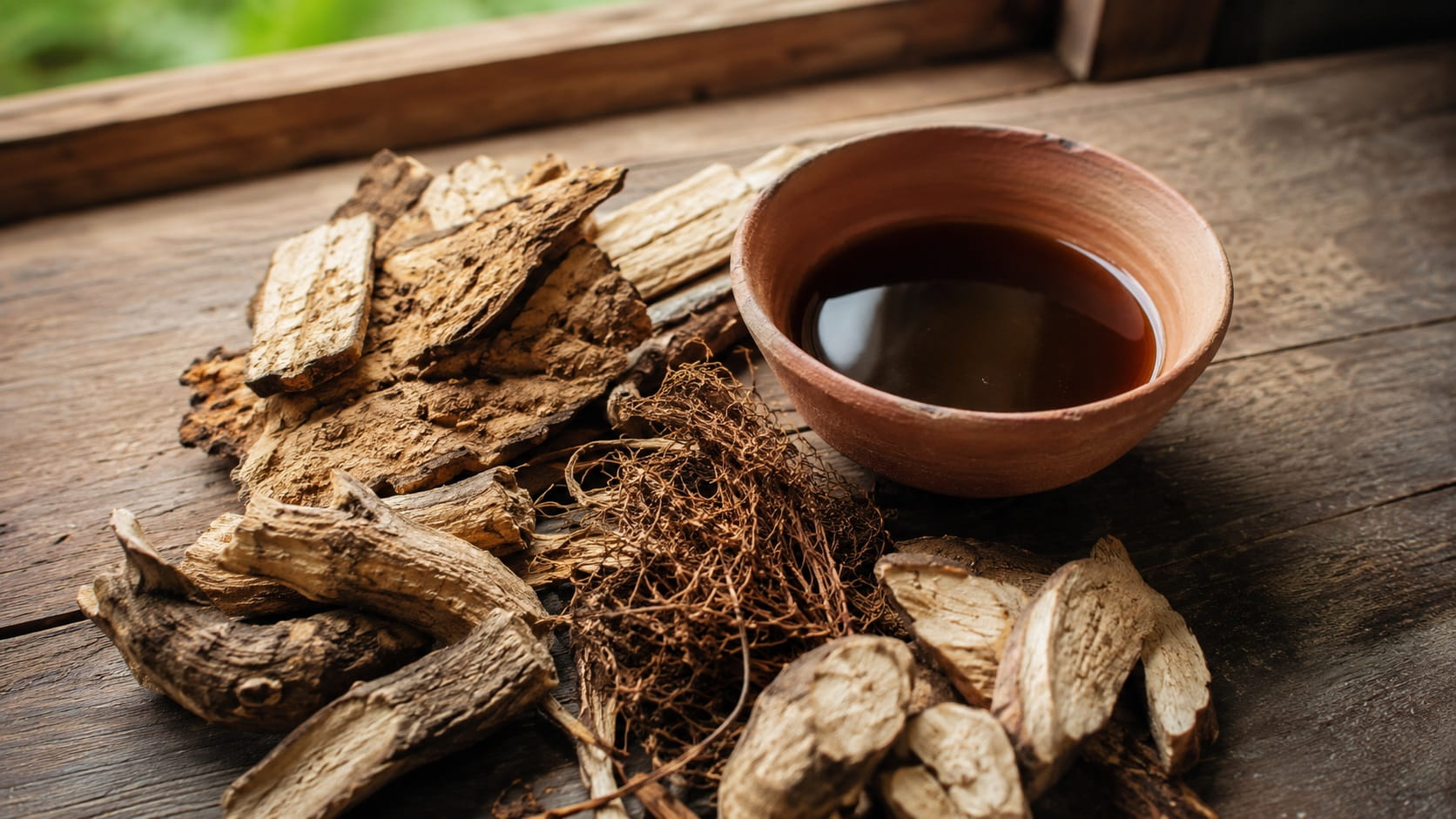
Umhlabelo is a traditional South African herbal remedy used mainly by Zulu and Xhosa communities. It’s most commonly associated with postpartum recovery, wound healing, and bone or muscle pain. Traditional healers (izinyanga and izangoma) prepare it by boiling a combination of roots, bark, and plant extracts, then straining the liquid into a drink or paste — a method shared by many traditional South African herbs prepared as decoctions.
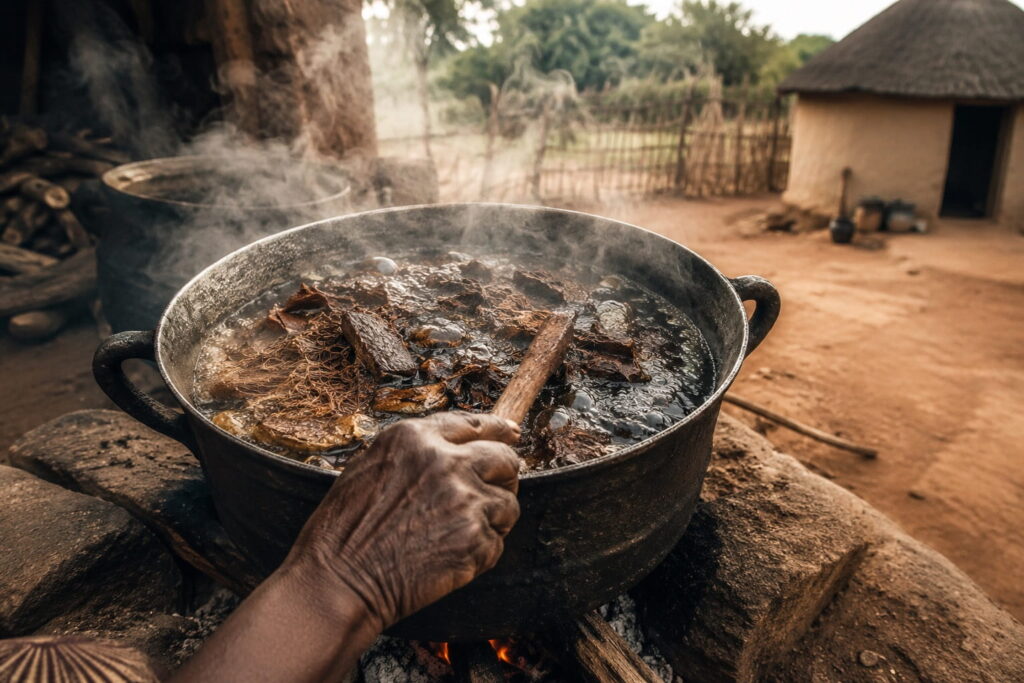
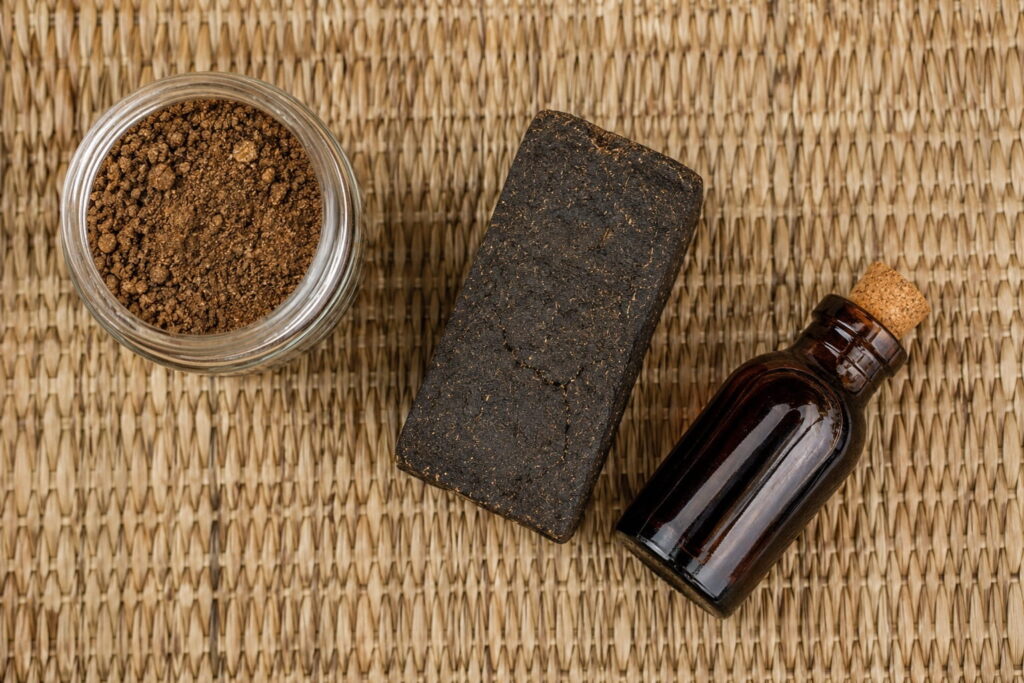
There isn’t one fixed umhlabelo recipe. Every healer has their own blend, shaped by region, family tradition, and what the patient needs it for. That’s also why you’ll see this traditional herbal remedy sold under different names and forms — as loose herbs, as a prepared herbal decoction, as compressed “salmonic blocks,” or as ground powder and capsules. Some people refer to the drink as umhlabelo tea, although it’s traditionally prepared as a decoction rather than steeped like a conventional tea.
Umhlabelo plant
Unlike many muthi names that cover a whole category of mixtures, umhlabelo does have a specific botanical identity in the literature. A 2020 study on traditional fracture treatment by traditional health practitioners in KwaZulu-Natal identified umhlabelo as Talinum caffrum, a tuberous, succulent plant in the Portulacaceae family, known in English as porcupine root. That said, what you buy as “umhlabelo” — especially manufactured tonics, powders, or salmonic blocks — often combines the root with other ingredients a healer or supplier keeps private, so a commercial product isn’t necessarily the raw root on its own.
What Does Umhlabelo Taste Like?
Expect bitterness. The roots and bark used in most umhlabelo mixtures give it a strong, earthy, bitter taste that takes some getting used to. Diluting it with a bit more water can soften the taste slightly, but adding sugar or sweeteners isn’t part of traditional practice — the bitterness is generally accepted as part of the remedy.
Umhlabelo Meaning: What Is Umhlabelo in English?
There are really two different questions hiding under “umhlabelo in English,” so it’s worth separating them:
The plant’s English name: Where umhlabelo has been botanically identified, its English common name is porcupine root (Talinum caffrum).
The word’s meaning: There’s genuine disagreement here, even among Zulu speakers, so it’s worth laying out both interpretations rather than picking one:
- Muthi/medicine interpretation: In everyday use, umhlabelo simply means a traditional concoction taken to heal a fracture, injury, or postpartum wound. This is how most people who actually use it describe it.
- Ritual interpretation: Some sources translate the root of the word closer to “sacrifice” or “offering,” tying it to older spiritual and ancestral practices rather than physical medicine alone.
Both meanings coexist because umhlabelo sits at the crossroads of physical healing and spiritual practice in Zulu and Xhosa culture — it isn’t only about the body.
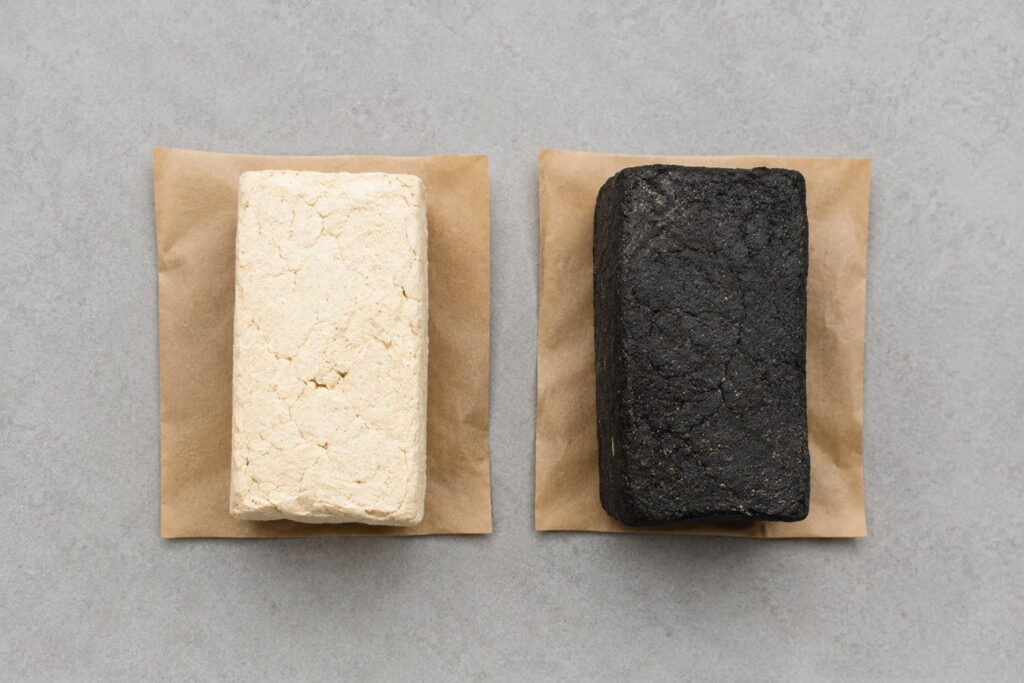
Umhlabelo omhlophe in English specifically refers to the “white” version of the mixture. “Omhlophe” means white, and this variant is the one most linked to postpartum healing, purity, and spiritual cleansing.
Umhlabelo Omhlophe vs. Umhlabelo Omnyama vs. Mathunga
People often ask what separates these, so here’s the short version:
- Umhlabelo omhlophe (white) is the variety most associated with postpartum recovery, wound healing, and spiritual cleansing.
- Umhlabelo omnyama (black) is generally used the same way — for injuries, fractures, and internal healing — but some healers reserve it for tougher or longer-standing injuries, and it’s sometimes linked more to protection than purity.
- Mathunga is a separate traditional remedy, often mixed together with umhlabelo, and is commonly described as having antiseptic properties for both internal and external wounds.
If a healer has recommended a specific one for you, it’s best to follow their guidance rather than swap varieties on your own, since the intended use can differ.
| Feature | Umhlabelo Omhlophe | Umhlabelo Omnyama |
|---|---|---|
| Colour | White | Black |
| Traditional use | Postpartum recovery | Injuries and fractures |
| Spiritual association | Cleansing, purity | Protection |
| Availability | More common | Less common |
Umhlabelo Benefits
Here’s what umhlabelo is traditionally believed to help with:
1. Postpartum Recovery
This is umhlabelo’s best-known use, and the reason it’s often described as the go-to herbal remedy after childbirth. New mothers, especially after a caesarean, are traditionally given umhlabelo to support wound healing, ease abdominal pain, and help the uterus recover.
2. Wound Healing
Umhlabelo is widely used on cuts, surgical wounds, and even snake bites. It’s traditionally believed to have antibacterial and anti-inflammatory properties that help reduce the risk of infection and support tissue healing — useful in areas where clinical care isn’t always close by.
3. Bone and Muscle Healing
For fractures, sprains, and general bone pain, umhlabelo is taken to reduce swelling and support recovery. It’s often used alongside — not instead of — a cast or medical treatment for broken bones.
4. Pain and Swelling Relief
Many people use it specifically for the ache and swelling that follows an injury or childbirth, particularly in the abdomen and lower back.
5. Blood Circulation and Natural Recovery Support
Traditionally, umhlabelo is believed to support the body’s natural recovery and cleansing processes, particularly by improving circulation during the healing period.
6. Cultural and Spiritual Grounding
Beyond the physical, umhlabelo carries real cultural weight. For many Zulu and Xhosa women, taking it after childbirth isn’t just a health decision — it’s a link to ancestral practice and a source of comfort during a vulnerable time.
Umhlabelo Benefits for Skin
While it isn’t marketed as a skincare product, people do report some skin-related effects:
- Faster healing of minor cuts and scrapes, based on its traditionally believed anti-inflammatory and antimicrobial properties.
- Calmer, less inflamed skin, which some users apply to irritated areas or breakouts.
- A brighter, “cleaner” look to the skin, which users attribute to its traditionally believed effect on blood and circulation rather than any direct topical ingredient.
These are traditional observations, not dermatological findings, so treat them as anecdotal rather than proven.
Umhlabelo for Wounds
This is one of the most searched uses, and for good reason — wound care is where umhlabelo shows up most in daily life. Traditionally, it’s applied or taken internally for:
- Surgical wounds, especially after a caesarean section
- Cuts and scrapes
- Snake bites, in areas where quick access to a clinic isn’t guaranteed
- Post-operation recovery more broadly, sometimes combined with mathunga for extra antiseptic effect
Traditional use suggests it may help reduce inflammation, support tissue healing, and lower the risk of infection, although these effects haven’t been confirmed in clinical trials. None of that replaces proper wound cleaning, stitches, or antibiotics where those are needed — umhlabelo is used as a complement, not a substitute, for medical wound care.
If a wound is deep, won’t stop bleeding, or shows signs of infection like spreading redness, pus, or fever, treat that as a reason to see a doctor, not a reason to reach for more umhlabelo.
How to Drink Umhlabelo
Preparation and dosage vary by healer, so treat the following as general guidance rather than a fixed instruction:
- Preparation: The herbs are boiled, simmered for roughly 30–45 minutes, then strained into a clean container. What you buy pre-made (blocks, powder, or capsules) will usually come with its own mixing instructions.
- Mixing: Umhlabelo is typically stirred into water rather than drunk on its own. A small piece of the block or a spoon of powder is dissolved into a cup of water.
- Dosage: A small amount — often around half a cup — once or twice a day is the common starting point. More isn’t better here; overuse is one of the main causes of side effects.
- Timing: Many healers recommend taking it on an empty stomach, first thing in the morning, to get the fullest effect.
If you’re using umhlabelo omhlophe specifically, the process is the same — dissolve in water, take a small amount, and follow the timing your healer gives you rather than guessing.
How Long Should You Drink Umhlabelo?
Most traditional healers frame umhlabelo as a recovery-period remedy, not a long-term supplement. That means using it for as long as the healing process takes — a few weeks after childbirth or an injury, for example — rather than continuously for months on end. Prolonged daily use without a healer’s guidance is generally discouraged, partly because that’s when side effects and overuse-related strain on the liver or kidneys tend to show up.
How to Store Umhlabelo
Once prepared, keep the mixture in a clean, sealed container in the fridge, and use it within the timeframe your healer or supplier recommends. Pre-made blocks or powder should be kept dry and away from direct sunlight until you’re ready to mix them.
Where to Buy Umhlabelo
Umhlabelo is sold through a few main channels:
- Traditional healers, who can prepare it specifically for your situation
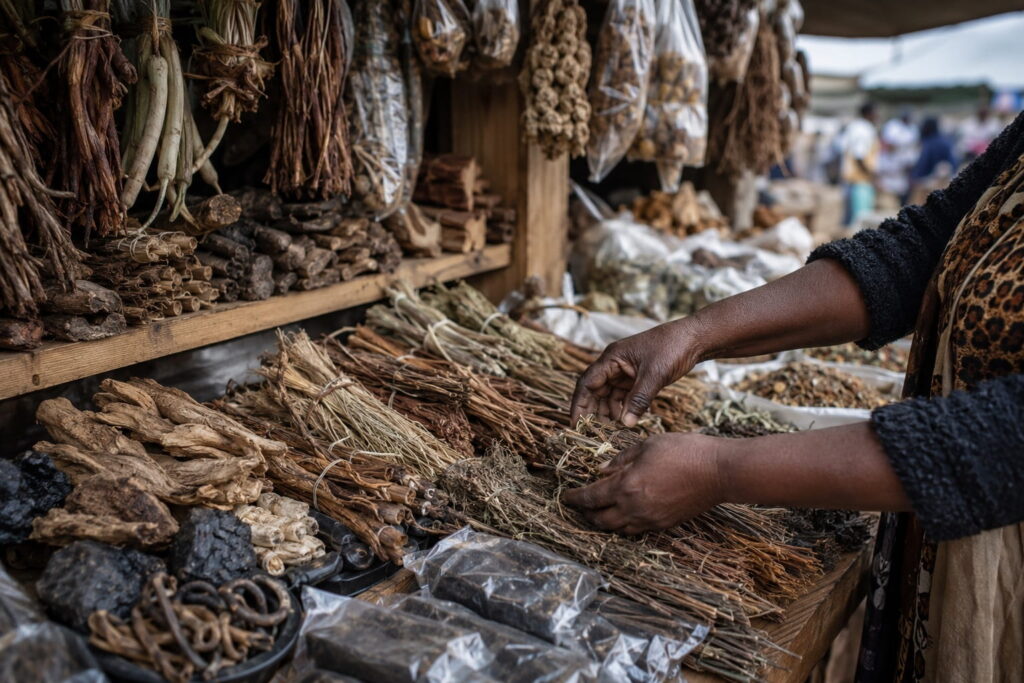
- Traditional herbal markets and muthi shops, common in South African towns and cities
- Registered herbal stores, which sometimes stock pre-made blocks, powder, or capsules
- Online sellers, though this route calls for extra caution — check reviews, ask what’s actually in the mixture, and be wary of sellers who won’t answer basic questions about sourcing
Whichever route you go, buying from someone who can tell you what’s in the mixture is safer than buying blind. A few practical tips:
- Look for reputable sellers with a track record, not just the first listing you find.
- Avoid products that give no ingredient information at all.
- Be wary of sellers making exaggerated “cure-all” claims — traditional remedies don’t need to promise miracles to be worth using responsibly.
- Where available, check packaging for preparation instructions and an expiry or best-before date.
What Is Umhlabelo Omhlophe Used For?
Umhlabelo omhlophe is used mainly for:
- Postpartum healing: speeding up recovery from caesarean or natural birth wounds
- Reducing bleeding and supporting uterine healing after childbirth
- Pain and swelling relief in the abdominal area postpartum
- Spiritual cleansing: many traditional practitioners also use it in baths or rituals believed to wash away bad luck and negative energy, separate from its physical use
It is not generally recommended during pregnancy. Traditional use is almost always positioned as a post-birth remedy, not a pregnancy one, because of concerns that certain herbs in the mix could stimulate the uterus.
Umhlabelo Side Effects
Umhlabelo is a herbal mixture, not a regulated pharmaceutical, so quality control and dosage consistency aren’t guaranteed. Reported side effects include:
- Allergic reactions — itching, rash, or in rare cases difficulty breathing
- Digestive upset — nausea, stomach pain, or diarrhoea
- Interactions with medication — particularly blood thinners, since some herbs can affect clotting or circulation
- Hormonal effects — irregular periods, mood changes, or headaches, especially during the postpartum window
- Liver or kidney strain — associated mainly with overuse or badly prepared mixtures
- Risk during pregnancy — some formulations may stimulate uterine contractions, which is why it’s discouraged before birth
Because recipes vary from healer to healer, the side effect profile isn’t consistent either. What one supplier sells as umhlabelo could be a very different mix from what another prepares.
How to Reduce the Risk
- Start with a small dose and watch how your body responds before increasing it.
- Tell your doctor or midwife you’re using it, especially if you’re on any chronic medication.
- Buy from, or get guidance from, a healer you trust rather than an unverified online seller.
- Avoid it during pregnancy unless a qualified healer has specifically advised otherwise.
Who Should Be Extra Cautious
Speak to a doctor before using umhlabelo if you have:
- Liver or kidney disease
- An autoimmune condition
- Upcoming or recent surgery
- Unknown allergies to herbal ingredients
When to Stop and Seek Medical Help
Stop using umhlabelo right away, and get medical attention, if you develop difficulty breathing, swelling of the lips or face, severe vomiting, persistent diarrhoea, or yellowing of the skin or eyes. These can be signs of a serious allergic reaction or liver strain, and they need urgent care rather than home management.
Umhlabelo and Modern Medicine: Why It’s Still Widely Used
Given how much modern healthcare has expanded across South Africa, it might seem surprising that umhlabelo hasn’t faded out. A few reasons explain why it hasn’t:
- Access: In rural areas, a traditional healer is often easier to reach — and more affordable — than a hospital.
- Trust: Generations of use build confidence, even without clinical trials to back it up.
- Identity: For many Zulu and Xhosa women, using umhlabelo after childbirth is part of a cultural rite, not just a treatment choice.
None of this means umhlabelo should replace medical care for serious injuries, post-surgical complications, or high-risk pregnancies. The safest approach, and the one most healthcare workers in South Africa now encourage, is combining the two: get proper medical treatment, and use umhlabelo as a cultural or complementary practice on top of it, with your doctor aware of what you’re taking.
Research on umhlabelo as a complete mixture remains limited, though it isn’t completely undocumented — a 2020 qualitative study surveyed traditional health practitioners in KwaZulu-Natal and identified umhlabelo (Talinum caffrum) as one of the most commonly prescribed traditional treatments for fractures, alongside a mixture called umahlanganisa.
That kind of ethnobotanical documentation is useful, but it’s not the same as a clinical trial: it records what healers use and believe works, not controlled evidence that it does. Some individual plants used in various traditional South African formulations have shown antimicrobial or anti-inflammatory activity in lab studies, but there are currently no large-scale clinical trials confirming the safety or effectiveness of umhlabelo mixtures as a whole.
Umhlabelo also isn’t formally evaluated or approved by the South African Health Products Regulatory Authority (SAHPRA) the way conventional medicines are, which is part of why quality and ingredient consistency vary so much from one supplier to the next.
FAQs About Umhlabelo
What is umhlabelo used for?
Mainly postpartum recovery, wound healing, and easing bone or muscle pain after an injury.
What is umhlabelo omhlophe used for?
Specifically for healing after childbirth — caesarean wounds, bleeding, and abdominal pain — plus spiritual cleansing in some traditions.
Is umhlabelo safe during pregnancy?
It’s traditionally used after birth, not during pregnancy. Most healers advise against it while pregnant unless they’ve assessed your specific situation.
Can umhlabelo interact with my medication?
Yes, it can — particularly blood thinners and certain chronic medications. Tell your doctor if you plan to use it.
How much umhlabelo should I drink?
There’s no universal dose, but a small amount (roughly half a cup) once or twice daily, on an empty stomach, is the common starting point. Follow your healer’s specific instructions where possible.
What’s the difference between umhlabelo and mathunga?
They’re different remedies that are often used together. Mathunga is generally described as more antiseptic-focused for wounds, while umhlabelo covers a broader range of recovery uses.
Is there scientific research on umhlabelo?
Research on the full mixture is limited, though some of the individual plants used in similar traditional formulations have shown antimicrobial or anti-inflammatory activity in lab studies. That’s not the same as clinical proof that umhlabelo itself works, which is why caution and medical consultation are both recommended.
Can I drink umhlabelo while breastfeeding?
Some women continue using it after childbirth while nursing, but there’s limited research on how its ingredients pass into breast milk. Check with your doctor or midwife before using it while breastfeeding.
What does umhlabelo taste like?
Bitter, mainly because of the roots and bark in the mixture. Diluting it with extra water helps, though traditional practice doesn’t recommend sweetening it.
How long should you drink umhlabelo?
Typically for the length of the recovery period — days to a few weeks — rather than as an ongoing daily habit. Long-term, unsupervised use isn’t traditionally recommended.
Can umhlabelo be applied directly to wounds, or is it only taken as a drink?
Both. Some healers prepare it as a drink for internal healing and also apply it topically to cuts or surgical wounds, depending on the injury.
Does umhlabelo help fractures heal faster?
Traditional belief holds that it reduces swelling and supports the body’s healing process around a fracture, but it’s used alongside proper medical treatment (like a cast) rather than as a stand-alone fix for broken bones.
Can umhlabelo cause diarrhoea?
Yes, digestive upset including diarrhoea and nausea is one of the more commonly reported side effects, especially with a stronger dose or an unfamiliar formulation.
Does umhlabelo expire?
Prepared mixtures don’t last indefinitely. Once mixed with water, use it within the timeframe your supplier or healer recommends, and store it in a sealed container in the fridge.
Is umhlabelo approved by SAHPRA?
No. Umhlabelo isn’t formally registered or evaluated by the South African Health Products Regulatory Authority, which means there’s no standardised quality or dosage control across suppliers.
What is umhlabelo in English?
The plant behind umhlabelo, where it’s been botanically identified, is porcupine root (Talinum caffrum). The word “umhlabelo” itself is harder to translate directly — it’s used to mean the medicine or concoction itself, though some sources tie its root to older words for sacrifice or offering.
Can children or men use umhlabelo?
While umhlabelo is traditionally used by men and, in some communities, given to children, there’s no standardised dosage for children. A qualified healthcare professional or experienced traditional healer should be consulted before giving any herbal remedy to a child.
The Bottom Line
Umhlabelo remains one of the most trusted names in Southern African traditional medicine, valued for postpartum recovery, wound healing, and bone or muscle support. Its benefits are rooted in generations of cultural practice rather than lab-tested evidence, and that gap matters — it’s the reason healthcare providers recommend using umhlabelo alongside modern medicine, not instead of it.
If you’re considering it, start small, buy from a source you trust, and keep your doctor in the loop — especially if you’re pregnant, breastfeeding, or managing a chronic condition.
Related Articles: