Overview
Skin conditions come in many forms, from common issues like acne and eczema to rarer autoimmune and infectious diseases. Some are harmless and short-lived, others are chronic and need ongoing management, and a small number are medical emergencies. This guide walks through the major categories, what each condition can look like, how doctors diagnose them, and when a skin change needs urgent attention, so you have a reliable starting point before deciding what to do next.
Quick Facts: Skin Health Conditions
| Fact | Detail |
|---|---|
| Global burden | Skin diseases are recognized as a global public health priority by the World Health Assembly, coordinated through WHO, and rank among the leading causes of outpatient visits worldwide. |
| Most common category | Acne, eczema, and fungal infections account for a large share of dermatology visits globally. |
| Most serious category | Skin cancer, including melanoma, basal cell carcinoma, and squamous cell carcinoma. |
| Groups at higher risk | People with diabetes, weakened immunity, or a family history of autoimmune skin disease, per the NIAMS overview of skin diseases |
| Diagnosis in darker skin | Conditions can present differently on darker skin tones and are sometimes diagnosed later as a result, according to the American Academy of Dermatology |
| When to seek care | Any skin change that is spreading rapidly, not healing, or accompanied by fever or breathing difficulty needs urgent evaluation, per MedlinePlus guidance on skin conditions |
A note on pictures: Descriptions and images can help you recognize what you might be dealing with, but many skin conditions look alike. A rash that resembles eczema could just as easily be contact dermatitis, psoriasis, or a fungal infection. Images and descriptions cannot confirm a diagnosis. If a skin problem is painful, spreading, or not improving, see a clinician for an in-person or teledermatology evaluation.
In this article:
- Skin Diseases and Conditions at a Glance
- Skin Diseases List With Pictures
- Fungal Skin Diseases List With Pictures
- Bacterial Skin Diseases
- Viral Skin Diseases
- Parasitic Skin Diseases
- Autoimmune and Inflammatory Skin Conditions
- Skin Growths and Pigmentation Problems
- Skin Cancer and Precancerous Conditions
- What Are the Top 10 Common Skin Conditions?
- What Do Different Skin Problems Look Like?
- How to Describe a Skin Problem to a Doctor
- How Are Skin Conditions Diagnosed?
- Common Skin Conditions and Treatments
- Dangerous Skin Conditions and Emergency Warning Signs
- Skin Cancer Warning Signs: The ABCDE Rule
- Skin Cancer in Darker Skin: Where to Check
- Skin Conditions by Life Stage
- When Should You See a Doctor About a Skin Problem?
- Can Internal Health Problems Cause Skin Changes?
- Skin Health and Nutrition
- How to Keep Your Skin Healthy
- A Word on AI Skin-Scanning Apps
- Frequently Asked Questions About Skin Health Conditions
- Key Takeaways
Skin Diseases and Conditions at a Glance
Here is a quick-reference directory of the categories covered in this guide.
| Category | Examples |
|---|---|
| Inflammatory | Acne, eczema, contact dermatitis, seborrheic dermatitis, psoriasis, rosacea, hidradenitis suppurativa |
| Fungal infections | Ringworm, athlete’s foot, jock itch, candidiasis, tinea versicolor, fungal nail infection |
| Bacterial infections | Cellulitis, impetigo, folliculitis, boils and abscesses |
| Viral infections | Shingles, warts, cold sores, chickenpox, mpox |
| Parasitic infestations | Scabies, lice, cutaneous larva migrans |
| Autoimmune/systemic | Vitiligo, alopecia areata, lupus, scleroderma, dermatomyositis, pemphigus/pemphigoid |
| Pigment disorders | Melasma, hyperpigmentation, post-inflammatory hyperpigmentation |
| Growths | Moles, skin tags, cysts, keloids, seborrheic keratoses |
| Precancerous/cancerous | Actinic keratosis, basal cell carcinoma, squamous cell carcinoma, melanoma |
Skin Diseases List With Pictures
Acne
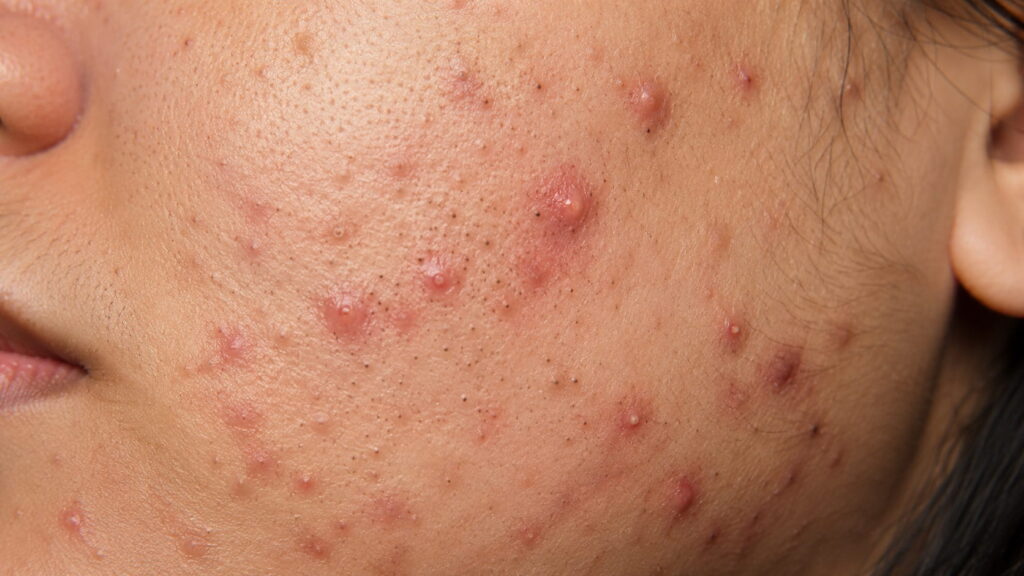
Clogged pores, blackheads, whiteheads, and inflamed pimples, most common on the face, chest, and back.
Eczema (Atopic Dermatitis)
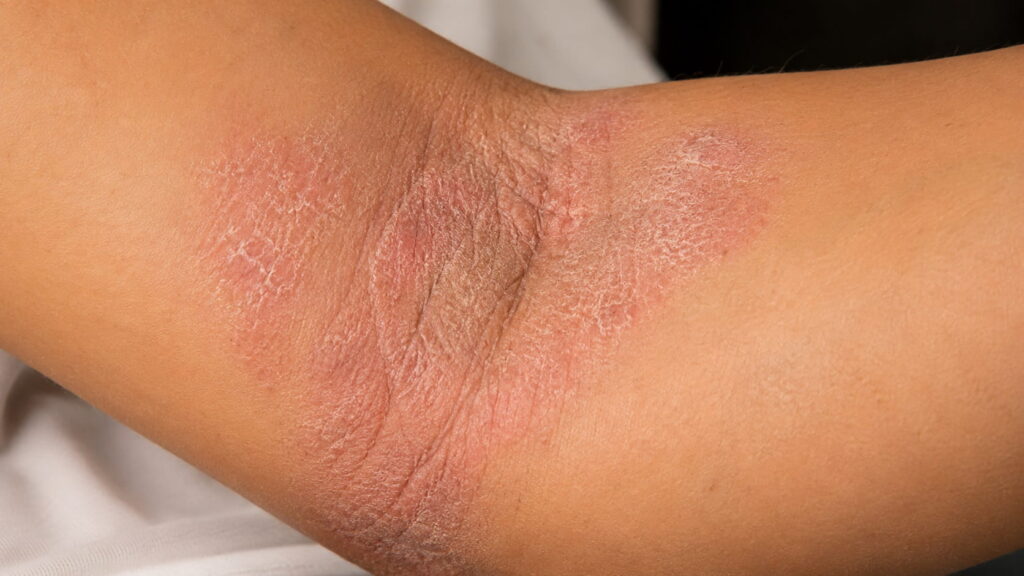
Dry, itchy, inflamed patches that can crack or weep. On darker skin, patches may look brown, purple, or grayish rather than red.
Psoriasis
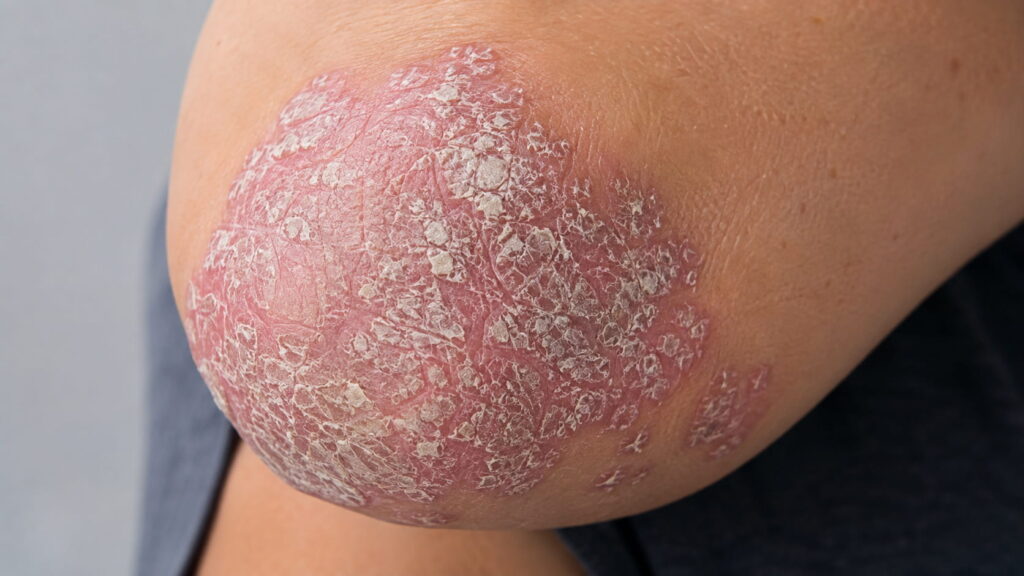
Thick, raised plaques with silvery-white scale on lighter skin, or violet to grayish tones with less visible scale on darker skin.
Rosacea
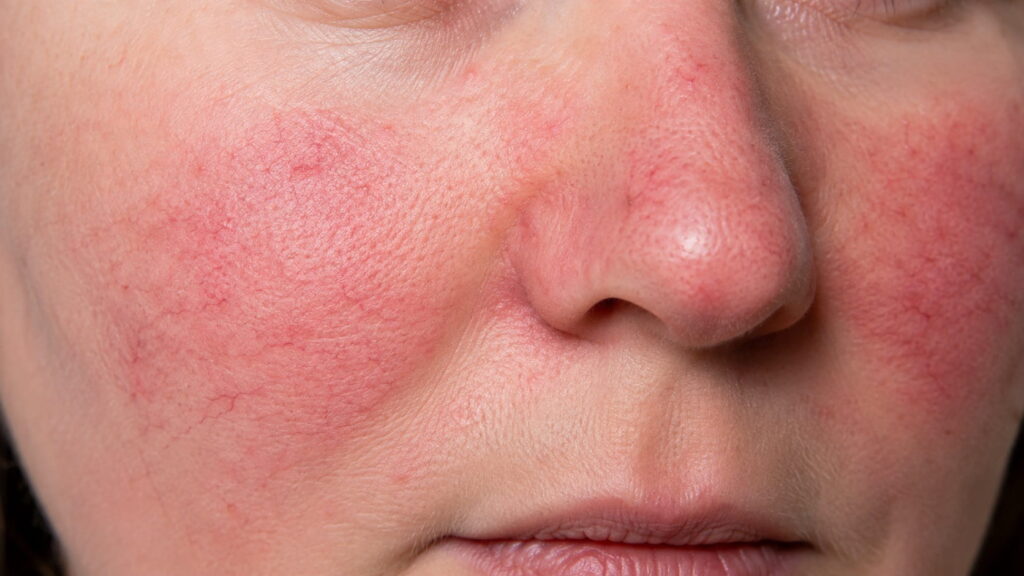
Facial flushing, visible blood vessels, and sometimes acne-like bumps. On darker skin, the redness can be harder to see and may present more as warmth, swelling, or dryness.
Hives (Urticaria)
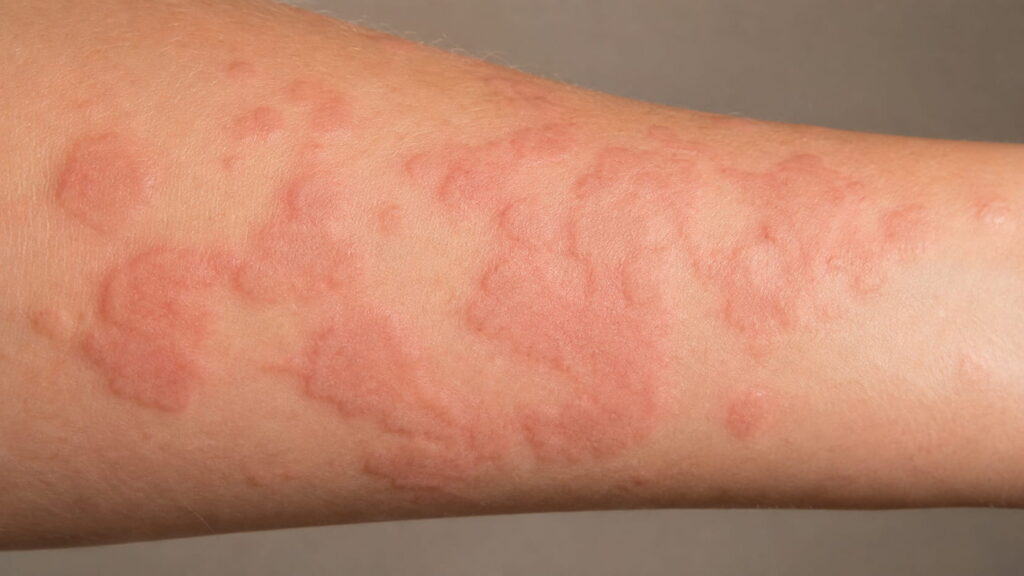
Raised, itchy welts that can appear within minutes of exposure to a trigger and often move around the body. Hives lasting under six weeks are considered acute and usually resolve with antihistamines. Hives that persist beyond six weeks are classified as chronic spontaneous urticaria, a distinct condition that often needs a specialist and sometimes a different class of medication.
Contact Dermatitis
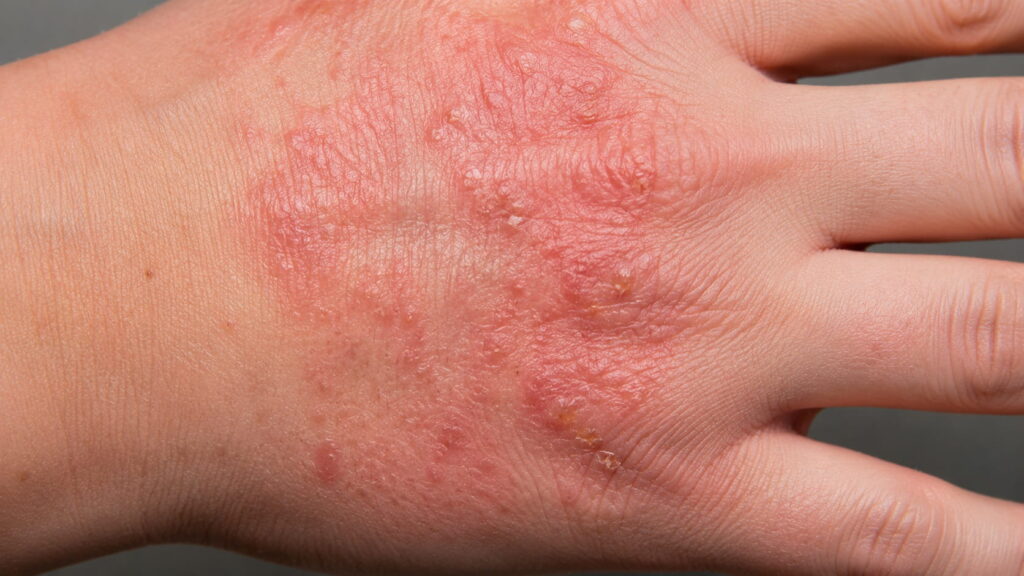
Redness, itching, or blistering where skin touched an irritant or allergen, such as a metal, soap, or plant.
Seborrheic Dermatitis
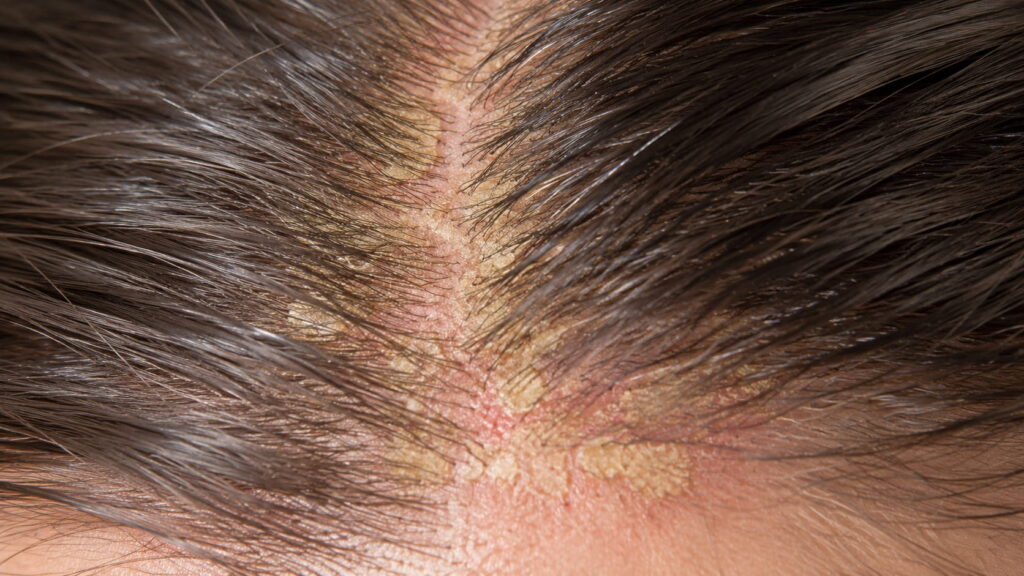
Greasy, yellowish scale on the scalp, eyebrows, or sides of the nose, often mistaken for dandruff or dry skin.
Vitiligo
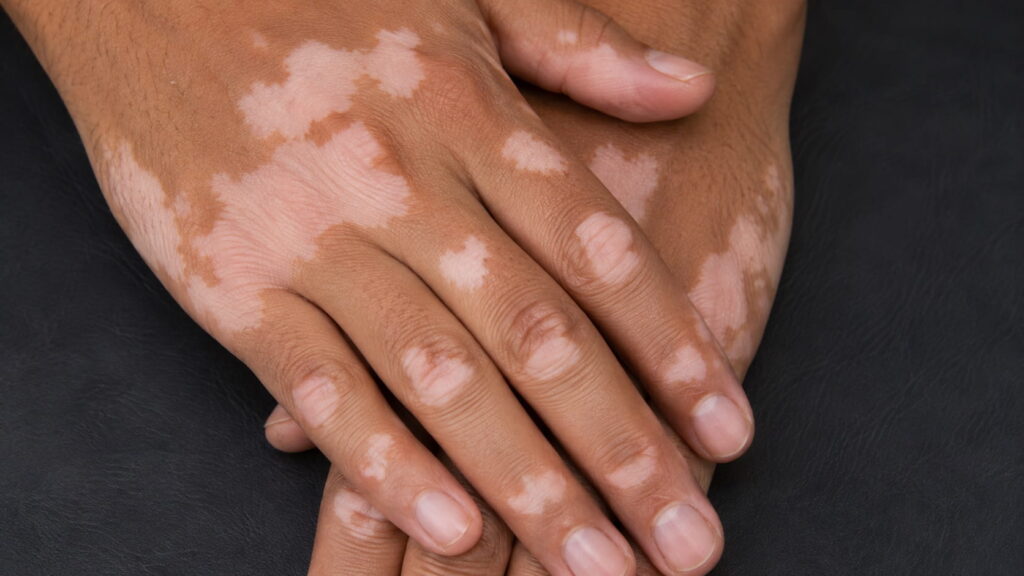
Smooth, milky-white patches where pigment-producing cells have stopped working. It is more visually noticeable on darker skin tones.
Melasma
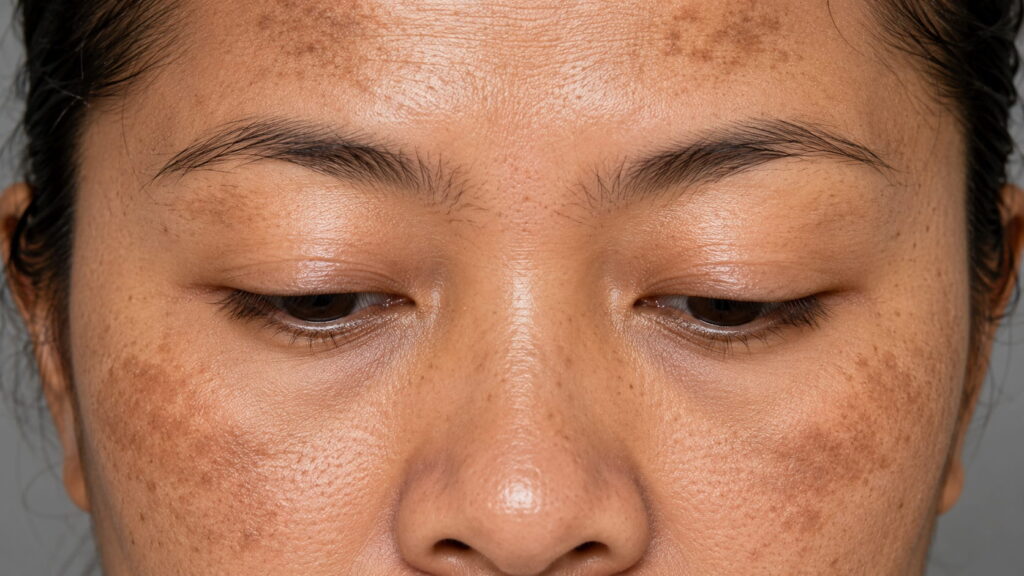
Symmetrical brown or grayish-brown patches, usually on the face, often triggered by hormonal changes and sun exposure.
Hyperpigmentation
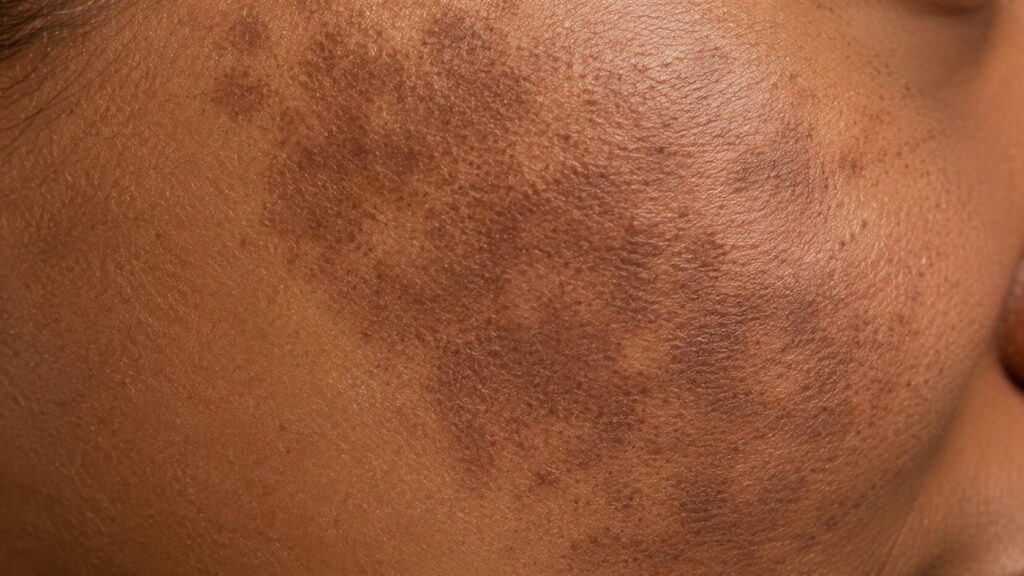
Darkened areas that develop after inflammation, injury, sun exposure, or hormonal changes. This is especially common and often more pronounced on medium to darker skin tones.
Fungal Skin Diseases List With Pictures
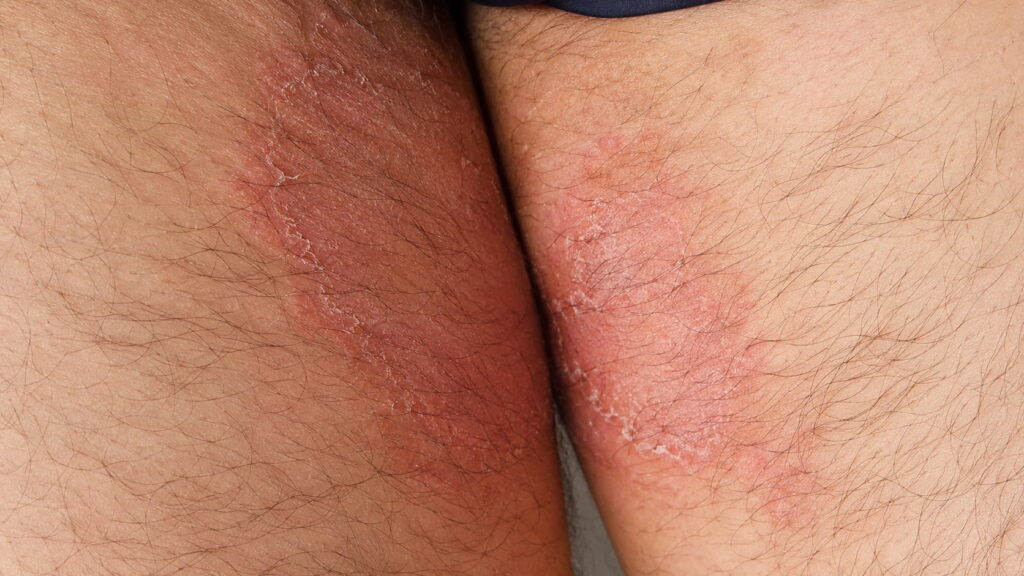
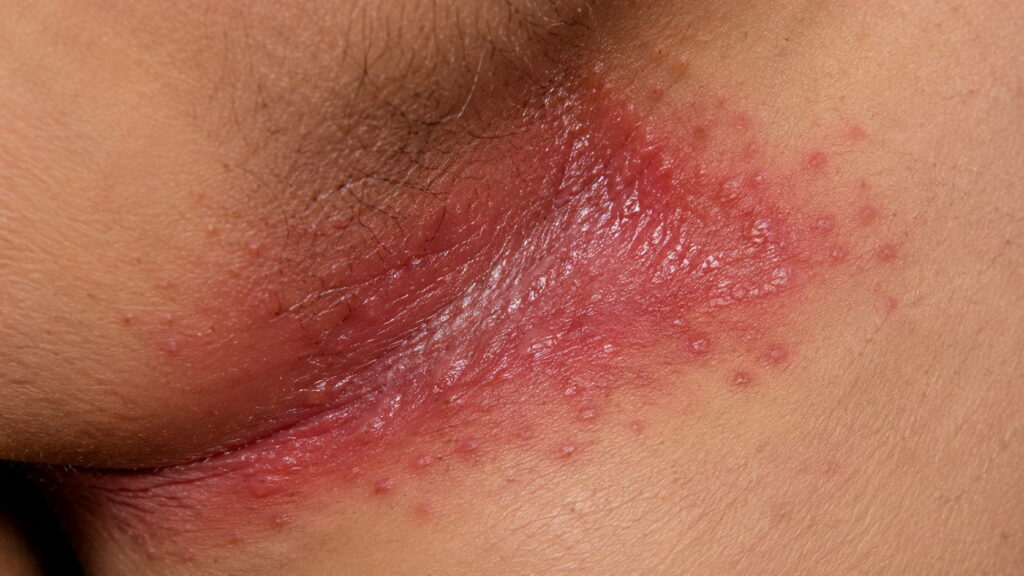
Fungal infections thrive in warm, moist areas of the body and respond well to correct treatment.
Ringworm (tinea corporis):
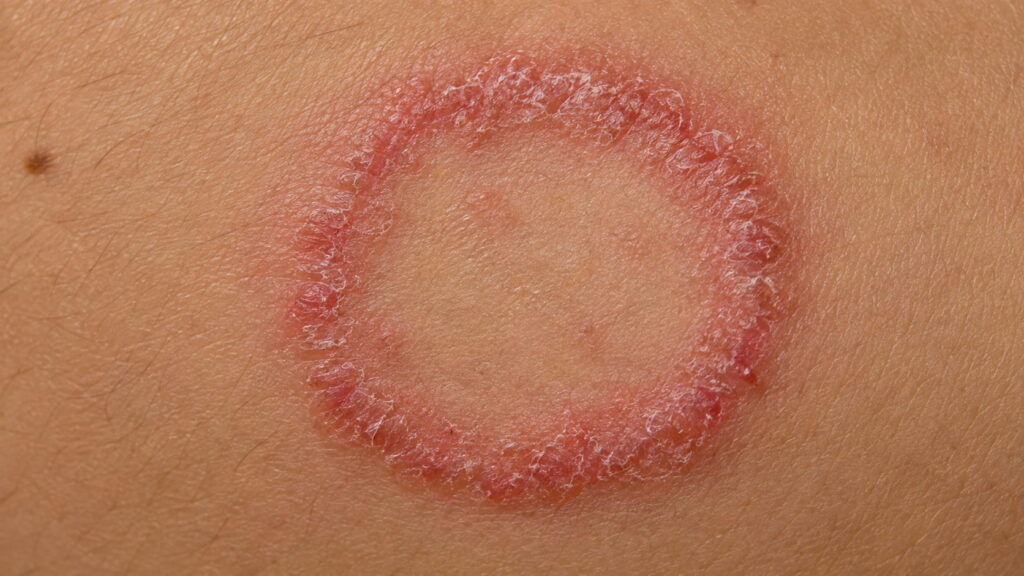
Athlete’s foot (tinea pedis):
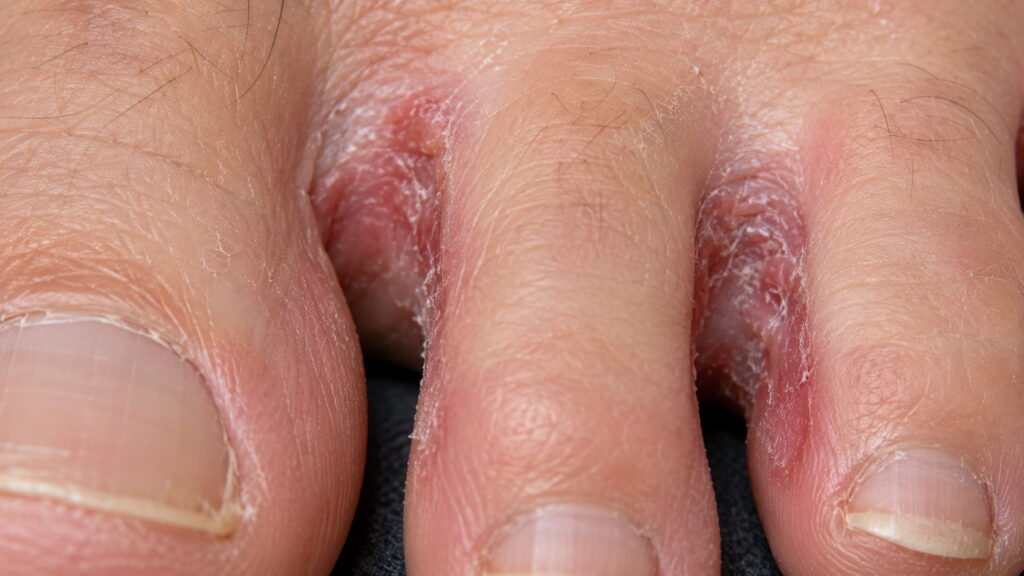
Jock itch (tinea cruris):
Candidiasis:
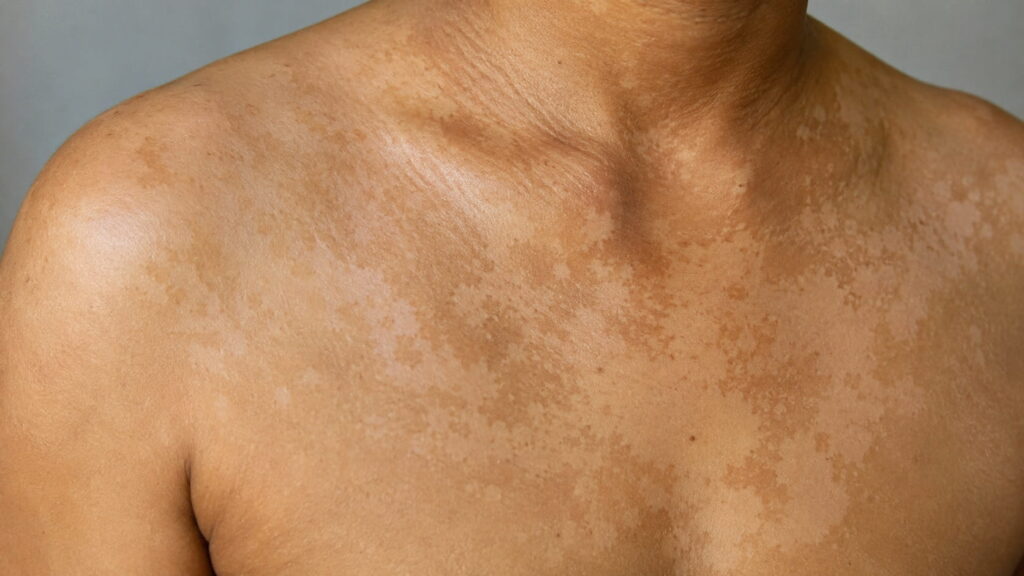
Tinea versicolor:
Fungal nail infection (onychomycosis):
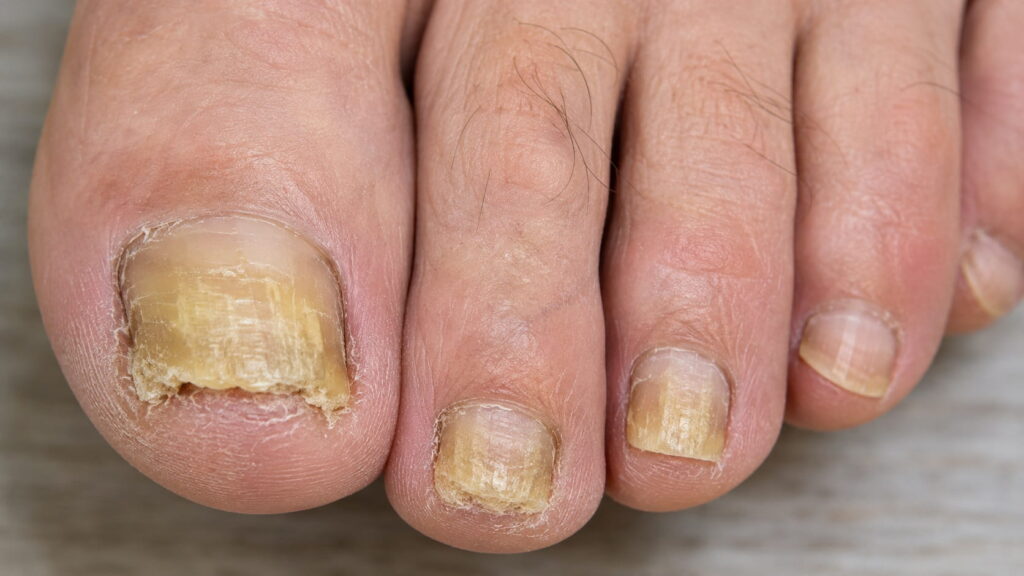
Antifungal creams, oral medication, and keeping the affected area dry are the standard treatment approach. A skin scraping or culture confirms the diagnosis when it isn’t clear.
Bacterial Skin Diseases
- Cellulitis: Red, warm, swollen skin that spreads and can become serious quickly.
- Impetigo: Honey-colored crusted sores, common in young children.
- Folliculitis: Small, tender red bumps centered around hair follicles.
- Boils and abscesses: Painful, pus-filled lumps under the skin.
Bacterial skin infections are usually treated with topical or oral antibiotics, depending on severity and how deep the infection sits.
Viral Skin Diseases
- Shingles: A painful, blistering rash that follows a single nerve pathway, usually on one side of the body.
- Warts: Rough, raised bumps caused by HPV, which can appear anywhere on the skin.
- Cold sores: Fluid-filled blisters around the mouth, caused by herpes simplex virus.
- Chickenpox: Itchy, fluid-filled blisters across the body, most common in unvaccinated children.
- Mpox: A rash that can start as flat spots before progressing to raised, fluid-filled lesions, often with fever and swollen lymph nodes.
Parasitic Skin Diseases
This category is easy to overlook, but it is common worldwide and highly contagious.
- Scabies: Intense itching, especially at night, with tiny burrow tracks often seen between the fingers, on the wrists, or around the waistline.
- Lice: Itchy scalp or body, with visible nits (eggs) attached to hair shafts.
- Cutaneous larva migrans: A winding, raised, itchy track under the skin, usually on the feet, caused by hookworm larvae from contaminated soil or sand.
Scabies in particular is frequently missed or mistaken for eczema, so it is worth specifically ruling out if itching is severe and worse at night.
Autoimmune and Inflammatory Skin Conditions
- Psoriasis: Already covered above, but worth noting it’s linked to higher risk of heart disease, diabetes, and depression, which is why dermatologists often screen for these alongside skin treatment.
- Vitiligo: Already covered above. It can appear or spread after sunburn or skin trauma (a reaction called the Koebner phenomenon), and it often runs in families.
- Alopecia areata: Sudden, round patches of hair loss caused by the immune system attacking hair follicles.
- Lupus: Can cause a butterfly-shaped facial rash and photosensitivity as part of a broader systemic disease.
- Scleroderma: Causes skin to thicken and tighten, sometimes alongside internal organ involvement.
- Dermatomyositis: An inflammatory condition causing a distinctive rash along with muscle weakness.
- Hidradenitis suppurativa: Recurrent, boil-like bumps and tunnels under the skin, often in the armpits or groin, frequently mistaken for acne or recurring infections.
- Pemphigus and pemphigoid: Rare autoimmune blistering disorders that require prompt specialist care.
These conditions generally need a dermatologist or rheumatologist for diagnosis and long-term management, since they often involve immune-suppressing or immune-modulating treatment.
Skin Growths and Pigmentation Problems
- Moles: Pigmented spots that are usually harmless but should be monitored for change.
- Skin tags: Small, soft, harmless growths, often in areas of friction.
- Cysts: Fluid- or debris-filled lumps beneath the skin.
- Keloids: Raised, thickened scars that extend beyond the original wound, more common in darker skin tones.
- Seborrheic keratoses: Waxy, “stuck-on” looking growths that appear with age.
- Melasma and hyperpigmentation: Covered above, but worth noting these are cosmetic concerns rather than dangerous ones, though they can be persistent.
Skin Cancer and Precancerous Conditions
Skin cancer deserves its own careful breakdown rather than a single blanket description.
- Actinic keratosis: A rough, scaly, sun-damaged patch that is precancerous. It is one of the earliest visible warning signs of long-term UV damage and is worth having checked rather than ignored.
- Basal cell carcinoma: The most common form of skin cancer. Often appears as a pearly bump or a sore that doesn’t heal, and it grows slowly.
- Squamous cell carcinoma: Can appear as a firm, red bump or a scaly patch, and it grows faster than basal cell carcinoma.
- Melanoma: The most aggressive form of skin cancer, arising from pigment-producing cells. It can develop from an existing mole or appear as a new spot. Risk is higher with a family history of melanoma, a large number of moles, or significant past sun exposure or sunburns, so people with these risk factors benefit from more frequent skin checks.
What Are the Top 10 Common Skin Conditions?
There is no single, universal ranking of the most common skin diseases. Prevalence varies by age, country, climate, and whether infections and skin cancers are included in the count. Global data suggests skin and subcutaneous conditions make up a substantial share of disease burden worldwide, with fungal infections and acne among the most frequently reported categories.
With that caveat in mind, these are among the skin conditions most commonly seen in general and dermatology practice:
- Acne
- Eczema (atopic dermatitis)
- Fungal infections (ringworm, athlete’s foot, candidiasis)
- Contact dermatitis
- Psoriasis
- Rosacea
- Hives (urticaria)
- Seborrheic dermatitis
- Viral skin infections (warts, cold sores, shingles)
- Skin cancer and precancerous lesions
What Do Different Skin Problems Look Like?
This table maps common skin concerns to the conditions most often behind them. It is a starting point for narrowing things down, not a diagnosis.
| Skin concern | Common possibilities |
|---|---|
| Itchy skin | Eczema, allergic reaction, scabies, fungal infection |
| Red or discolored patches | Dermatitis, rosacea, infection (may appear purple, brown, or gray on darker skin) |
| Dark patches | Hyperpigmentation, melasma, acanthosis nigricans |
| White or light patches | Vitiligo, fungal infection, old scarring |
| Bumps | Acne, folliculitis, hives, cysts |
| Scaling or flaking | Eczema, psoriasis, seborrheic dermatitis, fungal infection |
| Blisters | Herpes, shingles, eczema, autoimmune blistering disorders |
| A sore that won’t heal | Infection, ulcer, skin cancer |
| Hair loss in patches | Alopecia areata, fungal infection, hormonal causes |
| Nail changes | Fungal infection, psoriasis, trauma, and rarely melanoma |
How to Describe a Skin Problem to a Doctor
Whether you’re speaking to a dermatologist in person or through teledermatology, the more detail you bring, the faster you’ll get an accurate diagnosis. Try to note:
- Location: Face, scalp, hands, trunk, or widespread
- Appearance: Raised, flat, scaly, blistered, or discolored, and how that color looks on your specific skin tone
- Texture: Dry, oily, rough, or smooth
- Timing: Sudden onset or gradual, constant or comes and goes
- Triggers: Heat, stress, certain foods, new products, or sun exposure
- Associated symptoms: Itching, pain, burning, or fever
- How it has changed: Getting bigger, spreading, changing color, or staying the same
How Are Skin Conditions Diagnosed?
Most skin conditions start with a clinical examination, but several other tools help confirm a diagnosis.
Clinical examination. A doctor evaluates the location, distribution, shape, border, color, scale, and texture of a lesion, along with your symptom history.
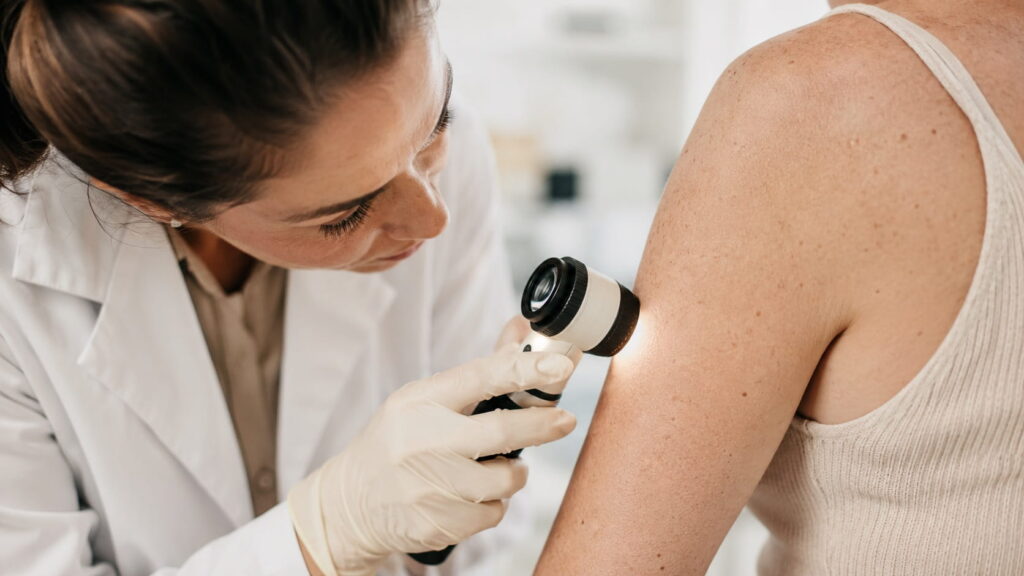
Dermoscopy. A handheld magnifying tool used to examine pigmented lesions and other skin structures in more detail, particularly useful for evaluating moles.
Skin scraping or culture. Used when a fungal infection is suspected, since appearance alone can be misleading.
Bacterial culture. Helps identify the specific bacteria behind certain infections and guides antibiotic choice.
Patch testing. Used to identify the specific allergen behind suspected allergic contact dermatitis.
Skin biopsy. A small sample of skin is removed and examined under a microscope. This is used for unclear rashes, inflammatory disorders, and any lesion suspicious for skin cancer.
Teledermatology can be genuinely useful for many visible skin conditions and offers faster, more affordable access to a specialist. That said, some cases still need an in-person exam, dermoscopy, biopsy, or lab testing to reach a confident diagnosis, so a virtual visit is a starting point rather than always the final word.
Common Skin Conditions and Treatments
| Condition | Typical treatment |
|---|---|
| Acne | Retinoids, benzoyl peroxide, antibiotics, hormonal therapy |
| Eczema | Moisturizers, topical steroids, barrier repair creams, trigger avoidance |
| Psoriasis | Topical therapy, phototherapy, biologic medication for moderate-severe cases |
| Rosacea | Topical anti-inflammatories, trigger avoidance, sometimes oral antibiotics |
| Fungal infections | Topical or oral antifungal medication, keeping skin dry |
| Bacterial infections | Topical or oral antibiotics depending on depth and severity |
| Viral infections | Antiviral medication where applicable, symptom management |
| Scabies | Prescription scabicide cream applied to the whole body |
| Vitiligo | Topical steroids, light therapy, camouflage options |
| Hyperpigmentation/melasma | Topical lightening agents, sun protection, sometimes procedures like peels |
| Skin cancer/precancerous lesions | Surgical removal, topical therapy, or other treatment based on type and stage |
Newer Treatment Options: Biologics and JAK Inhibitors
Treatment for several chronic skin conditions has changed significantly in the past few years. Biologic medications and JAK inhibitors, which target specific parts of the immune system rather than suppressing it broadly, are now available for moderate to severe psoriasis, eczema, hidradenitis suppurativa, chronic hives, and some forms of vitiligo and alopecia areata. For patients who haven’t responded well to older topical or oral treatments, these newer options are worth raising directly with a dermatologist, since eligibility and safety considerations vary by condition and individual health history.
Dangerous Skin Conditions and Emergency Warning Signs
Most skin problems are uncomfortable rather than dangerous. A smaller number need urgent or emergency care.
Seek emergency care immediately if you have:
- Difficulty breathing or swallowing
- Swelling of the lips, tongue, or throat
- A rapidly spreading rash, especially with pain out of proportion to how it looks
- Widespread blistering or skin that is peeling off in sheets
- Fever alongside a rapidly worsening rash
- Purple or black skin changes with severe pain
- A new rash accompanied by feeling seriously unwell
- A rash involving the eyes or mouth
- Rapidly worsening facial swelling
Conditions behind these warning signs include:
- Necrotizing fasciitis: A rare, life-threatening bacterial infection that destroys skin and soft tissue quickly and needs emergency surgery.
- Stevens-Johnson syndrome: A severe reaction, often to medication, causing painful blistering and skin peeling. This requires immediate hospital care.
- Severe cellulitis: Rapidly spreading redness, warmth, and swelling, particularly if it affects the face or is accompanied by fever.
- Anaphylaxis: Hives combined with swelling of the face or throat, or difficulty breathing, is a medical emergency requiring immediate treatment.
Skin Cancer Warning Signs: The ABCDE Rule
Use this to check moles and new spots:
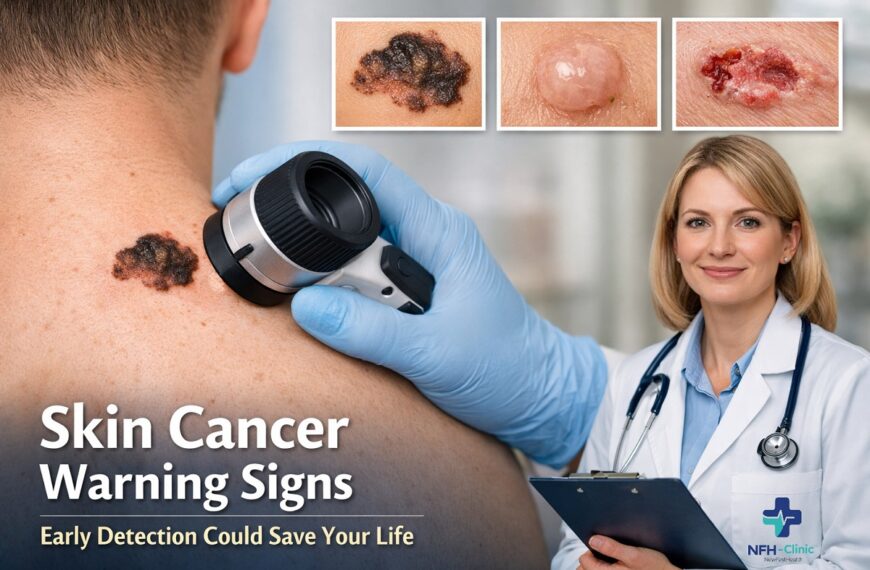
- A: Asymmetry. One half doesn’t match the other.
- B: Border. Irregular, scalloped, or poorly defined edges.
- C: Color. Multiple colors or uneven shading within the same spot.
- D: Diameter. Often larger than 6mm, but melanoma can be smaller when caught early.
- E: Evolving. Any change in size, shape, color, or texture over time.
If a mole or spot meets several of these criteria, or is simply new and changing, have it checked by a dermatologist promptly.
Skin Cancer in Darker Skin: Where to Check
Skin cancer is often diagnosed later in people with darker skin tones, partly because it can appear in less sun-exposed, less commonly checked areas. Pay particular attention to:
- Palms of the hands
- Soles of the feet
- Underneath or around the nails
- The mouth and lips
- The genital area
If you notice a new or changing dark spot in any of these locations, don’t dismiss it simply because it isn’t in a typically sun-exposed area.
Skin Conditions by Life Stage
The most likely cause of a skin problem often depends on age.
- Children: Eczema, impetigo, chickenpox, ringworm, and molluscum contagiosum are the most frequent issues, largely because of developing immune systems and close contact at school or daycare.
- Teens and young adults: Acne dominates, alongside contact dermatitis and the first appearance of conditions like psoriasis or vitiligo.
- Adults: Adult-onset acne, rosacea, eczema flares, fungal infections, and early sun damage become more common.
- Older adults: Skin thins and dries more easily, wound healing slows, and precancerous or cancerous lesions become more likely, which makes regular skin checks more important with age.
When Should You See a Doctor About a Skin Problem?
Book an appointment if:
- A skin issue lasts longer than two weeks without improving
- Over-the-counter treatment isn’t working
- A mole or spot is changing in size, shape, or color
- You have chronic itching, inflammation, or pain
- A wound isn’t healing
- You notice unusual patches, especially dark, velvety skin on the neck or underarms, which can sometimes point to an underlying metabolic issue
Can Internal Health Problems Cause Skin Changes?
Sometimes, yes. Certain internal conditions are associated with specific skin changes, including:
- Diabetes: Associated with slow healing, recurring infections, dry skin, and dark, velvety patches known as acanthosis nigricans
- Thyroid disorders: Can be associated with dry skin, hair thinning, or puffiness
- Hormonal imbalance: Linked to adult acne and hyperpigmentation in some cases
- Nutritional deficiencies: Can contribute to dry, fragile, or slow-healing skin
It’s worth being clear here: a skin finding can be associated with an underlying condition, but it usually cannot confirm a diagnosis on its own. If you notice a pattern like this, it’s a reason to get checked, not a diagnosis in itself.
Skin Health and Nutrition
Adequate protein and specific micronutrients support normal skin repair and barrier function. Vitamin C supports collagen production, vitamin A supports skin cell turnover, zinc plays a role in wound healing, and omega-3 fatty acids have anti-inflammatory properties. Deficiencies in these nutrients can contribute to dry, fragile, or slow-healing skin.
That said, nutrition supports skin health rather than replacing medical treatment. A balanced diet is a helpful part of managing most skin conditions, but it is not typically a primary treatment on its own.
How to Keep Your Skin Healthy
- Cleanse gently. Avoid harsh soaps that strip the skin barrier.
- Moisturize daily. This helps prevent both dryness and irritation.
- Use sun protection every day. Regular sunscreen use helps reduce UV exposure and lowers the risk of sunburn, premature aging, and some skin cancers.
- Treat issues early. Untreated acne, for example, can lead to permanent scarring, so early treatment tends to prevent longer-term damage.
- Get skin changes checked. Especially anything new, changing, or not healing.
A Word on AI Skin-Scanning Apps
Phone apps and AI tools that claim to identify skin conditions from a photo have become popular, and they can be a reasonable way to get a rough idea of what you might be looking at. But they are not a substitute for a clinical diagnosis. Photo quality, lighting, skin tone, and camera angle all affect accuracy, and these tools can miss or misclassify conditions that look similar to each other, including early skin cancer. Use them as a starting point if you like, not as a final answer, and follow up with an in-person or teledermatology visit for anything that concerns you.
Frequently Asked Questions About Skin Health Conditions
When should I see a dermatologist for skin problems?
See a doctor if a condition lasts longer than two weeks, if it isn’t responding to over-the-counter treatment, if a mole is changing, or if you have chronic itching, inflammation, or a wound that won’t heal.
What are the early warning signs of serious skin disease?
Bleeding lesions, sudden pigmentation changes, persistent redness, skin thickening, and sores that won’t close are all reasons to get evaluated. These can point to skin cancer, autoimmune disease, or complications from an underlying condition like diabetes.
Can diabetes cause skin problems?
Yes. Diabetes is associated with infections, slow wound healing, dry skin, and dark, velvety patches known as acanthosis nigricans.
How are skin conditions diagnosed?
It starts with a clinical exam, and depending on what’s suspected, may include dermoscopy, a culture, patch testing, or a biopsy. See the “How Are Skin Conditions Diagnosed” section above for what each of these involves.
What is the best medical treatment for chronic skin conditions?
It depends entirely on the diagnosis. Newer biologic and JAK inhibitor medications have expanded options for psoriasis, eczema, and hidradenitis suppurativa in particular, so it’s worth asking a dermatologist whether you’re a candidate if older treatments haven’t worked.
Is telehealth effective for skin treatment?
For many visible conditions, yes, and it’s often faster and more affordable than an in-person visit. Some cases still need hands-on examination, dermoscopy, or a biopsy, so think of telehealth as a strong first step rather than the only step.
What skin conditions are linked to immune system problems?
Psoriasis, eczema, lupus, vitiligo, and hidradenitis suppurativa are all connected to immune system activity and typically need ongoing medical management.
Can poor nutrition cause skin disease?
It can contribute to it. Specific deficiencies map to specific problems, vitamin A to dry skin, zinc to delayed healing, vitamin C to weakened collagen, and low protein intake to fragile skin, though nutrition supports treatment rather than replacing it.
What is the best way to prevent skin disease long term?
Daily sun protection, gentle skin barrier care, and treating issues early rather than waiting them out. See the “How to Keep Your Skin Healthy” section above for the full routine.
How can I tell the difference between a rash and something more serious?
Pay attention to how fast it’s spreading, whether you have fever or pain out of proportion to the rash, and whether it involves your eyes, mouth, or breathing. Any of those warrant urgent evaluation rather than waiting it out.
Key Takeaways
Skin conditions span a wide range, from common and easily treatable issues like acne to rare emergencies like Stevens-Johnson syndrome. Pictures and descriptions can help you narrow down what you’re looking at, but they can’t replace an actual diagnosis. Certain conditions, including scabies, hidradenitis suppurativa, and early skin cancer, are commonly missed or mistaken for something else, which is exactly why persistent or unclear skin changes deserve a proper evaluation rather than guesswork.
💬 Have a skin concern you’d like evaluated? NFH Clinic offers in-person and telehealth dermatology consultations to help you get an accurate diagnosis and a treatment plan that addresses the cause.
Related Articles: