💬 This article is for general health information only and isn’t a substitute for medical advice, diagnosis, or treatment. If you’re experiencing symptoms, please talk to a healthcare provider or contact NFH Clinic directly.
Overview: Explosive Diarrhea Parasite Outbreak in the US
Quick answer: The explosive diarrhea parasite outbreak in the US is being caused by Cyclospora cayetanensis, a foodborne parasite linked mainly to contaminated iceberg lettuce. Symptoms include watery, explosive diarrhea, cramping, nausea, and fatigue. It spreads through contaminated food or water, not from person to person, and most people recover with prescription antibiotics and steady fluid intake.
Quick Facts
| Detail | Information |
|---|---|
| Cause | Cyclospora cayetanensis, a microscopic parasite |
| Spread | Contaminated food or water — not person to person |
| Main symptom | Watery, explosive diarrhea |
| Incubation | Usually about a week (range: 2–14 days) |
| Treatment | Prescription antibiotics plus oral rehydration |
| Current concern | A multistate 2026 outbreak linked mainly to contaminated lettuce, with a second unexplained cluster under investigation |
If your stomach has been in knots lately, you’re not imagining things. Right now, the United States is dealing with its largest recorded outbreak of a gut parasite called Cyclospora, and doctors are calling this year’s numbers unlike anything they’ve seen before.
According to the US Centers for Disease Control and Prevention (CDC), more than 4,100 domestically acquired cases have been confirmed across more than 40 states, with thousands more under investigation. That’s more than six times the case count from this point last year.
I’m McLee Tembo, Health Consultant and Founder of NFH Clinic. Patients have been reaching out to me all month with the same question: “Is this the explosive diarrhea parasite outbreak I keep seeing on the news, and how do I know if I have it?” A lot of them also want to know right away whether it’s catching, it isn’t spread person to person, which we’ll get into below.
So let’s break it down together, what’s causing this nationwide Cyclospora outbreak, why it hits so hard, which foods are under suspicion, and exactly what to do if you or someone in your family starts showing symptoms.
In this article:
- What Is the Explosive Diarrhea Parasite Outbreak?
- Why Does Cyclospora Cause "Explosive" Diarrhea?
- Symptoms to Watch For
- How Many States Are Affected by the Outbreak?
- Is There an Active Cyclospora Recall?
- Foods Linked to the Parasite Outbreak
- Does Washing Lettuce Remove Cyclospora?
- Who's Most at Risk?
- Diagnosis and Treatment
- When Should You See a Doctor?
- How to Protect Yourself and Your Family
- Frequently Asked Questions
- Key Takeaways
- Bottom Line
- Resources
What Is the Explosive Diarrhea Parasite Outbreak?
The parasite behind this outbreak is Cyclospora cayetanensis, a microscopic organism that infects the small intestine. The illness it causes, cyclosporiasis, has earned its nickname for a reason — it produces watery, frequent, and sometimes genuinely explosive bowel movements that can leave you stuck near a bathroom for days.
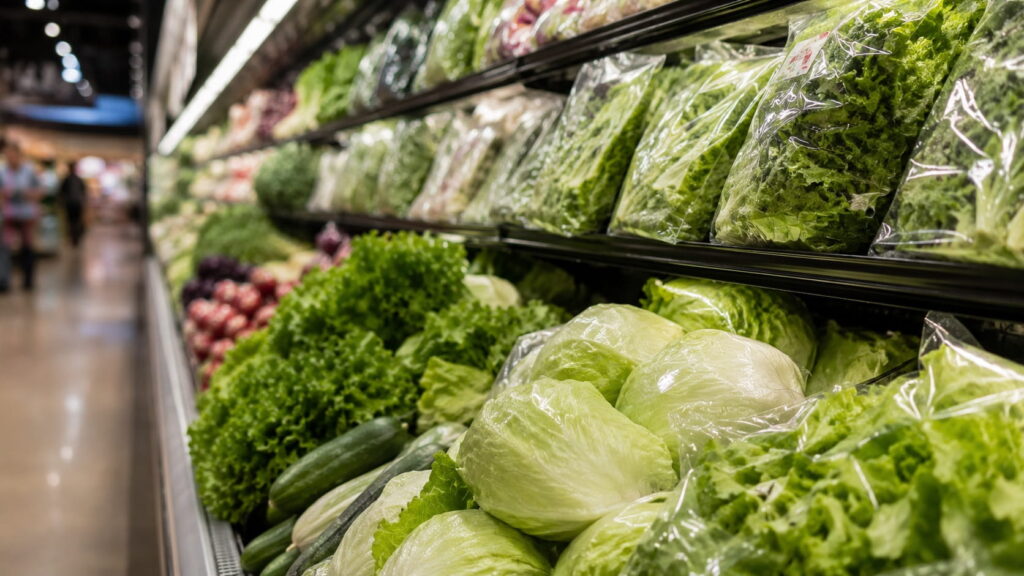
This isn’t a brand-new bug. Cyclospora is a protozoan parasite that shows up almost every summer as a foodborne illness, usually tied to fresh produce. What’s different in 2026 is the scale. The CDC’s Health Alert Network has flagged several overlapping outbreaks happening at once, and one of them, linked to shredded iceberg lettuce served at Taco Bell locations, has grown to 9 states (Illinois, Indiana, Kansas, Kentucky, Michigan, Ohio, Oklahoma, Pennsylvania, and West Virginia) and nearly 1,950 confirmed illnesses, with at least 98 hospitalizations. Taylor Farms de Mexico responded with a voluntary recall of iceberg lettuce grown in central Mexico after FDA traceback investigators linked the illnesses to that supply chain.
As if that weren’t enough, the FDA is now chasing down a second, separate cluster of more than 70 cases with no confirmed source yet. In other words, this explosive diarrhea parasite outbreak in the US isn’t a single event, it’s several outbreaks unfolding side by side, which is exactly why case numbers keep climbing week after week.
If you’re wondering whether there’s an active recall right now, the short answer is yes: check the FDA’s recall page before you use any bagged or shredded iceberg lettuce, since retailers are still working through pulling affected stock from shelves.
Why Does Cyclospora Cause “Explosive” Diarrhea?
Once swallowed, Cyclospora burrows into the lining of your small intestine. From there, it interferes with how your gut absorbs water and nutrients. The result is watery stool that arrives suddenly, frequently, and with little warning, hence the “explosive” description you keep seeing in headlines.
Unlike a typical 24-hour stomach bug, this illness tends to drag on. Left untreated, symptoms can last anywhere from a few days to over a month, and they often fade and then come roaring back in waves.
Symptoms to Watch For
Symptoms usually begin about a week after exposure, though the window can stretch from two days to two weeks. Here’s what tends to show up:
- Watery, frequent, explosive diarrhea
- Loss of appetite and unexplained weight loss
- Stomach cramping, bloating, and gas
- Nausea, occasionally with vomiting
- Fatigue and low-grade fever
- Muscle aches
One tricky feature of this infection is that symptoms can seem to disappear, only to relapse days later. If your “stomach flu” keeps coming back, that’s a red flag worth mentioning to a doctor, and worth requesting a specific Cyclospora stool test for, since standard lab panels often miss it.
It’s also worth knowing that some infected people develop no symptoms at all, yet can still be diagnosed through specialized stool testing and can still pass the parasite along through poor hand hygiene during food handling.
How Many States Are Affected by the Outbreak?
At last count, confirmed domestic cases have touched more than 40 states, with the heaviest concentration in Michigan, Ohio, Indiana, Kentucky, West Virginia, Illinois, Kansas, Oklahoma, and Pennsylvania, the nine states now tied to the Taco Bell lettuce cluster. Michigan alone has logged thousands of reported illnesses this season.
Health officials stress that these figures almost certainly understate the real total, since Cyclospora is notoriously underdiagnosed, many people ride out the symptoms at home without ever getting tested. Because investigations are still active, the CDC updates its confirmed case numbers regularly as new lab results and state reports come in, so the totals above will likely shift again before this outbreak is declared over.
Is There an Active Cyclospora Recall?
Yes. Federal investigators have linked one major outbreak to shredded iceberg lettuce supplied through Taylor Farms de Mexico, prompting a voluntary recall of iceberg lettuce grown in central Mexico.
If you have bagged or shredded iceberg lettuce at home and aren’t sure where it was sourced, check the FDA’s latest recall notices before eating it, retailers may still be working through pulling affected stock from shelves.
Foods Linked to the Parasite Outbreak
So far, investigators keep circling back to fresh produce, and lettuce sits at the center of the current outbreak. Here’s what’s worth being cautious about while the investigation continues:
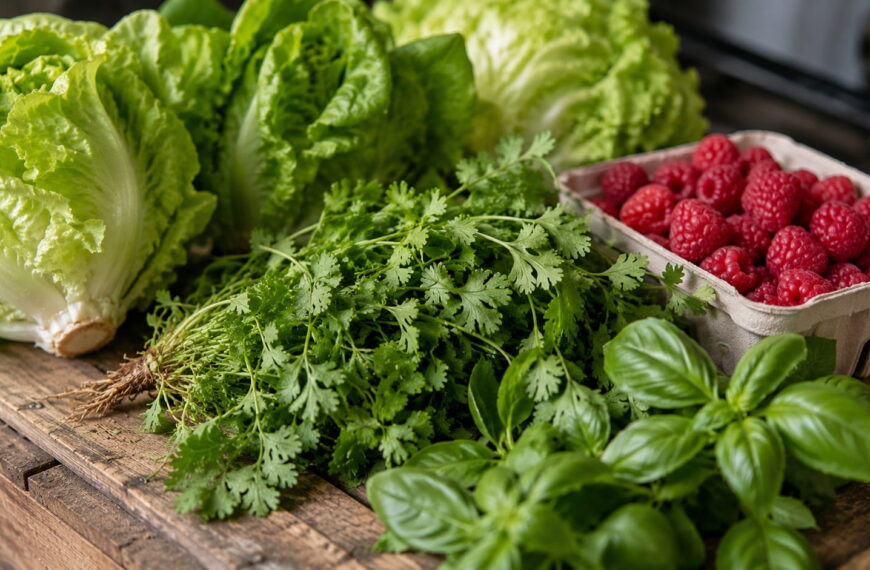
- Iceberg lettuce, particularly shredded lettuce sourced from central Mexico and tied to the Taylor Farms recall
- Bagged salad mixes and pre-cut greens, which have been linked to past Cyclospora outbreaks
- Fresh herbs, especially cilantro and basil
- Berries, including raspberries
- Snap peas and other leafy greens
Cyclospora spreads through food or water that’s been contaminated with feces, so it takes contact with tainted irrigation water, unwashed hands, or poor field sanitation to pass it along. It doesn’t spread directly from person to person the way a cold or flu does, which is a small silver lining if someone in your household is already sick.
It’s also common among travelers returning from tropical and subtropical regions where the parasite is more established, so if you’ve recently traveled abroad and come down with similar symptoms, mention that travel history to your doctor.
Does Washing Lettuce Remove Cyclospora?
This is the question I get asked most, and the honest answer is: not reliably. Cyclospora’s outer shell (called an oocyst) is built to survive in the environment, and it can cling tightly to the surface of leafy greens in the folds and crevices where rinsing water doesn’t always reach.
A quick rinse under the tap knocks off dirt and loose debris, but it isn’t a guarantee that the parasite is gone, that’s true even for produce labeled “pre-washed” or “triple-washed.”
That’s exactly why recalled iceberg lettuce shouldn’t just be rinsed and eaten. If a product is under recall, the safest move is to throw it out or return it, not to wash it more thoroughly. For non-recalled greens, washing is still worth doing since it reduces overall risk, but it isn’t a substitute for checking recall lists or choosing cooked greens when you’re unsure.
Who’s Most at Risk?
Anyone can catch this parasite, but a few groups tend to fare worse:
- People with weakened immune systems
- Young children and older adults
- Anyone with an existing digestive condition
- People who eat out frequently, since restaurant salads and pre-washed greens are harder to control at home
Pregnant women can also get infected, and while cyclosporiasis itself isn’t considered a direct threat to a pregnancy, treatment decisions should always be made together with an OB-GYN or primary care provider rather than self-treating.
Diagnosis and Treatment
Here’s where a lot of people get stuck: Cyclospora doesn’t show up on a routine stool test. Your provider has to specifically request Cyclospora testing, and because the parasite sheds inconsistently, you may need to submit stool samples on more than one day before it’s confirmed.
The standard treatment is a course of trimethoprim-sulfamethoxazole (commonly known by the brand names Bactrim or Septra). If you’re allergic to sulfa drugs, your provider can walk you through alternatives. Alongside medication, rest and steady fluid intake matter just as much, dehydration is the real danger with an illness this watery, especially in children and older adults.
An oral rehydration solution (ORS) with the right balance of water, salt, and sugar does far more for you than plain water alone, and it’s worth keeping on hand rather than reaching for it only once you feel dizzy. Sports drinks can help in a pinch, but they’re not a full substitute for ORS since they’re often too heavy on sugar and too light on sodium. It’s also worth easing off alcohol and heavy caffeine while you’re symptomatic, since both can make dehydration worse.
Most healthy adults do eventually recover even without treatment, but going untreated means risking weeks of illness and repeat relapses. That’s not a trade-off worth making when a short course of antibiotics can shorten the whole ordeal.
When Should You See a Doctor?
Don’t wait it out if you notice any of the following:
- Diarrhea lasting more than three days
- Signs of dehydration — dark urine, dizziness, dry mouth
- Blood in your stool
- A fever above 102°F
- Symptoms in a young child, an older adult, or someone immunocompromised
At NFH Clinic, we’re seeing a steady rise in patients presenting with these exact symptoms, and early testing makes a real difference in how quickly you bounce back. If your gut has been off for more than a couple of days, it’s worth getting checked rather than assuming it will pass on its own.
How to Protect Yourself and Your Family
While the source investigation continues, a few precautions go a long way:
- Wash produce thoroughly under running water, even if it’s labeled pre-washed.
- Check for active recalls before using bagged salads, iceberg lettuce, or fresh herbs — the FDA updates its recall list regularly.
- Cook when you can. Thorough cooking greatly reduces the risk of infection, since Cyclospora doesn’t survive normal cooking temperatures, so heated dishes carry far less risk than raw greens right now.
- Practice good hand hygiene, especially before eating and after using the bathroom.
- Be cautious with restaurant salads in states with active outbreak reports until the source is confirmed.
To be clear, this doesn’t mean giving up fresh fruits and vegetables altogether, they’re still essential to a healthy diet. It simply means staying alert while investigators work to pin down every contaminated source.
Frequently Asked Questions
What is causing the explosive diarrhea parasite outbreak in the US?
The current wave is being driven by Cyclospora cayetanensis, a parasite tied primarily to contaminated iceberg lettuce, though a second outbreak with an unidentified source is also under FDA investigation.
Is the outbreak the largest on record?
Yes. With thousands of confirmed and pending cases across dozens of states, 2026 has already surpassed previous years’ totals by a wide margin.
How long does the illness last?
Without treatment, symptoms can last from a few days to over a month, and they often relapse. Treatment with prescribed antibiotics typically shortens recovery time.
Can you get cyclosporiasis more than once?
Yes. Having had it before doesn’t protect you from getting infected again.
Is it contagious from person to person?
Not directly. The parasite needs time in the environment before it becomes infectious, so it spreads mainly through contaminated food or water rather than close contact.
Is Cyclospora a parasite or a virus?
It’s a parasite — specifically a microscopic protozoan called Cyclospora cayetanensis. It’s not a virus or bacteria, which is why standard antiviral or general antibiotic treatments don’t touch it; it needs a specific medication and a specific stool test to catch.
Can I wash Cyclospora off lettuce?
Rinsing helps remove dirt and reduces overall risk, but it doesn’t reliably remove Cyclospora, since the parasite can cling to the surface of leafy greens. Recalled produce should be thrown out or returned, not washed and eaten.
Does cooking kill Cyclospora?
Yes. Normal cooking temperatures destroy the parasite, so cooked dishes carry far less risk than raw greens during an active outbreak.
Key Takeaways
- The explosive diarrhea parasite outbreak in the US is caused by Cyclospora cayetanensis, a microscopic parasite, not a virus or bacteria.
- It spreads through contaminated food or water, mainly iceberg lettuce right now, and not from person to person.
- Washing produce reduces risk but doesn’t reliably remove the parasite; recalled lettuce should be thrown out, not rinsed and eaten.
- Symptoms can relapse in waves and can last from a few days to over a month if untreated.
- A specific stool test and a course of antibiotics (usually trimethoprim-sulfamethoxazole) are needed for diagnosis and faster recovery.
- Staying hydrated with an oral rehydration solution matters as much as medication while you recover.
Bottom Line
This explosive diarrhea parasite outbreak in the US is a moving situation, and case counts are still climbing as investigators track down every contaminated batch of produce. The good news is that cyclosporiasis is treatable, testable, and largely preventable once you know what to watch for. If you’ve had days of unexplained watery diarrhea, don’t just wait it out, get tested, stay hydrated, and reach out to a provider who takes your symptoms seriously.
At NFH Clinic, we’re here to help you get answers fast, whether that means arranging the right stool testing, guiding your treatment, or simply helping you figure out if what you’re dealing with fits the current outbreak pattern. Your gut health shouldn’t be a guessing game — reach out to NFH Clinic today if something feels off.
Resources
- CDC: About Cyclosporiasis — symptoms, transmission, diagnosis, and treatment overview
- CDC: Cyclospora Outbreak Linked to Iceberg Lettuce in 9 States — current investigation details and state-by-state case data
- CDC: Domestically Acquired Cyclosporiasis Health Alert — official CDC Health Alert Network notice
- CDC: Surveillance of Cyclosporiasis — national case count updates
- FDA: Iceberg Lettuce Recall Notice — Taylor Farms de Mexico recall details
Related Articles: