I’m McLee Tembo, founder of NFH Clinic and an online health consultant who spends a good chunk of every week fielding questions from worried readers about gut health. This week, one search term has flooded my inbox more than any other: cyclosporiasis foods to avoid. And honestly, I get it. Nobody wants to deal with weeks of watery, “explosive” diarrhea because of a salad.
If you’ve landed here, you’re probably asking the same question I’ve heard dozens of times this month: which foods should I actually avoid right now? Let’s walk through it together, plainly and without the scare tactics.
Quick Facts: Cyclosporiasis
| Cause | Cyclospora cayetanensis, a microscopic parasite |
| Main symptom | Watery, sometimes explosive diarrhea |
| Incubation period | ~1 week (range: 2 days – 2 weeks or more) |
| Highest-risk foods | Bagged lettuce, cilantro, basil, raspberries, snap peas, green onions |
| What kills it | Cooking to 158°F (70°C) — washing, vinegar, and freezing do not reliably work |
| Treatment | Prescription antibiotic (TMP-SMX), 7–10 days |
| Contagious person-to-person? | No — spreads through contaminated food or water |
💬 This article is for general information only and isn’t a substitute for medical advice. If you have persistent or severe diarrhea, please talk to a doctor or reach out to our team at NFH Clinic.
In this article:
- What Is Cyclosporiasis, Really?
- Where Does the Cyclospora Parasite Come From?
- Signs and Symptoms of Cyclosporiasis
- Cyclosporiasis Incubation Period
- Cyclosporiasis Foods to Avoid Right Now
- Safe Foods During a Cyclospora Outbreak
- Prevention Tips for the Current Outbreak
- What to Eat When You Have Cyclospora
- What Kills Cyclospora?
- Will Vinegar Kill Cyclospora?
- How to Get Rid of Cyclospora Naturally
- Cyclospora Test: How Diagnosis Works
- Cyclospora Long-Term Effects
- When to Contact a Doctor
- Quick FAQ
- Key Takeaways
- Final Thoughts From NFH Clinic
What Is Cyclosporiasis, Really?
Cyclosporiasis is a gut infection caused by a microscopic parasite called Cyclospora cayetanensis. You can’t see it, taste it, or smell it on your food. It hitches a ride on fresh produce that’s been in contact with contaminated water or soil, and once it’s inside your small intestine, it settles in and causes trouble.
This isn’t a brand-new problem. Outbreaks have popped up in the U.S. nearly every summer since the 1990s, usually tied to imported herbs, berries, or leafy greens. What makes 2026 different is the scale. Health officials have logged thousands of confirmed and suspected cases since May. That’s a steep jump compared with the same period last year. Several states have reported hospitalizations.
Investigators have linked a chunk of the current cases to shredded iceberg lettuce from a specific supplier, which triggered a nationwide recall. Officials are clear, though: more than one source is likely feeding the surge. The FDA and several states are actively investigating separate clusters at the same time — including one in North Carolina where cilantro and parsley are under review — so this isn’t a single, tidy outbreak with one culprit.
Where Does the Cyclospora Parasite Come From?
Cyclospora endemic areas include parts of Latin America (notably Guatemala, Peru, Mexico, and Haiti), South Asia (Nepal), and Southeast Asia (Indonesia) — regions where sanitation infrastructure and water treatment are more limited. That said, you don’t need to travel anywhere to catch it. Most U.S. cases each summer trace back to imported or domestically grown produce that picked up the parasite somewhere along the supply chain — not from anything exotic you did.
The parasite spreads through what’s politely called the “fecal-oral route.” In plain English: contaminated water touches a crop, or an infected worker doesn’t wash their hands properly, and the parasite ends up on produce that later lands on your plate. It’s not spread person-to-person like a cold or flu, so you can’t catch it just by being near someone who’s sick.
Drinking water is a route too, not just food. In endemic regions, untreated water — tap, well, or stream — can carry the parasite, so if you’re traveling, stick to bottled, boiled, or properly treated water, and be cautious with ice made from tap water.
Signs and Symptoms of Cyclosporiasis
Cyclospora symptoms tend to show up gradually, then hit hard. Watch for:
- Watery diarrhea, often frequent and sudden
- Loss of appetite and unintentional weight loss
- Bloating and excess gas
- Stomach cramps and nausea
- Fatigue that feels disproportionate to everything else
- A low-grade fever in some cases
Here’s the tricky part: symptoms can fade for a few days, then come roaring back. Without treatment, this remitting-relapsing pattern can drag on for a month or longer. If you’ve had diarrhea that keeps disappearing and reappearing, don’t just wait it out — that pattern is a classic cyclospora signature.
One more thing worth flagging early: pregnant women, older adults, young children, and people with weakened immune systems tend to get hit harder and longer by this infection, so it’s worth seeking medical advice promptly rather than waiting to see if it passes.
Cyclosporiasis Incubation Period
One reason this outbreak has been hard to trace is the incubation period. Symptoms typically show up about a week after you eat contaminated food, but the window can stretch anywhere from two days to two weeks or more. That lag makes it genuinely difficult to remember what you ate, which is exactly why health departments interview patients so thoroughly during an outbreak investigation.
Cyclosporiasis Foods to Avoid Right Now
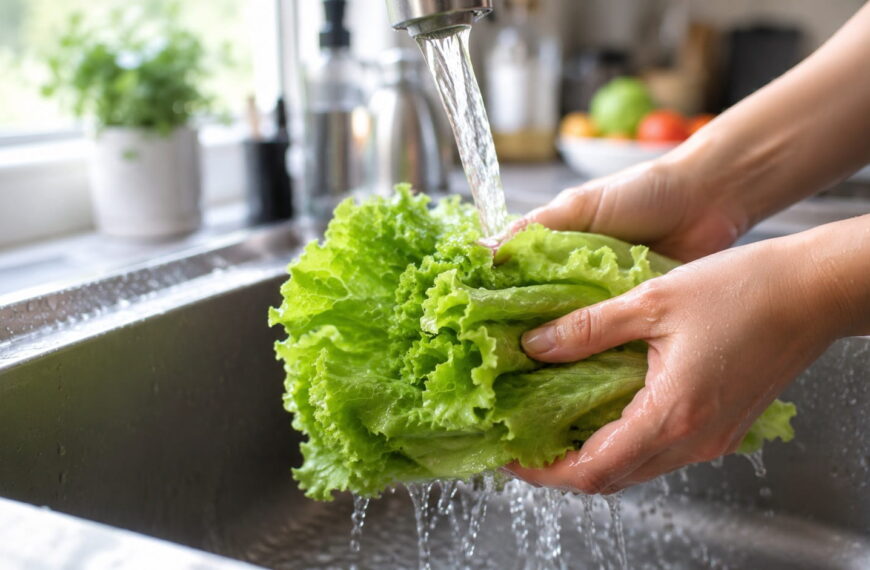
This is the part you came for, so let’s get specific. Based on the current outbreak pattern and the produce items linked to past Cyclospora outbreaks, here’s what I’m telling my own clients to be extra cautious with. One caveat before the list: washing helps, but it isn’t a guarantee. Running water rinses off dirt and some surface microbes. But Cyclospora clings tightly to leaf surfaces and skin, so a wash alone can’t reliably strip it off.
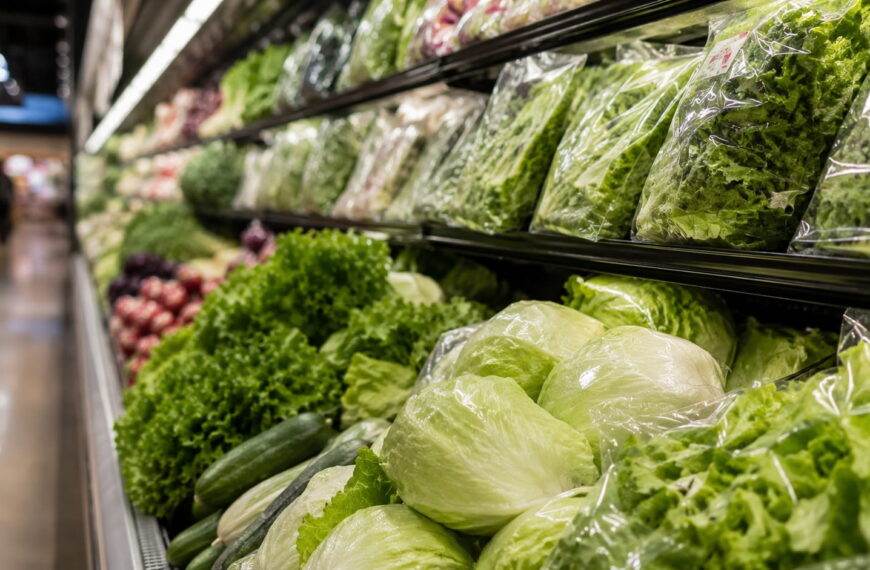
1. Bagged and pre-shredded lettuce or salad mixes. This is ground zero for the current outbreak. Bagged, pre-washed salad has more cut edges and more hands (and machinery) touching it before it reaches you, which raises contamination risk.
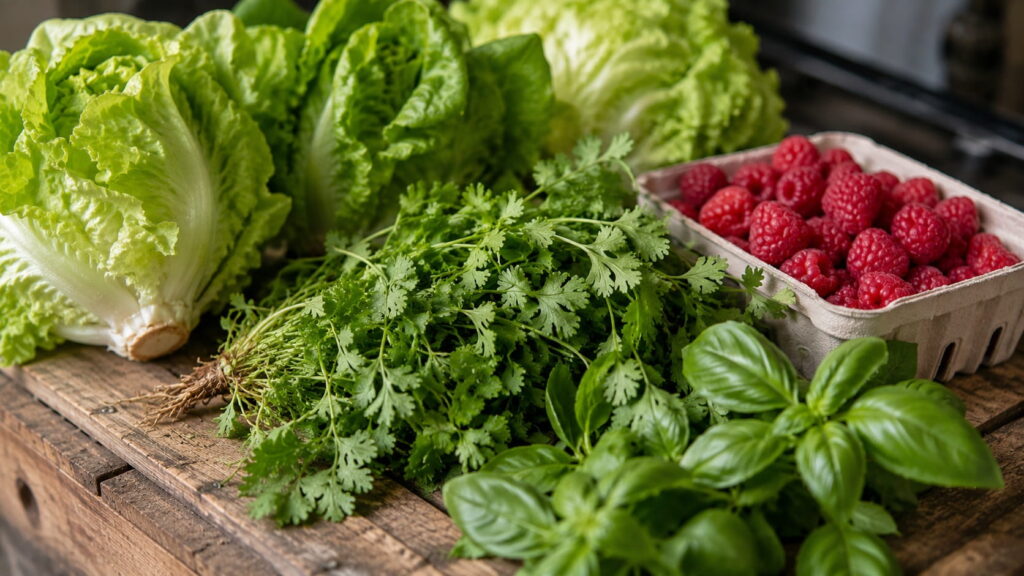
2. Iceberg and romaine lettuce. Even whole heads deserve a thorough rinse and a good look before you eat them raw.
3. Cilantro and basil. Both herbs have been repeat offenders in past outbreaks because their leafy, crinkled surfaces are hard to fully clean.
4. Raspberries and other soft berries. Their bumpy texture creates tiny pockets where the parasite can hide, and washing doesn’t reliably reach every crevice.
5. Snap peas and pre-mixed vegetable trays. Anything pre-cut and ready-to-eat carries added risk simply because it’s been handled more.
6. Green onions (scallions). Historically linked to several U.S. outbreaks, particularly when imported.
7. Cyclospora and spinach: spinach hasn’t been named as the confirmed source in the current outbreak. But it’s a repeat name in the foodborne-illness world, including past cyclospora investigations tied to imported greens. Its crinkled leaf surface makes it just as hard to rinse clean as lettuce or herbs. Treat it with the same caution: buy whole, unbagged bunches when you can, and rinse thoroughly.
8. Any produce you can’t verify the source of — think unlabeled produce from a buffet, salad bar, or street vendor.
A quick reassurance: frozen produce, thoroughly cooked vegetables, and peeled fruit have not been linked to this outbreak. You don’t need to give up vegetables altogether — you just need to be more deliberate about how you buy and prepare them for the next few weeks.
Safe Foods During a Cyclospora Outbreak
You don’t have to live on toast alone. These are generally considered lower-risk right now:
- Cooked or steamed vegetables
- Canned fruits and vegetables (the canning process involves heat)
- Peeled fruit — bananas, oranges, apples
- Cooked apples or applesauce
- Frozen vegetables, as long as they’re cooked before eating
- Cooked meat, poultry, and eggs
- Rice, oatmeal, and other cooked grains
- Bread and plain baked goods
The common thread is heat or a peel — both create a barrier between you and the parasite.
Prevention Tips for the Current Outbreak
A few habits go a long way while case counts stay elevated:
- Wash your hands with soap and water before you cook or eat, and after using the bathroom
- Buy whole heads of lettuce instead of bagged, pre-shredded mixes, and discard the outer two to three leaves
- Peel fruits and vegetables when you can
- Cook high-risk produce (leafy greens, herbs, berries) rather than eating it raw
- Avoid untreated water, including stream or well water in endemic areas
- Check FDA and CDC recall notices regularly, since sourcing changes as the investigation develops
What to Eat When You Have Cyclospora
If you’re already dealing with symptoms, your gut needs support, not more stress. Here’s what tends to help:
- Stay ahead of dehydration. Watery diarrhea drains fluids and electrolytes fast, so sip water, oral rehydration solutions, or diluted electrolyte drinks throughout the day.
- Choose bland, low-fiber foods. Plain rice, bananas, toast, boiled potatoes, and broths are gentle on an irritated gut.
- Cook everything thoroughly. Skip raw produce entirely while you’re symptomatic. Cooked vegetables are fine; raw salad is not, for now.
- Go easy on dairy, caffeine, and fatty foods. These can make diarrhea worse while your intestine is inflamed.
- Eat small, frequent meals rather than large ones, especially as your appetite starts returning.
None of this replaces medical treatment. It simply keeps you comfortable and nourished while you get properly diagnosed and treated.
What Kills Cyclospora?
Here’s something I want to be very direct about, because there’s a lot of misinformation circulating: heat is the only reliable way to destroy Cyclospora on food. Cooking produce to at least 158°F (70°C) inactivates the parasite. Chlorine-based sanitizers, standard produce washes, and household disinfectants are not reliably effective against it, because the parasite is protected by a tough outer shell.
It’s also worth clearing up a common assumption: freezing does not kill Cyclospora. The oocyst is hardy enough to survive typical freezer temperatures, which is exactly what happened in a well-documented 2000 outbreak linked to frozen raspberries in a wedding cake. If you’re storing produce in the freezer, treat it the same as fresh — it still needs to be cooked before it’s safe.
And while we’re myth-busting: baking soda soaks, salt water, lemon juice, and commercial produce washes are all popular home remedies people ask me about, and none of them are reliable against Cyclospora either. Heat is genuinely the only method with solid evidence behind it.
Will Vinegar Kill Cyclospora?
Short answer: no, not reliably. A vinegar rinse can help with dirt, pesticide residue, or certain bacteria, but current evidence shows it does not meaningfully remove or kill Cyclospora oocysts. Comparative studies on berries found that a vinegar soak performed no better than a simple cold-water rinse. So if you’re stocking up on vinegar hoping it’s your safety net, save your money — running water plus thorough cooking is a far more dependable combination.
How to Get Rid of Cyclospora Naturally
I know a lot of readers are searching for a “natural” fix, so let me be honest with you here — that’s what a good health consultant should do. There’s no proven home remedy, herbal treatment, or natural supplement that clears a Cyclospora infection on its own. This parasite needs a prescription antibiotic. The standard option is trimethoprim-sulfamethoxazole (TMP-SMX), taken for seven to ten days under a doctor’s guidance.
What you can do naturally is support your body while you get proper treatment: rest, stay hydrated, eat gently, and skip anything that irritates your gut further, like alcohol, caffeine, or greasy food. Think of these as support strategies, not substitutes for medical care. If someone tells you a juice cleanse or a supplement will “flush out” the parasite, that’s not backed by evidence. And delaying real treatment can let the infection drag on for weeks.
Cyclospora Test: How Diagnosis Works
If you suspect an infection, tell your doctor specifically that you want testing for Cyclospora in stool. Most standard stool panels don’t automatically screen for it, so you have to ask. Diagnosis usually happens one of three ways: a stool ova and parasite exam, a specialized stain called a modified acid-fast stain, or PCR testing. PCR is more sensitive, and labs are using it more often during outbreaks.
Here’s the part that trips people up: you can’t see Cyclospora in stool with the naked eye. It’s a microscopic organism, so a lab technician needs a microscope — or PCR technology — to identify it. On top of that, the parasite sheds in stool inconsistently, even in people with severe diarrhea, so one negative test doesn’t rule it out. Your doctor may ask for multiple samples on different days before confirming or ruling out the diagnosis.
Cyclospora Long-Term Effects
The good news: most people recover fully once they’re treated, and cyclosporiasis is rarely life-threatening. Left untreated, though, it can drag on for weeks. In rare cases, it can lead to complications like malabsorption, gallbladder inflammation, or reactive arthritis. People who are pregnant, elderly, very young, or immunocompromised tend to have a harder, longer course of illness. They should seek care at the first sign of persistent diarrhea rather than waiting it out.
When to Contact a Doctor
Reach out for medical care if you notice:
- Diarrhea lasting more than a few days
- Diarrhea that seems to improve, then returns
- Signs of dehydration — dizziness, dark urine, dry mouth
- Fever alongside digestive symptoms
- Any of these symptoms in a pregnant person, a young child, an older adult, or someone with a weakened immune system
At NFH Clinic, we’re seeing a real uptick in consultations related to this outbreak. If you’re unsure whether your symptoms warrant testing, it’s always safer to check in with a professional than to guess.
The guidance in this article is based on current recommendations from the CDC, FDA, and published infectious disease literature on cyclosporiasis. It’s meant to inform, not replace a diagnosis from your own doctor.
Sources:
- CDC — Cyclosporiasis Overview
- CDC — Cyclosporiasis Prevention
- CDC — Investigation Update: Cyclospora Outbreak, July 2026
- FDA — Cyclospora Prevention, Response, and Research Action Plan
Note: the CDC’s outbreak investigation page updates frequently as new cases are confirmed. Case counts and affected states may have changed since publication — check the link above for the latest figures.
Quick FAQ
What is cyclosporiasis? A gastrointestinal infection caused by the parasite Cyclospora cayetanensis, usually contracted from contaminated fresh produce or water.
How long does cyclospora incubation last? Typically about a week, but it can range from two days to two weeks or longer.
Can I still eat salad during the outbreak? Whole, thoroughly washed produce that you prepare yourself carries lower risk than pre-bagged salad mixes. Cooking high-risk items is the safest option while the outbreak is active.
Is cyclosporiasis contagious? Not directly from person to person. It spreads through contaminated food or water, not through casual contact.
Can Cyclospora go away on its own? Sometimes, but it’s unpredictable. Some mild cases clear without treatment, while others relapse repeatedly over weeks or months. Antibiotic treatment shortens the illness significantly and lowers the risk of it dragging on, so it’s not worth gambling on waiting it out.
How long does Cyclospora last without treatment? Untreated, symptoms can persist or come and go for anywhere from a few weeks to two months or longer.
Can children get Cyclospora? Yes. Children can become infected the same way adults do, through contaminated food or water, and they’re more prone to dehydration from prolonged diarrhea, so it’s worth seeking care sooner rather than later.
Is Cyclospora a bacteria or a parasite? A parasite — specifically a single-celled protozoan, not a bacterium. That distinction matters because standard antibacterial treatments don’t touch it; it requires a specific antiparasitic antibiotic regimen.
Can Cyclospora come back after treatment? Reinfection is possible if you’re exposed to contaminated food or water again, but a properly treated infection doesn’t linger in your body waiting to “reactivate” on its own.
Key Takeaways
- Cyclosporiasis is caused by a microscopic parasite, not a bacterium, and it spreads through contaminated food or water — not person-to-person.
- The current outbreak has been linked largely to bagged/shredded lettuce, but cilantro, basil, raspberries, snap peas, and green onions all carry historical risk.
- Washing, vinegar, and freezing do not reliably kill Cyclospora — only cooking to 158°F (70°C) does.
- Symptoms usually start about a week after exposure and can relapse for weeks without treatment.
- A prescription antibiotic (TMP-SMX) is the only proven treatment; there’s no verified “natural cure.”
- Pregnant women, young children, older adults, and immunocompromised people should seek care promptly if symptoms appear.
Final Thoughts From NFH Clinic
This outbreak is genuinely serious, but it’s manageable if you stay informed instead of anxious. Be selective about pre-cut produce, cook high-risk vegetables when you can, and don’t ignore diarrhea that won’t quit. If you’re already unwell or just want peace of mind, our team at NFH Clinic is here to help you get tested, treated, and back to normal as quickly as possible.
Stay safe, wash smart, and when in doubt — cook it.
Related Articles: