
If your stomach has been off for days, watery diarrhea that won’t quit, no appetite, that drained-out feeling that won’t lift, you’re not alone. Right now, thousands of Americans are asking the same question: could this be cyclosporiasis?
I’m McLee Tembo, Health Consultant and Founder of NFH Clinic. Over the past few weeks, cyclosporiasis (cyclospora) has gone from a summer footnote to a national headline, and my inbox has filled up with the same worried questions. So let’s clear things up. In this guide, you’ll learn exactly what cyclosporiasis is, why cases are surging in 2026, which foods are under scrutiny, what the early symptoms look like, and how it’s actually treated.
Disclaimer: This article is for informational and educational purposes only and does not constitute medical advice. It is not intended to diagnose, treat, or replace consultation with a licensed healthcare provider. If you suspect you have cyclosporiasis or any other illness, please contact your doctor or local health department for proper testing and treatment.
Key takeaways:
- Cyclosporiasis is caused by the parasite Cyclospora cayetanensis, spread through contaminated food or water — not person to person.
- The 2026 outbreak has been linked to shredded iceberg lettuce from a recalled supplier, with cases reported in 41+ states.
- Symptoms include watery diarrhea, fatigue, cramps, and nausea, usually starting 1–2 weeks after exposure.
- Treatment is a 7–10 day course of TMP-SMX (Bactrim), and most people improve within days of starting it.
- Untreated cases can drag on for weeks with a relapsing pattern, so testing early matters.
In this article:
- What Is Cyclosporiasis (Cyclospora)?
- Why Cyclosporiasis Cases Are Surging in 2026
- Wisconsin Cyclosporiasis Food Safety Measures
- What Causes Cyclosporiasis?
- How Is Cyclosporiasis Transmitted?
- Early Symptoms and Signs of Cyclosporiasis
- How Long Does Cyclosporiasis Last?
- Lettuce Cyclosporiasis: Is It Safe to Eat Lettuce Right Now?
- Cyclosporiasis Foods to Avoid During Recovery
- Who's Most at Risk From Cyclospora Infection?
- Cyclospora Cayetanensis Symptoms and Diagnosis
- Cyclosporiasis Treatment: How to Cure It
- How to Protect Yourself From Cyclospora Infection
- When to See a Doctor
- Frequently Asked Questions
- The Bottom Line
- Sources
What Is Cyclosporiasis (Cyclospora)?
Quick answer: Cyclosporiasis is an intestinal infection caused by the parasite Cyclospora cayetanensis. It spreads through contaminated food or water and most commonly causes prolonged, watery diarrhea that can last for weeks without treatment.
Cyclospora disease is caused by a microscopic, single-celled parasite. It’s not a virus or bacteria — it’s a parasite that lives in the small intestine and triggers a bout of stubborn, watery diarrhea. Left untreated, it can drag on for weeks.
It also fits into a broader family people search for as “diarrhea parasite” infections — a group of foodborne parasites that cause prolonged, hard-to-shake digestive illness rather than the quick 24-hour bug most of us are used to. Cyclospora just happens to be the one making headlines this summer.
The parasite spreads through contaminated food or water, usually fresh produce that’s been rinsed with, or grown near, water containing infected human feces. It doesn’t spread from person to person the way a cold or flu does, so you can’t catch it just by being near someone who’s sick. That distinction matters, and we’ll come back to it shortly.
Why Cyclosporiasis Cases Are Surging in 2026
This isn’t a normal summer for cyclospora. According to the CDC’s Health Alert Network notice, more than 1,600 domestically acquired cases had been confirmed by mid-July, with another 5,000-plus still under review at the time. That’s more than six times higher than the same point last year. The most recent CDC surveillance update puts the confirmed total at 4,173 domestic cases, with more than 7,400 additional cases still awaiting lab confirmation, across at least 41 states.
What Caused the 2026 Cyclosporiasis Outbreak?
Investigators traced a large cluster to shredded iceberg lettuce served at Taco Bell locations. The supplier, Taylor Farms de Mexico, issued a voluntary recall of iceberg lettuce sourced from central Mexico on July 17. Michigan has been among the hardest-hit states during the investigation, with an infection rate far above the national average.
This is why “lettuce cyclosporiasis” and “parasite from Mexico symptoms” have become such common searches this month. To be clear: the symptoms are identical no matter where the contaminated food originated — watery diarrhea, cramping, fatigue, nausea, and weight loss. The “from Mexico” detail refers to where the implicated lettuce was grown, not to a different or more dangerous strain of the parasite.
Cyclosporiasis Cases by State (2026 Outbreak)
Case numbers are shifting weekly as investigations continue, but here’s the general picture as of late July:
| State | Outbreak Status |
|---|---|
| Michigan | Highest case count; epicenter of the linked cluster |
| Ohio | Confirmed cluster cases |
| Kentucky | Confirmed cluster cases |
| West Virginia | Confirmed cluster cases |
| Indiana | Confirmed cluster cases |
| Wisconsin | Monitoring; increased cases, no confirmed cluster |
| 30+ other states | Reporting cases, mostly unrelated to the main cluster |
For the most current numbers in your state, check the CDC’s cyclosporiasis surveillance page directly, since these figures update as new lab results come in.
Wisconsin Cyclosporiasis Food Safety Measures
Wisconsin has been one of the states watching this outbreak closely. The Wisconsin Department of Health Services has been monitoring fresh produce handling and reminding restaurants to double down on hand hygiene and produce-washing protocols. Local Milwaukee restaurants have even gone public about the extra precautions they’re taking with leafy greens, from sourcing changes to more rigorous washing steps before food reaches the plate.
It’s a smart response, and honestly, other states should be following suit. Restaurants that lean into transparency during an outbreak tend to earn more trust from customers, not less.
What Causes Cyclosporiasis?
The root cause is always the same: swallowing something contaminated with Cyclospora oocysts, the hardy, egg-like stage of the parasite that infected people shed in their stool. From there, a few paths let it reach your plate or glass:
- Contaminated fresh produce. Leafy greens, herbs, and berries grown in or rinsed with tainted water are the most common cyclosporiasis source.
- Contaminated water. Untreated or poorly treated water used for irrigation, washing produce, or drinking.
- Infected food handlers. Poor handwashing during food prep can transfer oocysts onto ready-to-eat foods.
- Imported produce from endemic regions. Fruits and vegetables grown in areas with limited sanitation infrastructure carry a higher baseline risk.
- Poor sanitation and irrigation practices more broadly, which is why outbreaks tend to cluster around specific farms or suppliers rather than spreading randomly.
How Is Cyclosporiasis Transmitted?
Quick answer: Cyclosporiasis is transmitted by eating or drinking food or water contaminated with Cyclospora cayetanensis. Direct person-to-person spread is extremely uncommon, because the parasite needs time outside the human body before it becomes infectious.
Here’s the part that trips people up: Cyclospora isn’t contagious in the traditional sense. You get infected by swallowing food or water contaminated with the parasite’s oocysts. Unlike norovirus or the flu, the oocysts need time outside the body — days to weeks — to mature into an infectious form. That’s why direct person-to-person spread is extremely unlikely, even in households or hospitals.
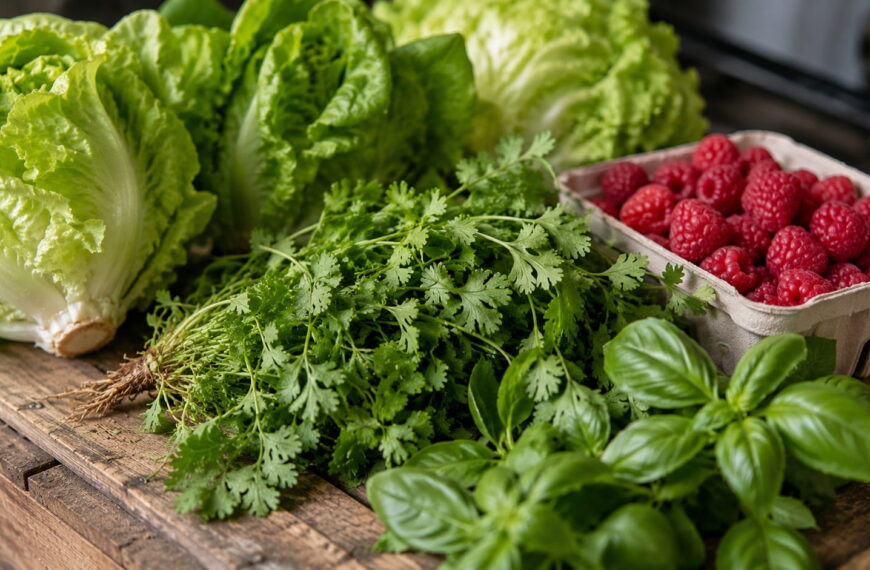
The common thread across most outbreaks is fresh produce, especially:
- Leafy greens like lettuce and salad mixes
- Fresh herbs such as cilantro and basil
- Raspberries, snow peas, and other imported produce
Cyclospora doesn’t wash off with a quick rinse the way dirt does. Standard kitchen disinfectants don’t reliably kill it either. That’s part of why outbreaks tied to fresh produce are so hard to contain quickly.
Early Symptoms and Signs of Cyclosporiasis
Symptoms of cyclosporiasis typically show up about a week after exposure, though the window can stretch anywhere from 2 to 14 days. That delay is exactly why so many people don’t connect their symptoms to something they ate two weeks ago.

Cyclospora cayetanensis symptoms include watery diarrhea, stomach cramps, nausea, fatigue, bloating, weight loss, and loss of appetite. Early signs and symptoms of cyclosporiasis often include:
- Sudden, watery diarrhea (sometimes described as explosive)
- Loss of appetite
- Fatigue that feels disproportionate to how “sick” you otherwise feel
- Mild nausea or bloating
- Low-grade fever
- Stomach cramps and gas
- Unintentional weight loss
One strange but well-documented feature of Cyclospora symptoms is that they can come and go. You might feel better for a day or two, only for the diarrhea to return. Left untreated, this remitting-relapsing pattern can stretch on for a month or longer, which takes a real toll on energy, appetite, and daily life.
How Long Does Cyclosporiasis Last?
Without treatment, cyclosporiasis can last anywhere from a few weeks to over a month, with symptoms flaring up and settling down along the way. With the right antibiotic treatment, most people start feeling noticeably better within just a few days.
This is really the key takeaway: cyclosporiasis rarely resolves quickly on its own, so if your diarrhea has lasted more than a few days, it’s worth getting tested rather than waiting it out.
Cyclosporiasis Recovery Timeline
| Timing | What to Expect |
|---|---|
| 2–14 days after exposure | Symptoms usually begin |
| First few days of illness | Watery diarrhea, cramps, fatigue |
| 2–3 days after starting antibiotics | Most people begin feeling better |
| 7–10 days | Antibiotic course completed |
| Weeks, if untreated | Symptoms may relapse repeatedly before resolving |
Lettuce Cyclosporiasis: Is It Safe to Eat Lettuce Right Now?
This is the question I’m getting the most. The honest answer: for most of the country, yes, ordinary fresh produce is still considered safe, and health experts consistently caution against avoiding fruits and vegetables altogether, since they’re an essential part of a healthy diet. The specific concern right now is shredded iceberg lettuce tied to the Taylor Farms recall, which was distributed to restaurants across several states between late June and mid-July.
If you’re in one of the affected states, or you’ve eaten at a restaurant using recalled lettuce, it’s reasonable to be cautious with iceberg lettuce for now and to check current FDA recall notices. But there’s no need to avoid vegetables and salads across the board — just be mindful of sourcing, wash produce thoroughly, and keep an eye on official recall updates as the investigation develops.
Cyclosporiasis Foods to Avoid During Recovery
Whether you’re currently infected or just being cautious during the outbreak, certain foods make symptoms worse or raise your exposure risk. Here’s a practical list of cyclosporiasis foods to avoid:
While you’re actively sick:
- Raw salads and unwashed leafy greens
- Unwashed fresh herbs like cilantro and basil
- Greasy or fried food, which can aggravate diarrhea
- Spicy food
- Alcohol
- Excess caffeine
- Sugary drinks and juices
- Dairy products, at least temporarily, since lactose can be harder to digest during a GI infection
- Undercooked meat, seafood, or eggs, which add unnecessary strain on a compromised gut
During an active outbreak, regardless of symptoms:
- Iceberg lettuce from unclear or recalled sources
- Pre-shredded salad mixes from implicated suppliers
- Imported berries and herbs without a clear, trusted origin
Cooking destroys Cyclospora, so thoroughly cooked vegetables are generally not a concern. The risk sits almost entirely with raw, ready-to-eat produce.
Who’s Most at Risk From Cyclospora Infection?
Anyone can catch cyclosporiasis, but a few groups tend to have a rougher time with it:
- Young children, who dehydrate faster and may struggle to communicate how they’re feeling
- Older adults, who are more vulnerable to the effects of prolonged fluid loss
- Pregnant women, who should be evaluated by a doctor for both the infection and safe treatment options
- People who are immunocompromised, including those with HIV or on immunosuppressive therapy, who may need longer antibiotic courses and closer monitoring
- Travelers to tropical and subtropical regions, where cyclosporiasis is endemic year-round
Cyclospora Cayetanensis Symptoms and Diagnosis
Diagnosing cyclosporiasis is trickier than it should be, mainly because standard stool tests don’t automatically screen for it. A regular “ova and parasites” panel can easily miss Cyclospora unless your doctor specifically requests testing for it. On top of that, the parasite sheds in irregular amounts, so a single negative stool sample doesn’t rule it out — sometimes multiple samples are needed.
If you’ve had watery diarrhea lasting more than 3-5 days, especially during the May-through-August cyclospora season, tell your doctor and specifically ask for Cyclospora testing, ideally with PCR-based molecular testing where it’s available, since it tends to catch cases that older methods miss.
Cyclosporiasis Treatment: How to Cure It
Quick answer: The recommended treatment for cyclosporiasis is trimethoprim-sulfamethoxazole (TMP-SMX) for 7–10 days. Most people improve within a few days of starting treatment, but they should complete the full course prescribed by their healthcare provider.
The good news is that cyclosporiasis treatment is well established and highly effective. The standard therapy is a 7-to-10-day course of trimethoprim-sulfamethoxazole (TMP-SMX), sold under brand names like Bactrim or Septra. Most people notice real improvement within just a few days of starting it, though finishing the full course matters, even after symptoms fade, to fully clear the parasite.
For people with a sulfa allergy, treatment is more challenging, since no alternative has been shown to be as consistently effective as TMP-SMX. Some providers may consider ciprofloxacin or other options in selected cases, but these are generally less reliable, and an infectious disease specialist may be needed to recommend the best approach for your situation. Anyone who is immunocompromised may also need a longer or higher-dose course, so treatment should always be guided by a healthcare provider rather than self-prescribed.
Alongside antibiotics, supportive care matters just as much:
- Drink plenty of fluids with electrolytes to offset fluid loss from diarrhea
- Rest and eat light, easily digestible meals as your appetite returns
- Avoid dairy, caffeine, and greasy foods until your gut settles
- Seek care promptly if you notice signs of dehydration, such as dizziness, dark urine, or a rapid heartbeat
How to Protect Yourself From Cyclospora Infection
Since Cyclospora survives ordinary washing and disinfecting, prevention comes down to sourcing and awareness more than scrubbing harder:
- Stay current on FDA and CDC recall notices, especially for lettuce and fresh herbs during outbreak season.
- Throw away recalled produce immediately, even if it looks and smells completely normal — visual inspection won’t tell you it’s contaminated.
- Wash produce under running water anyway — it won’t guarantee removal, but it does reduce other contaminants.
- If you’re traveling in regions where cyclosporiasis is common, stick to bottled or properly treated water and well-cooked food.
- Restaurants and food handlers should follow strict hand hygiene and produce-handling protocols, along the lines of what Wisconsin health officials and several Milwaukee restaurants have already put in place.
- If you develop prolonged diarrhea, don’t just wait it out — get tested so the illness can be tracked and treated early.
When to See a Doctor
Reach out to a healthcare provider if you have:
- Diarrhea lasting more than 3 days
- Diarrhea that keeps coming back after seeming to improve
- Signs of dehydration
- A fever alongside persistent digestive symptoms
- Recent travel to an area with a known outbreak, or a meal at a restaurant using recalled produce
Early testing and treatment shortens the illness considerably, so there’s little upside to waiting.
Frequently Asked Questions
What is cyclosporiasis?
It’s an intestinal infection caused by the parasite Cyclospora cayetanensis, spread through contaminated food or water and marked by persistent watery diarrhea.
Is cyclosporiasis contagious?
Not directly. It spreads through contaminated food and water, not through casual contact with an infected person.
What’s the main cyclosporiasis source in the current outbreak?
Investigators have linked a large multistate cluster to shredded iceberg lettuce distributed by Taylor Farms de Mexico, served at several fast-food locations across five states.
How long does cyclosporiasis last without treatment?
It can persist for several weeks and sometimes over a month, often with symptoms that fade and return.
How is cyclosporiasis treated?
With a 7-to-10-day course of trimethoprim-sulfamethoxazole (TMP-SMX). There’s no equally effective alternative for people with a sulfa allergy, so those cases are managed individually by a doctor, sometimes with ciprofloxacin.
Are cyclosporiasis cases really surging in 2026?
Yes. CDC data shows case counts running many times higher than the same period last year, with a lettuce-linked cluster driving much of the increase.
Can cyclosporiasis go away without antibiotics?
Sometimes, since the illness can be self-limiting in healthy adults. But without treatment, it often drags on for weeks with a frustrating pattern of relapse, so most doctors recommend TMP-SMX once it’s confirmed.
Is cyclosporiasis deadly?
Rarely. Deaths from cyclosporiasis are very uncommon. The real danger is dehydration from prolonged diarrhea, especially in young children, older adults, and people who are immunocompromised, which is why staying hydrated and seeking care for severe symptoms matters.
Can children get cyclospora?
Yes. Children can be infected and, because they dehydrate faster than adults, should be seen by a doctor promptly if diarrhea is persistent or severe.
Can pregnant women get cyclosporiasis?
Yes, pregnant women are just as susceptible as anyone else. Treatment should be managed by a doctor, since standard antibiotic choices may need adjusting during pregnancy.
Can pets spread cyclospora to humans?
No. Cyclospora cayetanensis is considered host-specific to humans, meaning dogs, cats, and other common pets don’t carry or transmit this particular parasite.
Does cooking kill Cyclospora?
Yes. Cooking destroys the parasite, which is why the risk is concentrated in raw, ready-to-eat produce like salads and fresh herbs rather than cooked vegetables.
Can frozen produce carry Cyclospora?
It’s possible, though far less common than with fresh produce, since freezing can reduce but doesn’t fully eliminate contamination risk. Most documented outbreaks, including the current one, have been linked to fresh rather than frozen items.
Can you get cyclosporiasis more than once?
Yes. Recovering from a Cyclospora infection doesn’t appear to provide lasting immunity, so you can become infected again if you’re exposed to contaminated food or water in the future.
What is the “diarrhea parasite” going around in 2026?
It’s a nickname people have given to Cyclospora during this outbreak, since cyclospora disease causes prolonged, watery diarrhea rather than a quick 24-hour stomach bug. Whether you call it the cyclospora parasite, the cyclosporiasis parasite, or simply the diarrhea parasite, it’s the same organism: Cyclospora cayetanensis.
The Bottom Line
Cyclosporiasis (cyclospora) is having an unusually active season in 2026, and the outbreak tied to contaminated lettuce is a good reminder that persistent diarrhea is never something to just push through. If your symptoms have lasted more than a few days, get tested, ask your doctor specifically about Cyclospora, and start treatment early. Most people recover fully once they’re on the right antibiotic — you just have to catch it.
If you’re experiencing ongoing digestive symptoms and want guidance on testing or treatment options, our team at NFH Clinic (newfasthealth.com) is here to help you figure out what’s going on and get you back on track.
Sources
- Centers for Disease Control and Prevention (CDC) — Domestically Acquired Cyclosporiasis Cases in Multiple U.S. States, 2026, Health Alert Network
- Centers for Disease Control and Prevention (CDC) — Clinical Overview of Cyclosporiasis
- Centers for Disease Control and Prevention (CDC) — Surveillance of Cyclosporiasis
- U.S. Food and Drug Administration (FDA) — Cyclospora Prevention, Response, and Research Action Plan
- Washington State Department of Health — 2026 Cyclosporiasis Outbreak
- Wisconsin Department of Health Services — Cyclosporiasis Fact Sheet
- Axios — Cyclosporiasis: Case Rates Rise in Five Outbreak States
- TODAY — Cyclospora Outbreak 2026: Map of Cases by State, Foods to Avoid and More
Related Articles: