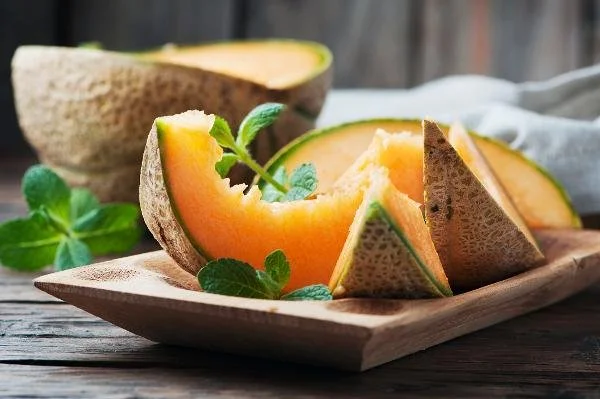
Rockmelon (Cantaloupe) Benefits: Nutrition, Health Effects & Why You Should Eat It More Often
Rockmelon — also known as cantaloupe — is more than just a sweet, refreshing fruit. It’s a hydration powerhouse packed with vitamins, antioxidants, and essential minerals that support your immune system, heart, skin, digestion, and eyes.
If you’re looking for a low-calorie fruit that actually does something good for your body, rockmelon deserves a spot in your diet.
Nutritional Value of Rockmelon (Per 150g Serving)
Rockmelon delivers a lot of nutrition for very few calories:
| Nutrient | Benefit |
|---|---|
| Vitamin C | ~90–100% of daily needs (supports immunity & skin) |
| Vitamin A (from beta-carotene) | Supports vision, skin, and cell growth |
| Potassium | Helps control blood pressure |
| Water | About 90% — excellent for hydration |
| Fiber | Supports digestion and gut health |
| Calories | ~50–55 kcal (very low) |
A 150g serving does not usually give 128% Vitamin C — that value is a bit high. It’s closer to 90–100% depending on variety and ripeness.
Top Health Benefits of Rockmelon
1. Strengthens the Immune System
Rockmelon is rich in Vitamin C, one of the most important nutrients for immune defense. It:
- Helps white blood cells fight infections
- Supports faster wound healing
- Acts as an antioxidant to protect cells from damage
Eating rockmelon regularly can help your body respond better to illness and inflammation.
2. Promotes Healthy, Glowing Skin
This fruit is loaded with Vitamin C + beta-carotene, a powerful combo for skin health.
- Vitamin C boosts collagen production, which keeps skin firm
- Beta-carotene protects skin cells from sun and environmental damage
- Hydration improves skin texture and elasticity
That’s why rockmelon is often called a natural beauty fruit.
4. Protects Eye Health
Rockmelon contains beta-carotene, which your body converts to Vitamin A — essential for good vision.
It also provides antioxidants like:
- Lutein
- Zeaxanthin
These help protect your eyes from:
- Age-related macular degeneration
- Cataracts
- Damage from blue light
4. Keeps You Hydrated
Because rockmelon is about 90% water, it helps:
- Prevent dehydration
- Support kidney function
- Maintain energy levels
- Replace fluids lost in hot weather or after exercise
It’s an excellent natural alternative to sugary drinks.
5. Supports Heart Health
Rockmelon is heart-friendly thanks to:
✔ Potassium
Helps balance sodium levels and relax blood vessels, which may lower blood pressure.
✔ Antioxidants
Help reduce inflammation, a risk factor for heart disease.
✔ Fiber
Supports healthy cholesterol levels.
6. Improves Digestion
Rockmelon supports gut health in two ways:
- Fiber adds bulk to stool and prevents constipation
- Water keeps digestion smooth and comfortable
It’s especially helpful for people who struggle with low fiber intake.
7. May Help With Weight Management
Because rockmelon is:
- Low in calories
- High in water
- Naturally sweet
…it satisfies cravings without adding excess calories. This makes it a great snack for weight control.
Who Should Eat Rockmelon in Moderation?
While healthy, rockmelon may need to be limited if you:
- Have diabetes (natural sugars can raise blood sugar — portion control matters)
- Have kidney disease (potassium intake may need monitoring)
- Have a sensitive stomach (too much may cause bloating)
Easy Ways to Add Rockmelon to Your Diet
- Fresh slices as a snack
- Blended into smoothies
- Added to fruit salads
- Paired with yogurt or cottage cheese
- Frozen into healthy fruit pops
Common Questions
Is rockmelon good for daily eating?
Yes, in moderate portions. It’s nutrient-dense and low-calorie.
Is rockmelon good for skin?
Yes — Vitamin C and beta-carotene help maintain healthy, glowing skin.
Does rockmelon help with dehydration?
Absolutely. Its high water content makes it one of the best hydrating fruits.
Is rockmelon high in sugar?
It contains natural sugars but has a moderate glycemic load when eaten in normal portions.
Final Takeaway
Rockmelon is a hydrating, immune-boosting, skin-supporting fruit that benefits your heart, digestion, and vision — all while being low in calories.
It’s not just a tasty fruit — it’s a functional food that supports whole-body health.
This information is based on established nutrition science regarding:
- Vitamin C and immune function
- Beta-carotene and vision health
- Potassium and blood pressure regulation
- Dietary fiber and digestion
For individual medical advice, always consult a qualified healthcare professional.
FAQ: Benefits of Rockmelon (Cantaloupe)
Is rockmelon the same as cantaloupe?
Yes. In many countries like Australia and parts of Africa, it’s called rockmelon, while in the US and Europe it’s known as cantaloupe.
What are the main health benefits of rockmelon?
Rockmelon supports immune health, improves skin, protects vision, aids digestion, promotes heart health, and helps keep the body hydrated.
Is rockmelon good for weight loss?
Yes. Rockmelon is low in calories and high in water, which helps you feel full without overeating. It’s a smart snack for weight management.
Can people with diabetes eat rockmelon?
Yes, but in moderate portions. Rockmelon contains natural sugars, so portion control is important to prevent blood sugar spikes.
Is rockmelon good for the skin?
Yes. Vitamin C helps produce collagen, while beta-carotene protects skin cells from damage, keeping skin healthy and glowing.
Does rockmelon help with hydration?
Absolutely. Rockmelon is about 90% water, making it excellent for preventing dehydration, especially in hot weather.
Is rockmelon good for the heart?
Yes. Its potassium helps regulate blood pressure, and antioxidants help reduce inflammation linked to heart disease.
Can you eat rockmelon every day?
Yes, for most people. Daily moderate servings provide vitamins and hydration, but balance it with other fruits for variety.
Does rockmelon help digestion?
Yes. Its fiber and high water content help prevent constipation and support healthy digestion.
Share:
Related Articles: