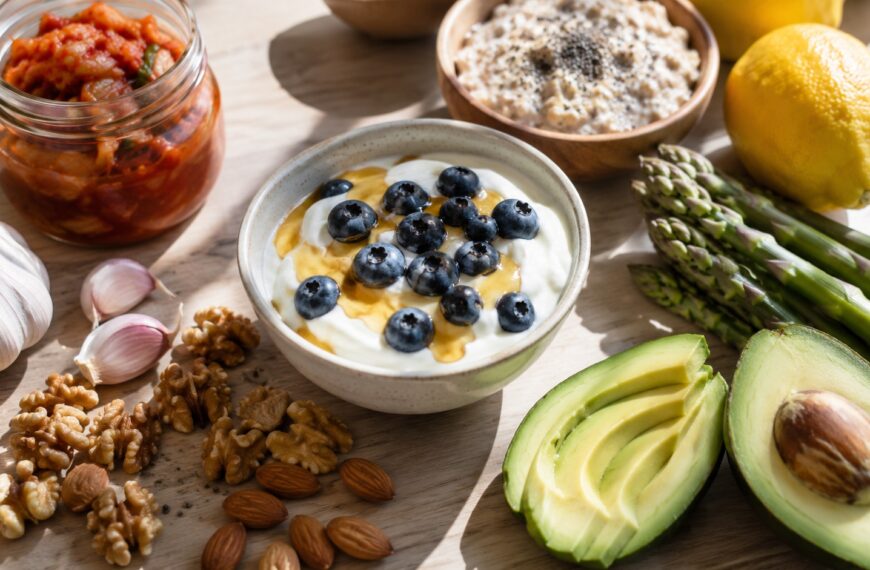

A healthy gut is the foundation of overall well-being. From digestion and nutrient absorption to immunity and mood, your gut plays a critical role in your health. While a balanced diet is the primary driver of gut wellness, gut health supplements can provide additional support—especially for those dealing with bloating, constipation, or digestive discomfort. In this guide, we’ll explore the best supplements to optimize your gut microbiome, how they work, and tips for choosing the right ones.
Key Types of Gut Health Supplements
1. Probiotics
Probiotics are live beneficial bacteria that help restore balance to your gut microbiome. Popular strains include Lactobacillus and Bifidobacterium. These supplements are particularly helpful after taking antibiotics or for digestive conditions like IBS.
Top Picks:
- Holland & Barrett 50 Billion Probiotic
- Swisse Ultibiotic Daily Digestive Probiotic
2. Prebiotics
Prebiotics are non-digestible fibers that act as food for good bacteria in your gut, helping them thrive. Common sources include inulin, garlic, onions, and bananas.
Benefits:
- Supports healthy gut bacteria growth
- Can improve digestion and regularity
3. Digestive Enzymes
Digestive enzymes like amylase, lipase, and protease help break down carbohydrates, fats, and proteins for easier absorption. These supplements can reduce bloating and support nutrient uptake.
Top Picks:
- Nature’s Secret Digestive Enzyme Blends
- Various enzyme formulas tailored for meals
4. Fiber Supplements
Fiber keeps your digestive system moving and supports the growth of beneficial bacteria. Psyllium husk, a soluble fiber, is a popular supplement to relieve constipation and improve gut health.
Top Pick:
- Metamucil (Psyllium Husk)
5. Gut-Repair & Other Supportive Supplements
Certain nutrients help repair the gut lining and manage digestive symptoms:
- L-Glutamine: Supports gut barrier repair
- Magnesium Citrate or Glycinate: Helps with regularity
- Peppermint Oil: Reduces IBS-related bloating and discomfort
- Zinc and Vitamin D: Aid overall gut immunity
Lifestyle Tips for a Healthy Gut
Supplements work best alongside healthy lifestyle habits:
- Eat a balanced diet rich in fruits, vegetables, whole grains, and fermented foods
- Stay hydrated to help fiber work effectively
- Manage stress, as chronic stress can disrupt gut bacteria
- Prioritize sleep, since gut health and circadian rhythm are connected
Safety and Considerations
- Consult your doctor before starting any new supplement, especially if you have chronic conditions or are on medication
- Quality matters: Supplements aren’t strictly regulated by the FDA, so choose reputable brands
- Balanced approach: Supplements support, but don’t replace, a healthy diet
FAQ: Gut Health Supplements
Q: Which supplement is best for bloating?
A: Digestive enzymes and peppermint oil are most commonly recommended.
Q: Can I take probiotics daily?
A: Yes, daily probiotics are generally safe for healthy adults, but consult a doctor if you have immune issues.
Q: Are fiber supplements necessary if I eat enough vegetables?
A: Not always, but they can be helpful for those with irregular bowel movements or specific gut concerns.
Conclusion
Gut health supplements, including probiotics, prebiotics, digestive enzymes, and fiber, can be powerful allies for your digestive system and overall well-being. Combined with a balanced diet, hydration, stress management, and sleep, they can help you maintain a thriving gut microbiome, improve digestion, and reduce discomfort like bloating and constipation. Choose high-quality supplements and consult a healthcare professional to find the best combination for your needs.
Share:
Related Articles: