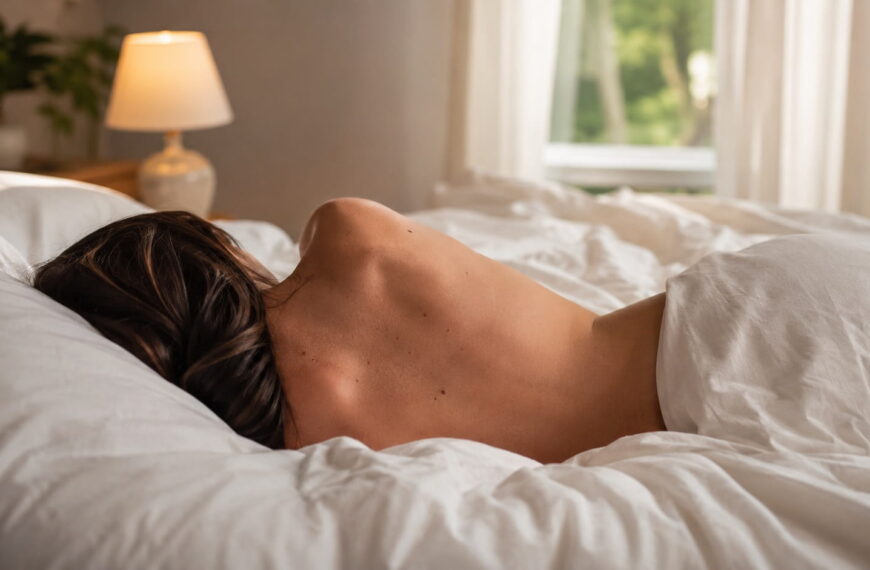
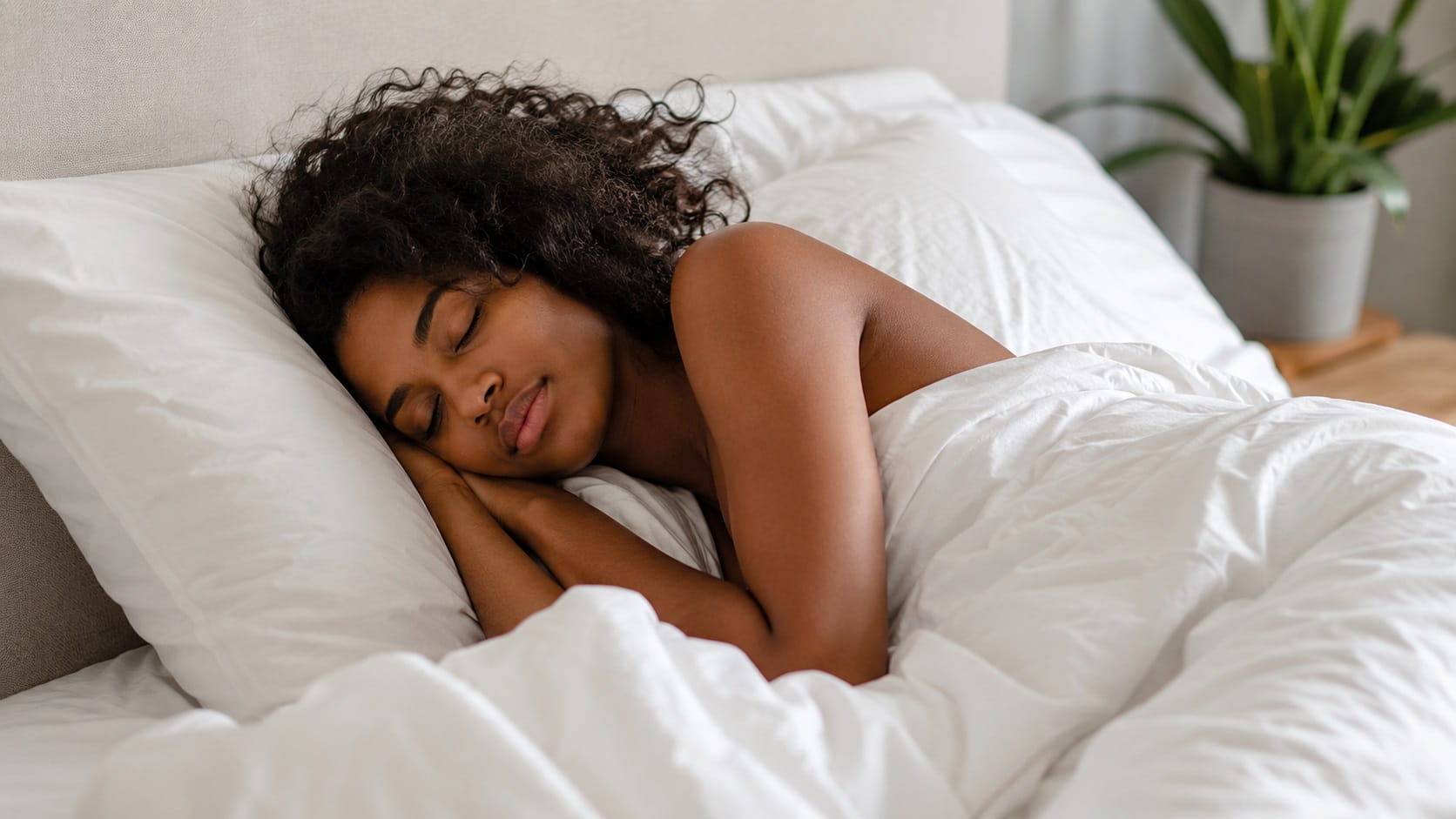
Only about 1 in 10 people sleep completely nude, yet the ones who do rarely go back to pajamas. That gap made me curious. So over the years, I’ve fielded this question from patients more times than almost any other lifestyle habit: “Is it actually healthy to sleep naked, or is that just something people say?”
The short answer is yes — for most people, it is. But like anything in medicine, the real answer has some nuance to it. Sleeping naked isn’t a miracle habit, and it isn’t right for every household or every climate. What it does do is work with your body’s natural cooling process instead of against it, and that single mechanism explains almost every benefit on this list.
Quick Answer
Sleeping naked is healthy for most adults. Research suggests it may help by:
- Improving sleep quality and helping you fall asleep faster
- Reducing overheating and night sweats
- Lowering the risk of yeast infections
- Supporting male fertility through cooler testicular temperature
- Improving comfort during hot weather and menopause-related hot flashes
It won’t directly increase testosterone or cause weight loss on its own — but better sleep can indirectly support both.
Below, I’ll walk you through what the evidence actually shows, where the hype gets ahead of the science, and how to know if this habit fits your life.
Why Temperature Is the Real Story Here
Every benefit tied to sleeping naked traces back to one thing: your core body temperature.
Your body runs on a circadian rhythm, an internal clock that expects your core temperature to drop by roughly 1–2°F as bedtime approaches. That drop is a signal, not a side effect — it’s how your brain knows to release melatonin and begin winding down. Thick pajamas, heavy blankets, or a warm bedroom can all interfere with this cooling window, which is part of why so many people toss and turn before they finally drift off.
Take the layers away, and your skin can release heat more efficiently. That’s the entire mechanism. Everything from deeper sleep to better metabolism connects back to this one simple physiological process.
Sleep experts, including the National Sleep Foundation, generally recommend keeping the bedroom cool — around 60–67°F (15–19°C) for most adults. If your room sits outside that range, sleeping naked can help — but so can swapping heavy pajamas for lighter ones or adjusting your thermostat.
Is Sleeping Naked Normal?
Completely. Despite the low percentage of people who admit to it in surveys, sleeping without clothes is one of the oldest human habits on record. Before manufactured sleepwear existed, most people simply slept in whatever they had, which was often nothing.
What counts as “normal” really comes down to comfort, privacy, and personal choice. There’s no medical requirement to sleep dressed or undressed. If it works for your body and your living situation, it’s a perfectly ordinary habit — not something to feel self-conscious about.
Physical Health Benefits of Sleeping Naked
1. Deeper, More Restorative Sleep
This is the benefit with the most consistent backing. When your body cools efficiently, you fall asleep faster and spend more time in slow-wave and REM sleep — the stages responsible for physical repair and memory consolidation. Patients who struggle with restless nights are often surprised by how much of a difference a few degrees can make.
2. Better Skin Health
Skin benefits from better airflow, which reduces trapped heat and moisture. Tight sleepwear traps sweat and heat against the body overnight, which can encourage irritation, chafing, and the kind of bacterial or fungal overgrowth that shows up as breakouts or rashes. Sleeping bare lets air circulate freely, which reduces that trapped moisture.
The trade-off, and I want to be upfront about this because most articles skip it, is your sheets. Without a clothing barrier, more sweat, oils, and dead skin cells transfer directly onto your bedding. Two habits fix most of this: wash your sheets weekly rather than every two weeks, and shower before bed to reduce the amount of bacteria and oil that transfers onto your bedding in the first place.
3. Support for Genital and Reproductive Health
For women, better airflow around the genital area helps keep things dry, and Candida (the yeast responsible for most yeast infections) thrives in warm, moist environments. Loose or absent underwear at night is a simple, low-effort way to reduce that risk.
For men, the concern runs the other way. The testicles sit outside the body specifically because sperm production needs a temperature a few degrees cooler than core body temperature. Tight underwear or heavy sleepwear can raise that temperature enough to affect sperm count and motility over time. Sleeping without restrictive layers gives the body room to regulate this naturally.
Does sleeping naked increase testosterone? This is one of the most searched questions on the topic, and I want to be precise about it: there’s no direct evidence that removing your clothes at night raises testosterone on its own. What the research does show is that poor, fragmented sleep lowers testosterone production, and testosterone is largely synthesized during deep sleep. So the honest connection is indirect — better sleep supports healthier testosterone levels, and sleeping naked is one tool that can improve sleep quality. It’s not a testosterone hack by itself.
4. A Possible Metabolic Edge
Cooler sleep conditions may modestly stimulate brown adipose tissue, or “brown fat” — a type of fat that burns energy to generate heat rather than storing it. This is a genuinely interesting area of research, but I’d caution patients against expecting dramatic results.
Does sleeping naked help you lose weight? Indirectly, yes — but not through brown fat alone. The stronger link is that better sleep regulates ghrelin and leptin, the hormones that control hunger and fullness. Poor sleep pushes both in the wrong direction, which increases cravings the next day. If sleeping naked helps you sleep longer and deeper, that alone can support healthier eating patterns over time. Treat it as a supporting habit, not a weight-loss strategy on its own.
5. Improved Circulation and Muscle Recovery
Tight sleepwear and bunched-up sheets can feel restrictive and may leave pressure marks or reduce comfort, especially around the waist and limbs, though it doesn’t usually impair healthy circulation. Sleeping without that constriction removes the discomfort, which can mean less tossing and turning and, in turn, a more restful night for muscle recovery — particularly useful if you train regularly or spend your day on your feet.
Sleeping Naked and Menopause: Fewer Night Sweats?
This is one of the biggest reasons women bring this habit up with me, and it deserves its own section. Hot flashes and night sweats during perimenopause and menopause are driven by shifts in estrogen that affect the body’s temperature control center in the brain. The result is sudden, intense heat that disrupts sleep — sometimes several times a night.
Removing extra layers won’t stop hot flashes from happening, since they’re hormonal, not environmental. But it does reduce how much they disrupt your sleep. Fewer layers means faster heat dissipation and an easier time cooling back down afterward, which can shorten how long a night sweat keeps you awake. Pairing this with breathable, moisture-wicking bedding and a cooler room tends to help even more than either change on its own.
If night sweats are frequent, intense, or new, it’s worth mentioning to your doctor — they can be caused by things beyond menopause, including certain medications, infections, or thyroid issues.
Should You Wear Underwear to Bed?
This question comes up almost as often as the main topic itself, so it’s worth answering directly. For most people, no — going without underwear at night, or wearing loose, breathable underwear if you’d rather not go fully bare, is generally better for genital health. It reduces heat and moisture buildup, which lowers the risk of yeast infections in women and supports healthier sperm production in men.
The exception is comfort and hygiene preference. If you deal with urinary incontinence, breathable underwear with a protective liner is a more practical choice than going without. There’s no health rule that says you must skip underwear — it’s simply the option with the strongest evidence behind it for genital and reproductive health.
Emotional and Relationship Benefits of Sleeping Naked
6. Lower Stress Levels
Sleep quality and cortisol, your primary stress hormone, are tightly linked. Deeper sleep helps regulate cortisol production, and patients who improve their sleep consistently report feeling calmer and more even-tempered during the day. It’s not that sleeping naked directly lowers stress — it’s that it removes one of the barriers standing between you and the sleep your body needs to manage stress well.
7. A Better Relationship With Your Body
Comfort in your own skin, quite literally, matters. Some research links private, non-sexual body exposure with improved body image and self-esteem. For patients working through body confidence issues, this is often a small but meaningful step.
8. Stronger Intimacy With a Partner
Skin-to-skin contact triggers oxytocin release, sometimes called the bonding hormone. Couples who sleep skin-to-skin often report feeling more connected and less anxious, which can carry over into the relationship during the day. This isn’t about anything beyond proximity and touch — the hormonal response happens simply through physical closeness.
Sleeping Naked vs. Loose Pajamas
Neither option is universally better. Here’s how they actually compare:
| Factor | Sleeping Naked | Loose, Breathable Pajamas |
|---|---|---|
| Speed of cooling | Fastest heat loss | Slightly slower, still effective |
| Sheet-washing frequency | Weekly recommended | Every 1–2 weeks is usually fine |
| Best climate/season | Warm rooms, summer | Cooler rooms, winter |
| Genital airflow | Highest | Good, if underwear is skipped or loose |
| Practicality with kids/roommates | Lower | Higher |
If your current sleepwear is loose, breathable cotton or bamboo and your room is already cool, you’re likely getting most of the same temperature benefits without changing a thing. The problem is usually thick, synthetic, or tight-fitting pajamas that trap heat and restrict movement — not sleepwear itself.
Is Sleeping Naked Bad for You?
For most healthy adults, no. The habit itself carries no inherent health risk. The two legitimate concerns are hygiene (solved with weekly sheet washing and showering before bed) and temperature regulation (solved by adjusting your thermostat or keeping a blanket within reach). Outside of those two fixable issues, there’s no evidence that sleeping naked harms your health in any way.
A few situations are worth a quick conversation with your doctor first rather than a flat yes or no:
- Circulation conditions like Raynaud’s syndrome, where cold-triggered symptoms can make an unheated room genuinely uncomfortable or risky
- Recovering from recent surgery, where wound care or dressings may make clothing protective rather than restrictive
- Poorly heated homes, where the room simply can’t stay warm enough to make this comfortable
- Urinary incontinence, which is usually easier to manage with breathable underwear and a liner than going without
None of these are reasons to avoid the habit permanently — they’re just reasons to check with a doctor or adjust the approach first.
Pros and Cons of Sleeping Naked
I think most articles on this topic oversell the benefits and underplay the downsides, so here’s a balanced breakdown.
Pros:
- Faster sleep onset and deeper sleep stages
- Reduced risk of yeast infections and skin irritation
- Support for male fertility through cooler testicular temperature
- Possible metabolic and weight-management support
- Increased intimacy and oxytocin release with a partner
- Less disruption from menopause-related night sweats
Cons:
- Sheets get dirtier faster and need more frequent washing
- Can leave you too cold in under-heated rooms, which disrupts sleep instead of improving it
- Less practical if you share a room with children, roommates, or need to respond quickly to emergencies at night
- Not comfortable or appropriate for everyone’s living situation, culture, or personal preference
How to Transition Into Sleeping Naked Safely
If you’re used to sleeping fully dressed, don’t force an overnight switch. I usually suggest this to patients:
- Start with one layer removed. Sleep in just underwear or a loose t-shirt for a week before going further.
- Set your room temperature first. Aim for 60–67°F (15–19°C) so the transition feels comfortable rather than cold.
- Wash your sheets weekly, and shower before bed. This combination prevents almost all of the hygiene downsides.
- Keep a light blanket within reach. You want the option to adjust warmth without fully committing to pajamas again.
- Give it two weeks before judging it. Sleep habits take time to adapt, and the benefits build gradually rather than overnight.
Frequently Asked Questions
Is it healthy to sleep naked every night?
For most people, yes. It supports temperature regulation and deeper sleep. If you feel cold or uncomfortable, light breathable sleepwear offers similar benefits.
Does sleeping naked really improve sleep quality?
It can. By supporting your body’s natural pre-sleep temperature drop, it helps you fall asleep faster and spend more time in deep, restorative sleep stages.
What’s the best bedroom temperature for sleeping naked?
Sleep experts generally recommend 60–67°F (15–19°C), a range widely cited by the National Sleep Foundation. This supports natural cooling without leaving you uncomfortably cold.
Can sleeping naked make you sick or give you a cold?
No. Colds and flu are caused by viruses, not by temperature alone. Being uncomfortably cold at night won’t give you an infection, though it can disrupt your sleep if your room is too cold for you to rest well.
Is sleeping naked good or bad for eczema?
It can go either way. Better airflow and less friction from fabric may reduce sweating and irritation, which helps some people with eczema. But dry indoor air, especially in winter, can worsen eczema regardless of what you wear. If you have eczema, keep a good moisturizing routine and adjust based on how your skin responds.
Is it safe to sleep naked during pregnancy?
Usually, yes, and many pregnant women find it more comfortable, especially as overheating becomes more common later in pregnancy. A supportive body pillow and a cool room can help. If you have any pregnancy complications, it’s worth a quick check with your OB to see if there’s anything specific to your situation.
Should children sleep naked?
This is a personal, family-level decision rather than a medical one. What matters most is that your child is warm enough, comfortable, and that normal safe-sleep practices are followed. There’s no health reason children need to sleep clothed or unclothed — follow your child’s comfort and your household’s norms.
Should you wear underwear to bed?
For most people, going without underwear or wearing loose, breathable underwear supports better genital health by reducing heat and moisture buildup. It’s a preference, not a requirement — breathable fabric matters more than whether you wear any at all.
Can sleeping naked improve sperm count?
It may help. The testicles function best a few degrees cooler than core body temperature, and tight underwear or heavy sleepwear can raise that temperature enough to affect sperm count and motility over time. Sleeping without restrictive layers is a simple way to support that natural cooling, though it’s one factor among many that influence fertility.
Is sleeping naked better in summer?
Yes, especially without air conditioning or in a humid climate. Removing layers is one of the easiest ways to help your body cool down when the room itself stays warm overnight.
What about sleeping naked in winter?
It can still work, as long as your room stays warm enough for you to feel comfortable — extra blankets do the job that pajamas would otherwise do. If your bedroom runs cold in winter, there’s no harm in layering back up; comfort should always come before the habit itself.
Can sleeping naked help with night sweats or menopause symptoms?
It won’t stop hot flashes, since those are hormonal. But it can reduce how much they disrupt your sleep by helping your body cool down faster afterward.
Can sleeping naked reduce stress?
Indirectly. Better sleep helps regulate cortisol, which supports a calmer mood and better stress resilience during the day.
Should couples sleep naked together?
If both partners are comfortable with it, skin-to-skin contact can boost oxytocin and strengthen emotional connection. It’s a personal choice, not a requirement for a healthy relationship.
What’s the biggest downside of sleeping naked?
Dirtier sheets. Without a clothing barrier, sweat and skin cells transfer directly onto your bedding, so weekly washing becomes important.
The Bottom Line
Sleeping naked isn’t a wellness trend, it’s a low-cost way to work with your body’s own temperature-regulation system instead of fighting it. The benefits are real but modest: better sleep, some skin and reproductive health support, and a possible boost to intimacy and stress levels. It’s not a cure-all, and it’s not for everyone’s household or climate.
If sleeping naked helps you stay comfortably cool and sleep more deeply, it can be a simple habit that supports your overall sleep health. If you feel cold or uncomfortable, breathable sleepwear offers many of the same benefits. The goal isn’t sleeping naked itself, it’s creating the right environment for restorative sleep.
💬 Have questions about your sleep quality or a lifestyle habit you’re considering? McLee Tembo at NFH Clinic is here to help you make evidence-based decisions about your health.
Related Articles: