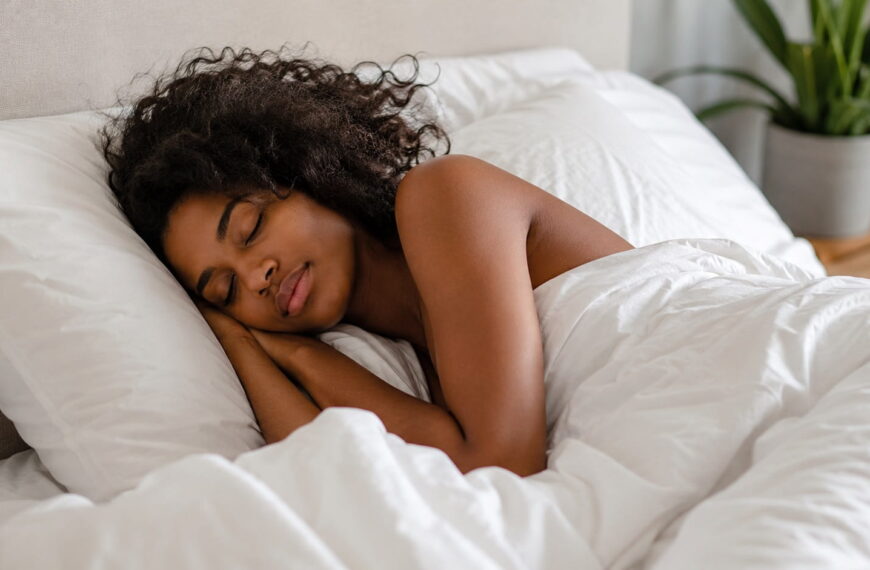
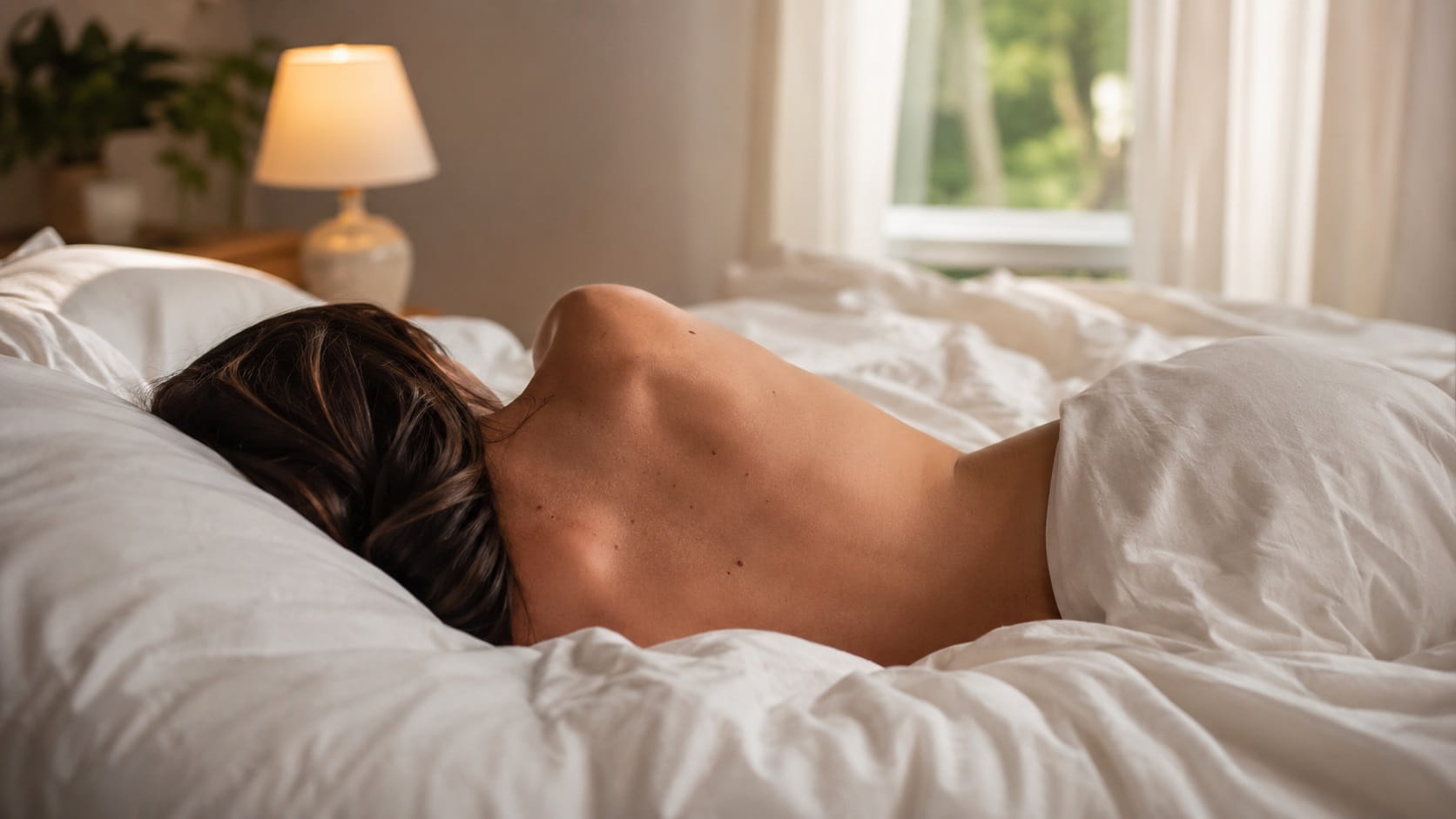
Is it good to sleep naked? For most healthy adults, yes. Sleeping without clothes may improve sleep quality, help regulate body temperature, reduce night sweats, and support skin and reproductive health. It isn’t a cure for insomnia, but cooler sleeping conditions genuinely make it easier to fall asleep and stay asleep.
You’ve tried the blackout curtains. You’ve upgraded the mattress. You’ve cut the evening coffee. But there’s one bedtime habit most people never think to change — what they actually wear to bed. Ditching your pajamas can help you fall asleep faster, sleep more deeply, and may support aspects of your skin and reproductive health. It’s not a miracle fix, and it’s not for everyone. But the science behind it is more solid than you might expect.
Quick Answer: Yes, sleeping naked is healthy for most adults. It helps regulate body temperature, may improve sleep quality, reduces overheating, and supports skin and reproductive health. It may not suit you if your bedroom runs cold, you have limited privacy, or a medical condition requires protective clothing.
I’m McLee Tembo, health consultant and founder of NFH Clinic. In my practice, I see patients chase every gadget and supplement for better sleep while overlooking one of the simplest levers they can pull: temperature. Here’s what’s actually going on when you take your clothes off before bed, and who should think twice before doing it.
In this article:
- Why Sleeping Naked Works: It's All About Thermoregulation
- Does Sleeping Naked Improve Sleep Quality?
- 8 Evidence-Backed Benefits of Sleeping Naked
- Sleeping Naked vs. Sleeping in Underwear
- What to Do if You Feel Cold Sleeping Naked
- Sleeping Naked: Pros and Cons
- Is it Okay to Sleep Shirtless as a Girl?
- Is Sleeping Naked Bad for You?
- Does Sleeping Naked Help You Lose Weight?
- Does Sleeping Naked Increase Testosterone?
- Does Sleeping Naked Improve Circulation?
- Can Sleeping Naked Reduce Acne?
- Is It Okay for Women to Sleep Shirtless or Without Underwear?
- Is Sleeping Naked Safe During Pregnancy?
- Does Sleeping Naked Help With Menopause and Hot Flashes?
- Can Sleeping Naked Cause UTIs?
- Sleeping Skin-to-Skin With a Partner: Is It Worth It?
- Who Benefits Most From Sleeping Naked?
- When Should You See a Doctor?
- Frequently Asked Questions About Sleep Naked
- Final Thoughts on Sleeping Naked
- References
Why Sleeping Naked Works: It’s All About Thermoregulation
Every night, your core body temperature drops by about 1–2°F as part of your natural circadian rhythm. This dip is a signal to your brain that it’s time to power down. It’s not optional — it’s biology, and sleep scientists refer to it as thermoregulation.
The problem is, tight or heavy sleepwear traps body heat and blocks that cooling process. When your body can’t shed heat efficiently, your brain gets a mixed signal, and falling asleep takes longer than it should.
Organizations like the Sleep Foundation and the American Academy of Sleep Medicine generally recommend keeping your bedroom between 60–67°F (15–19°C) for the best results. Within that range, your body finds it easiest to complete its natural pre-sleep temperature drop, settle into stable REM sleep, and stay asleep through the night. Sleeping naked works with this range instead of against it. Your skin releases heat freely, which helps your body hit its ideal sleep temperature faster — one of the simplest sleeping naked benefits there is.
“Temperature is one of the most overlooked causes of poor sleep,” I tell my patients. “You can have the perfect mattress and still sleep badly if your body can’t cool down properly.”
Does Sleeping Naked Improve Sleep Quality?
Yes, this is really the core of it. Sleeping naked may improve sleep quality by helping your body cool down more efficiently. Since a lower core body temperature is essential for both falling asleep and staying asleep, removing restrictive clothing can reduce overheating and the small, fragmenting awakenings you might not even remember the next morning.
8 Evidence-Backed Benefits of Sleeping Naked
1. You Fall Asleep Faster
Since your body isn’t fighting trapped heat, the natural pre-sleep temperature drop happens more smoothly. Many people report drifting off quicker once they stop wearing heavy sleepwear.
2. You Get Deeper, More Restorative Sleep
A cooler body supports deeper stages of sleep, including REM sleep — the stage tied to memory consolidation and emotional processing. Overheating, even mildly, can fragment sleep without you fully waking up or remembering it.
3. Fewer Night Sweats and Less Tossing and Turning
Removing the extra layer means heat escapes more easily, which can reduce the night sweats and restlessness that come from overheating under blankets.
4. Support for Normal Skin Repair
Deep sleep is when your body produces growth hormone, which supports tissue repair and collagen production. Better sleep supports these normal skin repair processes. That said, sleeping naked itself hasn’t been shown to directly improve skin health — the benefit is downstream of better sleep, not a direct effect of bare skin. Airflow around uncovered skin also cuts down on trapped moisture, which can otherwise encourage irritation or fungal buildup in warm, humid areas.
5. Lower Stress and Cortisol Levels
Poor sleep raises cortisol, your body’s main stress hormone, which is linked to anxiety and mood swings over time. Improve your sleep depth, and nighttime cortisol tends to follow it down — leaving you calmer and steadier the next morning.
6. Support for Heart and Metabolic Health
Chronic sleep loss is tied to higher blood pressure, insulin resistance, and inflammation — all risk factors for heart disease and type 2 diabetes. Anything that genuinely improves your sleep length and depth, sleeping naked included, indirectly supports these systems too.
7. May Support Reproductive Health in Some People
Warm, damp environments favor yeast overgrowth, and tight underwear worn overnight traps both heat and moisture. Sleeping without underwear may improve airflow and reduce moisture. That can help lower the risk of irritation, and may reduce conditions that encourage yeast overgrowth in some people — though it’s not a guaranteed preventive measure. For men, the same principle applies to fertility: sperm production needs a temperature slightly below core body heat, and tight underwear can work against that.
8. A Better Relationship With Your Body
There’s a psychological side to this, too. Research on body image suggests that comfort with your own skin is linked to higher self-esteem and body appreciation — and for couples, skin-to-skin contact releases oxytocin, the hormone associated with bonding and lowered stress.
Sleeping Naked vs. Sleeping in Underwear
This is a common fork in the road for people who aren’t ready to go fully bare. Lightweight, breathable cotton underwear is a reasonable middle ground and won’t trap heat the way synthetic fabrics do. That said, sleeping completely naked usually allows better airflow and faster heat dissipation than even the most breathable underwear, simply because there’s no fabric barrier at all. If you’re easing into it, cotton underwear is a sensible first step before going without entirely.
What to Do if You Feel Cold Sleeping Naked
Feeling cold is the most common reason people give up on sleeping naked — but the fix usually isn’t more clothing. Instead of heavy pajamas, try breathable blankets or an extra layer of bedding while keeping the room itself cool. This lets you stay warm on demand without trapping heat against your skin all night, which defeats the purpose. Natural, breathable sheet fabrics — cotton or linen rather than synthetic blends — also help, since they wick moisture and release heat more efficiently than polyester sheets do. If you’re still cold after adjusting your bedding, lightweight, loose-fitting sleepwear is a better compromise than reaching for thick, insulating layers.
Sleeping Naked: Pros and Cons
Like most sleep habits, this one isn’t universally right or wrong — it depends on your body and your setup.
| Benefits | Drawbacks |
|---|---|
| Better temperature regulation | Can feel cold in under-heated rooms |
| Faster sleep onset, deeper sleep | Less practical with limited privacy |
| Fewer night sweats | Requires more frequent sheet washing |
| Better airflow, less moisture buildup | Not ideal for certain skin conditions |
| Possible mood and bonding benefits | Adjustment period for some people |
If the drawbacks outweigh the benefits for your situation, loose, breathable cotton sleepwear gives you a similar cooling effect without going fully bare.
Is it Okay to Sleep Shirtless as a Girl?
Yes, it is completely okay and normal to sleep shirtless as a girl, and it’s more common than most people assume. Surveys on sleep habits consistently show a meaningful share of adults sleep without clothing, often citing comfort and temperature as the main reasons. There’s nothing medically unusual about it. What matters far more than “normal” is whether it works for your body, your room temperature, and your living situation.
Is Sleeping Naked Bad for You?
For most healthy adults, no — it’s not harmful. The exceptions are situational rather than medical. You may want to reconsider, or stick with breathable cotton sleepwear instead, if you:
- Sleep in a bedroom that runs genuinely cold, especially without adequate bedding
- Sleepwalk regularly, where clothing offers a layer of practical protection
- Need compression garments or medical dressings overnight
- Share sleeping quarters where privacy is limited
- Have a skin condition, such as severe eczema, that your doctor has advised you to keep covered
Outside of these situations, sleeping naked carries no inherent health risk. It’s a preference, not a prescription.
Does Sleeping Naked Help You Lose Weight?
Not directly, and I’d be cautious of anyone claiming otherwise. What’s true is that cooler nighttime temperatures may mildly activate brown fat, a type of fat tissue that burns calories to generate heat. The effect is small on its own. Where sleeping naked actually helps is indirectly: better sleep supports healthier hunger hormones, more stable blood sugar, and better appetite regulation — all of which matter far more for weight management than the temperature of your skin overnight.
Does Sleeping Naked Increase Testosterone?
Sleeping naked doesn’t raise testosterone on its own. But sleep quality and testosterone are closely linked — poor or fragmented sleep is associated with lower testosterone levels in men. Since sleeping naked may support deeper, longer sleep, it can indirectly help maintain healthier hormone levels over time. The bigger lever is total sleep quality, not the absence of clothing by itself.
Does Sleeping Naked Improve Circulation?
There’s little direct evidence that sleeping naked improves blood circulation on its own. What is true is that tight clothing or restrictive elastic waistbands can mildly compress blood vessels overnight, and removing that constriction may feel more comfortable for some people. Beyond that, any circulatory benefit is more likely tied to better sleep overall than to skin exposure itself.
Can Sleeping Naked Reduce Acne?
It may help with body acne specifically, though it’s not a treatment. Sweat, heat, and friction from clothing rubbing against skin overnight can all contribute to clogged pores and breakouts on the chest, back, and shoulders. Sleeping naked reduces that friction and moisture buildup, which may help some people, especially if breakouts tend to appear where sleepwear sits tightest.
Is It Okay for Women to Sleep Shirtless or Without Underwear?
Yes, and there’s a specific benefit worth knowing: going without underwear overnight improves airflow to an area that’s otherwise kept warm and covered most of the day. That reduced moisture buildup is genuinely useful for lowering the risk of irritation. Sleeping topless is simply a matter of comfort and has no downside beyond personal preference and privacy.
Is Sleeping Naked Safe During Pregnancy?
Yes. Many pregnant women actually find it more comfortable, since pregnancy raises core body temperature and can make overheating at night more common. As always, follow your comfort and check with your OB-GYN if you have specific concerns about your sleep setup.
Does Sleeping Naked Help With Menopause and Hot Flashes?
Yes, for many women it does. Women experiencing menopause or hot flashes often find sleeping naked, or wearing lightweight, breathable sleepwear, genuinely helpful, since it reduces the layers trapping heat during a hot flash and can make overheating episodes easier to manage overnight. Pairing this with a cool room and moisture-wicking sheets tends to help even more.
Can Sleeping Naked Cause UTIs?
No, sleeping naked doesn’t cause urinary tract infections. UTIs are caused by bacteria entering the urinary tract, not by clothing choices during sleep. That said, general hygiene still matters — clean sheets and good bathroom habits remain the more relevant factors for UTI prevention than what you wear to bed.
Sleeping Skin-to-Skin With a Partner: Is It Worth It?
If both partners are comfortable with it, yes. Skin-to-skin contact during sleep triggers oxytocin release, which is associated with reduced stress and stronger emotional bonding. Some couples also report falling asleep faster simply from the shared warmth and physical closeness, though individual temperature preferences can vary, so it’s worth communicating about what works for both of you.
Who Benefits Most From Sleeping Naked?
- People who consistently overheat at night
- Anyone dealing with insomnia or fragmented sleep
- Those prone to yeast infections or skin irritation
- Men concerned about fertility and sperm health
- Anyone whose stress or anxiety is tied to poor sleep
- Pregnant women dealing with overheating
When Should You See a Doctor?
Sleeping naked won’t solve every sleep problem, and it’s not a substitute for medical care. Talk to a healthcare professional if you:
- Snore loudly or seem to stop breathing during sleep
- Have persistent insomnia lasting more than a few weeks
- Wake up feeling exhausted every day despite enough time in bed
- Experience severe night sweats without an obvious cause
- Have recurring skin infections or unexplained irritation
Frequently Asked Questions About Sleep Naked
Is it healthy to sleep naked every night?
Yes, for most healthy adults it’s a safe, sustainable habit. It supports temperature regulation, sleep depth, and skin recovery, though comfort and room temperature should guide the decision.
Is sleeping naked better than wearing pajamas?
For most people who run warm at night, yes — it allows better heat loss than pajamas do. But it comes down to individual comfort and your bedroom’s temperature; there’s no single right answer for everyone.
Can sleeping naked help with night sweats?
Yes. Without clothing trapping heat against your skin, excess warmth escapes more easily, which can meaningfully reduce night sweats.
Does sleeping naked help with insomnia?
Indirectly, yes. Since falling asleep depends on a drop in core body temperature, removing clothing helps that process happen more efficiently, which can shorten the time it takes to fall asleep.
Can sleeping naked cause a cold or the flu?
No. Colds and flu are caused by viruses, not by cool air exposure during sleep. This is a persistent myth worth retiring.
Is it bad to sleep naked in cold weather? Should you sleep naked in winter?
It can be. If your body can’t maintain a comfortable temperature, sleep quality suffers rather than improves. In colder rooms or winter months, light, breathable sleepwear paired with extra blankets is the better choice.
Is it hygienic to sleep naked?
Yes, as long as you wash your sheets regularly. Skin naturally sheds cells and releases sweat overnight regardless of what you wear, so clean bedding matters either way.
Can sleeping naked boost immunity?
Good sleep strengthens immune function, and since sleeping naked may improve sleep quality, it can support the immune system indirectly rather than directly.
Is sleeping naked safe for children?
No — children should wear sleepwear appropriate for the room temperature, since blankets can shift overnight and kids regulate body heat less efficiently than adults.
How long before I notice sleeping naked benefits?
Some people notice easier sleep onset within a few nights. Skin and hormonal benefits, since they depend on consistently better sleep, tend to build over several weeks.
Final Thoughts on Sleeping Naked
Sleeping naked is a simple, free lifestyle change that works with your body’s natural cooling process instead of against it. It’s not a medical treatment, and it won’t fix serious sleep disorders on its own — but it’s genuinely worth trying for a couple of weeks if you’re a hot sleeper or someone who struggles to drift off. Comfort, room temperature, and your personal circumstances should guide the decision, not a blanket rule.
Start small if it feels unfamiliar: try it on a night your room is already cool, and see how your sleep feels the next morning.
If your sleep problems persist regardless of what you wear to bed, that’s worth a conversation with a healthcare professional — clothing is rarely the only factor at play.
References
- American Academy of Sleep Medicine — Healthy Sleep
- Sleep Foundation — Best Temperature for Sleep
- Centers for Disease Control and Prevention (CDC) — About Sleep
- National Heart, Lung, and Blood Institute, NIH — How Sleep Works: Your Sleep/Wake Cycle
Related Articles: