
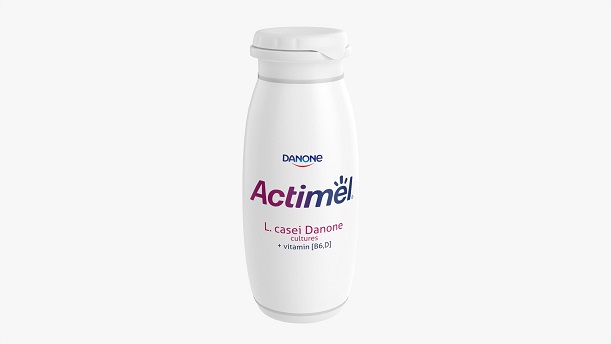
Actimel is widely marketed as a drink that supports gut health and the immune system. But does it actually work, and is it worth including in your daily routine?
The short answer: Actimel may offer benefits for some people, but it is not a cure-all. Its effects depend on your health status, diet, and expectations.
Let’s explore what the science and clinical experience suggest.
What Is Actimel?
Actimel is a fermented dairy drink containing:
- Probiotics (notably Lactobacillus casei / L. casei)
- Vitamin D
- Vitamin B6
- Sugar (approximately 10 g per serving)
It is designed to complement your diet by supporting the balance of beneficial bacteria in the gut.
Potential Benefits of Actimel
1. Gut Health Support
Probiotics like L. casei are intended to help maintain a healthy gut microbiome.
Some people report:
- Reduced bloating
- Improved digestion
- Better bowel regularity
Clinical studies suggest probiotics may help restore gut balance, particularly:
- After antibiotic use
- During episodes of mild digestive upset
- In individuals with microbiome disruption
However, responses vary from person to person.
2. Immune System Support
Actimel contains Vitamin D and Vitamin B6, both important for immune function.
Research indicates:
- Vitamin D supports immune cell activity
- Vitamin B6 contributes to normal immune responses
Certain studies have shown probiotic-containing products may modestly influence immune markers, especially in:
- Stressed individuals
- People prone to frequent minor infections
Important context:
This does not mean Actimel prevents illness, but it may support normal immune processes.
What Actimel Cannot Do
It is equally important to understand the limitations.
Actimel:
- Does not replace medical treatment
- Does not cure infections
- Does not substitute a balanced diet
- Is not superior for everyone
Some comparative studies have found little difference between Actimel and standard yogurt with live cultures.
In other words, similar benefits may be obtained from:
- Plain yogurt with live cultures
- Kefir
- Other fermented foods
- A fibre-rich, balanced diet
Sugar Content: A Consideration
Each serving contains roughly 10 g of sugar.
For some individuals, this matters:
Be cautious if you:
- Have diabetes
- Are managing insulin resistance
- Are limiting sugar intake
- Are giving it regularly to children
Lower-sugar probiotic alternatives may be more suitable in these cases.
Patient-Centered Examples
Case 1: After Antibiotics
Scenario:
A patient completes a course of antibiotics and experiences bloating and irregular stools.
Possible role of Actimel:
Short-term probiotic intake may help support microbiome recovery.
Clinical advice:
Useful as part of a broader strategy including hydration, fibre, and balanced meals.
Case 2: Frequent Mild Digestive Discomfort
Scenario:
An adult with occasional bloating wonders if Actimel will “fix” digestion.
Reality:
Benefits may be mild. Underlying causes (diet, stress, IBS, lactose intolerance) should be considered.
Clinical advice:
Trial use is reasonable, but persistent symptoms warrant medical evaluation.
Case 3: Cold & Flu Season
Scenario:
Someone drinks Actimel daily hoping to avoid colds.
Evidence-based view:
Probiotics and vitamins may support immune function, but cannot guarantee prevention.
Clinical advice:
Combine with sleep, nutrition, hand hygiene, and vaccination where appropriate.
What Does the Evidence Say?
Research on probiotics shows:
- Some strains offer measurable benefits
- Effects are strain-specific
- Results differ based on population and health status
For Actimel specifically:
- Some studies suggest modest immune or gut benefits
- Others show no significant advantage over regular yogurt
Takeaway:
Actimel is helpful for some, neutral for others.
Is Actimel Worth It?
Actimel may be reasonable if:
- You enjoy the product
- It fits your budget
- You tolerate dairy well
- You understand it is supportive, not curative
It may be less necessary if:
- You already consume fermented foods
- You maintain a fibre-rich diet
- Sugar intake is a concern
Practical Clinical Guidance (NFH Clinic Perspective)
At NFH Clinic, we encourage patients to view probiotic drinks as:
Supportive tools — not medical treatments
Priority foundations remain:
- Balanced nutrition
- Adequate sleep
- Physical activity
- Stress management
- Appropriate medical care
When to Speak With a Healthcare Professional
Consult a clinician if you experience:
- Persistent bloating
- Chronic diarrhoea or constipation
- Abdominal pain
- Unexplained digestive changes
- Recurrent infections
These may indicate conditions requiring targeted evaluation.
Key Takeaway
Actimel can support gut and immune health in certain individuals, particularly:
- After antibiotics
- During periods of stress
- As part of a balanced lifestyle
However:
- It is not a “magic bullet”
- Benefits vary
- Similar effects may come from regular yogurt or diet improvements
FAQs About Actimel Drink
Does Actimel actually improve gut health?
Actimel may help support gut microbiome balance due to its probiotic content, especially after antibiotic use. Effects vary among individuals.
Is Actimel better than regular yogurt?
Not necessarily. Studies suggest many yogurts with live cultures provide similar probiotic benefits.
Can Actimel boost the immune system?
It contains Vitamins D and B6, which support normal immune function. It does not prevent illness but may contribute to immune health.
Should I drink Actimel every day?
Daily use is generally safe for most healthy adults. Consider sugar intake and dietary balance.
Is Actimel good after antibiotics?
Probiotic drinks like Actimel may help support gut microbiome recovery following antibiotic therapy.
Related Articles: