The Ultimate Guide to DHEA: Benefits, Uses, and Potential Health Advantages. Discover the powerful benefits of DHEA for health and wellness. Learn how this hormone can enhance energy, support aging, improve mood, and more. Read our comprehensive guide today! DHEA benefits, DHEA uses, DHEA supplement, DHEA for aging, hormone balance, natural energy boosters.
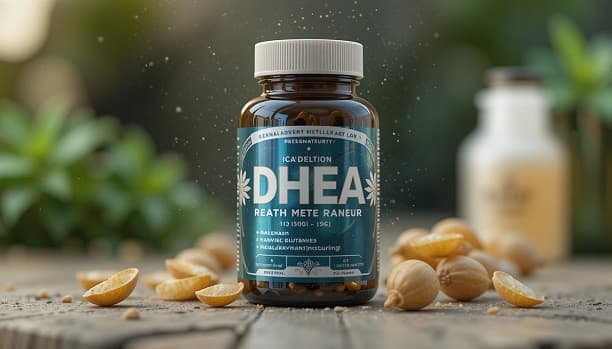
Dehydroepiandrosterone, commonly known as DHEA, is a hormone that plays a crucial role in the body’s overall health and well-being. Produced primarily by the adrenal glands, DHEA serves as a precursor to sex hormones like estrogen and testosterone. Its levels naturally decline with age, leading many to explore the potential benefits of DHEA supplementation. In this comprehensive guide, we’ll dive into the science behind DHEA, its numerous benefits, and how it can support your health journey.
Table of Contents:
- What is DHEA?
- Top Benefits of DHEA
- How to Use DHEA Safely
- Who Should Avoid DHEA?
- FAQs About DHEA
- 2. What are the potential benefits of taking DHEA supplements?
- 3. How should I take DHEA supplements?
- 4. Are there any side effects associated with DHEA supplementation?
- 5. Who should avoid taking DHEA supplements?
- 6. How long does it take to see the effects of DHEA?
- 7. Can DHEA help with weight loss?
- 8. Is DHEA safe for long-term use?
- 9. Can men and women both benefit from DHEA?
- 10. Can DHEA be taken with other supplements or medications?
- Conclusion
What is DHEA?
DHEA is a steroid hormone that is naturally produced in the body, mainly by the adrenal glands, but also by the brain and skin. It serves as a precursor to other important hormones, including testosterone and estrogen. DHEA levels peak in your mid-20s and gradually decline with age, with significant drops seen by the time you reach your 70s. This decline has led to interest in DHEA supplementation as a potential way to mitigate age-related health issues.
Top Benefits of DHEA
1. Supports Healthy Aging
One of the most well-known benefits of DHEA is its potential to slow down the aging process. Since DHEA levels naturally decline with age, supplementing with DHEA may help maintain more youthful levels of hormones. This can lead to improved skin elasticity, reduced wrinkles, and a more vibrant appearance. Additionally, DHEA may help improve muscle mass and bone density, which are critical for maintaining strength and mobility in later years.
2. Enhances Energy and Stamina
Low energy levels are a common complaint as we age, and DHEA might offer a solution. By boosting the production of testosterone and estrogen, DHEA can help increase energy levels and improve stamina. This can lead to enhanced physical performance and a more active lifestyle, which in turn supports overall health.
3. Improves Mood and Cognitive Function
Mental health and cognitive function can also benefit from DHEA supplementation. Some studies suggest that DHEA may help alleviate symptoms of depression and anxiety by balancing hormone levels. Moreover, DHEA has been linked to improved cognitive function, including better memory and concentration. This makes it a promising supplement for those looking to maintain mental sharpness as they age.
4. Supports Immune System Function
A well-functioning immune system is essential for overall health, and DHEA plays a role in supporting immune responses. DHEA has been shown to enhance immune function by boosting the activity of certain immune cells, which can help protect the body against infections and diseases.
5. Promotes Healthy Weight Management
DHEA might also aid in weight management by influencing body composition. Research suggests that DHEA can help reduce body fat, particularly abdominal fat, while preserving lean muscle mass. This effect is particularly beneficial for those looking to achieve a healthier body composition as they age.
6. Balances Hormones
Hormonal balance is crucial for overall well-being, and DHEA plays a significant role in maintaining this balance. For individuals experiencing hormonal imbalances due to aging or other factors, DHEA supplementation can help restore equilibrium. This is particularly relevant for women experiencing menopause, as DHEA can help alleviate symptoms such as hot flashes and mood swings.
How to Use DHEA Safely
While DHEA offers numerous benefits, it’s important to use it safely and under the guidance of a healthcare professional. Here are some key considerations:
- Consult a Doctor: Before starting DHEA supplementation, consult with a healthcare provider to determine if it’s appropriate for you, especially if you have any pre-existing conditions or are taking other medications.
- Start with a Low Dose: Begin with a low dose of DHEA, typically around 25 mg per day, and monitor your body’s response. Your doctor may adjust the dosage based on your individual needs and goals.
- Monitor Hormone Levels: Regular monitoring of hormone levels is essential when taking DHEA to ensure that you maintain a healthy balance and avoid potential side effects.
- Be Aware of Potential Side Effects: While DHEA is generally considered safe, some people may experience side effects such as oily skin, hair loss, or changes in mood. Report any adverse effects to your doctor.
Who Should Avoid DHEA?
While DHEA has many benefits, it is not suitable for everyone. Individuals with certain conditions should avoid DHEA supplementation unless advised otherwise by a healthcare provider:
- Hormone-sensitive conditions: If you have a history of hormone-sensitive cancers (such as breast or prostate cancer), DHEA may not be appropriate due to its influence on hormone levels.
- Pregnancy and breastfeeding: DHEA is not recommended for pregnant or breastfeeding women due to a lack of safety data.
- Certain medical conditions: Individuals with conditions such as liver disease, diabetes, or thyroid disorders should consult a doctor before using DHEA.
FAQs About DHEA
1. What is DHEA and why is it important?
Answer:
DHEA, or Dehydroepiandrosterone, is a hormone produced primarily by the adrenal glands. It serves as a precursor to male and female sex hormones, including testosterone and estrogen. DHEA is important for various bodily functions, including maintaining energy levels, supporting the immune system, and balancing hormone levels. As we age, DHEA levels naturally decline, which can lead to various health issues, making supplementation a consideration for some individuals.
2. What are the potential benefits of taking DHEA supplements?
Answer:
DHEA supplements are believed to offer several potential benefits, including:
- Supporting healthy aging and reducing age-related decline in hormone levels.
- Enhancing energy levels and physical stamina.
- Improving mood and cognitive function.
- Supporting immune system health.
- Aiding in weight management and reducing body fat.
- Balancing hormone levels, particularly in menopausal women.
3. How should I take DHEA supplements?
Answer:
It is essential to take DHEA supplements under the guidance of a healthcare professional. The recommended dosage can vary based on individual health needs, but a common starting dose is around 25 mg per day. Your doctor may adjust the dosage based on your specific health goals and hormone levels. Regular monitoring is important to ensure the supplement is effective and safe.
4. Are there any side effects associated with DHEA supplementation?
Answer:
While DHEA is generally considered safe for most people when taken at recommended doses, some individuals may experience side effects. These can include oily skin, acne, hair loss, mood changes, and changes in menstrual cycles for women. High doses of DHEA can also lead to more serious side effects, such as an increased risk of hormone-sensitive cancers. Always consult with a healthcare provider before starting DHEA to minimize the risk of adverse effects.
5. Who should avoid taking DHEA supplements?
Answer:
DHEA supplements may not be suitable for everyone. People with the following conditions should avoid DHEA unless specifically advised by a healthcare provider:
- Hormone-sensitive cancers (e.g., breast, ovarian, or prostate cancer).
- Pregnant or breastfeeding women.
- Individuals with liver disease, diabetes, or thyroid disorders.
- Those taking hormone replacement therapy or other medications that affect hormone levels.
6. How long does it take to see the effects of DHEA?
Answer:
The time it takes to notice the effects of DHEA supplementation can vary from person to person. Some individuals may begin to experience benefits, such as improved energy levels or mood, within a few weeks, while others may take longer. It’s important to give the supplement time to work and to have your progress monitored by a healthcare provider.
7. Can DHEA help with weight loss?
Answer:
DHEA may aid in weight management by influencing body composition, particularly by reducing abdominal fat and preserving lean muscle mass. However, DHEA is not a weight loss miracle and should be combined with a healthy diet and regular exercise for the best results. Always consult with a healthcare professional before using DHEA for weight management.
8. Is DHEA safe for long-term use?
Answer:
The safety of long-term DHEA use is still under study, and while some people may safely use DHEA for extended periods, it’s important to do so under medical supervision. Long-term use may lead to side effects, particularly if taken in high doses. Regular check-ups and hormone level monitoring are essential for anyone considering long-term DHEA supplementation.
9. Can men and women both benefit from DHEA?
Answer:
Yes, both men and women can potentially benefit from DHEA supplementation. In men, DHEA may help boost testosterone levels, which can support energy, muscle mass, and libido. In women, DHEA can help balance estrogen levels, which can be particularly beneficial during menopause. However, the effects can vary, and it’s important to tailor the supplementation to individual needs.
10. Can DHEA be taken with other supplements or medications?
Answer:
DHEA can interact with certain medications and supplements, particularly those that affect hormone levels, such as hormone replacement therapy or birth control pills. It’s crucial to discuss any other supplements or medications you’re taking with your healthcare provider before starting DHEA to avoid potential interactions and side effects.
Conclusion
DHEA offers a range of potential benefits, from supporting healthy aging and enhancing energy levels to improving mood and cognitive function. However, like any supplement, it is essential to use DHEA wisely and under the guidance of a healthcare professional.
By understanding its benefits and risks, you can make an informed decision about whether DHEA is right for you. As always, prioritize a balanced diet, regular exercise, and a healthy lifestyle as the foundation of your well-being.
Share:
Related Articles: