
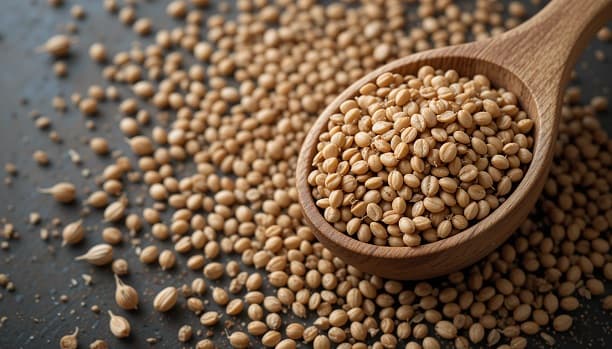
Buckwheat Health Benefits: A Nutrient-Packed Superfood for Your Diet. Discover the powerful health benefits of buckwheat! This gluten-free superfood is rich in nutrients, supports heart health, aids digestion, and boosts energy. Learn how to incorporate it into your diet today!
In recent years, buckwheat has gained popularity as a superfood due to its impressive nutritional profile and numerous health benefits. Despite its name, buckwheat is not related to wheat and is naturally gluten-free, making it a fantastic choice for those with gluten sensitivities or celiac disease. Whether you’re looking to improve heart health, enhance digestion, or simply add more nutrients to your meals, buckwheat can be a valuable addition to your diet. In this article, we will explore the various health benefits of buckwheat, its nutritional composition, and how you can incorporate it into your daily routine.
Table of Contents:
- What is Buckwheat?
- Nutritional Profile of Buckwheat
- 1. Supports Heart Health
- 2. Aids Digestion
- 3. Naturally Gluten-Free
- 4. Helps Manage Blood Sugar Levels
- 5. Supports Weight Loss and Healthy Weight Management
- 6. Rich in Antioxidants
- 7. Boosts Energy and Reduces Fatigue
- 8. Improves Skin Health
- How to Incorporate Buckwheat into Your Diet
- FAQs: Health Benefits of Buckwheat
- 2. Is buckwheat a grain or a seed?
- 3. What are the main health benefits of buckwheat?
- 4. Can buckwheat help with weight loss?
- 5. How does buckwheat affect blood sugar levels?
- 6. What are the antioxidant properties of buckwheat?
- 7. How can I add buckwheat to my diet?
- 8. Is buckwheat good for digestion?
- 9. Can buckwheat improve heart health?
- 10. Is buckwheat safe for people with celiac disease?
- 11. Does buckwheat help in skin health?
- 12. How much buckwheat should I eat daily?
- 13. Can buckwheat be used as a substitute for rice?
- Conclusion
What is Buckwheat?
Buckwheat is a pseudo-cereal, which means it functions like a grain but is technically a seed. It’s derived from the seeds of the plant Fagopyrum esculentum. Although it has been consumed for centuries in countries like Russia and Japan, it’s now gaining recognition worldwide for its versatility and health benefits. There are two common forms of buckwheat: groats (hulled seeds) and flour, both of which can be used in a variety of recipes.
Nutritional Profile of Buckwheat
Buckwheat is nutrient-dense and offers an array of vitamins, minerals, and antioxidants. Here’s a breakdown of its key nutrients (per 100 grams of raw buckwheat):
- Calories: 343 kcal
- Protein: 13.3 grams
- Carbohydrates: 71.5 grams
- Fiber: 10 grams
- Fat: 3.4 grams
- Magnesium: 231 mg (58% of the Daily Value)
- Phosphorus: 347 mg (35% of the Daily Value)
- Potassium: 460 mg (13% of the Daily Value)
- Iron: 2.2 mg (12% of the Daily Value)
Buckwheat is also a good source of B vitamins, particularly niacin, riboflavin, and folate, which are essential for energy metabolism and overall cellular function.
1. Supports Heart Health
One of the standout benefits of buckwheat is its ability to promote heart health. It contains rutin, a powerful antioxidant flavonoid that helps strengthen blood vessels and reduce inflammation. Regular consumption of buckwheat has been linked to:
- Lower cholesterol levels: Buckwheat’s high fiber content helps reduce LDL (bad) cholesterol, which can lower the risk of heart disease.
- Improved blood pressure: Magnesium in buckwheat helps relax blood vessels, aiding in the regulation of blood pressure.
- Antioxidant protection: The rutin in buckwheat helps prevent oxidative stress, reducing the risk of heart-related complications.
2. Aids Digestion
Buckwheat is an excellent source of dietary fiber, which is essential for maintaining a healthy digestive system. A 100-gram serving provides about 10 grams of fiber, contributing to better gut health in the following ways:
- Promotes regular bowel movements: Fiber adds bulk to stool, which can prevent constipation.
- Supports a healthy microbiome: Buckwheat contains resistant starch, a type of fiber that feeds beneficial gut bacteria, promoting a balanced microbiome.
- Reduces digestive inflammation: For individuals with conditions like IBS (irritable bowel syndrome), buckwheat’s anti-inflammatory properties can help soothe the digestive tract.
3. Naturally Gluten-Free
For individuals with gluten sensitivities or celiac disease, buckwheat is a safe and nutritious alternative to gluten-containing grains like wheat, barley, and rye. Buckwheat flour can be used in a wide variety of gluten-free baking and cooking recipes, making it a versatile ingredient for those following a gluten-free diet.
4. Helps Manage Blood Sugar Levels
Despite being rich in carbohydrates, buckwheat has a low glycemic index (GI), meaning it has a minimal impact on blood sugar levels. This is particularly beneficial for individuals with diabetes or those looking to manage their blood sugar levels. The high fiber content slows down the absorption of sugar into the bloodstream, preventing spikes in insulin. Additionally, buckwheat contains a compound called D-chiro-inositol, which plays a role in improving insulin sensitivity.
5. Supports Weight Loss and Healthy Weight Management
Buckwheat’s high fiber and protein content make it a great choice for those looking to lose weight or maintain a healthy weight. The fiber keeps you feeling full for longer, reducing the temptation to snack between meals. Protein is also essential for muscle repair and growth, helping you stay satiated after eating.
- Low in calories: Despite being nutrient-dense, buckwheat is relatively low in calories, making it an ideal option for weight-conscious individuals.
- Promotes fat burning: Buckwheat’s slow-digesting carbohydrates help maintain steady energy levels, which can promote fat burning during physical activity.
6. Rich in Antioxidants
Buckwheat contains several powerful antioxidants, including quercetin, rutin, and tannins, which help protect the body from oxidative stress. These antioxidants can lower the risk of chronic diseases such as cancer, heart disease, and neurodegenerative disorders. Here’s how the antioxidants in buckwheat benefit your health:
- Rutin: Helps reduce inflammation and strengthen blood vessels.
- Quercetin: Known for its anti-inflammatory and immune-boosting properties.
- Tannins: Have been shown to exhibit anti-cancer and antimicrobial effects.
7. Boosts Energy and Reduces Fatigue
Buckwheat is an excellent source of complex carbohydrates, which provide sustained energy throughout the day. The B vitamins, particularly niacin, riboflavin, and thiamine, also play a vital role in converting food into energy, helping to reduce fatigue and improve mental and physical performance.
8. Improves Skin Health
The antioxidants and anti-inflammatory properties of buckwheat also extend to skincare. Rutin and other flavonoids in buckwheat help improve skin elasticity and protect against UV damage. Consuming buckwheat regularly can lead to:
- Clearer skin: Its high fiber content helps eliminate toxins from the body, which can result in clearer, healthier-looking skin.
- Anti-aging benefits: The antioxidants in buckwheat may reduce the appearance of fine lines and wrinkles by neutralizing free radicals.
How to Incorporate Buckwheat into Your Diet
Incorporating buckwheat into your diet is easy, thanks to its versatility. Here are some popular ways to enjoy buckwheat:
- Buckwheat porridge: Cook buckwheat groats in water or milk for a nutritious, fiber-rich breakfast.
- Buckwheat flour: Use it in baking to make pancakes, muffins, or bread for a gluten-free alternative to wheat flour.
- Soba noodles: Made from buckwheat, these Japanese noodles are a great addition to stir-fries and soups.
- Buckwheat salad: Toss cooked buckwheat groats with vegetables, nuts, and a light dressing for a wholesome, nutrient-dense meal.
FAQs: Health Benefits of Buckwheat
1. Is buckwheat gluten-free?
Yes, buckwheat is naturally gluten-free, making it a safe option for individuals with gluten sensitivities or celiac disease.
2. Is buckwheat a grain or a seed?
Buckwheat is technically a seed from the Fagopyrum esculentum plant. It’s considered a pseudo-cereal because it functions like a grain in cooking, despite not being a true grain.
3. What are the main health benefits of buckwheat?
Buckwheat supports heart health, aids digestion, manages blood sugar levels, boosts energy, and is rich in antioxidants. It’s also gluten-free, high in fiber, and beneficial for weight management.
4. Can buckwheat help with weight loss?
Yes, buckwheat is rich in fiber and protein, which help keep you full longer and reduce unnecessary snacking. Its low calorie count and nutrient density make it ideal for weight loss or weight management.
5. How does buckwheat affect blood sugar levels?
Despite its carbohydrate content, buckwheat has a low glycemic index (GI). It slowly releases sugar into the bloodstream, helping prevent insulin spikes and improving blood sugar control, making it beneficial for people with diabetes.
6. What are the antioxidant properties of buckwheat?
Buckwheat is rich in antioxidants like rutin, quercetin, and tannins, which help reduce inflammation, protect the body from oxidative stress, and lower the risk of chronic diseases such as heart disease and cancer.
7. How can I add buckwheat to my diet?
You can enjoy buckwheat as:
- Buckwheat porridge (breakfast)
- Buckwheat flour for gluten-free baking (pancakes, bread, muffins)
- Soba noodles (buckwheat noodles)
- Buckwheat salads or stir-fries
8. Is buckwheat good for digestion?
Yes, buckwheat is high in dietary fiber, which promotes healthy digestion, supports regular bowel movements, and contributes to a balanced gut microbiome.
9. Can buckwheat improve heart health?
Yes, buckwheat contains rutin, a flavonoid that strengthens blood vessels, reduces inflammation, and lowers LDL (bad) cholesterol, all of which contribute to better heart health.
10. Is buckwheat safe for people with celiac disease?
Absolutely. Buckwheat is naturally gluten-free and safe for those with celiac disease or gluten intolerance.
11. Does buckwheat help in skin health?
Yes, the antioxidants in buckwheat, like rutin and quercetin, help improve skin elasticity, reduce inflammation, and protect against damage caused by UV exposure, leading to clearer and healthier skin.
12. How much buckwheat should I eat daily?
There isn’t a strict daily recommendation, but incorporating a serving (about 1/2 cup of cooked buckwheat) into your meals several times a week can provide substantial health benefits.
13. Can buckwheat be used as a substitute for rice?
Yes, buckwheat groats can be used as a healthy alternative to rice, offering more fiber and protein while still being versatile in many dishes.
Conclusion
Buckwheat is a powerhouse of nutrients, offering numerous health benefits that range from supporting heart health and digestion to managing blood sugar and boosting energy. Whether you’re looking to improve your overall well-being or are in need of a gluten-free grain alternative, buckwheat is an excellent choice to incorporate into your daily diet.
Key Takeaway: Unlock the health benefits of buckwheat by adding this gluten-free superfood to your diet. Its high fiber, protein, and antioxidant content make it a nutritious option for boosting heart health, managing blood sugar, and enhancing digestion. Start reaping the benefits of buckwheat today!
Share:
Related Articles: