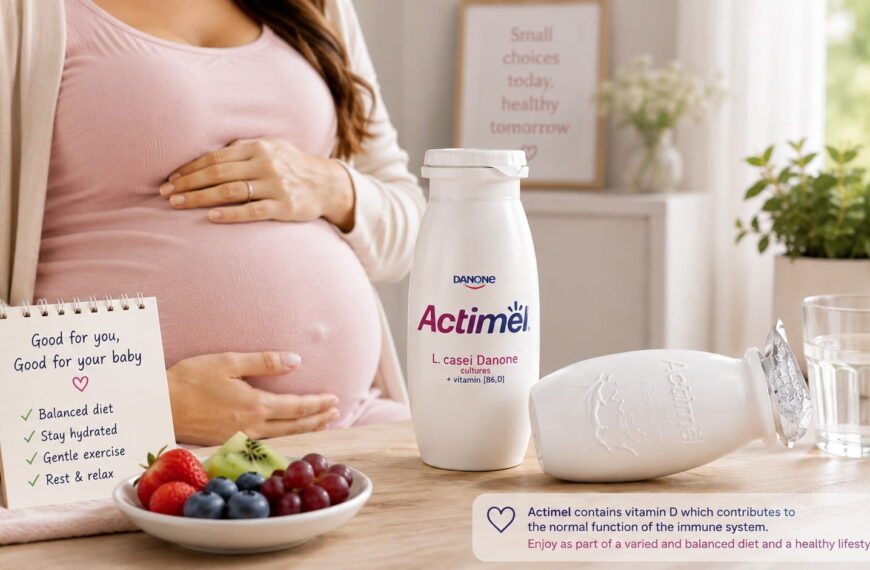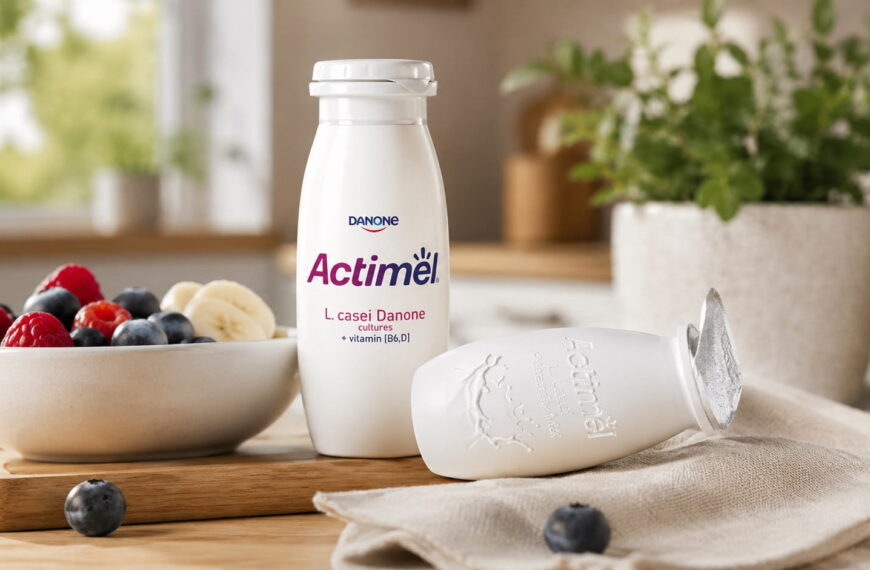
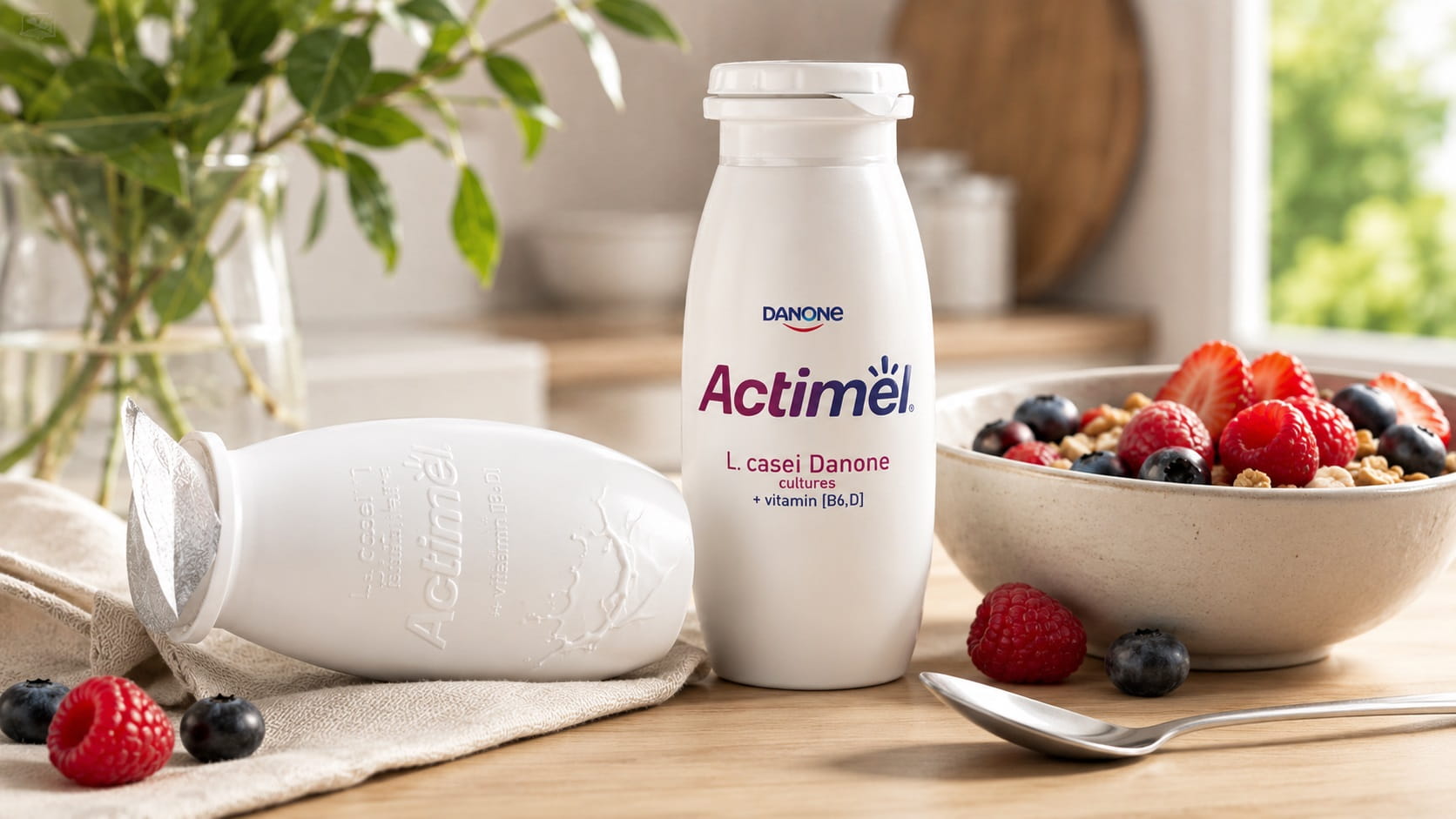
Actimel is one of the UK’s most popular probiotic yoghurt drinks, marketed to support immune health and digestive balance. A common question from readers and patients: is it safe — or actually beneficial — to drink two bottles a day?
Is It Ok to Drink 2 Actimel a Day? Quick answer
- Yes, two Actimel bottles a day are generally safe for healthy adults.
- One bottle a day is usually enough for most people.
- The biggest downside of two a day is added sugar, especially with the Original and Multifruit varieties.
- The 0% version is the better choice for daily, long-term use.
| Question | Answer |
|---|---|
| Safe? | Yes, for most healthy adults |
| Recommended amount | Usually one bottle daily |
| Main concern | Added sugar |
| Best variant for daily use | Actimel 0% |
| Best used for | Gut support after antibiotics or mild digestive upset |
What’s in Actimel?
Actimel is a fermented dairy probiotic drink made by Danone from skimmed milk, sugar (or a sugar substitute in the 0% range), milk minerals, and the Lacticaseibacillus casei Danone strain — a live culture, or “good bacteria,” fortified with vitamins D and B6.
Contains: milk/dairy. Not suitable for anyone with a milk allergy, and people with lactose intolerance should check with a pharmacist before making this fermented dairy drink a daily habit, since even live-culture yoghurt drinks retain some lactose.
Nutritionally, per 100ml bottle, figures vary by variant:
| Variant | Sugar | Calories |
|---|---|---|
| Original | ~10.5–11g | ~72–74 kcal |
| Multifruit | ~12g | ~74 kcal |
| 0% (no added sugar) | ~3.3g | ~29 kcal |
This matters because “drinking two a day” means very different things depending which one you buy — a point the “which one” section below expands on.
Is It Safe to Drink Two Actimel a Day?
Yes, for most healthy adults. Two bottles provide around 20 billion live cultures and moderate B6/D intake, both within ranges used in clinical studies and well under any toxicity threshold.
Safety isn’t the same as necessity, though. Many people get the full probiotic benefit from a single daily probiotic drink. Current evidence suggests that increasing probiotic intake beyond a certain level does not necessarily produce proportionally greater benefits — a second bottle mostly adds sugar and calories rather than a matching increase in gut health support.
What the Evidence Actually Shows
According to the NHS and Mayo Clinic, probiotics like the strain in Actimel may help:
- Restore healthy gut bacteria after a course of antibiotics
- Ease symptoms of mild digestive upset
- Support general immune function
- Modestly reduce frequency of some infections
Probiotics do not affect everyone in the same way. Some people notice better digestion or fewer minor stomach complaints, while others experience little or no difference. Benefits tend to be greatest when there is an existing imbalance in the gut microbiome — if you’re healthy and already eating a varied diet rich in fibre and fermented foods, extra probiotic drinks may add little beyond what your gut is already managing.
Illustrative example — antibiotic recovery: someone experiencing bloating and irregular bowel habits after antibiotics adds one Actimel a day and reports improved regularity and less discomfort within a few weeks — consistent with the broader evidence on probiotics supporting gut microbiome recovery post-antibiotics, though individual results vary and this isn’t a documented clinical case.
Illustrative example — no noticeable change: a healthy adult with no digestive issues adds two Actimel daily hoping to “boost immunity” and after two months notices no clear change, aside from a small uptick in daily calorie and sugar intake. This reflects a genuine pattern in the evidence: probiotics tend to help most when there’s an existing imbalance to correct.
Taking antibiotics? General pharmacy advice is to space probiotic drinks a couple of hours apart from your antibiotic dose, since some antibiotics can reduce the live culture count if taken at the same time. Check the patient information leaflet for your specific medicine or ask your pharmacist.
The Real Limiting Factor: Sugar, Not Probiotics
This is the part most coverage undersells. Two Actimel Original bottles add up to roughly 20–22g of sugar. The NHS recommends adults keep free sugar intake — sugars added to food and drinks, plus those in fruit juice and honey — under 30g a day, so two Original bottles alone can use up around 70–75% of that allowance, before anything else you eat that day.
Worth clarifying: Actimel contains both naturally occurring milk sugars and added sugar (the exact split depends on the variety), so not every gram counted above is technically “free sugar” in the strictest NHS sense. Choosing the lower-sugar 0% option is the simplest way to keep your free sugar intake comfortably within NHS recommendations regardless of that distinction.
For context on why this matters at all, excess sugar intake over time is linked to weight gain, higher type 2 diabetes risk, and increased risk of heart disease and fatty liver.
This is especially relevant if you have prediabetes, diabetes, obesity, or metabolic syndrome — in which case the 0% version is the meaningfully better choice, cutting sugar per bottle to roughly a third of the Original.
Possible Side Effects of Actimel
Most people tolerate this probiotic yoghurt drink fine. Some notice mild, short-lived digestive symptoms when they first start, especially at two bottles a day:
- Bloating or gas
- Mild stomach discomfort
- Occasional loose stools
These usually settle within one to two weeks as gut bacteria adjust.
Can you drink it on an empty stomach? Yes — Actimel can be taken with food or on an empty stomach. Some people find taking it with breakfast or another meal reduces stomach discomfort, though evidence that timing meaningfully changes effectiveness is limited.
Best time of day to drink it? There’s no medically proven best time. Many people have it with breakfast simply because it’s easier to remember and fits into a daily routine.
How long before you notice benefits? Where digestive benefits occur, some people notice a difference within one to four weeks. Immune-related benefits, where present, tend to be more modest and less immediately noticeable.
Who Should Be Careful
Check with a healthcare professional before making Actimel a daily habit if you:
- Have diabetes or prediabetes
- Have a weakened immune system
- Are undergoing chemotherapy
- Have lactose intolerance or a dairy allergy
- Have some IBS subtypes — probiotics don’t consistently help everyone with IBS, so it’s worth checking whether it’s helping rather than assuming it will
Cleveland Clinic guidance notes probiotics are generally safe but should be used more cautiously in medically vulnerable groups.
Pregnant or breastfeeding? Actimel is a pasteurised, fermented dairy product generally considered fine during pregnancy and breastfeeding as part of a balanced diet, but check with your midwife or GP if you have any specific dietary restrictions.
Children: Actimel’s Kids variant is formulated separately (typically lower sugar per serving), and dosing guidance for children differs from the adult recommendations in this article — check the product label or ask a pharmacist rather than giving children the Original adult version.
One Bottle vs Two: Which Should You Choose?
For most healthy adults, one bottle a day covers the useful probiotic dose.
Two may make sense temporarily:
- Recovering after a course of antibiotics
- During a stressful stretch that’s disrupting digestion
- While recovering from an illness
- If you have a diagnosed digestive imbalance
Beyond that, a second bottle is mostly extra sugar and calories rather than extra benefit.
Is the 0% Sugar Version Worth Switching To?
Generally, yes. It delivers the same live cultures and the same vitamin D/B6 fortification, at roughly a third of the sugar of Original. It’s the more sensible daily pick if you’re managing weight, watching blood sugar, or planning to make this daily probiotic a long-term habit rather than a short-term recovery aid.
How Actimel Drink Supports Immune Function
Vitamin D contributes to the normal functioning of the immune system, and probiotics help maintain gut barrier function and can help keep less helpful bacteria in check. Since a large share of the body’s immune cells are associated with the gut microbiome, supporting healthy gut bacteria has a plausible, if modest, knock-on effect on general immune resilience — not a guarantee against illness.
When Actimel Helps Most
The evidence points to the biggest benefit for:
- People recovering from a course of antibiotics
- Those with generally poor-quality diets
- People who get frequent minor infections
- Some people with IBS or other digestive complaints
If you already eat a varied diet with fermented foods (yoghurt, kefir, sauerkraut), an extra daily drink likely adds only a small increment.
Practical Questions About Actimel Drink
Does heating Actimel kill the probiotics? Yes — high temperatures can reduce or destroy the live bacteria, so it’s best consumed chilled rather than added to hot drinks or cooking.
Can you freeze Actimel? Freezing isn’t recommended by the manufacturer; freezing can affect both texture and the viability of the live cultures, so chilled storage is the safer choice.
Does it need to be refrigerated? Yes, as with any live-culture dairy drink, keep it chilled and consume by the date on the label.
Does Actimel break a fast? At roughly 29–74 kcal depending on variant, plus protein and sugar, it does introduce calories and will end a fast in the strict sense (autophagy/insulin-response terms), even though the calorie count is low. If you’re following an intermittent fasting protocol, treat it as you would any other small snack or drink with calories.
Is it suitable for vegetarians? Yes, Actimel is typically suitable for vegetarians; it isn’t vegan, as it’s a dairy product.
Key Takeaways
- Two bottles are safe for most healthy adults.
- One bottle usually provides sufficient probiotic support for daily use.
- Choose the 0% version if drinking it every day long-term.
- People with diabetes, weakened immunity, or specific digestive conditions should seek medical advice first.
- The main trade-off with two bottles a day is added sugar, not probiotic safety.
The Bottom Line
Two Actimel bottles a day is safe for most healthy adults, but one is usually enough. Sugar content — not probiotic safety — is the main reason to think twice about making two a permanent daily habit, particularly with the Original or Multifruit variants. If you want a daily ritual without the sugar trade-off, the 0% version is the more sustainable choice.
Actimel can complement a healthy diet; it isn’t a substitute for one. Balanced nutrition, fibre, regular exercise, and good sleep remain the biggest levers for gut and immune health.
FAQs: Is It OK to Drink 2 Actimel a Day?
Is it safe to drink Actimel every day?
Yes, for most healthy adults, at one to two bottles daily.
Can drinking too much Actimel be harmful?
Serious harm is unlikely in healthy people. The main downside of excess intake is added sugar, plus mild digestive symptoms in some people when starting out.
Is Actimel good for your immune system?
It contains vitamin D and probiotics that support immune function, but it isn’t a cure and doesn’t guarantee protection against illness.
Is Actimel good for gut health?
Yes, the live cultures can help support healthy gut bacteria, which may improve digestion for some people.
Is Actimel safe for diabetics?
Possibly, but sugar content is the key concern. The 0% version is the safer option, and it’s worth checking with your GP or diabetes team before adding it daily.
Does Actimel contain allergens?
Yes, it’s a dairy product and contains milk. Not suitable for those with a milk allergy; use caution if lactose intolerant.
Can I give Actimel to children?
Use the Kids-formulated variant rather than the adult Original, and check the label for age guidance.
Can I drink Actimel while pregnant or breastfeeding?
Generally considered fine as part of a balanced diet, since it’s pasteurised, but check with your midwife or GP if you have specific dietary concerns.
Can I take Actimel with antibiotics?
Yes, but general pharmacy advice is to space it a couple of hours apart from your antibiotic dose so the medication doesn’t reduce the live culture count.
Can I drink Actimel at night?
There’s no medical reason not to — timing doesn’t meaningfully affect its probiotic benefit.
Does Actimel help with bloating or constipation?
It may help some people, particularly if bloating followed antibiotic use or reflects a mild gut imbalance, but it isn’t a treatment for constipation and results vary.
Is Actimel suitable for vegetarians?
Yes, though not vegan, since it’s a dairy product.
Does Actimel need to be refrigerated?
Yes, store it chilled and consume it by the date on the label.
References
- NHS guidance on probiotics and healthy eating (nhs.uk)
- Mayo Clinic patient information on probiotics
- Cleveland Clinic guidance on probiotics in medically vulnerable groups
- EFSA-approved nutrition claims for vitamin D and vitamin B6
- Danone UK product and nutrition information for current Actimel formulations
Related Articles: