
Every day, your body is already detoxifying itself. Your liver breaks down harmful substances. Your kidneys filter waste from your blood. Your digestive system removes what your body does not need.
So, the goal is not to force a detox. Instead, it is to support your body’s natural detox systems through healthy, sustainable habits.
At NFH Clinic, we emphasize that real detoxification comes from daily lifestyle choices — not extreme cleanses or expensive “detox” products.
“Your body already has a detox system. What most people need is support, not starvation.”
— Dr. McLee Tembo
What Does “Detox” Actually Mean?
In medical terms, detoxification is the process of removing:
- Metabolic waste from normal body functions
- Alcohol byproducts
- Air pollutants
- Excess hormones
- Food additives and chemicals
Your liver, kidneys, gut, lungs, skin, and brain all play important roles.
7 Science-Backed Ways to Detox Your Body Naturally
1. Stay Properly Hydrated
Water helps your kidneys filter waste through urine. Even mild dehydration slows this process.
Aim for: 6–8 glasses daily, more if active or in hot climates.
2. Eat More Fiber for Gut Detox
Fiber binds to waste in your digestive system and helps remove it through regular bowel movements.
Best sources:
- Beans and lentils
- Whole grains
- Leafy greens
- Fruits like apples and pears
A healthy gut is one of the most important detox systems in the body.
3. Support Your Liver with the Right Foods
Your liver processes almost everything you consume. Certain nutrients help liver enzymes work effectively.
Helpful foods:
- Garlic and onions (sulfur compounds)
- Broccoli, cabbage, kale (cruciferous vegetables)
- Berries and beets (antioxidants)
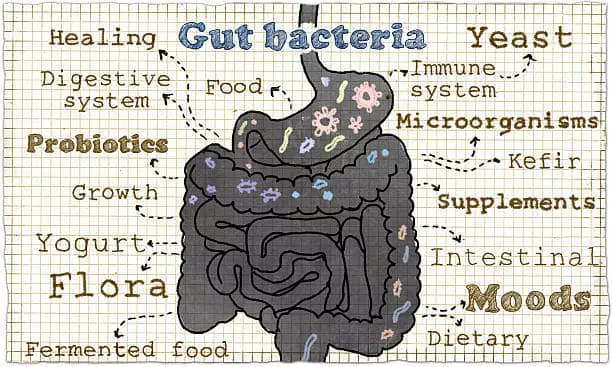
4. Improve Gut Bacteria
Good bacteria help break down toxins and reduce inflammation.
Include:
- Yogurt
- Fermented foods (sour milk, kefir)
- High-fiber plant foods
5. Exercise Regularly
Physical activity improves circulation, digestion, and lymphatic flow. While sweat removes only small amounts of toxins, exercise still supports overall detox function.
Goal: 30 minutes most days of the week.
6. Get 7–9 Hours of Sleep
During sleep, the brain clears metabolic waste. Poor sleep can slow this process and lead to fatigue.
“Sleep is one of the most overlooked detox tools.”
— Dr. McLee Tembo
7. Reduce Alcohol, Sugar, and Processed Foods
These substances increase the workload on your liver.
Limit:
- Sugary drinks
- Fried foods
- Processed snacks
- Excess alcohol
Detox Myths You Should Ignore
❌ Detox Drinks and Teas
Most do not remove toxins. Some can even cause dehydration or digestive upset.
❌ Extreme Fasting
Your liver needs nutrients to detox. Starving your body can make things worse.
❌ Sweating Out Toxins
Sweat removes very little waste. Your kidneys and liver do most of the work.
Signs Your Body May Need Better Detox Support
- Constant fatigue
- Frequent bloating or constipation
- Poor sleep
- Brain fog
- Frequent headaches
These do not always mean “toxins,” but they signal that lifestyle habits may need improvement.
When to See a Doctor
Seek medical care if you have:
- Yellowing of eyes or skin
- Persistent digestive pain
- Unexplained weight loss
- Severe fatigue
These may indicate underlying health issues, not a detox problem.
How Long Does Natural Detox Take?
Healthy detox is not a 3-day fix. Improvements happen gradually as you maintain good habits. Many people feel better within 2–4 weeks of consistent changes.
Frequently Asked Questions About Natural Body Detox
1. How can I detox my body naturally at home?
You can support your body’s natural detox systems by drinking enough water, eating fiber-rich foods, exercising regularly, sleeping 7–9 hours, and reducing processed foods and alcohol. These habits help your liver, kidneys, and digestive system remove waste efficiently.
2. How long does it take to detox your body?
Natural detox is not instant. Most people begin to feel improvements in energy and digestion within 2–4 weeks of consistent healthy lifestyle changes. Detoxification is an ongoing process, not a quick fix.
3. Do detox drinks or teas really work?
Most commercial detox drinks do not remove toxins. Some only cause temporary water loss or increased bowel movements. Your liver and kidneys already handle detoxification, and they work best when supported by proper nutrition and hydration.
4. What foods help detox the liver?
Foods that support liver function include cruciferous vegetables (broccoli, cabbage, kale), garlic, onions, berries, beets, and high-fiber whole foods. These provide antioxidants and compounds that help liver enzymes work properly.
5. What are signs your body needs detox support?
Common signs include fatigue, bloating, constipation, brain fog, poor sleep, and frequent headaches. These symptoms often signal lifestyle imbalance rather than toxin buildup and improve with healthier habits.
6. Does sweating remove toxins?
Sweating removes only small amounts of waste. Its main purpose is temperature regulation. The kidneys and liver do most of the detoxification work.
7. Is fasting necessary for detox?
Extreme fasting is not required and may be unsafe. Your body needs nutrients to support detox pathways. Balanced meals are more effective than restriction.
8. When should I see a doctor instead of self-detoxing?
Seek medical care if you experience yellowing of the skin or eyes, severe fatigue, persistent abdominal pain, unexplained weight loss, or ongoing digestive problems. These may indicate medical conditions that need evaluation.
Final Thoughts from NFH Clinic
True detox is not about restriction. It is about nourishment, hydration, movement, and rest.
“The safest detox is a lifestyle, not a product.”
— Dr. McLee Tembo
If you are unsure where to start, our team at NFH Clinic can help assess your nutrition, digestion, and liver health safely.
Share:
Related Articles: