Elevated triglycerides are one of the most common—and overlooked—cardiovascular risk factors worldwide. While cholesterol often receives more attention, high triglycerides can significantly increase your risk of heart disease, stroke, metabolic syndrome, fatty liver disease, and pancreatitis.
As clinicians, we frequently see patients surprised by high triglyceride levels on routine lab tests. The encouraging news: in many cases, triglycerides respond quickly and dramatically to targeted lifestyle changes.
What Are Triglycerides — and Why Do They Matter?
Triglycerides are a type of fat (lipid) found in your blood. After you eat, your body converts excess calories—especially from sugar and refined carbohydrates—into triglycerides and stores them in fat cells for later energy use.
When levels remain elevated, they contribute to:
- Atherosclerosis (hardening of arteries)
- Increased risk of heart attack and stroke
- Insulin resistance and type 2 diabetes
- Non-alcoholic fatty liver disease (NAFLD)
- Acute pancreatitis (especially if >500 mg/dL)
Normal and High Levels (Fasting Blood Test)
- Normal: Less than 150 mg/dL
- Borderline high: 150–199 mg/dL
- High: 200–499 mg/dL
- Very high: 500 mg/dL or higher
Levels above 500 mg/dL significantly increase pancreatitis risk and require urgent medical supervision.
The Most Effective Natural Ways to Lower Triglycerides
Lifestyle changes are the first-line treatment for elevated triglycerides. In many patients, they can reduce levels by 20–50% within weeks to months.
1. Reduce Sugar and Refined Carbohydrates
Excess sugar is one of the strongest drivers of elevated triglycerides.
When you consume sugary drinks, white bread, pastries, or refined pasta, your liver converts the excess glucose into triglycerides—a process called de novo lipogenesis.
What to Limit
- Sugary beverages (soda, energy drinks, sweet tea)
- Candy, desserts, pastries
- White bread, white rice, processed cereals
- Fruit juices (even “natural” ones)
Why This Works
Clinical studies consistently show that reducing simple sugars can lower triglycerides by 15–30%, sometimes more in individuals with insulin resistance or prediabetes.
Patient Example:
A 45-year-old patient with triglycerides of 260 mg/dL eliminated soda and cut refined carbs for 8 weeks. Without medication, his triglycerides dropped to 175 mg/dL—purely from dietary modification.
2. Increase Dietary Fiber
Fiber slows digestion and reduces fat and sugar absorption in the bloodstream.
High-Fiber Foods to Prioritize
- Oats and barley
- Lentils and beans
- Leafy greens and cruciferous vegetables
- Chia seeds and flaxseed
- Berries
Clinical Interpretation
Soluble fiber, in particular, improves lipid metabolism and helps regulate insulin. A high-fiber diet is associated with:
- Lower triglycerides
- Reduced LDL (“bad” cholesterol)
- Improved blood sugar control
Fiber intake of 25–38 grams daily is generally recommended for adults.
3. Choose Healthy Fats and Eliminate Trans Fats
Not all fats are harmful. In fact, replacing saturated and trans fats with unsaturated fats improves lipid balance.
Replace These:
- Processed snack foods
- Fried fast foods
- Hydrogenated oils
- Fatty processed meats
With These:
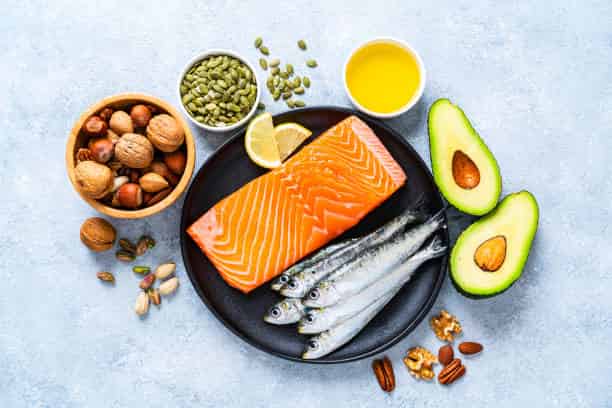
- Extra-virgin olive oil
- Avocados
- Almonds and walnuts
- Seeds (flax, chia, pumpkin)
Why It Matters
Unsaturated fats improve lipid metabolism and reduce inflammation. Eliminating trans fats alone significantly lowers cardiovascular risk.
4. Increase Omega-3 Fatty Acids
Omega-3 fatty acids (EPA and DHA) directly lower triglyceride production in the liver.
Best Food Sources
- Salmon
- Sardines
- Mackerel
- Anchovies
Aim for fatty fish at least twice weekly.
Evidence-Based Note
Prescription-strength omega-3 therapy can lower triglycerides by 20–50%, and large cardiovascular outcome trials show benefit in certain high-risk patients.
Over-the-counter supplements vary in quality and dosage—consult a physician before use.
5. Limit or Eliminate Alcohol
Alcohol is metabolized directly into triglycerides in the liver.
Even moderate intake can significantly elevate levels in susceptible individuals.
Clinical Insight
In patients with triglycerides above 200 mg/dL, reducing or eliminating alcohol often produces rapid improvement within weeks.
If triglycerides exceed 500 mg/dL, complete abstinence is strongly recommended.
6. Achieve Sustainable Weight Loss
Excess body fat—especially abdominal fat—drives insulin resistance and elevated triglycerides.
Target Goal
- Losing just 5–10% of body weight can reduce triglycerides by 20% or more.
Why It Works
Weight loss improves insulin sensitivity, reduces liver fat, and decreases triglyceride production.
Patient Example:
A 52-year-old woman with metabolic syndrome lost 15 pounds (7% body weight). Her triglycerides dropped from 310 mg/dL to 190 mg/dL within 4 months—without medication.
7. Exercise: A Powerful Natural Triglyceride Reducer
Physical activity enhances fat metabolism and improves insulin sensitivity.
Recommended Minimum
- 150 minutes per week of moderate-intensity aerobic activity
(Brisk walking, cycling, swimming)
Evidence
Regular aerobic exercise can reduce triglycerides by up to 30%, even without major weight loss.
Consistency matters more than intensity.
8. Stop Smoking
Smoking worsens lipid abnormalities and damages blood vessels.
While smoking does not directly raise triglycerides as dramatically as sugar or alcohol, quitting improves overall cardiovascular outcomes and enhances metabolic health.
9. Manage Stress and Sleep
Chronic stress elevates cortisol, which can worsen insulin resistance and lipid levels.
Helpful Strategies
- Mindfulness or yoga
- Regular physical activity
- Structured sleep schedule
- Limiting late-night screen exposure
Emerging research links poor sleep quality with higher triglycerides and metabolic dysfunction.
When Natural Methods Are Not Enough
If triglycerides remain elevated despite lifestyle changes—or if levels exceed 500 mg/dL—medical therapy may be required.
Medications may include:
- Fibrates
- Prescription omega-3 fatty acids
- Statins (especially if LDL is also elevated)
Untreated very high triglycerides can lead to acute pancreatitis, a potentially life-threatening condition.
Prevention Guidance: Long-Term Cardiovascular Protection
Lowering triglycerides is not just about lab numbers—it is about reducing long-term cardiovascular and metabolic risk.
Sustainable Prevention Strategy
Daily Habits That Protect Long-Term Health
- Follow a Mediterranean-style dietary pattern
- Avoid added sugars and ultra-processed foods
- Maintain consistent aerobic activity
- Achieve and sustain a healthy waist circumference
- Limit or eliminate alcohol
- Prioritize 7–9 hours of sleep
- Monitor lipid levels annually (or as advised)
Clinical Prevention Insight
Triglycerides often rise years before cardiovascular disease develops. Early intervention can:
- Prevent atherosclerosis progression
- Reduce need for medication
- Improve insulin sensitivity
- Lower risk of fatty liver disease
- Decrease risk of acute pancreatitis
In preventive cardiology, triglyceride management is considered a core strategy in reducing overall metabolic burden.
Frequently Asked Patient Questions
1. What causes high triglycerides?
High triglycerides are most commonly caused by:
- Excess sugar and refined carbohydrate intake
- Obesity and insulin resistance
- Poorly controlled diabetes
- Excess alcohol consumption
- Sedentary lifestyle
- Genetic lipid disorders
Triglycerides rise when the body converts excess calories into fat for storage. In clinical practice, elevated levels often signal underlying metabolic dysfunction rather than just dietary fat intake.
2. How long does it take to lower triglycerides naturally?
Triglyceride levels can begin improving within 2–4 weeks of consistent dietary and lifestyle changes.
Patients who eliminate sugary drinks and reduce refined carbohydrates often see measurable drops within one month. Significant reductions (20–50%) may occur within 8–12 weeks when combined with weight loss and exercise.
3. What foods lower triglycerides quickly?
Foods that help reduce triglycerides include:
- Fatty fish (salmon, sardines, mackerel)
- Oats and high-fiber whole grains
- Lentils and beans
- Leafy green vegetables
- Chia seeds and flaxseed
- Extra-virgin olive oil
These foods improve insulin sensitivity, reduce liver fat production, and enhance lipid metabolism.
4. Is high triglycerides more dangerous than high cholesterol?
Both are important cardiovascular risk factors.
High LDL cholesterol contributes directly to plaque formation in arteries. Elevated triglycerides often indicate metabolic syndrome and insulin resistance, which increase the risk of:
- Heart disease
- Stroke
- Fatty liver disease
- Type 2 diabetes
In modern cardiology, triglycerides are considered an important marker of overall metabolic health.
5. At what level do triglycerides become dangerous?
- Above 200 mg/dL increases cardiovascular risk
- Above 500 mg/dL significantly increases risk of acute pancreatitis
- Above 1,000 mg/dL is considered a medical emergency
Very high triglycerides require immediate medical supervision.
6. Can stress raise triglycerides?
Yes, indirectly.
Chronic stress increases cortisol levels, which can worsen insulin resistance and contribute to metabolic abnormalities, including elevated triglycerides. Poor sleep patterns may further compound this effect.
7. Do triglycerides go down with weight loss?
Yes. Losing 5–10% of body weight can reduce triglycerides by 20% or more.
Weight loss improves insulin sensitivity and decreases liver production of triglycerides.
8. Are triglycerides genetic?
Yes, in some cases.
Familial hypertriglyceridemia and other inherited lipid disorders can cause elevated levels even with a healthy lifestyle. If triglycerides remain high despite optimal habits, genetic evaluation may be warranted.
9. How quickly can triglycerides drop?
With strict dietary changes, levels may improve within 2–4 weeks.
10. Can triglycerides be lowered without medication?
Yes. Many patients normalize levels through diet, weight loss, and exercise—especially when levels are under 400 mg/dL.
11. Are triglycerides more important than cholesterol?
Both matter. Elevated triglycerides often signal insulin resistance and metabolic risk even if LDL appears normal.
A Practical 30-Day Action Plan
Week 1:
- Eliminate sugary drinks
- Walk 20–30 minutes daily
Week 2:
- Add two servings of fatty fish
- Increase vegetables at every meal
Week 3:
- Replace refined carbs with whole grains
- Reduce alcohol intake
Week 4:
- Track fiber intake
- Schedule repeat labs if advised
Clinical Takeaway
Lowering triglycerides naturally is not about one single diet trend. It is about correcting metabolic imbalance.
The most powerful interventions are:
- Reducing added sugars
- Limiting alcohol
- Losing excess weight
- Increasing aerobic activity
- Incorporating omega-3–rich foods
When implemented consistently, these changes can dramatically reduce cardiovascular risk and improve long-term health.
Final Medical Disclaimer
This article is for educational purposes and does not replace personalized medical care. If your triglyceride levels exceed 500 mg/dL—or if you have diabetes, heart disease, or a history of pancreatitis—consult a qualified healthcare professional promptly.
For individualized guidance, lab interpretation, and risk assessment, speak with your primary care physician or cardiologist.
Related Articles: