A Patient-Centered, Evidence-Informed Guide from NFH Clinic
Digestive complaints such as bloating, fatigue, food sensitivities, and brain fog are increasingly common. Many people search for answers and encounter the term “Leaky Gut Syndrome.” But what does it really mean? Is it a medical diagnosis? And more importantly—what should you do if you suspect gut issues?
At NFH Clinic, we prioritize evidence-based, preventive, and patient-centered care. This guide clarifies what science currently supports, what remains theoretical, and how to approach gut health safely and effectively.
Is “Leaky Gut Syndrome” a Real Diagnosis?
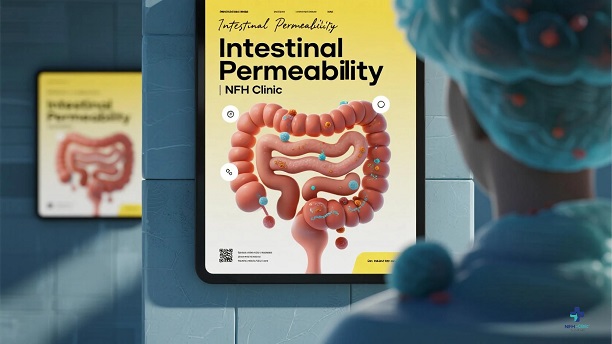
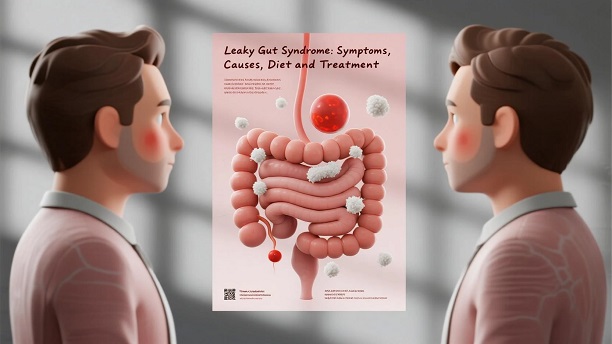
The term “Leaky Gut Syndrome” is not currently recognized as a formal medical diagnosis. However, intestinal permeability—sometimes called “hyperpermeability”—is a measurable physiological phenomenon studied in medical research.
Your intestinal lining acts as a selectively permeable barrier. It allows:
- Water
- Nutrients
- Electrolytes
to pass into your bloodstream while preventing:
- Harmful bacteria
- Toxins
- Undigested food particles
from entering circulation.
In certain medical conditions, this barrier can become compromised.
Important distinction:
In most recognized diseases, increased intestinal permeability is considered a result of inflammation—not an independent root cause.
How the Gut Barrier Works (And Why It Matters)
The intestinal barrier includes:
- Tight junction proteins between cells
- A protective mucus layer
- Immune cells in the gut lining
- A balanced microbiome
When functioning properly, this system prevents systemic inflammation. When damaged, bacterial fragments (such as endotoxins) may enter circulation and potentially contribute to immune activation.
Evidence shows increased permeability in:
- Celiac disease
- Inflammatory bowel disease (IBD)
- Severe infections
- Chronic alcohol misuse
- Chemotherapy/radiation exposure
However, evidence linking permeability alone to unrelated chronic diseases remains limited and under investigation.
Conditions Associated with Increased Intestinal Permeability
Strong Evidence Associations
- Celiac disease
- Crohn’s disease
- Ulcerative colitis
- Severe gastrointestinal infections
In these cases, permeability is usually secondary to inflammation.
Emerging or Theoretical Associations
Research is exploring possible links between permeability and:
- Metabolic disorders (obesity, type 2 diabetes)
- Liver disease
- Autoimmune conditions
- Chronic fatigue
- Fibromyalgia
Current evidence does not confirm permeability as a standalone cause of these conditions.
What Symptoms Do Patients Report?
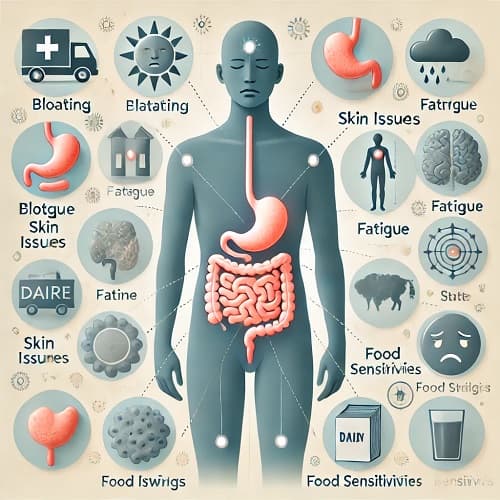
There is no symptom unique to “leaky gut.” However, patients with gut inflammation may experience:
Digestive symptoms:
- Bloating
- Diarrhea or constipation
- Abdominal discomfort
- Indigestion
Systemic symptoms sometimes reported:
- Fatigue
- Brain fog
- Food sensitivities
- Skin issues (eczema, acne)
- Joint discomfort
Important: These symptoms have many possible causes. Self-diagnosing leaky gut can delay appropriate testing.
Patient-Centered Clinical Examples
Case Example 1: Chronic Bloating and Food Sensitivity
A 38-year-old patient reports bloating, fatigue, and skin breakouts. Online research suggests “leaky gut.”
Clinical evaluation reveals:
- High stress
- Frequent NSAID use
- Irregular meals
- Possible IBS
After:
- Reducing NSAID overuse
- Implementing a structured meal plan
- Using a short-term low FODMAP approach
- Stress reduction
Symptoms improved significantly within 6–8 weeks.
Outcome: The issue was functional gut inflammation—not a distinct “leaky gut syndrome.”
Case Example 2: Undiagnosed Celiac Disease
A 45-year-old patient presents with chronic diarrhea, anemia, and fatigue.
Testing confirms celiac disease. Intestinal biopsy shows damage to the lining.
After a strict gluten-free diet:
- Gut lining begins healing
- Symptoms improve
- Nutrient levels normalize
Outcome: Increased permeability was secondary to untreated celiac disease.
What Causes Intestinal Barrier Damage?
Evidence-supported contributors include:
- Chronic inflammatory diseases (IBD, celiac disease)
- Chronic alcohol misuse
- Long-term NSAID use
- Chemotherapy or radiation therapy
- Severe infections
- Small intestinal bacterial overgrowth (SIBO)
Lifestyle factors that may aggravate gut inflammation:
- High ultra-processed food intake
- Excess sugar
- Chronic stress
- Sleep deprivation
How Is Intestinal Permeability Tested?
There is no standard clinical diagnostic test for “leaky gut syndrome.” However, research tools include:
- Lactulose/mannitol permeability testing
- Zonulin levels (interpretation remains debated)
- Stool analysis (to assess inflammation or imbalance)
- Endoscopic biopsy (in diagnosed GI disease)
At-home testing kits should always be reviewed with a qualified clinician to avoid misinterpretation.
Can You Heal a “Leaky Gut”?
If permeability is secondary to disease, treatment must focus on the underlying condition.
There is no proven standalone cure for “leaky gut syndrome.”
However, gut barrier support strategies may improve symptoms and overall digestive health.
Evidence-Informed Gut Health Plan
1. Address the Root Cause
- Screen for celiac disease if indicated
- Evaluate for IBS or SIBO
- Review medication use
- Assess alcohol intake
- Rule out inflammatory bowel disease
2. Anti-Inflammatory Nutrition
Focus on:
- Vegetables and fruits
- Whole grains (unless medically contraindicated)
- Lean proteins
- Omega-3-rich foods (fatty fish)
- Fermented foods (if tolerated)
Limit:
- Ultra-processed foods
- Excess added sugars
- Heavy alcohol use
- Highly refined carbohydrates
There is no universal requirement to eliminate gluten or dairy unless medically indicated.
3. Fiber and Prebiotics
Dietary fiber supports beneficial gut bacteria and short-chain fatty acid production, which helps maintain the intestinal barrier.
Sources include:
- Oats
- Legumes
- Vegetables
- Seeds
4. Probiotics
Some strains may help restore microbial balance, especially after antibiotic use. Evidence varies by strain and condition.
Probiotics are adjunctive—not curative.
5. Nutritional Support
Research suggests potential benefits from:
- Vitamin D (if deficient)
- Zinc (in deficiency states)
- L-glutamine (studied in limited contexts)
Supplementation should be guided by professional assessment.
6. Stress Regulation
Chronic stress affects gut motility, microbiome balance, and inflammation.
Evidence-supported approaches:
- Mindfulness
- Sleep optimization
- Regular exercise
- Cognitive behavioral strategies
Can You Heal Your Gut in 2 Weeks?
Short-term symptom improvement is possible with dietary and lifestyle changes.
However:
- Structural intestinal healing (e.g., in celiac disease) can take months.
- Chronic inflammation does not resolve overnight.
- Sustainable change matters more than rapid fixes.
Claims of “instant gut repair” lack scientific backing.
Signs Your Gut Health Is Improving
Patients often report:
- More regular bowel movements
- Reduced bloating
- Improved energy
- Fewer food reactions
- Better mental clarity
These improvements typically occur gradually over weeks to months.
Prevention Guidance: Protecting Your Gut Barrier Long-Term
At NFH Clinic, prevention is central to digestive wellness. Instead of focusing on trends, we emphasize sustainable strategies.
1. Prioritize Whole, Fiber-Rich Foods
Aim for:
- 25–38 grams of fiber daily (age and sex dependent)
- Diverse plant foods
- Fermented foods if tolerated
Fiber fuels beneficial bacteria that produce short-chain fatty acids, which support gut lining integrity.
2. Minimize Ultra-Processed Foods
Limit:
- Refined sugars
- Artificial sweeteners
- Highly processed snacks
- Industrial seed oils in excess
Whole-food patterns reduce inflammatory burden.
3. Use Medications Responsibly
Long-term or frequent use of:
- NSAIDs
- Certain antibiotics
- Excess alcohol
may compromise the gut barrier. Always review medication use with a healthcare professional.
4. Manage Chronic Stress
Implement:
- Structured sleep routines
- Moderate exercise
- Mindfulness practices
- Time-restricted work stress
Chronic cortisol elevation impacts digestion and immune regulation.
5. Protect the Microbiome During Antibiotic Use
If antibiotics are necessary:
- Complete the full course as prescribed
- Discuss probiotic timing with your clinician
- Focus on fiber-rich recovery nutrition afterward
6. Address Digestive Symptoms Early
Persistent symptoms such as:
- Ongoing bloating
- Chronic diarrhea
- Blood in stool
- Unexplained fatigue
require evaluation to prevent progression to more serious conditions.
7. Maintain Vitamin D Sufficiency
Vitamin D supports immune regulation and barrier function. Testing may be appropriate in individuals with risk factors for deficiency.
FAQs About Leaky Gut Syndrome
1. What is the difference between leaky gut and intestinal permeability?
“Leaky gut” is a popular term used online. Intestinal permeability is the scientific term describing how easily substances pass through the gut lining.
In medical research, permeability changes are measured in certain diseases like celiac disease and inflammatory bowel disease. However, “Leaky Gut Syndrome” is not recognized as a standalone diagnosis.
2. Can stress cause leaky gut?
Chronic stress may contribute to gut inflammation and alter the gut microbiome. Stress hormones can affect:
- Gut motility
- Digestive enzyme function
- Immune activity in the intestinal lining
While stress alone does not automatically cause intestinal permeability, long-term stress may worsen digestive symptoms and barrier integrity.
3. Does sugar damage the gut lining?
High intake of added sugars and ultra-processed foods may:
- Promote dysbiosis (microbial imbalance)
- Increase inflammatory signaling
- Reduce microbial diversity
Over time, these effects may contribute to gut inflammation. Moderation and whole-food dietary patterns support gut health.
4. Are food sensitivities caused by leaky gut?
Some theories suggest that increased intestinal permeability may expose the immune system to food antigens. However, most food sensitivities are multifactorial and may involve:
- Enzyme deficiencies (e.g., lactose intolerance)
- IBS-related hypersensitivity
- Immune-mediated conditions (e.g., celiac disease)
Proper testing is necessary before eliminating major food groups.
5. Is zonulin testing reliable for diagnosing leaky gut?
Zonulin is a protein involved in regulating tight junctions in the intestinal lining. Elevated zonulin levels have been observed in certain conditions.
However:
- Testing methods vary.
- Clinical interpretation is not standardized.
- It does not confirm a diagnosis of “leaky gut syndrome.”
Zonulin results should always be interpreted within clinical context.
6. Can probiotics heal leaky gut?
Some probiotic strains may support gut barrier integrity by:
- Enhancing tight junction function
- Reducing inflammation
- Balancing harmful bacteria
However, probiotics are supportive tools—not cures—and their effectiveness depends on strain selection and the underlying condition.
7. How long does it take to repair the gut lining?
Healing timelines depend on the underlying cause:
- Mild inflammation: weeks to months
- Celiac disease: 6–24 months for full intestinal recovery
- IBD: varies depending on disease control
Consistent dietary and lifestyle changes improve outcomes.
8. Can children develop intestinal permeability issues?
Children with:
- Celiac disease
- Food allergies
- Chronic infections
- Inflammatory bowel disease
may experience barrier dysfunction. Pediatric evaluation is essential before dietary restrictions are implemented.
9. Does alcohol worsen gut permeability?
Chronic alcohol use is strongly associated with:
- Disruption of tight junction proteins
- Increased endotoxin absorption
- Liver inflammation
Reducing or eliminating alcohol intake supports gut and liver health.
10. Is a gluten-free diet necessary for gut healing?
Only individuals with:
- Celiac disease
- Non-celiac gluten sensitivity (diagnosed)
require strict gluten avoidance. For others, unnecessary elimination may reduce fiber intake and microbiome diversity.
11. What is the best diet for gut health?
Research supports:
- Mediterranean-style dietary patterns
- High-fiber whole foods
- Omega-3 fatty acids
- Polyphenol-rich fruits and vegetables
These dietary patterns reduce inflammation and support microbiome diversity.
12. Can leaky gut cause weight gain?
There is ongoing research exploring links between:
- Gut microbiome imbalance
- Metabolic inflammation
- Insulin resistance
While intestinal permeability may play a role in metabolic signaling, weight gain is influenced by multiple factors including diet, activity level, sleep, and hormones.
13. Is leaky gut scientifically proven?
Intestinal permeability is real and measurable. “Leaky gut syndrome” as a standalone diagnosis is not officially recognized.
14. Can leaky gut cause autoimmune disease?
Some studies show associations between barrier dysfunction and autoimmune activity, but causation is not fully established.
15. Should everyone go gluten-free?
No. Gluten elimination is medically necessary for celiac disease and certain sensitivities, but unnecessary restriction may reduce dietary diversity.
16. Are stool tests reliable for diagnosing leaky gut?
They can provide useful information about inflammation and microbiome balance but do not definitively diagnose permeability disorders.
17. When should I see a healthcare provider?
Seek medical evaluation if you experience:
- Persistent diarrhea
- Blood in stool
- Unexplained weight loss
- Chronic fatigue
- Nutritional deficiencies
Clinical Bottom Line
Many people experience vague digestive symptoms and search for answers. While intestinal permeability is a real biological phenomenon, the broader concept of “Leaky Gut Syndrome” remains scientifically debated.
Most patients improve when:
- The underlying cause is identified
- Diet quality improves
- Stress is managed
- Medication use is optimized
- Evidence-based strategies are applied
At NFH Clinic, our approach emphasizes preventive care, structured evaluation, and sustainable lifestyle interventions—rather than quick-fix trends.
If you are experiencing ongoing digestive symptoms, consult a qualified healthcare professional for individualized assessment.
Related Articles: