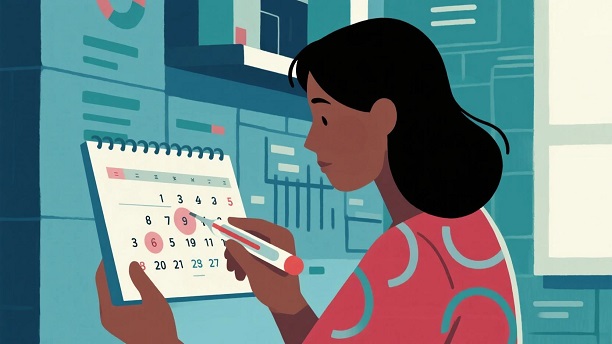
Understanding your menstrual cycle is one of the most powerful ways to take control of your reproductive health. Your cycle is more than just your period — it reflects hormone balance, stress levels, nutrition, and overall well-being.
At NFH Clinic, we encourage women and teens to track their cycles not only for pregnancy planning, but also to detect early health changes.
“Your menstrual cycle is a monthly health report. When you track it, you notice patterns early and can prevent bigger problems.”
— Dr. McLee Tembo
What Does “Tracking Your Menstrual Cycle” Mean?
Menstrual cycle tracking means recording details about your period and symptoms each month to understand your body’s natural rhythm.
A cycle is counted from:
Day 1 = First day of menstrual bleeding
to
The day before the next period starts
This full time span is your cycle length.
Why Tracking Your Cycle Is Important
Many people only track their period dates. However, proper cycle tracking helps you:
- Predict your next period
- Identify your fertile window
- Understand PMS patterns
- Detect hormonal imbalances early
- Notice changes caused by stress, illness, or lifestyle
- Provide accurate information to your doctor
What Is a Normal Menstrual Cycle?
Healthy cycles vary from person to person.
| Factor | Typical Range |
|---|---|
| Cycle length | 24–38 days |
| Period duration | 2–7 days |
| Ovulation timing | About 14 days before the next period |
| Flow pattern | Light, medium, or heavy (varies) |
A perfect 28-day cycle is not required to be healthy.
Step-by-Step: How to Track Your Menstrual Cycle
1. Record Day 1 of Your Period
Mark the first day of full bleeding (not spotting). This is the start of a new cycle.
2. Mark the Last Day of Bleeding
This helps you track period duration.
3. Calculate Cycle Length
Count the number of days from Day 1 of one period to the day before the next one begins.
Methods for Tracking Your Cycle
Calendar Method (Paper or Digital)
This simple method works well.
- Mark period start and end dates
- Do this for at least 3–6 months
- Look for patterns in timing
Best for: Basic awareness and routine tracking.
Mobile Apps
Apps like Flo, Clue, and Cycles help record:
- Period dates
- Symptoms
- Mood changes
- Ovulation predictions
These tools use your data to estimate future cycles. However, predictions are estimates, not guarantees.
Best for: Convenience and long-term pattern recognition.
Basal Body Temperature (BBT)
Take your temperature every morning before getting out of bed.
After ovulation, body temperature rises slightly (about 0.3–0.5°C).
Important note: BBT confirms ovulation after it has already happened. It does not predict it.
Best for: Those trying to conceive.
Ovulation Predictor Kits (LH Strips)
These urine tests detect the luteinizing hormone (LH) surge, which happens 24–36 hours before ovulation.
Best for: Identifying your most fertile days.
What You Should Log Each Month
To get meaningful health insights, track more than dates.
| What to Track | Why It Matters |
|---|---|
| Start date | Defines cycle length |
| End date | Shows period duration |
| Flow intensity | Detects heavy or abnormal bleeding |
| Cramps or pain | Can indicate hormonal or uterine issues |
| Mood changes | Linked to hormone fluctuations |
| Headaches | May relate to estrogen changes |
| Acne or skin changes | Reflect hormone balance |
| Breast tenderness | Often tied to ovulation or PMS |
| Unusual discharge | May indicate infection |
| Energy levels | Hormones influence fatigue |
Signs Your Cycle Is Healthy
Your cycle is likely healthy if:
- It comes regularly (within a few days of expected time)
- Pain is mild and manageable
- Flow is not excessively heavy
- Symptoms follow a pattern
When to See a Healthcare Professional
Consult a doctor if you experience:
- Cycles shorter than 24 days or longer than 44 days
- Periods lasting more than 8 days
- Severe pain that stops daily activities
- Very heavy bleeding (soaking a pad every 1–2 hours)
- Missed periods (not pregnant)
- Bleeding between periods
- Sudden cycle changes
“Irregular cycles are often the first signal that something in the body needs attention — stress, hormones, thyroid health, or nutrition.”
— Dr. McLee Tembo
Common Mistakes People Make When Tracking
- Only tracking period dates, not symptoms
- Stopping tracking after one month
- Relying on app predictions without personal observation
- Ignoring cycle changes caused by stress, travel, or illness
How Long Should You Track?
Track for at least 3–6 months to see patterns. Long-term tracking provides the best health insight.
Menstrual Cycle Tracking Questions
1. How do I start tracking my menstrual cycle?
Start by marking the first day of bleeding as Day 1. Record your period start date, end date, symptoms, and flow each month. Track for at least 3–6 months to see patterns.
2. What is a normal menstrual cycle length?
A normal cycle lasts between 24 and 38 days. Period bleeding usually lasts 2–7 days. A 28-day cycle is common but not required for good health.
3. When does ovulation happen in a cycle?
Ovulation typically occurs about 14 days before your next period starts, not necessarily on Day 14. This varies depending on your cycle length.
4. What is the best way to track ovulation?
Ovulation predictor kits (LH strips) help detect the hormone surge before ovulation. Basal body temperature tracking confirms ovulation after it occurs.
5. Are period tracking apps accurate?
Apps like Flo and Clue are helpful for identifying patterns, but predictions are estimates. Your body signs and symptoms are equally important.
6. What symptoms should I track during my cycle?
Track cramps, mood changes, headaches, acne, breast tenderness, energy levels, and unusual discharge. These give insight into hormone balance and overall health.
7. How long should I track my menstrual cycle?
Track for at least 3–6 months. Longer tracking gives better insight into your body’s patterns.
8. When should I see a doctor about my cycle?
See a healthcare professional if cycles are shorter than 24 days, longer than 44 days, very painful, extremely heavy, irregular, or if you miss periods without pregnancy.
Final Thoughts
Your menstrual cycle is a vital sign of your health. When you track it consistently, you learn your body’s signals and can act early if something changes.
At NFH Clinic, we believe informed women make stronger health decisions.
Related Articles: