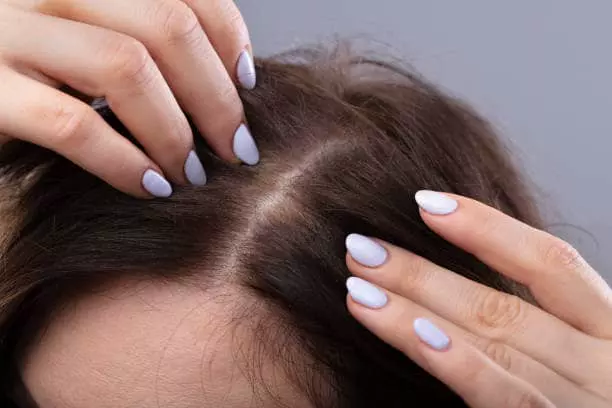
Rice water has become a widely discussed natural remedy for improving hair strength, shine, and overall health. While it is not a miracle cure for hair loss, there is growing interest in its potential role as a supportive hair care treatment.
This guide explains how to make rice water safely, how to use it properly, what science actually says, and what real users may expect based on clinical observations and available evidence.
What Is Rice Water?
Rice water is the starchy liquid left behind after soaking or boiling rice. It contains small amounts of:
- Amino acids (building blocks of hair protein)
- Inositol (a carbohydrate linked to hair repair)
- Antioxidants
- Trace vitamins and minerals
These compounds may help protect hair fibers from damage and improve surface smoothness.
Historically, rice water has been used in countries such as China, Japan, and Southeast Asia. The most frequently cited example is the women of Huangluo Village in China, known for maintaining long hair into older age.
However, it is important to understand that genetics, overall nutrition, and lifelong hair care practices also play a major role in their outcomes.
What Does Science Actually Say About Rice Water?
Evidence-Based Findings
One frequently cited laboratory study published in the International Journal of Cosmetic Science found that inositol in rice water may penetrate damaged hair and improve elasticity while reducing friction.
This suggests rice water may help:
- Reduce hair breakage
- Improve smoothness
- Increase shine
However:
- There is no strong clinical evidence proving rice water directly stimulates new hair growth from follicles
- Most benefits relate to strengthening existing hair and preventing breakage
This distinction is important.
Hair appears longer over time because it breaks less — not because it grows faster.
Patient-Centered Clinical Examples from Preventive Care Practice
Case Example 1: Breakage Reduction in Protective Hairstyling
A 32-year-old female patient using braids reported excessive hair breakage after removing protective styles.
After using rice water rinse once weekly for 8 weeks:
Outcome observed:
- Reduced breakage during combing
- Improved softness
- No scalp irritation
Hair growth rate itself did not change significantly, but hair retention improved.
Case Example 2: Dry and Fragile Hair After Illness
A 45-year-old male recovering from nutritional deficiency reported brittle hair.
After combining:
- Improved diet
- Medical correction of deficiencies
- Rice water use twice monthly
Outcome observed:
Hair strength improved.
This highlights an important clinical principle:
Rice water works best as a supportive treatment — not a replacement for medical care.
Benefits of Rice Water for Hair (Evidence-Supported)
Rice water may help:
1. Reduce Hair Breakage
Stronger hair strands break less, allowing hair to grow longer over time.
2. Improve Hair Smoothness
Rice water may reduce surface friction, making hair easier to manage.
3. Improve Shine and Appearance
Hair appears healthier due to improved cuticle alignment.
4. Improve Hair Elasticity
Elastic hair is less prone to snapping.
What Rice Water Does NOT Do
It does not:
- Cure baldness
- Regrow hair in areas of follicle loss
- Replace medical treatment for hair loss conditions
Conditions such as:
- Alopecia
- Hormonal hair loss
- Thyroid disorders
require medical evaluation.
How to Make Rice Water for Hair Growth Safely (Step-by-Step)
There are three safe preparation methods.
Method 1: Soaking Method (Recommended for Beginners)
Ingredients
- ½ cup uncooked rice
- 2–3 cups clean water
Instructions
- Rinse rice thoroughly to remove dirt and contaminants
- Place rice in bowl
- Add water
- Soak for 30–60 minutes
- Strain liquid into clean container
Rice water is ready.
Method 2: Boiling Method (Lower Infection Risk)
This method reduces microbial contamination risk.
Instructions
- Cook rice in excess water
- Strain excess water
- Allow to cool before use
Method 3: Fermented Rice Water (Use With Caution)
Fermentation increases antioxidant content.
However, it may also:
- Irritate scalp
- Cause odor
- Increase protein concentration
Instructions
- Prepare using soaking method
- Leave at room temperature for 24 hours
- Refrigerate to stop fermentation
Always dilute fermented rice water before use.
How to Apply Rice Water to Hair Properly
Step 1: Wash Hair First
Clean scalp improves absorption.
Step 2: Apply Rice Water
Pour onto:
- Hair
- Scalp
Massage gently.
Step 3: Leave for 10–20 Minutes
Do not exceed 30 minutes.
Step 4: Rinse Thoroughly
Step 5: Apply Conditioner
This restores moisture balance.
How Often Should You Use Rice Water?
Recommended frequency:
- Once per week for most people
- Maximum twice weekly
Overuse may cause:
- Dryness
- Protein overload
- Hair stiffness
When Results May Be Noticeable
Typical timeframe:
4 to 8 weeks
Expected changes:
- Less breakage
- Improved texture
- Increased shine
Not instant hair growth.
Safety Considerations and Risks
Rice water is generally safe, but precautions are important.
Risk 1: Protein Overload
Symptoms:
- Dry hair
- Stiffness
- Breakage
Solution:
Reduce frequency.
Risk 2: Scalp Irritation
Stop use if you notice:
- Burning
- Itching
- Rash
Risk 3: Microbial Contamination
Always:
- Store in refrigerator
- Discard after 5–7 days
Risk 4: Not Suitable for Certain Scalp Conditions Without Medical Advice
Consult a professional if you have:
- Psoriasis
- Severe dandruff
- Infections
- Hair loss disorders
Evidence-Based Dermatology Note
Hair growth depends mainly on:
- Genetics
- Nutrition
- Hormones
- Medical conditions
Rice water cannot override these biological factors.
Patient-Centered Preventive Care Perspective (NFH Clinic)
At NFH Clinic, preventive care focuses on addressing root causes.
Hair health reflects internal health.
Patients experiencing hair loss should be evaluated for:
- Iron deficiency
- Thyroid disorders
- Hormonal imbalance
- Nutritional deficiencies
- Stress-related hair loss
Rice water may support hair strength but should not delay medical assessment when needed.
Who May Benefit Most from Rice Water
Rice water may be helpful for:
- Hair breakage
- Dry hair
- Damaged hair from heat styling
- Chemically treated hair
Less effective for:
- Genetic baldness
- Advanced hair loss conditions
Best Type of Rice to Use
Safer options include:
- Basmati rice
- Jasmine rice
- Organic rice
These may contain fewer contaminants.
How to Store Rice Water Safely
Store in refrigerator.
Use within:
5–7 days
Discard if smell becomes unpleasant.
Expected Results Summary
Possible improvements:
- Stronger hair
- Less breakage
- Improved shine
Not guaranteed:
- Faster hair growth
- New follicle formation
Prevention Tips: How to Support Healthy Hair Growth Naturally
Rice water can support hair strength, but long-term hair health depends on overall preventive care.
At NFH Clinic, preventive strategies focus on addressing root causes.
1. Maintain Proper Nutrition
Hair requires adequate nutrients.
Important nutrients include:
- Iron
- Protein
- Zinc
- Vitamin D
- Biotin
Nutritional deficiencies are a common cause of hair loss.
2. Manage Stress Levels
Chronic stress can trigger hair shedding.
Preventive strategies include:
- Regular exercise
- Adequate sleep
- Stress management techniques
3. Avoid Excessive Heat Styling
Frequent use of:
- Hair dryers
- Straighteners
- Curling irons
can damage hair.
4. Avoid Tight Hairstyles
Tight braids or styles can cause traction hair loss.
Choose protective styles carefully.
5. Treat Scalp Conditions Early
Conditions such as:
- Dandruff
- Fungal infections
- Inflammation
can weaken hair.
Early treatment prevents complications.
6. Maintain Overall Health
Hair health reflects internal health.
Preventive health screening helps identify:
- Thyroid disorders
- Hormonal imbalance
- Nutritional deficiencies
7. Use Gentle Hair Care Practices
Avoid:
- Harsh chemicals
- Overwashing
- Aggressive brushing
Gentle care preserves hair strength.
Frequently Asked Questions (FAQs)
1. Can rice water regrow hair on bald spots?
Rice water cannot regrow hair on bald areas where hair follicles are no longer active. It may help strengthen existing hair and reduce breakage, which can make hair appear thicker over time. Hair loss caused by genetics, hormonal imbalance, or medical conditions requires proper medical evaluation and treatment.
2. How long does it take to see results from rice water on hair?
Most people notice improvements in hair softness and reduced breakage within 4 to 8 weeks of consistent use. However, visible length changes may take several months because hair grows slowly, typically about 1 to 1.5 cm per month.
3. Is rice water safe for long-term use?
Yes, rice water is generally safe when used in moderation, such as once per week. Excessive use may cause protein buildup, dryness, or stiffness. Always monitor how your hair responds and adjust frequency accordingly.
4. Does rice water help with hair thinning?
Rice water may help reduce hair thinning caused by breakage, but it does not treat thinning caused by hormonal changes, aging, or medical conditions. If hair thinning continues, medical screening is recommended.
5. Should rice water be used on the scalp or hair only?
Rice water can be applied to both the scalp and hair. Gentle scalp massage may improve circulation, while applying it to hair strands helps improve strength and elasticity.
6. Can rice water cause hair damage?
Rice water is safe for most people. However, overuse can lead to:
- Hair dryness
- Stiff texture
- Protein overload
Proper use and conditioning afterward help prevent these issues.
7. Is fermented rice water better than regular rice water?
Fermented rice water contains higher antioxidant levels but may irritate sensitive scalps. Beginners should start with regular rice water and only use fermented versions cautiously.
8. Can rice water help with dandruff?
Rice water may temporarily improve scalp condition due to its soothing properties. However, dandruff is often caused by fungal overgrowth and may require medical treatment.
9. Which type of rice is best for hair growth?
Most types of rice work, but safer options include:
- Basmati rice
- Jasmine rice
- Organic rice
These may contain fewer contaminants.
10. Can rice water be left overnight?
Leaving rice water overnight is not recommended. This increases risk of scalp irritation and protein overload. Limit application to 10–20 minutes.
11. Is rice water safe for chemically treated or colored hair?
Yes, rice water may help strengthen chemically treated hair. However, avoid overuse, and always follow with a conditioner.
12. Can rice water help postpartum hair loss?
Rice water may improve hair strength, but postpartum hair loss is caused by hormonal changes and usually resolves naturally. Persistent loss should be evaluated by a healthcare professional.
13. Is rice water safe for children?
Occasional use is generally safe, but children with scalp conditions should be evaluated by a health professional before using home remedies.
14. Does rice water work for all hair types?
Rice water may benefit most hair types, including:
- Natural hair
- Curly hair
- Straight hair
- Chemically treated hair
Frequency should be adjusted based on individual response.
15. When should you stop using rice water?
Stop use if you experience:
- Scalp irritation
- Increased hair dryness
- Hair stiffness
Consult a professional if symptoms persist.
16. Does rice water regrow hair?
No. It helps strengthen existing hair but does not regrow lost follicles.
17. Can rice water help with hair loss?
It may reduce breakage-related hair loss.
Medical causes require proper treatment.
18. Is rice water safe for all hair types?
Generally yes, but frequency should be adjusted based on response.
19. How long should rice water stay on hair?
10 to 20 minutes.
20. Can rice water damage hair?
Overuse may cause dryness or stiffness. Moderation is key.
Final Medical Perspective from NFH Clinic
Rice water is a low-cost supportive hair care option that may improve hair strength and appearance. However, it is not a medical treatment for hair loss. Persistent hair problems should be evaluated by a qualified health professional. Hair health is often a reflection of overall health. Addressing underlying causes is the most effective long-term solution.
Related Articles: