OVERVIEW — Clinically Reviewed by NFH Clinic
Stinging nettle (Urtica dioica) is a medicinal plant widely studied for its potential benefits in prostate health, anti-inflammatory support, hair loss management, and blood sugar regulation. Clinical research suggests that nettle root extract may help reduce lower urinary tract symptoms (LUTS) associated with benign prostatic hyperplasia (BPH) by influencing sex hormone binding and inflammatory pathways. Evidence also indicates anti-inflammatory effects, with possible benefits in joint pain and allergic rhinitis.
Emerging studies and traditional use link nettle to hair health support, possibly through DHT modulation and scalp inflammation reduction, although robust clinical trials remain limited. Preliminary data suggests nettle may assist with glucose metabolism, but it should not replace prescribed diabetes treatment.
Safety considerations: Stinging nettle is generally well tolerated when standardized extracts are used appropriately. Possible side effects include gastrointestinal discomfort, skin irritation, and potential drug interactions (notably with anticoagulants, antihypertensives, and antidiabetic medications).
Clinical perspective: Benefits appear most consistent for BPH symptom support and inflammation modulation. Effects on hair loss and blood sugar require further high-quality trials.
QUICK FACTS — Stinging Nettle (Urtica dioica)
Primary Uses Studied
• Prostate health (BPH symptom relief)
• Anti-inflammatory & joint support
• Allergy symptom support
• Adjunctive metabolic support
What Clinical Evidence Suggests
✔ May reduce urinary symptoms in BPH
✔ Demonstrates anti-inflammatory properties
✔ Possible benefit for allergic rhinitis
⚠ Limited evidence for hair loss & glycemic control
Mechanisms of Action (Proposed)
• Modulation of inflammatory mediators
• Interaction with sex hormone binding
• Antioxidant activity
• Potential DHT pathway influence
Potential Side Effects
• Mild GI upset
• Skin rash/irritation
• Rare allergic reactions
Drug Interaction Cautions
⚠ Blood thinners (anticoagulants/antiplatelets)
⚠ Blood pressure medication
⚠ Diabetes medication (hypoglycemia risk)
Who Should Seek Medical Advice First
• Patients with prostate conditions
• Pregnant/breastfeeding individuals
• Those on chronic medication
• Individuals with kidney or cardiovascular disease

Stinging Nettle Benefits, Side Effects, and Clinical Evidence: A Physician-Level Guide
Stinging nettle (Urtica dioica) is no longer just a traditional herbal remedy—it is now widely studied for its potential role in benign prostatic hyperplasia (BPH), chronic inflammation, arthritis, seasonal allergies, blood sugar regulation, and hair loss linked to DHT.
As interest in natural anti-inflammatory supplements, prostate health support, and plant-based metabolic therapies continues to grow, stinging nettle has emerged as one of the most researched medicinal herbs in integrative medicine.
But does it actually work?
In this medically reviewed guide, we examine:
- Evidence-backed benefits
- Clinical limitations
- Drug interactions
- Safety concerns
- Real patient examples
- What outcomes you can realistically expect
If you are considering stinging nettle as part of your wellness plan, this guide will help you make an informed, medically sound decision.
Who May Benefit from Stinging Nettle?
Stinging nettle may be appropriate for adults who:
- Experience mild-to-moderate urinary symptoms from benign prostatic hyperplasia (BPH)
- Have inflammatory joint discomfort
- Seek natural adjunct support for seasonal allergies
- Are managing early-stage metabolic syndrome or type 2 diabetes (with supervision)
- Prefer plant-based supplements alongside conventional care
It is not a substitute for prescription therapy in moderate-to-severe disease but may function as complementary support when guided by a healthcare provider.
What Is Stinging Nettle?
Stinging nettle (Urtica dioica) is a perennial plant native to Europe, Asia, and North America. Its leaves contain fine hairs that inject histamine and other irritants when touched, causing a temporary burning sensation. However, once dried, cooked, or extracted, the sting is neutralized.
In clinical herbal medicine, the following parts are used:
- Leaf – commonly for allergies, inflammation, and nutritional support
- Root – most studied for prostate health (BPH)
- Stem and whole plant extracts – used in supplements
Importantly, the root and leaf have different pharmacological effects, a detail often overlooked in commercial wellness articles.
Nutritional and Phytochemical Profile
Stinging nettle contains:
Vitamins
- Vitamin A
- Vitamin C
- Vitamin K
- Several B vitamins
Minerals
- Iron
- Calcium
- Magnesium
- Potassium
Bioactive Compounds
- Flavonoids (including quercetin)
- Polyphenols
- Lignans (particularly in root extracts)
- Plant sterols
- Lectins
These compounds are believed to contribute to anti-inflammatory, antioxidant, and hormone-modulating effects.
Health Benefits of Stinging Nettle
1. Stinging Nettle for Inflammation and Joint Pain
Chronic inflammation plays a central role in:
- Osteoarthritis
- Rheumatoid arthritis
- Autoimmune disorders
- Cardiometabolic disease
Laboratory and small human studies show that nettle leaf extract may suppress inflammatory cytokines and NF-kB activation.
Clinical Interpretation
It may help reduce reliance on NSAIDs in some patients, particularly those with:
- Mild osteoarthritis
- Chronic joint stiffness
- NSAID intolerance
Real-World Example
A 58-year-old woman with knee osteoarthritis experienced mild symptom improvement and reduced ibuprofen use after 8 weeks of adjunctive nettle supplementation.
It should not replace disease-modifying therapies in autoimmune arthritis.
2. Stinging Nettle and Prostate Health (Benign Prostatic Hyperplasia)
One of the most clinically studied uses of stinging nettle root is for benign prostatic hyperplasia (BPH)—a non-cancerous enlargement of the prostate gland affecting men over age 50.
How It May Work
Stinging nettle root appears to:
- Interfere with dihydrotestosterone (DHT) activity
- Modulate sex hormone-binding globulin (SHBG)
- Reduce inflammation within prostate tissue
Unlike prescription 5-alpha reductase inhibitors, it does not dramatically shrink the prostate but may reduce urinary symptoms.
Evidence Summary
Several randomized trials suggest that standardized nettle root extract may improve:
- Urinary frequency
- Nocturia (nighttime urination)
- Urine flow rate
- Incomplete bladder emptying
Patient Case Example
A 61-year-old male with mild BPH symptoms declined prescription therapy due to concerns about sexual side effects. After 12 weeks of standardized nettle root extract:
- Night urination decreased from 4 times to 2
- Improved urinary flow
- No reported erectile dysfunction
This illustrates its role as an adjunct—not a replacement—for urologic management.
3. Seasonal Allergies (Allergic Rhinitis)
Level of evidence: Limited but promising
Nettle leaf contains quercetin and other compounds that may inhibit histamine release.
Some small trials suggest:
- Reduced sneezing
- Decreased nasal itching
- Mild symptom relief
However, evidence is not as strong as conventional antihistamines.
Practical Consideration
Best used:
- As adjunct therapy
- Early in allergy season
- In patients preferring botanical support
Patients on sedating antihistamines may appreciate that nettle does not typically cause drowsiness.
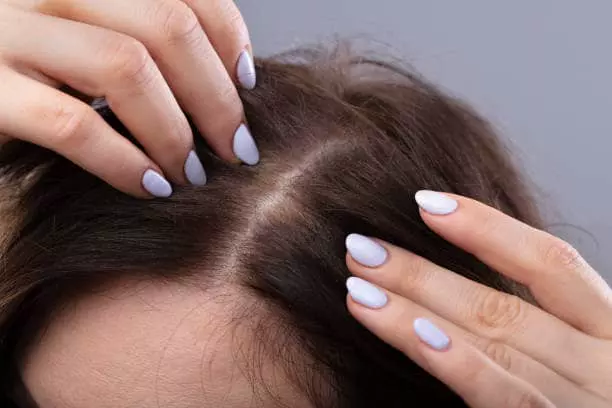
4. Hair Loss and DHT Modulation
Claims that nettle blocks DHT are based largely on laboratory data and theoretical mechanisms.
While it is included in many hair growth products, strong clinical trials proving effectiveness for androgenetic alopecia are lacking.
Realistic Patient Expectation
If a patient with genetic hair thinning uses nettle shampoo alone, significant regrowth is unlikely. However, it may:
- Improve scalp health
- Reduce inflammation
- Support overall hair environment
It should not replace FDA-approved treatments like minoxidil without discussion with a healthcare professional.
5. Blood Sugar Regulation
Level of evidence: Emerging but not conclusive
Some small human studies suggest nettle may:
- Lower fasting blood glucose
- Improve insulin sensitivity
However, effects are modest.
Clinical Risk
Patients taking:
- Insulin
- Metformin
- Sulfonylureas
Should monitor blood glucose carefully to avoid hypoglycemia.
6. Skin Health (Eczema, Acne, Psoriasis)
Nettle’s anti-inflammatory and antimicrobial properties may provide supportive benefit, particularly when used topically.
Evidence remains limited, but anecdotal reports and traditional use are common.
Stinging Nettle: Danger Myths vs Medical Facts
Medical Reality vs Online Herbal Marketing Claims
Stinging nettle is often promoted on wellness websites as a near-universal natural cure. However, evidence-based medicine requires separating traditional use, laboratory findings, and proven clinical outcomes.
Below are the most common myths compared with medically supported facts.
Myth 1: Stinging Nettle Can Replace All Arthritis Medications
Medical Fact: Partially false.
While stinging nettle may reduce mild inflammation and support joint comfort, it does not replace disease-modifying medications for inflammatory arthritis conditions such as rheumatoid arthritis.
Clinical Explanation
- Nettle may inhibit inflammatory cytokines in laboratory models
- However, it does not stop autoimmune joint damage progression
Patient Safety Guidance
Patients with autoimmune arthritis should continue prescribed therapy unless advised otherwise by a rheumatologist.
Myth 2: Stinging Nettle Is Completely Safe Because It Is Natural
Medical Fact: False.
Natural does not automatically mean safe. Stinging nettle can still cause adverse effects.
Potential Side Effects Include:
- Gastrointestinal discomfort
- Skin rash or allergic reactions
- Changes in blood pressure
- Increased urination
High-risk populations should use nettle only under medical supervision.
Myth 3: Stinging Nettle Can Cure Prostate Enlargement
Medical Fact: False.
Stinging nettle root may help reduce urinary symptoms but does not cure prostate enlargement.
Clinical Interpretation
Nettle may:
- Reduce inflammation in prostate tissue
- Improve urinary flow symptomatically
But:
- It does not eliminate prostate tissue growth
- It is not a replacement for urologic treatment
Severe urinary retention remains a medical emergency requiring evaluation.
Myth 4: Stinging Nettle Is the Best Natural Hair Loss Treatment
Medical Fact: Partially unsupported.
While nettle contains compounds that may influence DHT metabolism, clinical evidence for hair regrowth is weak.
What Is Supported:
- Improved scalp circulation
- Nutritional support for hair follicles
What Is Not Proven:
- Significant reversal of genetic hair loss
FDA-approved therapies remain the standard for androgenetic alopecia.
Myth 5: Stinging Nettle Can Replace Diabetes Medication
Medical Fact: Dangerous misconception.
Some studies show nettle may modestly improve insulin sensitivity, but effects are not strong enough to control diabetes alone.
Diabetes Risk Warning
Stopping diabetes medication without medical supervision can lead to:
- Hyperglycemia
- Diabetic complications
- Emergency metabolic imbalance
Always monitor blood glucose levels when using herbal supplements.
Myth 6: You Can Consume Unlimited Amounts of Stinging Nettle
Medical Fact: False and potentially harmful.
Excessive consumption may cause:
- Electrolyte imbalance due to diuretic effects
- Drug interaction complications
- Blood pressure fluctuations
Follow recommended dosing guidelines.
Evidence-Based Clinical Perspective
Current research suggests stinging nettle is best classified as:
- Supportive herbal therapy
- Adjunct integrative medicine option
- Symptom management aid
Not:
- Primary disease treatment
- Replacement for prescription medicine
Most high-quality studies remain small-scale, and more large randomized clinical trials are needed.
When Stinging Nettle Should Be Used Cautiously
Consult a healthcare provider before use if you have:
- Chronic kidney disease
- Heart disease
- Autoimmune disorders
- Pregnancy or breastfeeding status
- Multiple prescription medications
Medication interaction risk increases with polypharmacy.
Evidence-Based Medical Bottom Line
Stinging nettle is a promising but limited-support herbal supplement. It may provide symptom relief for certain conditions but does not replace standard medical treatment.
Responsible medical use involves:
- Evidence-based dosing
- Physician consultation
- Monitoring health markers during use
High-Authority Clinical Takeaway
The safest approach is to view stinging nettle as part of an integrative health strategy, not a standalone therapy.
Modern medicine + carefully selected herbal support often produces the best patient outcomes.
How to Use Stinging Nettle Safely
Forms available:
- Tea (leaf)
- Capsules/tablets (standardized extract)
- Tinctures
- Topical creams
- Root extracts for prostate support
- Cooked fresh leaves (nutritional use)
Typical Clinical Dosage Ranges
- Leaf extract: 300–600 mg daily (standardized)
- Root extract (BPH): 300–600 mg daily
- Tea: 1–2 cups daily
Dosing should be individualized.
Precautions and Side Effects
Stinging nettle is generally well tolerated, but possible side effects include:
- Mild stomach upset
- Increased urination
- Sweating
- Skin rash
Drug Interactions
Use caution if taking:
- Blood pressure medications
- Diabetes medications
- Diuretics
- Anticoagulants (due to vitamin K content)
- Lithium
Special Populations
Avoid or use only under medical supervision if:
- Pregnant
- Breastfeeding
- Diagnosed kidney disease
- Taking multiple prescription medications
Safety, Drug Interactions, and Who Should Avoid Stinging Nettle
Although generally well tolerated, stinging nettle may interact with:
- Blood pressure medications
- Diabetes medications (risk of hypoglycemia)
- Diuretics
- Anticoagulants (due to vitamin K content)
- Lithium
Avoid without supervision if you:
- Are pregnant or breastfeeding
- Have chronic kidney disease
- Take multiple prescription medications
Medical consultation is strongly advised before beginning any herbal supplement.
Frequently Asked Questions
Can Stinging Nettle Replace Prescription Prostate Medication?
No. Stinging nettle cannot replace prescription medications for prostate conditions such as moderate or severe benign prostatic hyperplasia (BPH). It may only be considered as adjunct supportive therapy under medical supervision.
Prescription medications such as alpha-blockers and 5-alpha reductase inhibitors work through well-established pharmacological pathways to improve urine flow and reduce prostate enlargement. Stinging nettle may provide modest symptom relief by reducing inflammation and possibly influencing hormone activity, but it does not significantly shrink prostate tissue.
Clinical Guidance
Patients should not discontinue prescribed prostate medications without consulting their doctor. Sudden discontinuation may worsen urinary obstruction symptoms.
Patient Example
A 64-year-old man with moderate BPH symptoms attempted to replace his prescription medication with herbal therapy alone. Within several weeks, he experienced worsening nocturia and urinary hesitancy, requiring resumption of medical treatment. This reflects real-world clinical caution regarding herbal substitution.
Is Stinging Nettle Safe for Diabetics?
Stinging nettle may be used cautiously by people with diabetes, but monitoring is essential because it may lower blood sugar levels.
Some studies suggest nettle may improve insulin sensitivity and reduce fasting glucose, but the effect is typically mild to moderate, not strong enough to replace standard diabetes management.
Important Safety Considerations for Diabetics
- Monitor blood glucose frequently when starting nettle supplements
- Watch for signs of hypoglycemia:
- Dizziness
- Sweating
- Shakiness
- Confusion
Patients using insulin or sulfonylurea medications should be especially careful because combined effects could lower blood sugar too much.
Clinical Perspective
Stinging nettle is best used as metabolic support, not primary therapy for diabetes control.
How Long Does Stinging Nettle Take to Work?
The onset of effects depends on the condition being treated and the dosage form used.
Typical Timeframes
| Condition | Expected Time to Notice Effects |
|---|---|
| Allergy symptoms | 2–7 days |
| Joint inflammation | 3–8 weeks |
| Prostate symptom support | 6–12 weeks |
| Hair and scalp health | 2–4 months (if improvement occurs) |
| Blood sugar support | Several weeks |
Medical Reality Check
Herbal therapies usually work gradually because they support biological regulation rather than producing rapid pharmacologic effects like prescription drugs.
Consistency is essential for meaningful outcomes.
What Is the Best Form of Stinging Nettle Supplement?
The best form depends on your health goal.
1. Stinging Nettle Root Extract (Best for Prostate Health)
- Most clinically studied for BPH symptom relief
- Look for standardized extracts
- Typical dose: 300–600 mg daily
Best choice for: urinary symptoms and prostate support.
2. Stinging Nettle Leaf Extract (Best for Inflammation and Allergies)
- Rich in antioxidants and quercetin
- Often used for seasonal allergy relief
Best choice for: inflammation and immune support.
3. Nettle Tea (Best for General Wellness)
- Gentle but lower concentration of active compounds
- Good for long-term daily hydration-based wellness support
Best choice for: mild preventive health use.
4. Tinctures (Fast Absorption)
- More concentrated than tea
- Convenient for daily supplementation
Best choice for: people who prefer liquid herbal therapy.
Clinical Recommendation Summary
- Prostate health → Root extract
- Allergy relief → Leaf extract
- General nutrition → Tea or food preparation
Always choose products from reputable manufacturers that provide standardization information.
How quickly does stinging nettle work?
- Allergy relief: May begin within days
- BPH symptoms: Often 6–12 weeks
- Inflammation: Several weeks
Is it safe for long-term use?
Short-term use appears safe. Long-term data are limited but generally reassuring when used appropriately.
Can children take it?
Not routinely recommended without pediatric supervision.
What Is Often Missing in Online Articles
Many commercial blogs:
- Overstate hair growth claims
- Fail to distinguish leaf vs. root effects
- Ignore drug interactions
- Do not address evidence strength
- Present laboratory findings as clinical proof
Responsible health guidance requires acknowledging limitations of evidence.
Clinical Bottom Line
Stinging nettle is:
- Nutrient-rich
- Biologically active
- Moderately supported for BPH
- Possibly helpful for inflammation and allergies
- Not a miracle cure
For patients seeking complementary options, it may serve as part of a broader integrative health strategy — not a replacement for evidence-based medical treatment.
When to Speak to a Healthcare Provider
Consult a clinician if you:
- Have persistent urinary symptoms
- Experience unexplained hair loss
- Have diabetes or hypertension
- Take prescription medications
- Have autoimmune disease
Herbal supplements can interact with medical therapy. Personalized evaluation ensures safety.
What the Research Still Does Not Prove
While promising, current research:
- Involves small sample sizes
- Varies in extract standardization
- Lacks large long-term outcome trials
Stinging nettle should be viewed as supportive therapy—not a cure.
Final Medical Perspective
Stinging nettle is one of the more clinically researched botanical supplements for:
- Mild BPH symptoms
- Inflammatory joint conditions
- Seasonal allergies
- Early metabolic imbalance
When used appropriately and under medical supervision, it may offer measurable symptom relief with a favorable safety profile.
However, patients should maintain realistic expectations and continue evidence-based medical care.
In integrative medicine, stinging nettle functions best as an adjunct—not a replacement—for modern treatment.
Related Articles: