A Patient Guide from NFH Clinic
Nipah virus (NiV) is a rare but serious infectious disease that can spread from animals to humans and, in some cases, between people. Although outbreaks are uncommon, Nipah virus infection can lead to severe brain inflammation (encephalitis) and respiratory illness. Because of its high fatality rate, understanding the symptoms and knowing when to seek medical care is essential.
At NFH Clinic, we believe that clear, reliable health information helps patients make safer decisions. This guide explains what Nipah virus is, how it spreads, what symptoms to watch for, and how infection is managed.
What Is Nipah Virus?
Nipah virus is a zoonotic virus, meaning it primarily circulates in animals but can infect humans. The natural hosts are fruit bats of the Pteropodidae family. Human infections have been reported mainly in parts of South and Southeast Asia, including Bangladesh, India, Malaysia, Singapore, and the Philippines.
NiV infection is considered medically significant because:
- The disease can be severe and rapidly progressive
- The estimated case fatality rate ranges from 40% to 75%
- There is no widely approved specific antiviral cure or licensed vaccine yet
However, early supportive hospital care can significantly improve survival.
How Does Nipah Virus Spread?
Understanding transmission is key to prevention.
1. Animal-to-Human Transmission
People may become infected through:
- Contact with infected fruit bats
- Exposure to infected animals, especially pigs
- Contact with animal body fluids or secretions
2. Foodborne Transmission
In some outbreaks, infection occurred after consuming:
- Raw date palm sap contaminated by bats
- Fruits partially eaten or contaminated by bats
3. Human-to-Human Transmission
NiV can spread through:
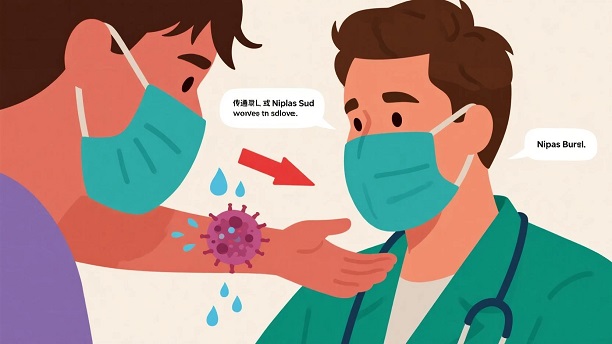
- Close contact with an infected person’s respiratory droplets or bodily fluids
- Exposure in healthcare settings without adequate infection control
Nipah Virus Symptoms
The incubation period (time from exposure to symptoms) is typically 4 to 14 days, though longer periods have occasionally been reported.
Early Symptoms
Most patients first develop:
- Fever
- Headache
- Muscle aches
- Vomiting
- Sore throat
- Fatigue
Neurological Symptoms (Serious)
As the disease progresses:
- Drowsiness
- Confusion
- Dizziness
- Seizures
- Altered consciousness
- Coma
These symptoms indicate possible encephalitis, a life-threatening complication.
Respiratory Symptoms
Some patients develop:
- Cough
- Difficulty breathing
- Acute respiratory distress
- Atypical pneumonia
Long-Term Effects in Survivors
While many survivors recover well, studies show that up to 20% may experience:
- Persistent seizures
- Personality or behavioral changes
- Neurological difficulties
Patient-Centered Case Examples
Case Example 1: Early Detection Improves Outcome
A middle-aged farmer develops fever, headache, and vomiting after exposure to sick livestock. Because he seeks medical care quickly, doctors provide early monitoring and supportive treatment. His condition stabilizes, and he recovers without neurological complications.
Clinical insight: Early supportive care can reduce complications.
Case Example 2: Severe Neurological Progression
A young adult initially experiences fever and fatigue. Within days, confusion and seizures develop. Intensive care is required due to brain inflammation.
Clinical insight: Nipah virus can progress rapidly; neurological symptoms are a medical emergency.
Case Example 3: Post-Recovery Challenges
A patient survives severe NiV infection but later experiences memory difficulties and mood changes.
Clinical insight: Follow-up neurological assessment is important for survivors.
How Is Nipah Virus Diagnosed?
Nipah virus symptoms can resemble other infections such as:
- Viral encephalitis
- Severe influenza
- Pneumonia
Laboratory testing is required for confirmation:
- RT-PCR testing of respiratory samples, blood, or cerebrospinal fluid
- Antibody detection (ELISA)
Testing is conducted in specialized high-containment laboratories due to biohazard risk.
Is There a Treatment for Nipah Virus?
Currently:
- No universally approved antiviral cure
- No widely available licensed vaccine
Standard Medical Care
Treatment focuses on intensive supportive care, including:
- Oxygen therapy
- Fluid and electrolyte management
- Seizure control
- Mechanical ventilation if needed
- Management of brain swelling
Research and Emerging Therapies
Experimental approaches under study include:
- Monoclonal antibodies (e.g., m102.4)
- Antiviral agents such as remdesivir (investigational context)
Important: These are not routine treatments and may only be available in research or compassionate-use settings.
Prevention: How to Reduce Your Risk
Personal Protection
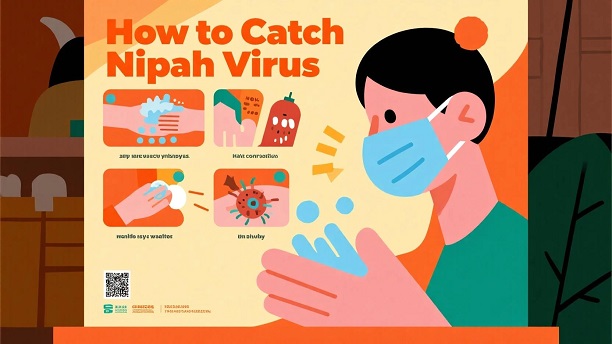
- Wash hands regularly with soap and water
- Avoid close contact with sick individuals
Food Safety
- Avoid raw date palm sap
- Wash and peel fruits thoroughly
- Discard fruits with signs of bat contamination
Animal Exposure
- Avoid contact with sick animals
- Use protective clothing when handling livestock
Healthcare Settings
Healthcare workers should apply:
- Standard precautions
- Contact and droplet protection
- Airborne precautions for aerosol-generating procedures
Who Is at Higher Risk?
You may be at increased risk if you:
- Travel to regions with known NiV outbreaks
- Consume potentially contaminated raw food products
- Have close contact with infected individuals
- Work closely with livestock in affected areas
When Should You Seek Medical Care?
Seek urgent medical attention if you experience:
- Fever with severe headache
- Confusion or drowsiness
- Seizures
- Difficulty breathing
Inform your healthcare provider about:
- Recent travel
- Animal exposure
- Contact with sick individuals
Outcomes and Evidence
- Nipah virus infection has a high mortality rate, especially in severe neurological cases
- Early supportive care improves survival
- Survivors may require long-term neurological follow-up
Sources of current understanding include surveillance data and guidance from:
- World Health Organization (WHO)
- Centers for Disease Control and Prevention (CDC)
- Peer-reviewed infectious disease research
Frequently Asked Questions (FAQs)
What is Nipah virus and why is it dangerous?
Nipah virus is a zoonotic virus that can cause severe brain inflammation and respiratory illness. It is considered dangerous because of its high fatality rate and potential for rapid progression.
What are the first symptoms of Nipah virus infection?
Early symptoms usually include fever, headache, muscle pain, vomiting, and fatigue. Neurological symptoms such as confusion or seizures may follow in severe cases.
How does Nipah virus spread to humans?
Nipah virus spreads through contact with infected fruit bats, pigs, contaminated food (such as raw date palm sap), or close contact with infected individuals.
Is there a cure or vaccine for Nipah virus?
Currently, there is no widely approved antiviral cure or licensed vaccine. Treatment focuses on supportive hospital care to manage complications.
Can Nipah virus be transmitted between people?
Yes. Human-to-human transmission can occur through close contact with bodily fluids or respiratory secretions, particularly in caregiving or healthcare environments.
What is the survival rate of Nipah virus infection?
The case fatality rate ranges between 40% and 75%, depending on outbreak conditions, healthcare access, and severity of disease.
How is Nipah virus diagnosed?
Diagnosis requires laboratory testing such as RT-PCR or antibody detection. Symptoms alone are not sufficient for confirmation.
How can I protect myself from Nipah virus?
Avoid consuming raw date palm sap, wash fruits thoroughly, practice hand hygiene, avoid contact with sick animals, and seek medical care for concerning symptoms.
Who is at highest risk of Nipah virus infection?
Individuals exposed to infected animals, contaminated foods, or infected persons, particularly in outbreak regions, face higher risk.
When should I seek medical attention?
Seek urgent care if you develop fever with confusion, seizures, severe headache, or breathing difficulties, especially after travel or possible exposure.
NFH Clinic’s Perspective
Although Nipah virus outbreaks are rare in many regions, awareness remains important in our globalized world. At NFH Clinic, we emphasize:
- Early evaluation of severe febrile illness
- Safe infection prevention practices
- Evidence-based patient education
If you are concerned about symptoms or travel-related risks, our clinical team is available for consultation.
Key Takeaways
- Nipah virus is rare but potentially life-threatening
- Symptoms often begin like a flu-like illness
- Neurological signs require immediate care
- No specific cure yet, but supportive treatment saves lives
- Prevention focuses on hygiene, food safety, and avoiding exposure
Need medical advice?
Contact NFH Clinic for professional evaluation and guidance.
Related Articles: