Nipah Virus Prevention: Symptoms, Spread & How to Stay Safe
Outbreaks of infectious diseases can raise fear and confusion, especially when information online is unclear or incomplete. One such disease is Nipah virus infection, a serious viral illness that can spread from animals to humans and, in some cases, from person to person.
The good news is that simple preventive measures can significantly reduce risk. Understanding how the virus spreads and what to avoid is the most powerful protection.
“Prevention starts with awareness. When people understand how Nipah spreads, they can make safer everyday choices for themselves and their families.” — Dr. McLee Tembo
What Is Nipah Virus?
Nipah virus is a zoonotic virus, meaning it spreads from animals to humans. It can also spread between people through close contact. The virus can cause:
- Fever
- Headache
- Breathing difficulty
- Brain inflammation (encephalitis)
- Severe illness in some cases
Because there is no specific cure, prevention is extremely important.
How Does Nipah Virus Spread?
Understanding transmission helps you avoid risk.
Nipah virus can spread through:
- Fruit bats (natural carriers)
Fruit bats can contaminate food and surfaces with saliva, urine, or droppings. - Infected animals, especially pigs
Humans can become infected through close contact with sick animals. - Contaminated food or drinks
Raw date palm sap and fruits exposed to bats are common risk sources in some regions. - Close contact with infected people
The virus can spread through bodily fluids, respiratory droplets, or contaminated surfaces.
Key Ways to Prevent Nipah Virus Infection
1. Avoid Raw or Fermented Date Palm Sap
Fruit bats may lick sap streams or urinate into collection containers.
Do not drink:
- Raw date palm juice
- Fermented date palm sap
If consuming palm products, ensure they are properly processed and safe.
2. Do Not Eat Fruit That May Be Contaminated
Avoid fruit that:
- Has bite marks from animals
- Is found on the ground
- Has been exposed to bats
Always:
- Wash fruits thoroughly
- Peel fruits when possible
- Eat only clean, safe food
3. Avoid Contact With Bats and Bat Roosting Areas
Do not handle bats, whether alive or dead. Avoid:
- Caves or trees known to house bats
- Areas with heavy bat droppings
Bats are part of nature, but distance is the safest approach.
4. Limit Contact With Sick Animals, Especially Pigs
Nipah outbreaks have been linked to pigs in some regions.
Take these precautions:
- Do not touch sick animals
- Avoid farms with known outbreaks
- Use protective clothing if working with animals
- Wash hands and equipment after animal contact
5. Practice Strong Hand Hygiene
Hand hygiene is one of the most effective defenses.
Wash hands:
- After touching animals
- After visiting sick people
- After being in public spaces
- Before eating
- After using the toilet
Use soap and water or an alcohol-based hand sanitizer.
6. Avoid Close Contact With Sick Individuals
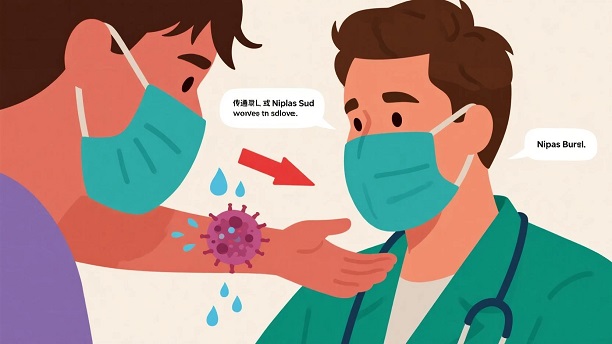
Nipah can spread from person to person.
If someone is unwell:
- Avoid close physical contact
- Do not share utensils, cups, or personal items
- Avoid contact with bodily fluids
- Use protective measures when caregiving
Healthcare workers and caregivers should use appropriate protective equipment.
7. Eat Only Well-Cooked Food
Heat kills many viruses.
- Eat fully cooked meat
- Avoid undercooked animal products
- Ensure food is prepared in hygienic conditions
Additional Safety Tips
- Clean and disinfect frequently touched surfaces
- Avoid visiting outbreak areas unless necessary
- Seek medical care immediately if symptoms appear after exposure
- Follow public health guidance during outbreaks
“Early medical attention can make a major difference in managing severe infections. Do not ignore warning signs.” — Dr. McLee Tembo
Symptoms That Require Immediate Medical Attention
Seek medical care urgently if someone has:
- Fever with severe headache
- Confusion or drowsiness
- Seizures
- Breathing difficulty
- Recent contact with bats, pigs, or a sick person
Inform healthcare providers about any possible exposure.
Why Prevention Matters
There is no specific antiviral treatment widely available for Nipah virus. Care focuses on supporting the patient’s breathing, hydration, and complications. That makes prevention the strongest line of defense.
At NFH Clinic, we emphasize:
- Hygiene education
- Food safety awareness
- Early symptom recognition
- Community health protection
Final Thoughts
Nipah virus infection is serious, but risk can be greatly reduced through:
- Avoiding bat-contaminated food
- Practicing good hygiene
- Staying away from sick animals
- Limiting contact with infected individuals
Knowledge protects families and communities.
Frequently Asked Questions (FAQs)
Can Nipah virus spread from person to person?
Yes. Close contact with an infected person’s bodily fluids or respiratory droplets can transmit the virus.
Is it safe to eat fruit during a Nipah outbreak?
Yes, if fruit is thoroughly washed, peeled, and not damaged or exposed to bats.
Why is raw date palm sap risky?
Fruit bats may contaminate sap with saliva or urine, which can carry the virus.
Is there a cure for Nipah virus?
There is no specific cure. Treatment focuses on supportive medical care.
Who is at highest risk?
People who handle bats, work with pigs, consume contaminated food, or care for infected individuals.

Related Articles: