Nipah virus (NiV) is a rare but serious infectious disease that spreads from animals to humans and, in some cases, from person to person. Although outbreaks are uncommon, the illness can be severe. Understanding how Nipah virus spreads and how to prevent infection is extremely important.
At NFH Clinic, we believe that knowledge is one of the strongest tools for protection.
“Most Nipah infections happen because people unknowingly come into contact with contaminated food or infected animals. Simple preventive habits can significantly reduce risk.”
— Dr. McLee Tembo
What Is Nipah Virus?
Nipah virus is a zoonotic virus, meaning it spreads from animals to humans. Fruit bats (also called flying foxes) are the natural carriers. The virus can also infect pigs and sometimes other animals.
Outbreaks have mostly occurred in parts of South and Southeast Asia, but global travel makes awareness important everywhere.
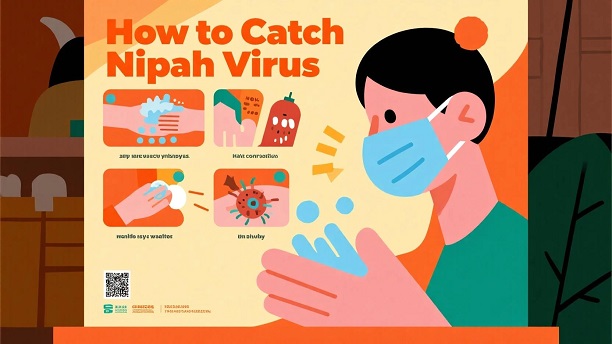
How Does Nipah Virus Spread?
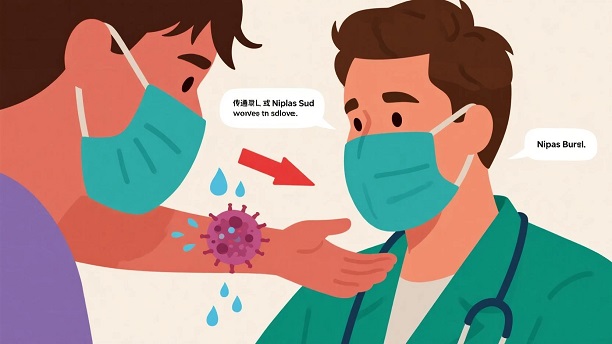
Nipah virus does not usually spread through the air over long distances. Instead, transmission happens through close contact.
1. Animal-to-Human Transmission
This is the most common route.
You can become infected through:
- Handling infected pigs, bats, or other animals
- Being in areas where fruit bats live or feed
- Contact with animal saliva, urine, or body fluids
- Consuming food contaminated by bats, such as:
- Raw date palm sap
- Fresh toddy
- Fruits with bite marks or bat droppings
Fruit bats may lick sap collection pots or partially eat fruit, leaving the virus behind.
2. Human-to-Human Transmission
The virus can also spread between people, especially in close-contact settings.
This happens through:
- Contact with saliva, blood, urine, or respiratory droplets
- Caring for a sick person at home
- Exposure in healthcare settings without protective measures
High-Risk Activities
You may have a higher risk of infection if you:
- Drink fresh, unboiled date palm sap
- Eat fruit that looks partially eaten by animals
- Handle sick pigs, horses, or bats without protection
- Care for infected patients without gloves or masks
- Work in farms, animal markets, or healthcare settings during an outbreak
Symptoms of Nipah Virus Infection
Symptoms usually appear 4–14 days after exposure.
Early symptoms include:
- Fever
- Headache
- Muscle pain
- Fatigue
- Sore throat
As the illness worsens, it may lead to:
- Drowsiness
- Confusion
- Disorientation
- Difficulty breathing
- Brain inflammation (encephalitis)
- Seizures or coma in severe cases
“Nipah virus can affect both the brain and the lungs. Early medical care greatly improves the chances of survival.”
— Dr. McLee Tembo
How Serious Is Nipah Virus?
Nipah virus infection can be very dangerous. In past outbreaks, the death rate has ranged from 40% to 75%, depending on how quickly patients received medical care and the strength of the health system.
There is no widely available vaccine or specific antiviral cure yet. Treatment focuses on supportive hospital care, such as managing breathing, fever, and complications.
How to Prevent Nipah Virus Infection
Prevention is the most powerful defense.
Food Safety
- Do not drink raw date palm sap
- Always wash and peel fruits
- Avoid fruits that are damaged or partially eaten by animals
- Boil fresh juices when possible
Avoid Animal Exposure
- Stay away from bat roosting areas
- Avoid handling sick animals
- Use gloves and protective clothing when working with livestock
Hygiene Practices
- Wash hands regularly with soap and water
- Avoid touching your face with unwashed hands
- Disinfect surfaces in high-risk environments
Protect Yourself Around Sick Individuals
- Avoid close, unprotected contact with people showing symptoms
- Use masks and gloves when caring for ill patients
- Follow infection control guidelines in healthcare settings
When Should You Seek Medical Help?
Seek medical attention immediately if you develop:
- Fever with severe headache
- Confusion or unusual sleepiness
- Breathing difficulties
- Recent exposure to bats, pigs, or infected individuals
Early care can be life-saving.
Frequently Asked Questions About Nipah Virus
1. How does Nipah virus spread?
Nipah virus spreads through close contact with infected animals such as fruit bats or pigs, consumption of contaminated food like raw date palm sap or partially eaten fruit, and direct contact with bodily fluids of an infected person.
2. Is Nipah virus airborne?
Nipah virus is not typically airborne over long distances. It mainly spreads through close contact, respiratory droplets, and exposure to infected body fluids.
3. What are the first symptoms of Nipah virus?
Early symptoms include fever, headache, muscle pain, sore throat, and fatigue. As the disease progresses, it can cause confusion, breathing problems, and brain inflammation.
4. How long does it take for symptoms to appear?
Symptoms usually develop between 4 and 14 days after exposure, although in some cases the incubation period may be longer.
5. How dangerous is Nipah virus infection?
Nipah virus infection can be severe. Past outbreaks have shown fatality rates between 40% and 75%, especially where medical care is limited.
6. Is there a cure or vaccine for Nipah virus?
There is currently no widely available vaccine or specific antiviral cure. Treatment focuses on supportive hospital care to manage symptoms and complications.
7. How can I prevent Nipah virus infection?
Avoid drinking raw date palm sap, wash and peel fruits, stay away from bats and sick animals, practice good hand hygiene, and avoid close contact with infected individuals.
8. When should I see a doctor?
Seek medical help immediately if you develop fever, confusion, severe headache, or breathing difficulties after possible exposure to bats, pigs, or infected individuals.
Final Thoughts from NFH Clinic
While Nipah virus is rare, awareness saves lives. Most infections happen due to preventable exposure to contaminated food or close contact with infected animals or people.
“Public health protection starts at home — safe food, clean hands, and avoiding risky exposures make a big difference.”
— Dr. McLee Tembo
If you have concerns about symptoms or exposure, contact a healthcare professional promptly.
Related Articles: