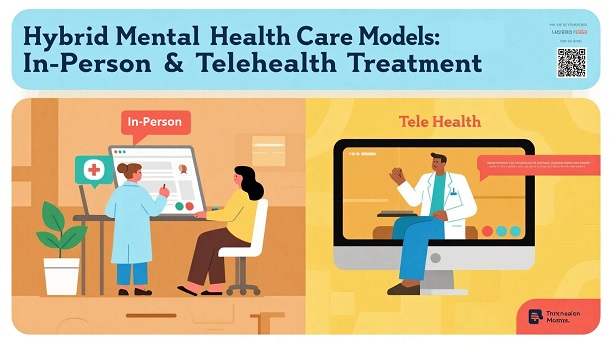
Mental health care is evolving. As patient needs become more complex and schedules more demanding, traditional in-person therapy alone is no longer enough. This shift has given rise to hybrid mental health care models—a flexible, evidence-based approach that blends in-person therapy with telehealth services and digital mental health tools.
At NFH Clinic, hybrid mental health care is not a temporary solution—it is part of a long-term strategy to deliver accessible, patient-centered, and outcomes-driven behavioral health care.
“Hybrid care allows clinicians to meet patients where they are—both clinically and geographically—without sacrificing quality or therapeutic connection,”
— McLee Tembo, Telehealth Health Consultant & Preventive Care Specialist
This article explores how hybrid mental health care works, why it is now considered a standard of care, and how it benefits patients, providers, and health systems alike.
What Are Hybrid Mental Health Care Models?
Hybrid mental health care models combine face-to-face therapy sessions with virtual mental health services, such as video therapy, phone consultations, and asynchronous digital tools. Patients may alternate between in-person and remote care depending on clinical needs, comfort, availability, and treatment goals.
Unlike fully virtual or fully in-person models, hybrid care offers clinical flexibility while maintaining continuity, safety, and therapeutic effectiveness.
Hybrid mental health care is commonly used to treat conditions such as:
- Depression
- Anxiety disorders
- Stress-related conditions
- PTSD
- Mood disorders
- Substance use disorders
- Chronic mental health conditions requiring long-term follow-up
Why Hybrid Mental Health Care Is Now the Standard of Care
Hybrid care models gained rapid adoption during the COVID-19 pandemic, but their continued use is driven by strong clinical outcomes, patient satisfaction, and cost-effectiveness.
Research and real-world data show that hybrid models:
- Improve treatment adherence
- Reduce missed appointments
- Increase access to licensed mental health professionals
- Support long-term condition management
- Lower overall healthcare costs
“What started as a necessity has become a smarter way to deliver preventive and ongoing mental health care,”
— McLee Tembo
Today, many health systems, insurance providers, and behavioral health clinics—including NFH Clinic—consider hybrid care a best-practice model, not a fallback option.
Key Components of Hybrid Mental Health Care Models
1. Blended Care Delivery
Patients move seamlessly between in-person sessions and virtual appointments based on:
- Clinical complexity
- Symptom severity
- Patient preference
- Scheduling needs
- Safety considerations
Initial assessments may occur in person, followed by virtual follow-ups, or care may alternate throughout treatment.
2. Asynchronous Digital Mental Health Tools
Hybrid care extends beyond live sessions. Patients often use:
- Mental health mobile apps
- Digital therapeutics
- Mood-tracking tools
- Secure messaging platforms
- Wearable devices for sleep or stress monitoring
These tools provide clinicians with real-time insights and help patients stay engaged between visits.
3. Continuous and Preventive Care
Hybrid models enable shorter, more frequent touchpoints, reducing gaps in care. This proactive approach helps identify symptom changes early, preventing relapse or crisis escalation.
4. Clinical Flexibility and Personalization
Care plans are tailored to each patient’s condition, lifestyle, and progress. Hybrid care allows providers to adjust treatment intensity without disrupting continuity.
5. Integrated Health Technology
Modern hybrid mental health systems rely on:
- Electronic Health Records (EHR)
- E-prescribing platforms
- Secure telehealth infrastructure
- Data-driven reporting and analytics
This integration ensures accurate documentation, improved coordination, and better clinical decision-making.
Benefits of Hybrid Mental Health Care for Patients
Improved Access to Mental Health Services
Hybrid care reduces common barriers such as:
- Travel distance
- Transportation challenges
- Work or caregiving obligations
- Geographic provider shortages
Patients can access licensed therapists and psychiatrists regardless of location.
Increased Engagement and Retention
Flexible scheduling and remote options improve attendance and reduce no-show rates, leading to better outcomes and sustained care.
Higher Clinical Effectiveness
Combining the therapeutic depth of in-person sessions with the convenience of virtual care strengthens rapport while maintaining treatment consistency.
Enhanced Safety and Comfort
Virtual visits reduce exposure to illness and are especially valuable for immunocompromised individuals or those experiencing acute anxiety about clinical environments.
Cost Efficiency
Hybrid mental health care often lowers indirect costs such as travel expenses and time off work, while supporting insurance reimbursement for telehealth services.
Common Hybrid Mental Health Care Models in Practice
Hybrid Collaborative Care Model
This evidence-based approach involves:
- A care manager (such as a social worker or nurse)
- Regular psychiatric supervision
- Measurement-based care
- Combination of virtual check-ins and in-person therapy
It is particularly effective for managing depression and anxiety disorders in primary care and behavioral health settings.
Remote Monitoring and Data-Driven Care
Patients use digital tools to track:
- Mood changes
- Sleep patterns
- Stress levels
- Medication adherence
Clinicians use this data to adjust treatment plans proactively and personalize interventions.
Addressing Common Concerns About Hybrid Mental Health Care
Is hybrid care as effective as in-person therapy?
Yes. Multiple studies show comparable—and in some cases improved—outcomes when hybrid models are implemented appropriately and supported by trained clinicians.
Is telehealth secure and confidential?
Reputable clinics use HIPAA-compliant platforms, encrypted data storage, and strict privacy protocols to protect patient information.
Who benefits most from hybrid mental health care?
Hybrid care is ideal for patients seeking flexibility, those managing chronic mental health conditions, and individuals balancing work, family, or mobility challenges.
The Role of NFH Clinic in Advancing Hybrid Mental Health Care
At NFH Clinic, hybrid mental health care is guided by clinical excellence, ethical practice, and preventive care principles. Our approach integrates:
- Licensed mental health professionals
- Evidence-based treatment protocols
- Secure digital health platforms
- Patient education and empowerment
“Hybrid care is not about replacing human connection—it’s about strengthening it through smarter systems and preventive thinking,”
— McLee Tembo
The Future of Hybrid Mental Health Care
As technology advances and mental health awareness grows, hybrid care models will continue to evolve. Emerging trends include:
- AI-supported mental health screening
- Advanced digital therapeutics
- Population-level mental health analytics
- Integrated physical and behavioral health models
Hybrid mental health care represents a sustainable, scalable solution for addressing the global mental health care gap.
Final Thoughts
Hybrid mental health care models offer the best of both worlds—human connection and digital convenience. By blending in-person therapy with telehealth and continuous monitoring tools, clinics can deliver more accessible, personalized, and effective mental health care.
For patients and providers alike, hybrid care is no longer the future—it is the present.
Related Articles: