

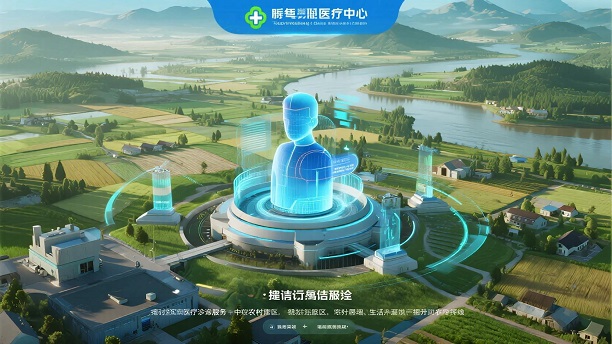
Access to quality mental health care remains one of the most pressing challenges for rural and underserved communities. Long travel distances, limited psychiatric providers, and social stigma often prevent individuals from receiving timely and consistent treatment. Telepsychiatry—psychiatric care delivered through secure video and digital platforms—has emerged as a practical, evidence-based solution to bridge this gap.
At NFH Clinic, telepsychiatry is more than a convenience. It is a critical care pathway that connects rural patients to licensed mental health professionals, improves treatment continuity, and supports long-term mental wellness without the burden of geographic isolation.
What Is Telepsychiatry?
Telepsychiatry is a specialized form of telehealth that allows patients to receive psychiatric evaluations, therapy sessions, medication management, and follow-up care remotely. Services are delivered through secure, HIPAA-compliant platforms using video calls, phone consultations, and digital care coordination tools.
Unlike general telemedicine, telepsychiatry is specifically designed to support complex mental health needs, including:
- Depression and anxiety disorders
- Post-traumatic stress disorder (PTSD)
- Bipolar disorder
- Substance use disorders
- Behavioral and emotional challenges
Why Rural Communities Face Greater Mental Health Barriers
Rural populations often experience higher rates of untreated mental health conditions due to systemic challenges, including:
- Severe shortages of psychiatrists and behavioral health specialists
- Long wait times for in-person appointments
- Transportation barriers and travel costs
- Privacy concerns in small or close-knit communities
According to multiple public health studies, rural residents are significantly less likely to receive mental health treatment compared to urban populations—despite having similar or higher rates of mental health conditions.
Key Benefits of Telepsychiatry for Rural Populations
1. Improved Access to Psychiatric Care
Telepsychiatry connects rural patients to board-certified psychiatrists and licensed mental health professionals who may otherwise be hours—or even days—away. This expanded access reduces appointment wait times and ensures patients receive care when symptoms first appear, not months later.
“Telepsychiatry removes geography as a barrier to mental wellness. When access improves, outcomes improve,” notes McLee Tembo, Telehealth Health Consultant & Preventive Care Specialist.
2. Significant Cost and Time Savings
One of the most immediate benefits of telepsychiatry is the reduction in indirect healthcare costs. Patients no longer need to budget for:
- Long-distance travel or fuel expenses
- Overnight lodging
- Time away from work or caregiving responsibilities
For families already managing financial strain, virtual psychiatric care makes consistent treatment far more attainable.
3. Addressing the Rural Mental Health Workforce Shortage
Many rural regions face alarmingly low psychiatrist-to-patient ratios. Telepsychiatry helps close this gap by allowing mental health professionals to serve multiple locations without relocating.
Local clinics can integrate telepsychiatry into their services, enabling patients to receive specialized care while remaining connected to their primary care providers.
4. Greater Privacy, Comfort, and Reduced Stigma
In small communities, concerns about confidentiality often discourage individuals from seeking mental health support. Telepsychiatry allows patients to attend appointments from the privacy of their own homes, reducing anxiety and fear of judgment.
This sense of comfort can be especially important for first-time patients or those managing stigma-related stress.
5. Better Treatment Adherence and Continuity of Care
Missed appointments are common in rural healthcare due to transportation challenges and scheduling conflicts. Telepsychiatry removes many of these barriers, making it easier for patients to:
- Attend regular sessions
- Follow medication plans
- Maintain long-term therapeutic relationships
Consistent engagement leads to better symptom management, fewer crises, and improved overall quality of life.
6. Enhanced Care Coordination and Collaboration
Telepsychiatry strengthens collaboration between psychiatrists, primary care providers, therapists, and care coordinators. Digital tools allow for faster communication, shared treatment plans, and more holistic patient management.
“When mental health care is integrated with primary and preventive services, patients receive more complete and sustainable support,” explains McLee Tembo.
Is Telepsychiatry as Effective as In-Person Care?
Yes. Multiple clinical studies have shown that telepsychiatry delivers outcomes comparable to—and in some cases better than—traditional in-person psychiatric care. Patients report:
- Similar or improved symptom reduction
- High satisfaction with care quality
- Strong therapeutic relationships with providers
For conditions such as depression, anxiety, and PTSD, telepsychiatry has demonstrated equal clinical effectiveness while improving accessibility.
Addressing Common Concerns About Telepsychiatry
Technology access: Many platforms require only a smartphone or basic internet connection. NFH Clinic also supports phone-based consultations when video is not feasible.
Security and confidentiality: All sessions are conducted using encrypted, HIPAA-compliant systems to protect patient privacy.
Emergency situations: Telepsychiatry includes clear escalation protocols and coordination with local emergency services when immediate intervention is required.
The Role of Telepsychiatry in Preventive Mental Health Care
Beyond treatment, telepsychiatry plays a vital role in early intervention and preventive care. Regular virtual check-ins help identify symptoms early, adjust treatment plans proactively, and reduce the likelihood of mental health crises.
This preventive approach is especially valuable in rural communities where emergency mental health services may be limited.
How NFH Clinic Supports Rural Mental Health Through Telepsychiatry
At NFH Clinic, our telepsychiatry services are designed with rural patients in mind. We focus on:
- Evidence-based psychiatric care
- Patient-centered treatment plans
- Seamless coordination with primary and preventive care services
- Culturally sensitive and stigma-aware approaches
Our goal is to ensure that distance never determines the quality of mental health care a patient receives.
FAQs About Telepsychiatry for Rural Communities
What is telepsychiatry and how does it work?
Telepsychiatry is the delivery of psychiatric services through secure video or phone consultations. Patients can receive mental health assessments, therapy sessions, medication management, and follow-up care remotely using HIPAA-compliant platforms. This approach allows individuals in rural areas to access licensed psychiatrists without traveling long distances.
Is telepsychiatry effective for treating mental health conditions?
Yes. Clinical research shows that telepsychiatry is just as effective as in-person psychiatric care for conditions such as depression, anxiety disorders, PTSD, and bipolar disorder. Patient outcomes, treatment adherence, and satisfaction levels are comparable—and sometimes better—due to increased accessibility and consistency of care.
Who can benefit most from telepsychiatry services?
Telepsychiatry is especially beneficial for:
- Individuals living in rural or underserved areas
- Patients with mobility or transportation challenges
- Those managing chronic mental health conditions
- Individuals seeking discreet, confidential mental health care
- Patients requiring ongoing medication management
Does telepsychiatry reduce mental health stigma in rural communities?
Yes. Telepsychiatry allows patients to receive care privately from their homes, which can reduce fear of being recognized at a mental health clinic. This increased privacy often encourages more people to seek help earlier and continue treatment consistently.
What mental health conditions can be treated through telepsychiatry?
Telepsychiatry can support a wide range of conditions, including:
- Depression
- Anxiety disorders
- Post-traumatic stress disorder (PTSD)
- Bipolar disorder
- Substance use disorders
- Stress-related and mood disorders
Is telepsychiatry secure and confidential?
Telepsychiatry sessions are conducted using encrypted, HIPAA-compliant platforms to protect patient confidentiality. Licensed providers follow the same ethical and legal standards as in-person psychiatric care.
What technology is needed for telepsychiatry?
Most telepsychiatry services require only a smartphone, tablet, or computer with internet access. In low-bandwidth areas, phone consultations may also be available to ensure continuity of care.
Can telepsychiatry help with medication management?
Yes. Psychiatrists can evaluate symptoms, prescribe medications when appropriate, monitor side effects, and adjust treatment plans remotely. Ongoing follow-ups help ensure medication effectiveness and safety.
Is telepsychiatry suitable for preventive mental health care?
Absolutely. Telepsychiatry supports early screening, regular mental health check-ins, and preventive interventions that help reduce the risk of severe episodes or mental health crises—especially in communities with limited in-person services.
How does NFH Clinic support rural patients through telepsychiatry?
NFH Clinic provides patient-centered telepsychiatry services designed for rural and underserved populations. Care focuses on evidence-based treatment, privacy, continuity, and integration with primary and preventive health services.
Final Thoughts
Telepsychiatry is transforming mental health care for rural communities by removing long-standing barriers to access, affordability, and continuity. By combining clinical effectiveness with convenience and privacy, it offers a sustainable solution for improving mental health outcomes where care is needed most.
As telehealth continues to evolve, telepsychiatry stands as a powerful tool in creating more equitable, inclusive, and patient-focused mental health systems.