
I’ve sat across from hundreds of people over the years who walked into my office looking for mental breakdown treatment, saying some version of the same sentence: “I think I’m having a breakdown, but I don’t even know what that means.”
That’s usually where I start too. Because before we talk treatment, we need to talk about what a mental breakdown actually is, and clear up the confusion around it, since the term gets thrown around loosely on social media and in everyday conversation.
I’m McLee Tembo, founder of NFH Clinic (New Fast Health), and this guide is built from years of working directly with clients through exactly this kind of crisis. My goal here isn’t to overwhelm you with clinical jargon. It’s to give you something practical you can actually use today.
Quick answer: Mental breakdown treatment usually combines professional therapy, stress reduction, healthy daily routines, emotional support, and medication when it’s appropriate. Most people recover fully with the right care, though how long it takes depends on the severity of symptoms and what’s driving them.
Quick Facts
| Is it a medical diagnosis? | No — it’s a descriptive term, not a DSM-5 diagnosis |
| Common causes | Chronic stress, burnout, grief, trauma, financial or relationship strain |
| Typical duration | Days to a few weeks for mild cases; several months for severe cases with ongoing treatment |
| Main treatments | Therapy (CBT/ACT), medication when needed, structured rest, reduced stress load, support systems |
| When to seek emergency help | Thoughts of self-harm or suicide, inability to function or care for yourself |
In this article:
- What Does "Mental Breakdown" Actually Mean?
- What Is Mental Health, Really?
- Why Mental Health Awareness Matters More Than Ever
- Mental Breakdown Symptoms: What to Watch For
- What Causes a Mental Breakdown?
- Can Stress Cause a Nervous Breakdown?
- Mental Breakdown vs. Burnout: What's the Difference?
- Mental Breakdown vs. Panic Attack: What's the Difference?
- Signs of a Nervous Breakdown in a Woman
- Signs of a Nervous Breakdown in a Man
- Crying and Mental Breakdown: Why It Happens
- Is There a "Class 4 Mental Breakdown"?
- Is There a Nervous Breakdown Test?
- What Is SI in Mental Health?
- Mental Breakdown Treatment: What Actually Works
- Nervous Breakdown Treatment at Home
- How to Cure and Overcome a Mental Breakdown
- How to Treat Mental Breakdown Long-Term
- How to Avoid a Mental Breakdown in the Future
- Recovering From a Mental Breakdown: What to Expect
- Healing From a Nervous Breakdown: What Recovery Really Looks Like
- When to Seek Professional Help
- FAQs: Mental Breakdown Treatment
- Key Takeaways
- Final Thoughts
- Additional Resources
What Does “Mental Breakdown” Actually Mean?
A mental breakdown — sometimes called a nervous breakdown — isn’t a formal medical diagnosis. You won’t find it listed in the DSM-5. Instead, it’s a term people use to describe a period where emotional or mental stress becomes so overwhelming that a person can no longer function in their normal, day-to-day life.
Think of it less like a single event and more like a tipping point. Stress, anxiety, grief, burnout, or unresolved trauma build up quietly for weeks or months. Then, often triggered by something relatively small, everything spills over at once.
In clinical terms, what people call a “mental breakdown” is usually an acute stress reaction, and it frequently overlaps with underlying conditions like depression, generalized anxiety disorder, or panic disorder that haven’t yet been diagnosed or treated.
What Is Mental Health, Really?
Before going further, it helps to zoom out. Mental health refers to your emotional, psychological, and social well-being — it shapes how you think, feel, handle stress, relate to other people, and make decisions. It’s not simply “the absence of mental illness.” You can be free of a diagnosis and still have poor mental health, just as someone managing a chronic condition can still live a full, balanced life with the right support.
This distinction matters because a mental breakdown often shows up in people who never considered themselves as having “a mental health issue.” It can affect a high-performing executive just as easily as someone already in therapy.
Why Mental Health Awareness Matters More Than Ever
Mental health awareness is the effort to educate people on recognizing symptoms, reducing stigma, and encouraging early treatment, rather than waiting until someone reaches a breaking point. Unfortunately, awareness is still catching up to reality. Many people ignore early warning signs simply because they don’t know what to look for, or they assume struggling silently is just “part of adult life.”
That silence is exactly what allows small stressors to snowball into a full breakdown.
Mental Breakdown Symptoms: What to Watch For
Mental breakdowns rarely appear out of nowhere. They’re usually preceded by a cluster of symptoms that build gradually:
- Persistent fatigue, even after sleeping
- Difficulty concentrating or making simple decisions
- Irritability or sudden mood swings
- Withdrawing from friends, family, or work
- Sleep disturbances — either insomnia or oversleeping
- Physical symptoms like headaches, chest tightness, or stomach issues
- A sense of dread or hopelessness that won’t lift
- Increased use of alcohol or other substances to cope
- Memory lapses or trouble retaining new information
- Noticeable changes in appetite, either eating far more or far less than usual
- A loss of motivation for things you’d normally care about
If you’re noticing several of these at once, and they’ve lasted more than two weeks, that’s a signal worth taking seriously — not brushing off as “just a rough patch.”
What Causes a Mental Breakdown?
A breakdown is rarely caused by one single event. It’s usually the accumulation of several stressors that never got properly resolved. The most common contributors I see in practice include:
- Chronic, unrelenting work stress or burnout
- Major grief or loss
- Unresolved trauma resurfacing under pressure
- Financial strain
- Relationship conflict or breakdown
- Caregiving responsibilities without enough support
- Ongoing physical illness or chronic pain
- Major life transitions (divorce, job loss, relocation)
Certain factors also raise someone’s risk of reaching this tipping point, including a history of anxiety or depression, PTSD, chronic sleep deprivation, perfectionism, substance use, and existing physical health conditions. None of these guarantee a breakdown will happen — but they lower the threshold at which stress becomes overwhelming.
It’s also worth knowing that some physical conditions can produce symptoms that look a lot like a mental breakdown, thyroid disorders, vitamin deficiencies, medication side effects, and certain neurological conditions among them. That’s one more reason a medical evaluation is worth getting alongside mental health support when symptoms are new, severe, or don’t have an obvious trigger.
Can Stress Cause a Nervous Breakdown?
Yes. Stress itself isn’t the problem, everyone experiences it. The issue is prolonged, unmanaged stress that never gets a chance to resolve. When your body stays in a heightened stress response for weeks or months without recovery time, it eventually reaches a point where it simply cannot keep up. That’s the mechanism behind most breakdowns.
Mental Breakdown vs. Burnout: What’s the Difference?
These two overlap so much that people often use them interchangeably, but there’s a useful distinction. Burnout tends to build specifically around chronic work or caregiving stress, and it develops gradually — cynicism, exhaustion, and detachment creeping in over months. A mental breakdown can stem from burnout, but it’s typically the acute, more sudden crisis point where someone can no longer function at all, regardless of the original source of stress. In short: burnout is often the slow burn, and a breakdown is the point where it boils over.
Mental Breakdown vs. Panic Attack: What’s the Difference?
A panic attack is a short, intense episode — usually peaking within minutes — involving symptoms like a racing heart, shortness of breath, dizziness, or a sense of impending doom. A mental breakdown is broader and more prolonged; it describes an extended period where someone can’t cope with daily life, and panic attacks may be one symptom within that larger picture, rather than the whole story.
Signs of a Nervous Breakdown in a Woman
Research and clinical observation suggest that women often present breakdown symptoms in more internalized, emotionally expressive ways. Common patterns include:
- Frequent, unexplained crying spells
- Heightened anxiety around routine responsibilities (work, household, parenting)
- Feelings of guilt or inadequacy that seem disproportionate to the situation
- Physical exhaustion paired with racing thoughts at night
- A sudden inability to keep up with tasks that were previously manageable
None of this means every woman experiences it this way, but these patterns show up often enough in clinical settings to be worth naming.
Signs of a Nervous Breakdown in a Man
Men, on the other hand, often externalize distress differently, partly due to social conditioning around expressing vulnerability. Watch for:
- Increased irritability, anger, or short temper
- Withdrawal into work, screens, or isolation instead of talking about what’s wrong
- Risk-taking behavior or reckless decisions
- Physical complaints (tension headaches, digestive issues) instead of emotional ones
- Numbness or detachment rather than visible sadness
Because these signs don’t always look like “classic” distress, breakdowns in men often go unnoticed longer — which can make the eventual crisis more severe.
Crying and Mental Breakdown: Why It Happens
Crying is one of the most common — and most misunderstood — symptoms of a breakdown. It’s not weakness. It’s the nervous system releasing pressure it’s been holding for far too long. If you’ve found yourself crying over something minor, or unable to explain exactly why you’re crying, this is often the body signaling that stress has exceeded its capacity to cope quietly.
Is There a “Class 4 Mental Breakdown”?
You may have come across the term “Class 4 mental breakdown” online. It’s worth clarifying: there is no universally recognized clinical classification system that grades breakdowns by numbered “classes.” This phrase tends to circulate informally, sometimes used loosely to describe a severe or advanced stage of crisis.
If you’ve seen this term and are worried it applies to you, what matters clinically isn’t the label — it’s the actual symptoms and how much they’re disrupting your life. A professional assessment will always be more accurate than a self-applied number.
Is There a Nervous Breakdown Test?
Self-assessment questionnaires exist online, and they can be a useful starting point for reflection. But they aren’t diagnostic tools. Clinicians themselves often use validated screening tools as part of an evaluation — such as the PHQ-9 for depression symptoms or the GAD-7 for anxiety — but even these are meant to guide a conversation with a professional, not to stand in for one.
A proper evaluation involves a licensed mental health professional reviewing your history, symptoms, and current functioning — something a quiz can’t replicate. If you’re tempted to search for a “test,” treat it as a nudge toward booking a real consultation, not a substitute for one.
What Is SI in Mental Health?
SI stands for suicidal ideation — thoughts about ending one’s own life, which can range from passive (wishing you weren’t alive) to active (thinking about specific plans). It’s a term you’ll often see in clinical notes or mental health screenings. If SI comes up during a breakdown, it needs to be addressed immediately and directly with a professional — it is not something to manage alone or wait out.
If you or someone you know is having thoughts of suicide, please reach out right away to your local emergency services or national crisis helpline. In the US, that’s the 988 Suicide & Crisis Lifeline (call or text 988); most countries have an equivalent service, so it’s worth looking up the one closest to you and saving it in your phone before you need it.
Mental Breakdown Treatment: What Actually Works
Now for the part you came here for. Treatment isn’t one-size-fits-all, but effective care generally combines several of the following approaches.
1. Professional Therapy
Cognitive Behavioral Therapy (CBT) is one of the most researched and effective approaches for breaking the cycle of overwhelming stress. It helps identify the thought patterns feeding the crisis and replaces them with healthier coping strategies.
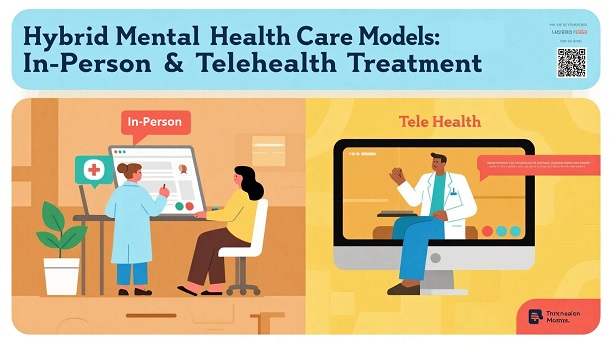
Other approaches, like Acceptance and Commitment Therapy (ACT) or trauma-focused therapy, may be recommended depending on the root cause. Online or telehealth therapy has also made this far more accessible in recent years — for many people, especially during an acute crisis, being able to speak with someone from home removes a real barrier to getting started.
2. Nervous Breakdown Medicine: What’s Typically Prescribed
Nervous breakdown medicine isn’t always necessary, but for many people, short-term or ongoing medication support makes a real difference — especially when anxiety or depression is driving the crisis.
Commonly prescribed options include SSRIs for depression and anxiety, or short-term anti-anxiety medication for acute symptoms. This should always be managed by a licensed physician or psychiatrist, never self-prescribed.
It’s worth being clear about what medication actually does here: it treats the underlying condition driving the crisis, such as depression or an anxiety disorder, it isn’t a standalone “fix” for the breakdown itself, which is why it works best alongside therapy rather than instead of it.
3. Structured Rest and Routine
During a breakdown, the nervous system is essentially in overdrive. Rebuilding a simple daily structure — consistent sleep, regular meals, light movement, gives the body a chance to recalibrate. This sounds basic, but it’s often the piece people skip while chasing more “advanced” solutions.
4. Reducing the Immediate Stress Load
Wherever possible, temporarily stepping back from major decisions, high-pressure deadlines, or emotionally draining relationships gives you breathing room to heal. This isn’t permanent avoidance — it’s triage.
5. Support Systems
Isolation makes breakdowns worse. Whether it’s a therapist, a support group, or simply a trusted friend who checks in daily, having people around you during recovery speeds healing significantly.
Nervous Breakdown Treatment at Home
While professional support should always be part of the plan for a full breakdown, there are things you can do at home to support your recovery between sessions:
- Prioritize sleep hygiene — consistent bedtimes, reduced screen time before bed
- Limit caffeine and alcohol, both of which intensify anxiety and disrupt sleep
- Practice grounding techniques, like the 5-4-3-2-1 sensory method, during moments of overwhelm
- Move your body gently — a short walk can lower cortisol levels meaningfully
- Journal without judgment — getting thoughts out of your head and onto paper reduces mental clutter
- Say no more often, at least temporarily, to protect your energy
These strategies support recovery — they don’t replace professional treatment when symptoms are severe or include suicidal thoughts.
How to Cure and Overcome a Mental Breakdown
I want to be honest with you here: there’s no instant “cure” in the way you’d cure an infection with antibiotics. Overcoming a breakdown isn’t about “toughing it out” either — it’s about giving yourself permission to slow down, ask for help, and treat the crisis as information rather than failure.
Recovery is a process, not a switch you flip. But with the right combination of therapy, rest, support, and — when needed — medication, most people recover fully and often come out with better coping tools than they had before the crisis started.
Your mind was signaling that something needed to change; listening to that signal, with proper support, is what overcoming it actually looks like.
How to Treat Mental Breakdown Long-Term
Short-term relief matters, but long-term treatment focuses on addressing what caused the breakdown in the first place. That usually means:
- Identifying and adjusting unsustainable life patterns (overwork, toxic relationships, chronic people-pleasing)
- Ongoing therapy to build resilience, not just manage symptoms
- Learning to recognize early warning signs before they escalate again
- Building a lifestyle that includes regular decompression, not just occasional vacations
How to Avoid a Mental Breakdown in the Future
Prevention comes down to catching the warning signs early and building habits that keep stress from silently compounding:
- Check in with yourself weekly — are you noticing early symptoms creeping back?
- Set boundaries before you’re overwhelmed, not after
- Build small recovery moments into your week rather than saving all rest for “someday”
- Don’t wait for a crisis to justify seeking therapy — preventive support counts too
Recovering From a Mental Breakdown: What to Expect
Recovery timelines vary depending on severity, support systems, and whether underlying conditions are being treated. Some people stabilize within weeks; others need months of consistent care. What’s consistent across almost every recovery story I’ve witnessed is this: the people who reach out for professional support early tend to recover faster and more completely than those who try to push through alone.
How Long Does a Mental Breakdown Last?
There’s no fixed timeline, but it helps to think of it in stages. The first few days are usually about basic stabilization — sleep, safety, and calming the nervous system down. Over the following one to two weeks, the most intense symptoms typically start to ease.
From there, therapy and lifestyle changes over the following months build the coping skills that prevent a repeat. Mild episodes may resolve in a couple of weeks; more severe ones can take several months of consistent treatment.
Can a Mental Breakdown Go Away on Its Own?
Sometimes, mild stress reactions do ease up with rest and a lighter schedule. But if symptoms last longer than two weeks, keep getting worse, or start interfering with your ability to work, sleep, or maintain relationships, waiting it out isn’t the safer option — professional treatment at that point speeds recovery and prevents things from escalating further.
Can You Work During a Mental Breakdown?
It depends on severity. Some people manage reduced hours or lighter duties while getting treatment. But for many, a short period of leave is what actually allows real recovery to happen — pushing through a full workload during an acute crisis often prolongs it rather than helping you “push past” it.
If you’re not sure where to start, a conversation with your doctor or therapist about medical leave, or with HR about temporary accommodations like reduced hours or remote work, is usually the practical first step — most workplaces have a process for exactly this situation, even if it’s not widely advertised.
Healing From a Nervous Breakdown: What Recovery Really Looks Like
Healing isn’t a straight line, and it isn’t about “bouncing back” to exactly who you were before. Most people who go through this describe it more as rebuilding — often with better boundaries, a clearer sense of their limits, and coping tools they didn’t have going in. Practically, healing tends to combine consistent therapy, patience with a slower pace of life for a while, and honest conversations with the people closest to you about what you need.
If you’re in the middle of it and wondering whether what you’re feeling counts as having a mental breakdown, the symptoms most people describe are emotional exhaustion, an inability to concentrate, frequent crying, disrupted sleep, and a persistent feeling of being unable to keep up with ordinary responsibilities. Recognizing that cluster of symptoms is usually the first real step toward healing, simply because it stops the guessing and lets you get the right kind of help.
When to Seek Professional Help
If you’re experiencing any of the following, it’s time to speak with a professional rather than waiting it out:
- Symptoms lasting more than two weeks
- Inability to function at work, home, or in relationships
- Thoughts of self-harm or suicide
- Increasing reliance on alcohol or substances to cope
- Physical symptoms with no clear medical cause
At NFH Clinic, we work with clients to build a treatment plan tailored to their specific triggers, history, and goals — because generic advice rarely fixes a deeply personal crisis.
FAQs: Mental Breakdown Treatment
What is the fastest way to recover from a mental breakdown?
There’s no shortcut that skips the process, but the fastest path is usually a combination of reducing your immediate stress load, getting consistent sleep, and starting therapy right away rather than waiting to see if it passes on its own. Early professional support consistently shortens recovery time.
Can anxiety cause a nervous breakdown?
Yes. Chronic, unmanaged anxiety is one of the most common underlying drivers of a breakdown, especially when it goes untreated for a long period and compounds with other stressors.
Is a nervous breakdown a medical diagnosis?
No. It’s a widely used descriptive term, not a formal diagnosis in the DSM-5. What it usually describes is an acute stress reaction, often layered on top of a diagnosable condition like depression or an anxiety disorder.
Can you recover completely from a mental breakdown?
Yes, most people recover fully with the right treatment and support. Many describe coming out the other side with stronger coping skills and better boundaries than they had before.
Is crying a sign of a mental breakdown?
It can be. Frequent, hard-to-explain crying is one of the more common symptoms, particularly when it happens alongside exhaustion, trouble concentrating, or feeling unable to keep up with daily responsibilities.
Can lack of sleep cause a mental breakdown?
Chronic sleep deprivation is a major risk factor. It weakens your ability to regulate emotions and manage stress, which makes an existing stress load far more likely to tip into a full breakdown.
When should you go to the hospital for a mental breakdown?
Seek emergency care immediately if there are thoughts of suicide or self-harm, an inability to care for yourself, or symptoms severe enough that you feel unsafe. For less severe but still significant symptoms, a licensed therapist or physician is usually the right first stop.
Key Takeaways
- A mental breakdown isn’t a formal diagnosis — it’s a term for a period of overwhelming stress that stops you from functioning normally, often layered on top of an underlying condition like anxiety or depression.
- It builds gradually from unresolved stressors like burnout, grief, trauma, or financial strain, rather than appearing out of nowhere.
- Effective treatment combines therapy, medication when appropriate, structured rest, a reduced stress load, and support from people around you.
- Recovery timelines vary widely, but reaching out for professional help early consistently leads to faster, fuller recovery.
- Thoughts of self-harm or suicide, or an inability to function day to day, mean it’s time to seek professional or emergency help right away — not wait it out.
Final Thoughts
A mental breakdown can feel like the lowest point in your life, but it’s also often the moment that finally forces long-overdue change. With the right treatment — therapy, support, rest, and sometimes medication — recovery isn’t just possible, it’s likely. You don’t have to figure this out alone, and you don’t have to wait until things get worse to ask for help.
If you’re noticing the signs discussed here, reaching out to a licensed professional is the most effective next step you can take today.
Additional Resources
- 988 Suicide & Crisis Lifeline — free, confidential crisis support, available 24/7 in the US (call or text 988)
- SAMHSA National Helpline — free, confidential treatment referral and information service for mental health and substance use
- NHS: Treatment for Depression — overview of therapy and medication options from the UK’s National Health Service
Related Articles: