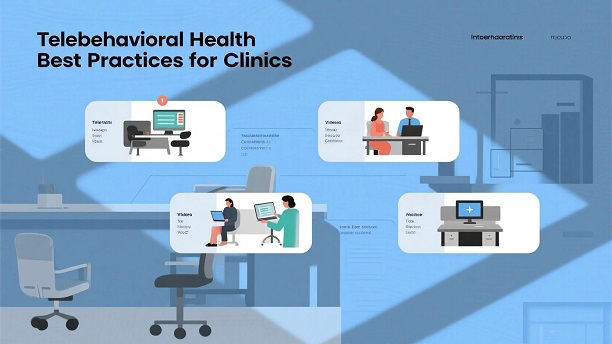
Telebehavioral health has transformed how clinics deliver mental health services, expanding access, improving continuity of care, and reducing barriers for patients who might otherwise go untreated. As virtual mental health care becomes a permanent part of modern healthcare, clinics must adopt clear, ethical, and secure best practices to ensure high-quality outcomes and patient trust.
At NFH Clinic, telebehavioral health is not viewed as a temporary solution, but as a clinically sound extension of patient-centered care. Implementing the right standards protects patients, supports clinicians, and strengthens long-term clinical outcomes.
“Telebehavioral health works best when technology enhances human connection rather than replacing it. The foundation must always be safety, trust, and preparedness,” notes McLee Tembo, Telehealth Health Consultant & Preventive Care Specialist.
This guide outlines the most up-to-date telebehavioral health best practices for clinics, blending operational excellence with compassionate care.
What Is Telebehavioral Health?
Telebehavioral health refers to the delivery of mental health and behavioral health services through secure digital platforms such as video conferencing, phone consultations, and remote monitoring tools. Services may include therapy, psychiatric evaluations, medication management, and crisis intervention.
Unlike general telehealth, telebehavioral care demands stricter attention to privacy, communication quality, and emergency preparedness due to the sensitive nature of mental health treatment.
Operational Best Practices for Telebehavioral Health Clinics
1. Privacy, Security, and HIPAA Compliance
Patient confidentiality is the cornerstone of telebehavioral health services. Clinics must use secure, encrypted, HIPAA-compliant telehealth platforms that protect patient data before, during, and after sessions.
Best practices include:
- Using platforms with end-to-end encryption
- Verifying patient identity at the start of every session
- Confirming the patient’s physical location for legal and emergency purposes
- Ensuring providers conduct sessions in private, sound-controlled environments
Patients should also be guided on how to protect their own privacy, including using headphones, securing shared devices, and choosing a private space.
“Compliance is not just a legal requirement; it’s a trust contract with the patient,” explains McLee Tembo.
2. Workflow Design and Scheduling Efficiency
Effective telebehavioral health workflows reduce stress for both patients and clinicians. Clinics should screen patients to determine whether telebehavioral services are clinically appropriate, especially for high-risk or acute cases.
Recommended workflow practices include:
- Pre-visit technology checks and instructions
- Dedicated technical support or onboarding guides
- Automated reminders and secure intake forms
- Backup communication options such as telephone sessions
Clear workflows minimize appointment disruptions and improve overall care quality.
3. Licensure, Credentialing, and Legal Compliance
Providers must be licensed in the jurisdiction where the patient is physically located at the time of the session. Clinics should maintain updated credentialing records and track interstate practice regulations, which may change frequently.
Failure to comply with licensure laws can result in serious legal and reimbursement risks.
4. Accurate and Comprehensive Documentation
Thorough documentation supports clinical continuity, billing compliance, and legal protection. Telebehavioral health documentation should clearly record:
- Patient location and identity verification
- Informed consent for telehealth services
- Technology used and confirmation of secure connection
- Any technical disruptions or limitations
- Clinical observations adapted for virtual care
Clinical and Engagement Best Practices
5. Informed Consent for Virtual Mental Health Care
Informed consent must go beyond a checkbox. Patients should understand:
- The benefits and limitations of telebehavioral health
- Potential confidentiality risks related to technology
- Emergency protocols if a crisis arises
- How and when in-person care may be recommended
Consent should be documented and revisited periodically.
6. Communication Excellence in Virtual Sessions
Strong communication compensates for the absence of physical presence. Clinicians should:
- Maintain eye contact by looking into the camera
- Use clear, calm speech and avoid multitasking
- Ensure proper lighting and audio quality
- Pause more frequently to check understanding
Because nonverbal cues can be harder to read remotely, clinicians may need to ask more direct emotional and safety-focused questions.
7. Clinical Assessment and Remote Monitoring
Telebehavioral assessments should be adapted to the virtual environment. Clinics may use:
- Digital screening tools and validated questionnaires
- Patient-reported outcome measures
- Real-time behavioral observations
- Secure messaging for follow-up monitoring
When limitations arise, providers should document them and adjust care plans accordingly.
8. Crisis Management and Emergency Preparedness
Every telebehavioral health clinic must have a clearly documented crisis response protocol. This includes:
- Verifying emergency contact information each session
- Knowing local emergency resources near the patient
- Establishing escalation procedures for suicidal ideation or acute distress
- Training staff regularly on remote crisis response
“Preparedness is what turns a virtual session into a safe clinical encounter, even during emergencies,” says Tembo.
Patient-Centered Telebehavioral Care
9. Technology Preparation and Patient Education
Not all patients are digitally confident. Clinics should offer:
- Simple setup guides
- Test sessions for first-time users
- Clear instructions in plain language
- Ongoing technical support access
Reducing technical anxiety improves engagement and therapeutic outcomes.
10. Empathy, Rapport, and Psychological Safety
Telebehavioral health must still feel personal. Providers should:
- Confirm the patient’s privacy at each visit
- Ask whether others are present
- Normalize the virtual experience
- Build rapport intentionally through warmth and attentiveness
Patients who feel emotionally safe are more likely to remain engaged in treatment.
Quality Improvement and Future-Ready Telebehavioral Health
Leading clinics continuously evaluate telebehavioral outcomes through:
- Patient satisfaction surveys
- Clinical outcome tracking
- Technology audits
- Ongoing staff training
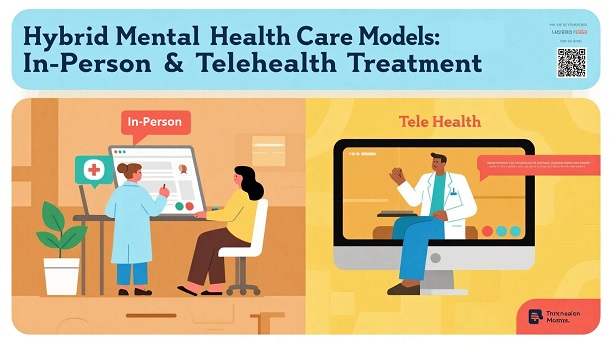
Hybrid care models that blend virtual and in-person services are increasingly becoming the gold standard, offering flexibility without sacrificing quality.
Final Thoughts
Telebehavioral health is no longer optional. It is a critical component of accessible, modern mental health care. Clinics that invest in strong operational systems, ethical clinical practices, and patient-centered engagement will not only meet regulatory standards but also earn lasting patient trust.
At NFH Clinic, telebehavioral health is delivered with the same commitment to excellence, safety, and compassion as in-person care, ensuring that distance never becomes a barrier to mental well-being.
FAQs About Telebehavioral Health Best Practices for Clinics
What are telebehavioral health services?
Telebehavioral health services provide mental and behavioral health care through secure video, phone, or digital platforms. These services include therapy, psychiatric evaluations, medication management, and crisis intervention delivered remotely by licensed professionals.
Are telebehavioral health services HIPAA compliant?
Yes, telebehavioral health services can be HIPAA compliant when clinics use encrypted, secure telehealth platforms and follow strict privacy, documentation, and data protection protocols. Compliance also requires informed consent and secure data storage.
Is telebehavioral health as effective as in-person therapy?
Research shows telebehavioral health can be just as effective as in-person care for many conditions, including anxiety, depression, and PTSD, when best practices for communication, assessment, and continuity of care are followed.
What technology do clinics need for telebehavioral health?
Clinics need HIPAA-compliant video platforms, secure patient portals, reliable internet connections, encrypted documentation systems, and backup communication options such as telephone support for technical disruptions.
How do clinics handle emergencies during telebehavioral health visits?
Clinics must verify the patient’s physical location each session, maintain updated emergency contacts, and follow documented crisis response protocols, including coordination with local emergency services when needed.
Do providers need special licensing for telebehavioral health?
Yes, providers must be licensed in the state or jurisdiction where the patient is physically located during the telebehavioral session. Clinics should regularly review licensure and credentialing requirements.
Is telebehavioral health covered by insurance?
Many insurance providers cover telebehavioral health services, including therapy and psychiatric care. Coverage depends on payer policies, documentation standards, and compliance with telehealth regulations.
Who benefits most from telebehavioral health care?
Telebehavioral health benefits individuals with limited access to in-person care, mobility challenges, rural populations, busy professionals, and patients seeking flexible mental health treatment options.
Related Articles: