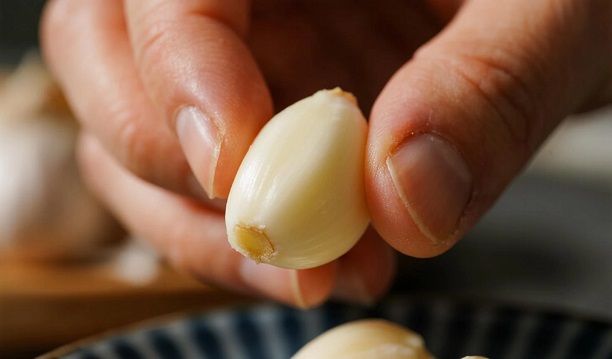
Eating Raw Garlic: Science-Backed Benefits, How to Use It Safely, and What to Know
Garlic has been used as both food and medicine for thousands of years. From ancient Egypt to traditional African, Asian, and Mediterranean cultures, raw garlic has long been valued for its healing power.
Today, modern science confirms many of those traditional claims.
So, what really happens when you eat raw garlic? Is it safe to eat every day? And what’s the best way to use it for maximum health benefits?
Let’s break it down — clearly, honestly, and based on real evidence.
Why Raw Garlic Is So Powerful
Garlic belongs to the Allium family, the same group as onions, leeks, and shallots. What makes garlic special is what happens when you crush, chop, or chew it.
That action activates a compound called allicin.
Why allicin matters
Allicin is responsible for most of garlic’s health benefits. It has:
- Antibacterial properties
- Antiviral effects
- Anti-inflammatory action
- Antioxidant activity
However, allicin is unstable. Heat destroys it quickly. That’s why raw garlic delivers stronger effects than heavily cooked garlic.
Key Health Benefits of Eating Raw Garlic
1. Boosts Immune System Naturally
Raw garlic helps your body fight infections by supporting immune cell function.
Studies show garlic may:
- Reduce the severity of colds and flu
- Shorten illness duration
- Support antiviral defense
Aged garlic extract has been studied most extensively, but raw garlic still provides immune-supporting sulfur compounds.
2. Supports Heart Health
Heart disease remains a leading global health issue, and garlic targets several major risk factors.
Research suggests garlic may:
- Lower blood pressure in people with hypertension
- Reduce total and LDL (“bad”) cholesterol
- Improve blood vessel function and circulation
In some studies, garlic’s effect on blood pressure was comparable to mild medications — with fewer side effects.
Important note: Garlic is supportive, not a replacement for prescribed heart medication.
3. Powerful Antioxidant Protection
Raw garlic contains antioxidants that help neutralize free radicals.
This may:
- Reduce chronic inflammation
- Slow cellular aging
- Protect against oxidative stress
Oxidative stress is linked to conditions such as heart disease, diabetes, and neurodegenerative disorders.
4. Improves Gut Health (Prebiotic Effect)
Garlic acts as a prebiotic, meaning it feeds beneficial gut bacteria.
Benefits include:
- Improved digestion
- Better nutrient absorption
- Reduced growth of harmful bacteria
A healthier gut also supports immunity and mental well-being.
5. Helps Regulate Blood Sugar
Garlic may improve insulin sensitivity and lower fasting blood sugar levels.
This makes it potentially helpful for:
- People with insulin resistance
- Those managing type 2 diabetes (as a dietary support)
More long-term human studies are ongoing, but early evidence is promising.
6. May Reduce Cancer Risk (Supportive Evidence)
Garlic consumption has been linked to a lower risk of certain cancers, including:
- Stomach cancer
- Colorectal cancer
- Prostate cancer
Researchers believe garlic compounds may:
- Slow cancer cell growth
- Reduce DNA damage
- Enhance detoxification pathways
This is preventive support, not treatment.
7. Supports Brain Health & Healthy Aging
Garlic’s antioxidants may help protect the brain from oxidative damage associated with aging.
Some evidence suggests garlic may:
- Support cognitive health
- Reduce inflammation linked to Alzheimer’s disease
Human research is still developing, but results are encouraging.
8. Helps Detox Heavy Metals
High doses of garlic have been shown to reduce lead toxicity in occupational exposure studies.
Garlic’s sulfur compounds help bind heavy metals and assist the body in eliminating them.
9. May Support Bone Health
Limited research suggests garlic may reduce oxidative stress related to osteoporosis, especially in post-menopausal women.
While promising, more large-scale studies are needed.
Nutritional Value of Garlic (Low Calories, High Impact)
One clove of garlic (about 3g) contains:
- ~4.5 calories
- Vitamin C
- Vitamin B6
- Manganese
- Selenium
- Small amounts of fiber
Garlic delivers big benefits with very few calories.
How to Eat Raw Garlic Safely (Best Methods)
1. Crush, Wait, Then Consume
After crushing or chopping garlic, wait 10 minutes before eating.
This allows allicin to fully form.
2. Swallow With Water
Some people crush 1 clove and swallow it with water to reduce the strong taste.
3. Add to Salads or Dressings
Mix raw garlic with olive oil, lemon juice, and salt for a heart-healthy dressing.
4. Light Cooking (If Needed)
If raw garlic is too strong, lightly warming it (not frying) preserves some benefits.
How Much Raw Garlic Should You Eat Daily?
✔ Recommended amount:
1–2 raw cloves per day
More is not always better.
Possible Side Effects & Who Should Be Careful
Raw garlic is safe for most people, but it may cause:
- Digestive discomfort
- Heartburn or bloating
- Bad breath
Avoid excess garlic if you:
- Take blood-thinning medication
- Have a bleeding disorder
- Have severe GERD
- Are preparing for surgery
Always consult a healthcare provider if unsure.
Frequently Asked Questions (FAQ)
Is it better to eat garlic on an empty stomach?
Some people prefer it, but there’s no strong evidence it works better than eating it with food.
Is raw garlic better than cooked?
Yes — raw garlic preserves more allicin, which is sensitive to heat.
Can I eat garlic every day?
Yes, in moderation. Daily intake of 1–2 cloves is considered safe for most people.
Do garlic supplements work?
Some do, especially aged garlic extract, but quality varies widely.
The Bottom Line
Garlic is one of nature’s most powerful functional foods.
Eating raw garlic regularly — in safe amounts — may:
- Strengthen immunity
- Support heart and brain health
- Improve digestion
- Reduce inflammation
- Protect against chronic disease
As Hippocrates famously said:
“Let food be thy medicine, and medicine be thy food.”
Garlic remains one of the best examples of that wisdom — now backed by modern science.
Share:
Related Articles: