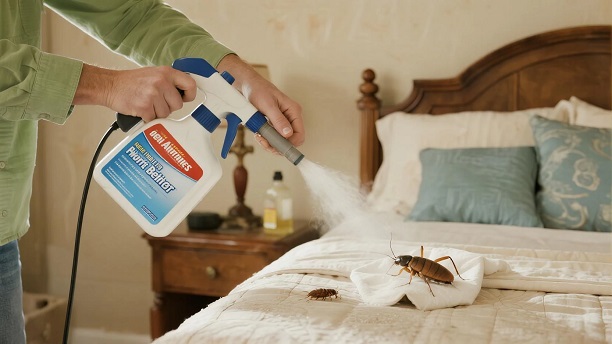
Bed bugs are one of the most stressful household pests. However, the good news is that they do not spread disease — but they do cause itching, allergic reactions, poor sleep, and anxiety. Acting quickly and correctly is the key to eliminating them.
At NFH Clinic, we help families understand both the health effects and the safe removal process.
“Bed bugs are a nuisance, but improper control methods can be more dangerous than the bugs themselves. Safe, systematic treatment is the right approach.”
— Dr. McLee Tembo
What Are Bed Bugs?
Bed bugs are small, reddish-brown insects that feed on human blood, usually at night. They hide in:
- Mattresses and box springs
- Bed frames and headboards
- Furniture seams
- Electrical outlets
- Cracks in walls and floors
They are excellent hiders and reproduce quickly.
Signs You Have Bed Bugs
You may notice:
- Itchy red bites, often in lines or clusters
- Blood spots on sheets
- Tiny black dots (droppings) on bedding
- Shed skins or live bugs in mattress seams
- A musty odor in severe infestations
Step-by-Step: How to Get Rid of Bed Bugs
1. Declutter and Prepare
First, remove items around the bed. Clutter gives bed bugs more hiding places.
2. Heat Treatment (Most Effective Method)
Heat kills all life stages of bed bugs.
- Wash bedding and clothes at 60°C (140°F) or higher
- Dry on high heat for at least 30 minutes
- Place non-washable items in a dryer on high heat
3. Vacuum Thoroughly (Daily at First)
Vacuum:
- Mattress seams
- Bed frames
- Baseboards
- Carpets
- Furniture edges
Immediately seal and throw the vacuum bag in an outdoor trash bin.
4. Use Mattress Encasements
Special zippered, bed-bug-proof covers:
- Trap bugs inside
- Prevent new ones from entering
- Make inspection easier
Keep encasements on for at least 12 months.
5. Steam Treatment
Steam penetrates deep hiding spots.
- Use a steamer that reaches at least 130°F (54°C)
- Move slowly over mattress seams, sofas, and carpets
6. Freezing Items
For delicate items:
- Seal in plastic bags
- Freeze at 0°F (-18°C)
- Keep frozen for 4 days minimum
7. Safe Insecticide Use
Only use products labeled specifically for bed bugs.
Apply in:
- Cracks
- Crevices
- Bed frame joints
Never spray mattresses directly unless the label allows it.
Diatomaceous earth can be used in hidden areas but avoid inhalation.
8. When to Call Professionals
DIY methods may fail in larger infestations.
Seek licensed pest control if:
- Bugs return after 2–3 weeks
- Infestation spreads to multiple rooms
- You see bugs during daytime
Professional heat treatment is often the fastest solution.
What NOT to Do
- Do NOT use “bug bombs” — they don’t reach hiding spots
- Do NOT turn up house heaters — this is unsafe and ineffective
- Do NOT sleep in another room — bugs will follow
- Do NOT throw away furniture unless sealed first
Health Concerns from Bed Bugs
Although bed bugs don’t transmit disease, they can cause:
- Allergic skin reactions
- Secondary infections from scratching
- Insomnia
- Anxiety and stress
Children and older adults may react more strongly to bites.
How Long Does It Take to Eliminate Bed Bugs?
Most cases require 2–6 weeks of consistent effort. Eggs hatch after treatment, so repeated cleaning is essential.
How to Prevent Bed Bugs
- Inspect hotel beds while traveling
- Avoid placing bags on beds
- Wash travel clothes immediately
- Check second-hand furniture carefully
When to See a Doctor
Visit a clinic if:
- Bites become infected
- Severe allergic reaction occurs
- Sleep loss or anxiety becomes serious
NFH Clinic can help manage skin reactions and related stress.
Final Advice from Dr. McLee Tembo
“Patience and consistency eliminate bed bugs. Panic leads to unsafe shortcuts. Follow proper methods, and seek professional help when needed.”
Frequently Asked Questions About Bed Bugs
1. What kills bed bugs instantly?
High heat is the fastest and most reliable method. Washing fabrics at 60°C (140°F) or higher and drying on high heat for at least 30 minutes kills bed bugs and their eggs.
2. Can bed bugs spread disease?
No. Bed bugs are not known to transmit diseases. However, their bites can cause itching, allergic reactions, skin infections from scratching, and sleep problems.
3. How do I know if I have bed bugs or another insect?
Bed bug signs include bites in clusters or lines, blood spots on sheets, black droppings, shed skins, and bugs hiding in mattress seams or furniture cracks.
4. Do bed bugs go away on their own?
No. Bed bugs multiply quickly and require active treatment. Ignoring the problem will lead to a larger infestation.
5. Is it safe to use insecticide sprays on my bed?
Only use products specifically labeled for bed bugs, and never spray mattresses unless the label allows it. Misuse can be harmful to health.
6. How long does it take to completely get rid of bed bugs?
Most infestations take 2–6 weeks of consistent cleaning, heat treatment, and monitoring. Severe cases may require professional pest control.
7. Should I throw away my mattress if I have bed bugs?
Usually no. Mattress encasements can trap bugs and allow safe use of the mattress. Throwing it away may spread the infestation if not sealed properly.
8. When should I see a doctor for bed bug bites?
Seek medical care if bites become infected, cause severe swelling, or if you develop serious allergic reactions, anxiety, or sleep disturbance.
Related Articles: