Why HIPAA-Compliant Teletherapy Matters
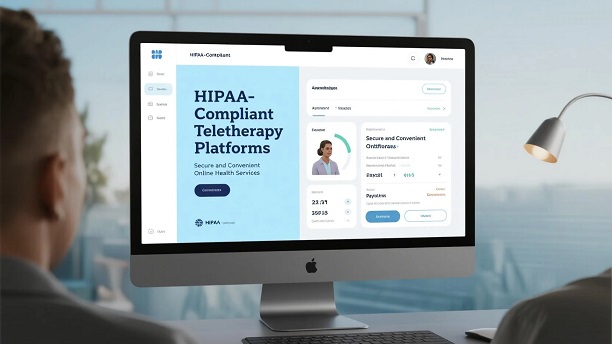
Teletherapy has transformed how mental health services are delivered, making care more accessible, flexible, and patient-centered. However, with increased virtual care comes heightened responsibility for protecting patient privacy. For healthcare providers, choosing a HIPAA-compliant teletherapy platform is not optional—it is a legal and ethical requirement.
At NFH Clinic, patient confidentiality and data security are foundational to quality care. Selecting the right telehealth platform ensures that protected health information (PHI) remains secure while enabling clinicians to deliver effective, uninterrupted virtual therapy.
“Teletherapy is not just about convenience—it’s about trust. Patients must feel confident that their most personal information is protected at every digital touchpoint,”
— McLee Tembo, Telehealth Health Consultant & Preventive Care Specialist
This guide explores the best HIPAA-compliant teletherapy platforms, key features to look for, updated compliance considerations, and how to choose the right solution for your practice.
What Makes a Teletherapy Platform HIPAA-Compliant?
A HIPAA-compliant teletherapy platform meets the privacy and security standards set by the Health Insurance Portability and Accountability Act (HIPAA). These standards apply to any software that creates, stores, transmits, or accesses PHI.
Core HIPAA Compliance Requirements
To be considered HIPAA-compliant, a teletherapy platform must include:
- Business Associate Agreement (BAA)
A legally binding contract confirming the vendor’s responsibility to safeguard PHI. - End-to-End Encryption
Secure encryption of video, audio, chat messages, and shared files during transmission and storage. - Access Controls
Secure logins, role-based permissions, and authentication safeguards. - Audit Logs and Activity Tracking
Detailed records showing who accessed PHI and when. - Data Storage Security
HIPAA-compliant cloud hosting with encrypted backups.
Without these elements, even popular video conferencing tools may place providers at legal risk.
Top HIPAA-Compliant Teletherapy Platforms in 2026
Below are some of the most trusted teletherapy platforms used by mental health professionals today, each offering secure, HIPAA-aligned virtual care solutions.
Doxy.me
Best for: Solo practitioners and small practices
Doxy.me is a browser-based teletherapy platform designed specifically for healthcare. Patients can join sessions without downloads or technical barriers.
Key Features:
- Free and paid HIPAA-compliant plans
- BAA included on professional plans
- Encrypted video calls
- Virtual waiting rooms
- Simple patient check-in process
Why it stands out:
Its ease of use makes it ideal for providers serving clients with limited technical experience.
Zoom for Healthcare
Best for: Clinics and multidisciplinary teams
Zoom for Healthcare is a specialized version of Zoom built to meet HIPAA standards when configured correctly.
Key Features:
- HIPAA-compliant BAA
- AES-256 encryption
- Waiting rooms and meeting locks
- Secure screen sharing
- High-quality video and audio
Important note:
Only Zoom for Healthcare, not standard Zoom accounts, is HIPAA-compliant.
SimplePractice
Best for: Growing practices needing all-in-one solutions
SimplePractice combines teletherapy with practice management tools, making it a popular choice among behavioral health providers.
Key Features:
- Integrated telehealth
- HIPAA-compliant scheduling and billing
- Secure client portal
- Electronic documentation and notes
- Insurance claim management
Why it stands out:
It streamlines workflows while maintaining strong compliance and security standards.
TheraPlatform
Best for: Advanced therapy sessions and group care
TheraPlatform offers robust features tailored specifically for mental health and rehabilitation professionals.
Key Features:
- Interactive whiteboards
- Secure screen sharing
- Group therapy support
- Full practice management suite
- HIPAA-compliant data storage
Ideal for:
Providers offering complex treatment modalities or collaborative sessions.
GoToMeeting (Healthcare Configuration)
Best for: Secure video conferencing with simplicity
GoToMeeting can be configured for HIPAA compliance when paired with a BAA and proper security settings.
Key Features:
- Encrypted video meetings
- Secure chat and voice calls
- No patient downloads required
- Reliable cloud infrastructure
Consideration:
Best used as part of a broader HIPAA-compliant workflow.
MEDICI
Best for: Mobile-first telehealth and hybrid care
MEDICI is a secure telehealth app supporting mental health, primary care, and specialty services.
Key Features:
- Secure messaging and video calls
- HIPAA-compliant mobile access
- E-prescribing functionality
- Patient engagement tools
Why it matters:
Supports continuity of care beyond scheduled therapy sessions.
thera-LINK
Best for: Mental health-only virtual practices
thera-LINK is designed exclusively for behavioral health professionals.
Key Features:
- HIPAA-compliant video sessions
- Therapist-focused interface
- Secure session documentation
- No client downloads required
Key Features to Look for in a HIPAA-Compliant Teletherapy Platform
When evaluating platforms, prioritize the following features:
1. Business Associate Agreement (BAA)
Always confirm that the vendor provides a signed BAA before using the platform for patient care.
2. Encryption Standards
Look for end-to-end or AES-256 encryption for all communications and stored data.
3. Patient Privacy Controls
Essential features include:
- Virtual waiting rooms
- Session locks
- Secure login authentication
- Automatic logouts
4. Audit Trails and Reporting
Audit logs support compliance monitoring and legal documentation if needed.
5. EHR and Workflow Integration
Platforms that integrate with Electronic Health Records improve efficiency and reduce documentation errors.
How to Choose the Right Platform for Your Practice
Choosing the best teletherapy platform depends on your clinical and operational needs.
Consider Practice Size
- Solo providers: Doxy.me, thera-LINK
- Group practices: SimplePractice, Zoom for Healthcare, TheraPlatform
Evaluate Cost and Scalability
- Free tiers may lack advanced security or support
- Paid plans offer better compliance coverage and reliability
Assess Patient Experience
Platforms should be easy for patients to access without technical frustration.
“A secure system is only effective if both clinicians and patients can use it confidently and consistently,”
— McLee Tembo, Telehealth Health Consultant & Preventive Care Specialist
Common Questions About HIPAA-Compliant Teletherapy Platforms
Are free teletherapy platforms HIPAA-compliant?
Some offer limited HIPAA-compliant plans, but true compliance usually requires a paid tier with a BAA.
Can therapists use regular video apps for teletherapy?
Only if the platform provides a BAA and meets HIPAA security standards. Consumer video apps typically do not qualify.
Is teletherapy secure for mental health treatment?
Yes, when delivered through a HIPAA-compliant platform with proper safeguards in place.
Do HIPAA rules still apply to remote care?
Absolutely. HIPAA requirements apply regardless of whether care is in-person or virtual.
Final Thoughts: Secure Teletherapy Builds Trust and Better Care
HIPAA-compliant teletherapy platforms are essential for protecting patient privacy, maintaining regulatory compliance, and delivering high-quality virtual mental health services. By choosing the right platform, providers safeguard not only sensitive data but also the trust that underpins therapeutic relationships.
At NFH Clinic, we advocate for secure, patient-centered telehealth solutions that support ethical care delivery in an increasingly digital healthcare landscape.
Related Articles: