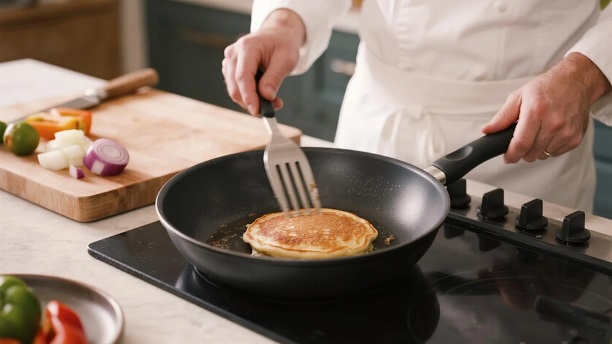
How to Make Healthy, Fluffy Pancakes from Scratch
Pancakes are one of the most loved breakfast foods worldwide. However, many recipes focus only on taste and ignore nutrition, digestion, and ingredient quality. At NFH Clinic, we believe even comfort foods can be made smarter for your body.
“Breakfast sets the metabolic tone for the day. When prepared correctly, even pancakes can provide balanced energy instead of a sugar crash.” — Dr. McLee Tembo
This guide shows you how to make fluffy pancakes, explains why each step matters, and offers healthier swaps backed by nutrition knowledge.
Why Homemade Pancakes Are Better for Your Health
Store-bought mixes often contain preservatives, excess sodium, refined sugars, and low-quality fats. Making pancakes from scratch allows you to:
- Control sugar levels
- Choose better fats
- Avoid artificial additives
- Improve digestion with proper mixing and resting
As a result, your breakfast becomes energy-supportive, not energy-draining.
Ingredients (Balanced Standard Recipe)
This recipe maintains fluffiness while improving nutritional value.
- 1½ cups all-purpose flour
(Option: Use half whole wheat flour for more fiber) - 3½ teaspoons baking powder
- 1 tablespoon sugar
(Optional: Reduce or replace with honey) - 1 teaspoon salt
- 1¼ cups milk (whole or 2%)
(Option: Almond or oat milk for lactose intolerance) - 1 large egg
- 3 tablespoons melted butter (cooled) or avocado oil
- 1 teaspoon vanilla extract (optional)
Step-by-Step Instructions (With Health Explanations)
1. Mix the Dry Ingredients
Whisk flour, baking powder, sugar, and salt in a bowl.
Why this matters: Even distribution of baking powder ensures uniform rise and prevents dense spots.
2. Combine the Wet Ingredients
Whisk egg, milk, melted butter, and vanilla in a separate bowl.
Why this matters: Pre-mixing wet ingredients prevents overmixing later, which keeps pancakes soft.
3. Make the Batter (Do NOT Overmix)
Pour wet ingredients into dry. Stir gently until just combined. Lumps are normal.
Important: Overmixing develops gluten, making pancakes tough and harder to digest.
4. Rest the Batter (5–15 Minutes)
Let the batter sit.
This step is often skipped but very important.
Resting allows:
- Flour to hydrate
- Gluten to relax
- Baking powder to activate
This results in lighter pancakes and easier digestion.
5. Heat the Pan Properly
Use medium-low to medium heat. Lightly grease with butter or oil.
Too much heat burns the outside while leaving the inside undercooked.
6. Cook the Pancakes
Use ¼ cup batter per pancake. Cook 2–3 minutes until bubbles form and edges look set.
7. Flip Once Only
Flip and cook 1–2 minutes until golden.
Frequent flipping flattens pancakes and makes them dense.
8. Keep Warm
Store in a 200°F (95°C) oven while finishing the batch.
Expert Tips for Perfect Pancakes
- Lumps are good — smooth batter leads to rubbery texture.
- The first pancake tests pan temperature.
- Add fruit or chocolate chips after pouring batter onto the pan.
- Use a heavy pan for even heat distribution.
Healthy Pancake Upgrades
| Goal | Smart Swap |
|---|---|
| More fiber | Replace half the flour with whole wheat |
| Higher protein | Add 1 tbsp chia seeds or Greek yogurt |
| Lower sugar | Use mashed banana instead of sugar |
| Dairy-free | Almond, soy, or oat milk |
| Heart-healthy fats | Avocado oil instead of butter |
Common Pancake Problems (Solved)
Flat pancakes? Baking powder may be expired.
Dense texture? You overmixed.
Burning quickly? Heat is too high.
Gummy inside? Batter too thick or pan too hot.
Nutritional Perspective
When balanced with fruit, protein (like yogurt or eggs), and healthy fats, pancakes can:
- Provide steady energy
- Support muscle function
- Prevent mid-morning crashes
“Food should nourish, not just fill. Smart ingredient choices turn traditional meals into health-supportive ones.” — Dr. McLee Tembo
FAQs: How to Make Pancakes
1. What makes pancakes fluffy?
Fluffy pancakes depend on fresh baking powder, gentle mixing, and resting the batter. Overmixing develops gluten, which makes pancakes dense instead of light.
2. Why should pancake batter rest before cooking?
Resting the batter for 5–15 minutes allows flour to hydrate and gluten to relax. This improves texture, rise, and digestion.
3. Can pancakes be healthy?
Yes. Pancakes can be healthy when made with whole grains, reduced sugar, quality fats, and balanced with protein and fruit.
4. What is the healthiest flour for pancakes?
Whole wheat flour, oat flour, or a half-and-half mix with all-purpose flour increases fiber and helps stabilize blood sugar levels.
5. How do I make pancakes without dairy?
Use almond, oat, soy, or coconut milk. Avocado oil or coconut oil can replace butter.
6. Why are my pancakes flat and dense?
Common causes include expired baking powder, overmixing, or batter that is too thin.
7. How can I add more protein to pancakes?
You can add Greek yogurt, chia seeds, protein powder, or serve pancakes with eggs or nut butter.
8. What heat should I use to cook pancakes?
Medium-low to medium heat works best. High heat burns the outside while leaving the inside undercooked.
Final Takeaway
Making pancakes is simple. Making them light, fluffy, and body-friendly requires technique and ingredient awareness. Small adjustments can turn a comfort food into a balanced breakfast.
NFH Clinic encourages mindful cooking — because health starts in the kitchen.
Related Articles: