Effective behavioral health practice management is no longer just about scheduling appointments and submitting insurance claims. Today, it plays a critical role in improving patient outcomes, protecting sensitive data, ensuring regulatory compliance, and maintaining financial sustainability in mental health and substance use treatment settings.
As demand for mental health services continues to rise globally, clinics that invest in structured, technology-driven practice management systems are better positioned to deliver consistent, high-quality care while reducing administrative overload.
“Strong behavioral health outcomes start behind the scenes. When systems run smoothly, clinicians can focus fully on the human side of care,”
— McLee Tembo, Telehealth Health Consultant & Preventive Care Specialist
This guide explains what behavioral health practice management is, why it matters, which tools and strategies work best today, and how clinics like NFH can future-proof their operations.
What Is Behavioral Health Practice Management?
Behavioral health practice management refers to the systems, processes, and technologies used to operate mental health, psychology, psychiatry, and substance use treatment practices efficiently.
It combines clinical workflows, practice management software, behavioral health EHR systems, billing and revenue cycle management, telehealth, and patient engagement tools into one coordinated ecosystem.
The goal is simple:
- Improve patient care
- Reduce clinician burnout
- Strengthen compliance and data security
- Increase revenue predictability
Why Behavioral Health Practice Management Matters
Mental health practices face unique operational challenges that general medical clinics do not, including longer session times, complex documentation, frequent insurance denials, and strict confidentiality requirements.
Without a dedicated behavioral health management system, clinics often experience:
- Delayed reimbursements
- Incomplete clinical documentation
- Scheduling inefficiencies
- Compliance risks
- Staff burnout
A well-designed practice management framework helps clinics scale safely while maintaining ethical and clinical standards.
Core Components of Behavioral Health Practice Management
1. Specialized Behavioral Health EHR and Practice Management Software
Unlike generic EHR platforms, behavioral health-specific systems are designed to support therapy workflows, psychiatric evaluations, and long-term treatment plans.
Key features include:
- Therapy-specific note templates (SOAP, DAP, BIRP)
- Integrated scheduling and calendar management
- Treatment plan tracking
- Outcome measurement tools
- Behavioral health compliance support
Examples of widely used behavioral health EHR software include Valant, TherapyNotes, ICANotes, Zanda, and eClinicalWorks.
2. Billing and Revenue Cycle Management for Mental Health Practices
Billing is one of the most complex areas of behavioral health practice management. Claims must align with ICD-10 and CPT codes while meeting payer-specific requirements.
Modern behavioral health billing software helps with:
- Automated claim submission
- Eligibility verification
- Denial management
- Accurate coding for therapy and psychiatric services
- Revenue reporting and forecasting
Effective billing systems significantly reduce cash-flow disruptions and administrative errors.
“Financial stability allows clinics to invest in better care, better staff support, and better patient access,”
— McLee Tembo
3. Clinical Documentation and Workflow Automation
Documentation is essential but time-consuming. Many modern behavioral health platforms now include AI-assisted documentation tools that help clinicians complete notes faster without sacrificing accuracy.
Benefits include:
- Faster session note completion
- Reduced after-hours charting
- Improved compliance audits
- Consistent clinical records
Automated workflows also streamline referrals, follow-ups, and care coordination.
4. Patient Engagement, Portals, and Secure Communication
Patient engagement is a growing priority in behavioral health care. Secure digital tools improve attendance, adherence, and satisfaction while protecting privacy.
Essential engagement tools include:
- Secure patient portals
- Appointment reminders
- Online intake forms
- Encrypted messaging
- Teletherapy access
All systems must comply with HIPAA and local data protection regulations to safeguard sensitive mental health information.
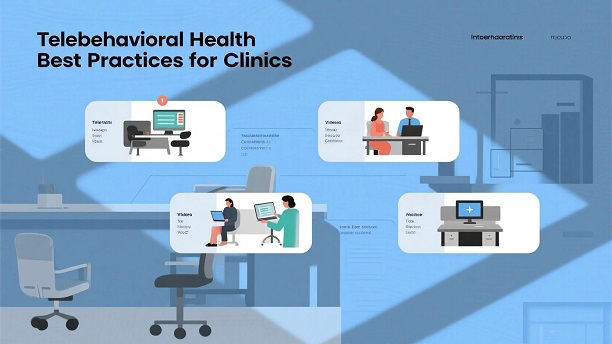
5. Telehealth and Hybrid Care Models
Telehealth has become a permanent and essential part of behavioral health practice management.
Telebehavioral health solutions support:
- Remote therapy and psychiatric consultations
- Continuity of care for rural or underserved populations
- Flexible scheduling
- Reduced no-show rates
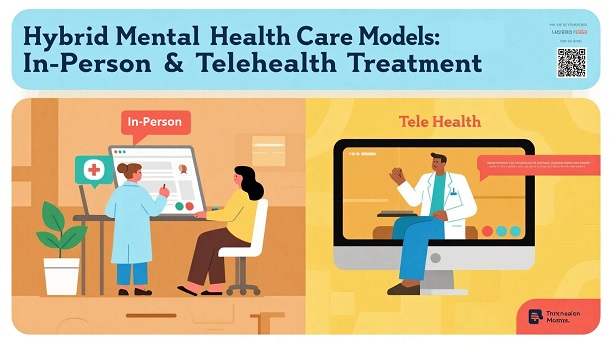
For clinics like NFH, hybrid models combining in-person and virtual care improve accessibility without compromising clinical quality.
6. Integrated Behavioral Health and Primary Care Models
Behavioral Health Integration (BHI) brings mental health services into primary care settings, improving early detection and treatment outcomes.
Benefits include:
- Better coordination between providers
- Improved patient outcomes
- Increased reimbursement opportunities
- Reduced stigma around mental health care
Integrated care models are increasingly encouraged by payers and public health systems.
Top Behavioral Health Practice Management Software Platforms
TherapyNotes
Known for ease of use, TherapyNotes offers strong documentation tools, scheduling, billing, and telehealth features tailored to therapists and counselors.
Valant
Designed specifically for behavioral health clinics, Valant excels in outcome tracking, compliance support, and psychiatric workflows.
eClinicalWorks
A scalable option for larger practices and integrated care models, offering behavioral health EHR functionality alongside primary care tools.
ICANotes
Focused on rapid clinical documentation using structured narrative technology, helping clinicians reduce note-writing time.
Zanda
A flexible practice management solution suited for group practices, offering scheduling, billing, and client communication tools.
Choosing the right platform depends on clinic size, service mix, payer contracts, and long-term growth goals.
Best Practices for Successful Behavioral Health Practice Management
To maximize results, clinics should:
- Invest in behavioral health-specific software
- Train staff consistently on systems and compliance
- Monitor billing performance and denial trends
- Use data to track patient outcomes
- Regularly update privacy and security protocols
- Align technology with clinical goals
“Technology should support care, not complicate it. The best systems feel invisible to both clinicians and patients,”
— McLee Tembo
The Future of Behavioral Health Practice Management
The future is data-driven, patient-centered, and hybrid by design. Emerging trends include:
- AI-assisted clinical documentation
- Predictive analytics for patient outcomes
- Expanded telehealth reimbursement
- Value-based behavioral health care models
- Deeper integration between mental and physical health services
Clinics that adapt early will be better equipped to meet rising demand while maintaining care quality.
Final Thoughts
Behavioral health practice management is the backbone of sustainable, ethical, and effective mental health care. With the right systems in place, clinics can reduce administrative stress, protect patient data, improve outcomes, and build long-term financial resilience.
For organizations like NFH Clinic, investing in modern behavioral health management solutions is not just an operational decision—it is a commitment to better care delivery and healthier communities.
FAQs About Behavioral Health Practice Management
What is behavioral health practice management?
Behavioral health practice management refers to the systems, processes, and technologies used to operate mental health and substance use treatment practices efficiently. It includes behavioral health EHR software, billing and revenue cycle management, clinical documentation, telehealth, and patient engagement tools designed specifically for mental healthcare workflows.
How is behavioral health practice management different from general medical practice management?
Behavioral health practice management addresses unique needs such as longer session times, therapy-specific documentation, confidentiality requirements, and complex insurance coding. Unlike general medical systems, behavioral health platforms support psychotherapy notes, psychiatric evaluations, treatment plans, and outcome tracking while maintaining strict data privacy standards.
What software is best for behavioral health practice management?
The best behavioral health practice management software depends on clinic size and services offered. Popular options include TherapyNotes, Valant, ICANotes, Zanda, and eClinicalWorks. These platforms offer specialized documentation, scheduling, billing, telehealth, and compliance features tailored to mental health providers.
How does behavioral health EHR software improve patient care?
Behavioral health EHR software improves patient care by streamlining documentation, tracking treatment progress, reducing administrative burden, and enabling better care coordination. Clinicians spend less time on paperwork and more time engaging with patients, leading to improved outcomes and satisfaction.
Is telehealth part of behavioral health practice management?
Yes. Telehealth is now a core component of behavioral health practice management. Telebehavioral health platforms enable secure virtual therapy sessions, psychiatric consultations, follow-ups, and continuity of care, especially for patients in remote or underserved areas.
How does practice management help with behavioral health billing and insurance claims?
Practice management systems automate insurance eligibility checks, claim submission, ICD-10 and CPT coding, and denial tracking. This reduces billing errors, shortens reimbursement timelines, and improves overall revenue cycle performance for behavioral health clinics.
What is behavioral health integration (BHI) in practice management?
Behavioral Health Integration (BHI) combines mental health services with primary care. Practice management systems support this model by enabling shared records, coordinated care plans, and billing workflows that align with integrated care reimbursement programs.
Is behavioral health practice management secure and HIPAA compliant?
Modern behavioral health practice management platforms are designed to meet HIPAA and data protection requirements. They include encrypted communication, role-based access controls, secure patient portals, and audit logs to protect sensitive mental health information.
How can small or growing clinics benefit from behavioral health practice management?
Small and growing clinics benefit by reducing administrative workload, improving scheduling efficiency, minimizing billing errors, and scaling services without increasing staff burnout. Cloud-based systems allow clinics to grow sustainably while maintaining care quality.
What are the future trends in behavioral health practice management?
Future trends include AI-assisted clinical documentation, predictive analytics for treatment outcomes, expanded telehealth reimbursement, value-based behavioral health care models, and deeper integration between mental and physical healthcare systems.
Related Articles: