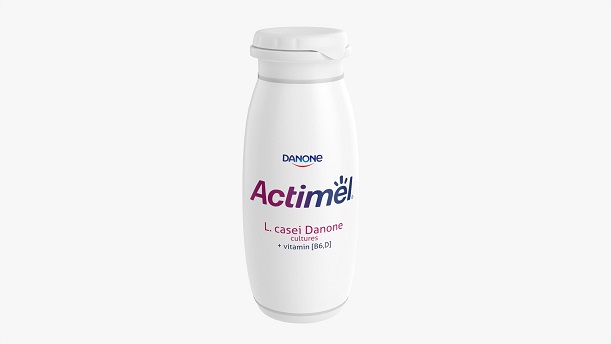
Actimel Recall: Is There a Reason to Worry?
In recent months, many patients have contacted NFH Clinic asking the same question:
“Has Actimel been recalled?”
The short answer is reassuring.
As of the latest Food Standards Agency (FSA) alerts, there are no recalls involving Danone’s Actimel yogurt products.
However, confusion has arisen because other Danone products — specifically certain batches of infant formula — were recalled. This article explains what actually happened, who is affected, and how families can respond safely and confidently.
What Was Actually Recalled?
Recent food safety alerts from UK and Irish authorities (FSA/FSAI) relate to:
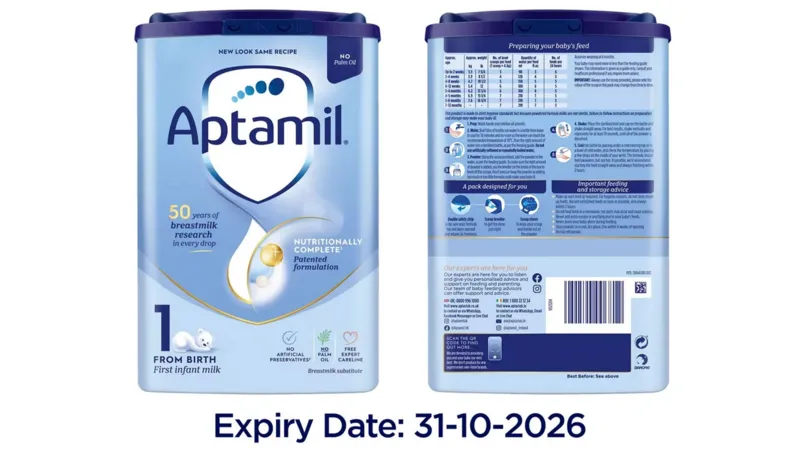
- Aptamil First Infant Milk
- Cow & Gate First Infant Milk
- Cow & Gate Anti-Reflux
These recalls were not connected to Actimel or other yogurt products.
Why Were These Products Recalled?
Investigations identified potential contamination with cereulide, a toxin produced by certain strains of Bacillus cereus bacteria.
What is Cereulide?
Cereulide is:
- A heat-stable toxin
- Not destroyed by cooking or preparation
- Known to trigger rapid-onset gastrointestinal symptoms
Even when formula is prepared correctly, the toxin may remain active.
Symptoms Linked to Cereulide Exposure
If consumed, cereulide may cause:
- Nausea
- Vomiting
- Abdominal cramps
- Symptoms developing quickly after ingestion
In infants, vomiting can lead to dehydration, which requires careful monitoring.
Specific Batch Details (Example from Alerts)
One widely reported recall involved:
- Product: Aptamil First Infant Milk (800g)
- Pack Code: EXP 31-10-2026
- Sales Period: May–July 2025
Authorities confirmed that only specific batches were affected, not all products.
Important: Always check current FSA alerts for updated batch numbers.
Where Did the Contamination Originate?
According to FSA investigations:
- The issue was linked to a shared third-party ingredient supplier
- The ingredient involved was identified as arachidonic acid (ARA) oil
Why is ARA Oil Used?
ARA oil is added to infant formula because it:
- Supports brain and eye development
- Mimics beneficial fatty acids found in breast milk
Unfortunately, contamination can occur even in regulated supply chains, which is why recalls exist as a protective measure.
What Should Parents Do?
If you have purchased infant formula:
1. Check the Batch Code
Look on the lower back of the pack for:
- Expiry date
- Batch number
- Time code
2. Do Not Use Affected Products
Return them to the retailer for a full refund (receipt not always required).
3. Switch to an Alternative Formula
Healthcare providers generally advise moving to:
- A different batch
- A different product if needed
When Should You Seek Medical Advice?
Contact your GP, pediatrician, or emergency services if:
- Your baby shows persistent vomiting
- There are signs of dehydration, such as:
- Fewer wet nappies
- Dry mouth
- Lethargy
In the UK, parents may contact NHS 111 for urgent guidance.
Patient-Centered Case Examples
Case Example 1: Mild Symptoms
A 3-month-old infant presented with vomiting shortly after feeds.
The parents checked the formula pack and discovered it matched a recalled batch.
Outcome:
- Formula discontinued
- Infant monitored
- Symptoms resolved within 24 hours
Clinical Insight: Early recognition reduced risk of dehydration.
Case Example 2: Preventive Action
A mother saw media coverage about recalls and checked her unopened formula tins.
Outcome:
- One recalled batch identified
- Product returned
- Baby never exposed
Clinical Insight: Proactive checks prevent unnecessary health concerns.
How Common Are Serious Complications?
Evidence from food safety investigations suggests:
- Most exposures result in short-term gastrointestinal symptoms
- Severe complications are rare but possible, particularly in vulnerable groups like infants
Prompt medical care greatly improves outcomes.
Why Food Recalls Matter
Although recalls may cause anxiety, they represent:
- A functioning safety system
- Active monitoring by:
- Food Standards Agency (FSA)
- Food Standards Authority of Ireland (FSAI)
- Manufacturers
These systems are designed to protect public health, especially infants.
Key Reassurance for Patients
Let us clarify an important point:
Actimel yogurt products have not been recalled.
The recall discussions relate specifically to selected infant formula batches.
How to Stay Updated on Food Safety
For the most accurate information:
- Visit the Food Standards Agency (FSA) website
- Sign up for food recall alerts
- Consult your healthcare provider if unsure
Avoid relying solely on social media posts, which may mix unrelated product information.
Frequently Asked Questions About Actimel Recall
Has Actimel been recalled?
No. According to the latest Food Standards Agency (FSA) alerts, Danone’s Actimel yogurt products are not subject to any recall. Recent recalls involve specific batches of infant formula, not yogurt products.
Which Danone products were recalled?
Selected batches of Aptamil First Infant Milk and Cow & Gate infant formula products were recalled due to potential contamination with cereulide toxin.
What is cereulide toxin?
Cereulide is a heat-stable toxin produced by certain strains of Bacillus cereus. It is not destroyed by cooking or formula preparation and can trigger nausea, vomiting, and abdominal cramps.
What symptoms should parents watch for?
Symptoms may include:
- Vomiting
- Nausea
- Abdominal discomfort
- Signs of dehydration in infants (fewer wet nappies, lethargy, dry mouth)
Seek medical advice if symptoms persist.
How do I check if my infant formula is affected?
Look for the batch number, expiry date, and time code on the lower back of the packaging. Compare it with official FSA recall alerts.
What should I do if I have a recalled product?
Do not use it. Return the product to the retailer for a full refund. A receipt is typically not required.
Is cereulide contamination dangerous for babies?
Most cases lead to short-term gastrointestinal symptoms. However, infants are vulnerable to dehydration, so monitoring and early medical care are important.
Can I continue using other batches of the same formula?
Yes, unless advised otherwise by the FSA or your healthcare provider. Only specific batches are typically affected.
Where can I verify food recalls?
Check the Food Standards Agency (FSA) or Food Standards Authority of Ireland (FSAI) websites for official updates.
Should I switch formulas if my baby is well?
Only if your product matches a recalled batch or your healthcare provider recommends a change.
NFH Clinic Perspective
At NFH Clinic, we understand that:
- Infant feeding decisions are deeply personal
- Food safety alerts can be stressful
- Conflicting online information increases anxiety
Our clinicians encourage families to:
- Verify batch details calmly
- Seek professional advice when needed
- Focus on evidence-based guidance
Final Takeaway
- No Actimel recall is in place
- Specific infant formula batches were recalled
- Cereulide toxin can cause vomiting
- Early action reduces health risks
- Trusted sources like the FSA provide reliable updates
Need Personalised Advice?
If you are concerned about:
- Infant feeding
- Digestive symptoms
- Nutrition safety
NFH Clinic is here to help. Book a consultation with one of our healthcare professionals for tailored guidance.
Related Articles: