When parents search online for “Actimel baby milk,” confusion often follows. Is Actimel suitable for babies? Does Actimel make infant formula? Or is it something else entirely?
This article clarifies the facts, corrects common misconceptions, and helps you make safe, evidence-based feeding decisions for your child.
Understanding the Confusion: Actimel vs Baby Formula
Let’s address the key point first:
Actimel is not baby milk or infant formula.
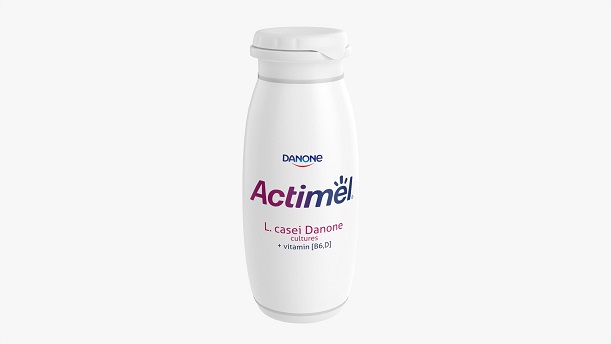
Actimel is a probiotic yoghurt drink designed for children aged 3 years and older and adults. It is marketed for immune support and gut health, not infant nutrition.
There is no official Actimel product formulated for babies or infants.
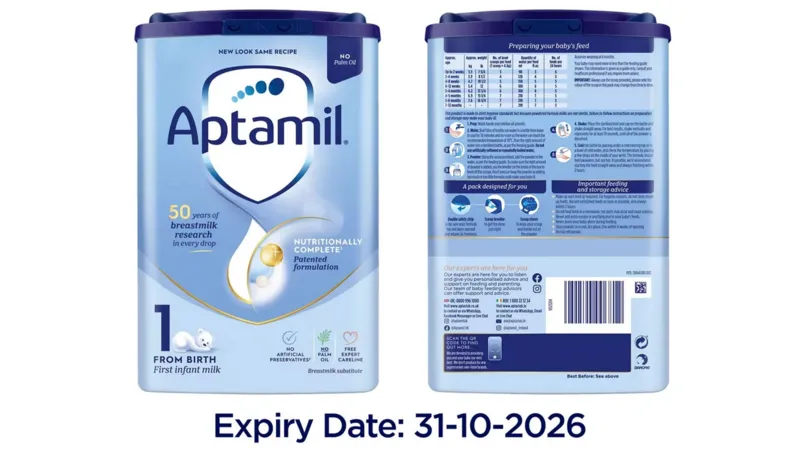
However, many search results show Aptamil, a well-known infant formula brand. This mix-up often leads parents to wonder if Actimel and Aptamil are related.
What Is Actimel?
Actimel is a fermented dairy drink that typically contains:
- Live cultures (including L. casei Danone)
- Vitamins such as B6 and D (varies by region)
- Milk-based ingredients
- Added sugars (depending on variant)
Age Recommendation
Most product guidelines state:
Suitable for ages 3+
Why Not for Babies?
Infants have unique nutritional needs that yoghurt drinks cannot meet safely, including:
- Precise protein balance
- Essential fatty acids
- Correct mineral ratios
- Controlled kidney solute load
Giving yoghurt drinks to babies may increase risks of:
- Nutritional imbalance
- Excess sugar intake
- Digestive discomfort
What Is Aptamil Baby Milk?
Unlike Actimel, Aptamil is infant formula, specifically developed for babies.
Aptamil Product Stages
Aptamil 1 – First Infant Milk
- Age: From birth to 6 months
- Purpose: Breastmilk substitute when breastfeeding is not possible
Aptamil 2 – Follow-On Milk
- Age: 6–12 months
- Used alongside complementary foods
Aptamil 3 – Toddler Milk
- Age: 1–3 years
Key Nutritional Features of Aptamil
Modern Aptamil formulas often include:
- DHA (Omega-3) – Supports brain and visual development
- Prebiotics (GOS/FOS) – Supports gut microbiota
- Iron – Helps prevent deficiency
- Balanced protein composition
When prepared correctly, infant formula is considered nutritionally complete for babies who are not breastfed.
Safety Considerations for Infant Formula
Infant formula safety depends heavily on proper preparation.
Best Practices
- Use freshly boiled water cooled to ~70°C
- Follow exact powder-to-water ratios
- Discard unused formula after feeding
- Sterilise bottles properly
Incorrect preparation can lead to:
- Dehydration
- Underfeeding
- Bacterial contamination
Specialised Formulas: When Are They Needed?
Some babies may require specific formulations:
Aptamil Anti-Reflux
For babies with frequent regurgitation
Aptamil Comfort
For colic or constipation tendencies
Important:
These should be used under medical supervision.
Patient-Centered Case Examples
Case 1: “Can I Give Actimel to My 8-Month-Old?”
Scenario:
A mother introduces Actimel believing probiotics will improve her baby’s immunity.
Clinical Guidance:
Actimel is not designed for infants. At this age, babies need breastmilk or infant formula. Probiotics for infants should only be used when recommended by a healthcare professional.
Outcome:
After switching back to formula feeding, the baby’s digestion stabilised.
Case 2: “My Baby Has Reflux — Should I Change Formula?”
Scenario:
A 4-month-old has persistent spit-ups.
Clinical Assessment:
Normal infant reflux vs pathological reflux
Recommendation:
Trial of Anti-Reflux formula under paediatric review
Outcome:
Reduced regurgitation and improved weight gain
Case 3: “Toddler Refuses Milk — Can Actimel Help?”
Scenario:
A 2-year-old rejects milk but accepts yoghurt drinks.
Clinical Insight:
Actimel may be acceptable occasionally, but it cannot replace balanced toddler nutrition.
Plan:
Diet diversification + calcium-rich alternatives
Outcome:
Improved dietary variety
Evidence & Clinical Perspective
Infant Nutrition Evidence
Authoritative bodies (WHO, UNICEF, ESPGHAN) state:
- Breastmilk is optimal
- Infant formula is a safe alternative when needed
- Dairy drinks are not substitutes for infant feeding
Probiotics in Children
Evidence suggests probiotics may:
- Support gut microbiome
- Reduce some diarrhoeal illnesses
- Offer modest immune benefits
However:
Benefits vary by strain, dose, and age group
Common Parent Questions
Is there an Actimel baby milk product?
No. Actimel does not manufacture infant formula or baby milk. It is a probiotic yoghurt drink intended for children aged 3 years and older.
Can babies drink Actimel?
Actimel is not recommended for infants. Babies require breastmilk or nutritionally complete infant formula designed specifically for their developmental needs.
Why is Actimel unsuitable for babies?
Actimel lacks the precise nutrient balance infants need, including appropriate protein levels, essential fats, iron, and mineral ratios required for safe growth.
What milk should babies drink instead?
For babies under 12 months, breastmilk or infant formula is recommended. After 12 months, whole cow’s milk may be introduced if medically appropriate.
Is Aptamil the same as Actimel?
No. Aptamil is infant formula developed for babies. Actimel is a probiotic yoghurt drink for older children and adults.
Are probiotic drinks safe for toddlers?
Some probiotic drinks may be suitable for toddlers, depending on age, sugar content, and dietary balance. Always check labels and consult a healthcare provider if unsure.
When should I change my baby’s formula?
Formula changes should be considered if a baby has persistent reflux, constipation, allergies, or feeding difficulties — ideally under clinical guidance.
Do babies need probiotics?
Most healthy babies do not require probiotics routinely. Probiotic supplementation should only be used when recommended by a healthcare professional.
When to Seek Professional Advice
Consult a clinician if your child has:
- Poor weight gain
- Persistent vomiting
- Feeding refusal
- Suspected allergies
- Severe constipation or colic
Key Takeaways
- Actimel is not baby milk
- Actimel is designed for ages 3+
- Aptamil is a true infant formula
- Infant feeding requires precision and safety
- Always verify age suitability on labels
NFH Clinic Guidance
At NFH Clinic, we regularly help families navigate:
- Formula selection
- Feeding transitions
- Digestive concerns
- Nutritional deficiencies
If you’re unsure about your child’s milk or feeding plan, our clinicians can provide personalised, evidence-based guidance.
Related Articles: