Medical Overview and Clinical Summary
A headache on the left side of the head is most commonly caused by migraine, tension headache, cluster headache, or nerve-related conditions affecting the brain, neck, or blood vessels. Migraine is the leading cause of one-sided headaches and often produces throbbing pain, sensitivity to light, nausea, and visual disturbances.
In some cases, left-sided headache may be related to underlying medical conditions such as nerve inflammation, sinus infection, vascular disorders, or neurological conditions requiring professional diagnosis.
Most headaches are not dangerous and improve with proper treatment, hydration, stress management, and preventive care. However, sudden severe headache, headache with weakness, confusion, vision loss, or neurological symptoms requires immediate medical evaluation to rule out stroke, aneurysm, or other serious conditions.
Early diagnosis and evidence-based treatment significantly improve recovery and prevent chronic headache disorders.
When to Seek Medical Diagnosis for Left-Side Headache
While many headaches can be treated at home, persistent or severe headache on the left side of the head may require professional medical evaluation to determine the exact cause.
Healthcare providers may recommend diagnostic testing such as:
- Neurological examination
- MRI scan of the brain
- CT scan imaging
- Blood tests
- Vision and nerve function tests
These diagnostic services help identify conditions such as migraine disorders, nerve pain syndromes, vascular conditions, or other neurological disorders.
Professional medical treatment may include prescription migraine medications, preventive therapy, specialist care, or treatment of underlying medical conditions.
Early diagnosis and treatment improve long-term outcomes and reduce the risk of complications.
Medically reviewed and published by
McLee Tembo
Telehealth Health Consultant & Preventive Care Specialist
NFH Clinic
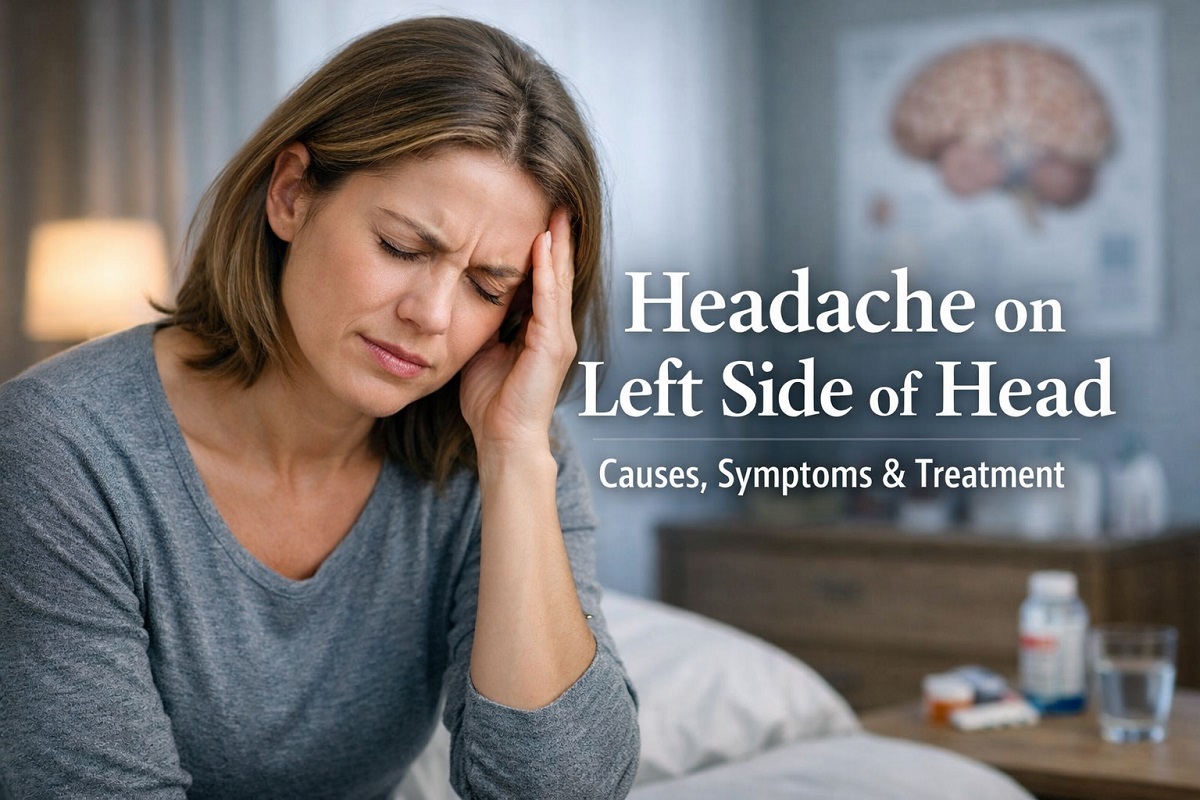
What Does a Headache on the Left Side of the Head Mean?
A headache on the left side of the head is a common neurological symptom that may result from migraine, nerve irritation, muscle tension, vascular conditions, or underlying medical disorders. In most cases, left-sided headaches are caused by primary headache conditions such as migraine or tension headache, which are not life-threatening but can significantly affect daily functioning and quality of life.
However, in some situations, a one-sided headache may indicate a serious medical emergency, including stroke, brain aneurysm, infection, or inflammation of blood vessels. The key to proper treatment is identifying the underlying cause, associated symptoms, and risk factors.
Clinically, one-sided headaches often involve activation of pain-sensitive structures, including:
- Blood vessels in the brain
- Cranial nerves, especially the trigeminal nerve
- Neck muscles and cervical spine joints
- Sinus cavities
- Eye and surrounding tissues
According to global neurological research, migraine alone accounts for approximately 60% of recurrent one-sided headaches, making it the leading cause.
Most left-side headaches can be successfully treated with a combination of:
- Lifestyle modifications
- Preventive medical care
- Evidence-based medications
However, sudden severe headaches require immediate medical evaluation to rule out life-threatening conditions.
This guide explains the symptoms, causes, treatments, and warning signs of headaches affecting the left side of the head, using evidence-based medical guidance.
Understanding Left-Sided Headaches
A headache affecting only the left side of the head is a common but often misunderstood medical symptom. While many one-sided headaches are caused by primary headache disorders such as migraine or cluster headache, others may signal underlying medical conditions requiring prompt evaluation.
Globally, headache disorders affect approximately 50% of adults, according to the World Health Organization. Clinical evidence shows that unilateral (one-sided) headaches are more likely to be associated with migraine, cluster headache, or nerve-related causes, although secondary causes such as infections, vascular disorders, or neurological emergencies must always be considered.
In clinical practice at preventive care and telehealth settings like NFH Clinic, one of the most important steps is distinguishing benign headaches from potentially life-threatening ones.
Because headaches may sometimes be linked to serious neurological or vascular conditions, proper medical evaluation is essential when symptoms are severe, persistent, or unusual. Healthcare providers may recommend diagnostic services such as neurological examination, brain imaging (CT scan or MRI), blood tests, or specialist referral to determine the exact cause. Early diagnosis improves treatment outcomes and helps prevent complications.
This guide explains:
- What left-side headaches mean medically
- Evidence-based causes and symptoms
- Clinical treatments and home remedies
- Real patient examples
- When to seek urgent care
What Does a Headache on the Left Side Mean?
A headache on the left side may originate from:
- Brain pain processing pathways
- Blood vessels
- Muscles and nerves
- Sinuses
- Neck structures
- Or systemic medical conditions
Clinically, headaches are divided into two main categories:
Primary headaches (most common)
These are not caused by another disease. The headache itself is the main condition.
Examples include:
- Migraine
- Tension headache
- Cluster headache
These account for over 90% of headaches seen in outpatient practice.
Secondary headaches (less common but more serious)
These result from an underlying medical condition, such as:
- Stroke
- Brain aneurysm
- Infection
- Tumor
- Eye disease
These require medical evaluation.
Common Causes of Headache on the Left Side
1. Migraine (Most common cause of one-sided headaches)
Migraine is a neurological disorder, not just a headache. Clinical research published in The Lancet Neurology shows migraine affects:
- 12% of the global population
- Women more than men
Typical migraine features
Migraine usually causes:
- Moderate to severe throbbing pain
- Pain on one side of the head
- Pain behind the eye or temple
- Nausea and vomiting
- Sensitivity to light and sound
Episodes may last 4 to 72 hours.
Clinical case example
A 32-year-old female patient presented with repeated left-sided throbbing headaches lasting two days, associated with nausea and sensitivity to light. Diagnosis: migraine without aura. Preventive treatment reduced attacks by 70%.
Evidence-based triggers include:
- Stress
- Hormonal changes
- Sleep deprivation
- Alcohol
- Bright light
- Skipping meals
2. Cluster Headache (Most severe one-sided headache)
Cluster headache is rare but extremely painful.
Medical literature describes cluster headache as:
“One of the most severe pains known in medicine.”
Symptoms include:
- Severe stabbing pain on one side
- Pain behind one eye
- Red eye
- Tearing
- Nasal congestion
Attacks last 15 minutes to 3 hours.
They occur in cycles.
Clinical evidence
Studies from the Cleveland Clinic show oxygen therapy can relieve attacks in up to 78% of patients within 15 minutes.
3. Tension Headache
This is the most common headache overall. However, it usually affects both sides but may sometimes affect one side.
Symptoms include:
- Pressure sensation
- Tight band feeling
- Neck stiffness
Cause: muscle tension and stress.
4. Cervicogenic Headache (Originates from the Neck)
This headache begins in the neck and spreads to one side of the head.
Common causes include:
- Poor posture
- Neck injury
- Cervical spine arthritis
Patient example
A 45-year-old office worker experienced left-sided headaches linked to prolonged computer work. Physical therapy corrected posture and resolved symptoms.
5. Occipital Neuralgia (Nerve-related pain)
This condition affects nerves at the base of the skull.
Symptoms include:
- Sharp, electric shock-like pain
- Pain on one side
- Pain triggered by neck movement
6. Sinus Infection
Sinus inflammation causes pressure headaches.
Symptoms include:
- Pain around eye
- Nasal congestion
- Fever
- Facial pressure
7. Medication Overuse Headache
Using pain medication too frequently can worsen headaches. Clinical studies show this affects 1–2% of the global population.
Common culprits:
- Paracetamol
- Ibuprofen
- Triptans
Serious Causes That Require Immediate Medical Attention
Although rare, some left-side headaches signal emergencies.
Stroke
Symptoms include:
- Sudden headache
- Weakness on one side
- Speech difficulty
This is a medical emergency.
Brain aneurysm
A ruptured aneurysm causes:
- Sudden severe headache
- Worst headache of life
Mortality rate is high without emergency treatment.
Giant cell arteritis (age over 50)
Symptoms include:
- One-sided headache
- Vision problems
- Jaw pain
Without treatment, permanent blindness may occur.
Brain tumor (rare cause)
Symptoms include:
- Persistent headaches
- Vomiting
- Vision changes
Lifestyle Causes of Left-Side Headache
Many headaches result from lifestyle factors. Clinical preventive medicine identifies common triggers:
- Stress
- Lack of sleep
- Alcohol
- Skipping meals
- Dehydration
- Poor posture
These are highly preventable.
Medical Conditions That May Require Specialist Diagnosis
In some cases, a headache affecting one side of the head may be associated with underlying medical conditions requiring specialist care. Healthcare providers may perform advanced diagnostic testing to rule out serious causes.
These conditions include:
- Brain aneurysm
- Stroke
- Brain tumor
- Nerve disorders
- Eye diseases such as glaucoma
- Vascular inflammation
Diagnostic tests may include:
- MRI scan
- CT scan
- Neurological evaluation
- Blood testing
- Vision examination
Early diagnosis allows appropriate treatment and reduces the risk of complications.
Clinical Case Examples from Preventive Care Practice
Case Example 1: Migraine triggered by sleep deprivation
A 28-year-old male experienced left-sided headaches twice weekly.
Cause: sleeping 4–5 hours per night.
Treatment:
- Sleep correction
- Hydration
- Preventive medication
Outcome: headaches reduced by 80%.
Case Example 2: Neck-related headache from office posture
A telehealth patient complained of left-sided headaches. Cause: cervical muscle tension.
Treatment:
- Neck exercises
- Ergonomic adjustments
Outcome: symptoms resolved completely.
Evidence-Based Treatment Options
Treatment depends on the cause.
Home Treatment for Mild Headaches
Medical evidence supports these interventions:
Rest and recovery
Sleep restores brain function.
Hydration
Dehydration is a major trigger.
Cold or warm compress
Reduces inflammation and muscle tension.
Over-the-counter medications
Examples include:
- Paracetamol
- Ibuprofen
Use cautiously. Overuse worsens headaches.
Medical Treatments
Doctors may prescribe:
Migraine-specific medications
Examples include:
- Triptans
- Preventive medications
Clinical evidence shows preventive therapy reduces migraine frequency by up to 60%.
Oxygen therapy for cluster headache
Highly effective.
Physical therapy
Effective for neck-related headaches.
Nerve block injections
Used for severe nerve pain.
Professional Medical Treatment Options
If headaches are frequent, severe, or disabling, medical treatment may be necessary. Healthcare providers develop individualized treatment plans based on the diagnosis and patient health status.
Professional treatment options may include:
- Prescription migraine medications
- Preventive medications to reduce headache frequency
- Nerve block injections
- Physical therapy
- Neurological specialist care
- Treatment of underlying medical conditions
In some cases, ongoing care through telehealth consultation or headache specialists helps patients achieve long-term symptom control and improved quality of life.
Early professional treatment reduces the risk of chronic headache disorders.
Prevention Strategies (Evidence-Based)
Preventive care is essential. Clinical recommendations include:
- Maintain regular sleep schedule
- Sleep deprivation triggers migraines.
- Eat regular meals
- Low blood sugar causes headaches.
- Stay hydrated
- Brain tissue is sensitive to dehydration.
- Manage stress
- Stress is the most common trigger.
- Exercise regularly
- Improves circulation.
- Avoid triggers
- Such as alcohol.
When to See a Doctor Immediately
Seek urgent care if headache occurs with:
- Sudden severe headache
- Weakness
- Confusion
- Vision loss
- Fever and stiff neck
- Head injury
- First headache after age 50
These may indicate life-threatening conditions.
Prognosis: What to Expect
Most left-side headaches are not dangerous. Clinical outcomes are excellent with proper care.
Evidence shows:
- Lifestyle changes alone reduce headaches in up to 50% of patients.
- Preventive medical treatment significantly improves quality of life.
Frequently Asked Questions
1. Is a headache on the left side of the head dangerous?
Most left-sided headaches are not dangerous and are commonly caused by migraine, tension headache, or muscle strain. However, a sudden, severe headache may indicate a serious medical emergency such as stroke, brain aneurysm, or infection.
Warning signs that require immediate medical attention include:
- Sudden severe headache (worst headache of your life)
- Weakness on one side of the body
- Vision problems
- Confusion
- Loss of consciousness
Early medical evaluation improves outcomes and prevents complications.
2. Why do I keep getting headaches on the left side only?
Repeated headaches on the same side are most often caused by migraine. Migraine tends to affect one side due to activation of specific pain pathways in the brain.
Other possible causes include:
- Cluster headache
- Neck-related headache
- Nerve pain
- Chronic stress
- Sleep disorders
If headaches occur frequently, medical evaluation may be necessary to confirm diagnosis and begin preventive treatment.
3. What causes headache on the left side behind the eye?
Pain behind the left eye is commonly caused by migraine or cluster headache.
Migraine pain may last hours or days and is often associated with:
- Nausea
- Light sensitivity
- Visual disturbances
Cluster headaches cause severe stabbing pain around one eye and often occur in cycles.
Eye conditions such as glaucoma may also cause headache behind the eye and require urgent treatment.
4. When should I worry about a left-side headache?
You should seek medical care immediately if headache is:
- Sudden and severe
- New after age 50
- Associated with fever
- Associated with confusion
- Associated with weakness
- Associated with vision loss
These symptoms may indicate serious neurological or vascular conditions.
5. Can dehydration cause headache on the left side?
Yes. Dehydration is a common trigger for headaches, including one-sided headaches.
When the body lacks sufficient fluids:
- Brain tissue temporarily contracts
- Pain receptors activate
Drinking water often relieves dehydration-related headaches.
6. Can high blood pressure cause headache on the left side?
High blood pressure usually does not cause symptoms. However, extremely high blood pressure (hypertensive crisis) can cause:
- Severe headache
- Vision problems
- Chest pain
This is a medical emergency.
7. Why do I wake up with headache on the left side?
Morning headaches may be caused by:
- Poor sleep quality
- Sleep apnea
- Teeth grinding
- Neck muscle strain
- Migraine
Sleep disorders are a common but overlooked cause.
Medical evaluation may be necessary for persistent symptoms.
8. How do doctors diagnose the cause of one-sided headache?
Diagnosis involves:
- Medical history
- Physical examination
- Neurological evaluation
In some cases, doctors may order:
- MRI scan
- CT scan
- Blood tests
These tests help identify underlying medical conditions.
9. How can I stop headache on the left side quickly?
Evidence-based relief methods include:
- Resting in a quiet room
- Drinking water
- Taking doctor-approved pain relievers
- Applying cold compress
For frequent headaches, preventive treatment may be required.
10. Can stress cause headache on the left side?
Yes. Stress is one of the most common headache triggers.
Stress causes:
- Muscle tension
- Changes in brain chemicals
Stress management significantly reduces headache frequency.
11. Why do I have headache on left side of head?
Most commonly migraine, tension headache, or neck-related problems. Rarely serious causes such as stroke.
12. Is left-side headache serious?
Usually not. But sudden severe headache requires emergency care.
13. Why headache behind left eye?
Often migraine or cluster headache.
14. Why headache on left forehead?
Common causes include:
- Stress
- Migraine
- Sinus infection
Key Medical Summary
Most common causes:
- Migraine
- Cluster headache
- Tension headache
Less common but serious causes:
- Stroke
- Aneurysm
- Infection
Preventive care and proper diagnosis are essential.
Conclusion: When to Take Left-Side Headaches Seriously
A headache on the left side of the head is most commonly caused by migraine, muscle tension, or nerve-related conditions, and many cases can be managed with proper preventive care, lifestyle adjustments, and medical treatment.
However, persistent, severe, or unusual headaches require professional medical evaluation to rule out serious neurological conditions such as stroke, aneurysm, or other disorders.
Seeking early diagnosis, proper treatment, and preventive care improves long-term health outcomes and quality of life.
If headaches are frequent, worsening, or interfering with daily activities, consulting a qualified healthcare provider or headache specialist is strongly recommended.
Related Articles: